Flowers
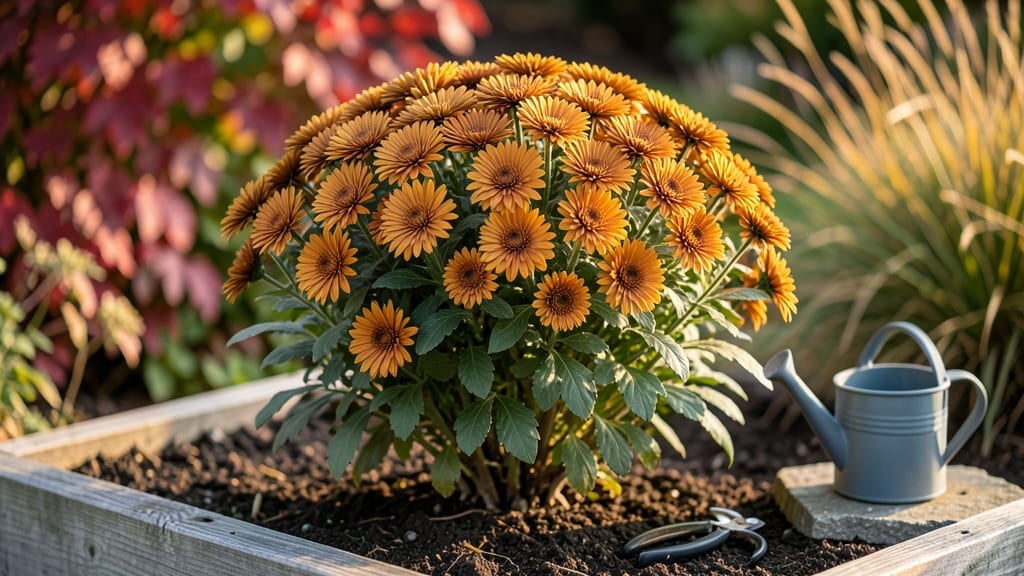
Autumn flowers in season bring the Pacific Northwest's chilly mornings to life with bold colors that defy frost. 🌿 I remember the first time I saw my chrysanthemums still blooming after our first light freeze—it felt like a victory against the season's gloom.
These hardy plants thrive when planted in well-draining soil and given morning sun, which helps them withstand cooler temperatures better than many summer annuals.
The key to extending their season lies in timing: plant mums and asters in early fall for a head start, and deadhead faded blooms regularly to encourage new growth. Dahlias, though tender, can be cut back and mulched heavily to protect their roots through early winter.
With the right care, you'll enjoy vibrant blooms from September through November—long after most gardens have gone dormant.
Imagine your front yard bursting with deep burgundy, golden yellow, and soft lavender hues as the leaves turn. These flowers don't just survive autumn—they shine in it, creating a stunning contrast against the changing foliage.
Whether you're filling containers for your porch or designing a seasonal border, these plants deliver year-round interest with minimal fuss.
For Pacific Northwest gardeners, the secret is choosing varieties bred for our climate—like 'Indiana Vanilla' chrysanthemums or 'Wood's Purple' asters. These plants handle our damp, cool falls better than tropical imports, and they pair beautifully with native grasses and sedum for a low-maintenance, high-impact display.
Let's make your autumn garden the envy of the neighborhood.
📚 In This Guide
- What you need
- Instructions
- Tips and common mistakes
- Wrapping up and next steps
What you need
- ● Flower bulbs/seeds: 10–20 Tulipa fosteriana (Darwin Hybrid Tulips) – frost-hardy, bold colors
- ● 15–30 Crocus vernus (Spring Crocus, but some varieties bloom late autumn)
- ● 5–10 Colchicum autumnale (Autumn Crocus) – thrives in fall
- ● 20+ Helleborus niger (Christmas Rose) – evergreen, deer-resistant
- ● Soil amendments: 5 lbs compost (for nutrient-rich soil)
- ● 2 lbs perlite or sand (for drainage, especially in clay-heavy PNW soil)
- ○ 1 lb bone meal (optional, for phosphorus boost)
- ● Containers or garden space: 6–12 10–12" pots (for container gardening, with drainage holes)
- ● OR a 6' x 6' garden bed (for in-ground planting)
- ● 1 hand trowel (for planting bulbs)
- ● 1 garden fork (to loosen soil)
- ● 1 watering can or hose (with gentle spray nozzle)
- ● 1 mulch (3–4 inches of straw or shredded leaves for insulation)
- ○ Optional (but helpful): Soil pH tester (ideal range: 6.0–7.0 for most autumn flowers)
- ● Slow-release fertilizer (10-10-10 ratio)
- ● Frost cloth (for early frosts, if planting late)
- ● Know your USDA Hardiness Zone (PNW: typically 7–9)
- ● Check last frost date (usually mid-October in PNW)
- ● Sunlight assessment: Partial shade to full sun (most autumn bloomers tolerate 4–6 hours of sun)
- ● Water source nearby (autumn flowers need consistent moisture but hate soggy roots)
How to select and plant Pacific Northwest autumn flowers for season-long color
Here's my foolproof method for choosing hardy, frost-tolerant blooms that thrive in the PNW's cool climate.
🌱 Step 1: Choose Frost-Resistant Varieties for Your Zone
Focus on native and cold-hardy species like Pacific Coast Iris, Sword Fern, and Western Columbine—these handle 25-30°F nights without browning. Check your specific zone (PNW ranges from 7-9) and select varieties labeled for your area. I always pick plants with thick, waxy leaves as a visual cue—they're nature's built-in frost protection.
The key is selecting plants that bloom in sequence: early autumn (like Japanese Anemone) gives way to late-season winners (Hellebore) that keep color until snow. Mix heights too—place 3-4 foot tall Astilbe at the back, medium 2-foot Heuchera in the middle, and 6-inch Sedum up front for layered interest.
☀️ Step 2: Prepare Soil for Cool-Season Planting
Amend your garden beds with 3-4 inches of compost mixed into the top 6 inches of soil—this improves drainage while retaining moisture during fall's frequent rain. The PNW's acidic soil loves rhodoendron and azalea, but most other autumn flowers prefer slightly acidic to neutral pH (6.0-7.0). Test your soil first if you're unsure.
Here's the thing—don't till deeply. Our region's rich topsoil is full of beneficial microbes that help plants fight off fungal diseases common in wet autumns. Just loosen the surface with a broadfork or your hands, then spread a 1-inch layer of mulch after planting to protect roots from temperature swings.
💧 Step 3: Plant at the Right Time for Autumn Blooms
Get your plants in the ground 4-6 weeks before your first frost date—this gives roots time to establish before winter. In the PNW, that typically means late August to early September. Water deeply right after planting to eliminate air pockets, then maintain 1 inch of water weekly unless we get steady rain.
Dig holes twice as wide as the root ball but only as deep. The top of the root ball should sit 1 inch above ground level—this prevents rot during our wet winters. For container plants, remove the pot and gently loosen the roots if they're circling. I always add a handful of bone meal to each hole for slow-release phosphorus that encourages strong root growth.
✂️ Step 4: Maintain Through Fall's Changing Weather
Deadhead spent blooms regularly to encourage second flushes of flowers like Chrysanthemums and Goldenrod. But here's the catch—stop deadheading by mid-October so plants can focus energy on root development for next season. The PNW's unpredictable weather means some years we get early frosts, so always have a lightweight frost cloth ready to protect tender new growth.
Watch for powdery mildew on Phlox and Astilbe—our damp autumns create perfect conditions. At the first sign of white powder, spray with a 1:10 water-vinegar mix in the early morning when humidity is lowest. Most autumn flowers handle light frosts on blooms, but stems won't recover if frozen solid.
Tips & tricks for perfect Pacific Northwest autumn gardens
Creating a stunning autumn display in the PNW doesn't have to be guesswork—these practical tips will help you avoid common pitfalls and maximize your garden's seasonal beauty.
Variety Selection: When choosing plants in Step 1, prioritize those with multiple bloom cycles like Japanese Anemone and Hellebore. These will give you color from early autumn through winter's first snow. I've found that mixing 3-4 foot Astilbe with 6-inch Sedum creates that perfect layered look while preventing overcrowding as plants mature.
Soil Prep Secret: In Step 2, don't skip the soil test—our region's natural acidity can be too intense for many autumn flowers. If your soil tests below pH 6.0, add pelletized lime at planting time (about 1/2 cup per square foot) to create the ideal slightly acidic environment. This small adjustment makes all the difference for Heuchera and Phlox varieties.
Planting Timing: For Step 3, mark your calendar for late August—this gives your plants the full 4-6 weeks they need to establish roots before winter. I always plant mine by the 15th of August to ensure they're settled before our first frost, which can come as early as October 15th in higher elevations. Pro tip: Use a planting calendar specific to your exact PNW location for precise timing.
Frost Protection: In Step 4, when using frost cloth, remember it's not just for freezing temperatures—apply it when nighttime temps drop to 35°F or lower. I learned this the hard way when my Western Columbine buds froze solid after a 32°F night. The cloth creates a 5-10°F warmer microclimate that makes all the difference for tender new growth.
Pro Tips for Autumn Flowers In Season
- Creating a stunning autumn display in the PNW doesn't have to be guesswork—these practical tips will help you avoid c...
- Variety Selection: When choosing plants in Step 1, prioritize those with multiple bloom cycles like Japanese Anemone ...
- Soil Prep Secret: In Step 2, don't skip the soil test—our region's natural acidity can be too intense for many autumn...
Frequently asked questions
Got questions about autumn blooms in the Pacific Northwest? You’re not alone! Here are answers to the most common queries about timing, care, and alternatives for frost-resistant flowers that thrive in fall’s crisp air.
When do autumn flowers typically bloom in the PNW?
Autumn flowers like sedum, chrysanthemums, and asters usually bloom from late August through November, depending on elevation and microclimates. Coastal areas may see earlier blooms, while inland regions often enjoy longer displays. Check local frost dates to plan your garden for peak color!
Are these flowers really frost-resistant?
Many PNW autumn favorites, such as heather, Russian sage, and hardy mums, tolerate light frosts (28–32°F) without damage. However, heavy freezes (below 20°F) can harm tender blooms. Pro tip: Mulch bases and water before cold snaps to boost resilience. Container plants may need extra protection!
What if my flowers wilt after the first frost?
Don’t panic! Some flowers (like pansies or calendulas) may droop but rebound once temperatures rise. Trim dead foliage, water sparingly, and avoid fertilizing until spring. For perennials, frost often signals dormancy—let nature take its course. Evergreens like boxwood stay lush year-round!
Can I still plant autumn flowers in October?
Cool-season bloomers (e.g., snapdragons, pansies) thrive with October planting. Choose hardy varieties and space them 12–18 inches apart for airflow. Avoid late-season planting of tender annuals like zinnias—they won’t establish roots before winter. Check seed packets for “fall planting” labels!
What’s a low-maintenance alternative to high-frost flowers?
Opt for ornamental grasses (like maiden grass) or shrubs such as cotoneaster, which offer autumn color with minimal upkeep. Bonus: They provide winter interest and wildlife habitat. For cut flowers, dahlias (if dug up before frost) or chrysanthemums (some varieties last until December) are great picks.
Wrapping up and next steps
Autumn in the Pacific Northwest isn’t just about cozy sweaters and pumpkin spice—it’s also a spectacular burst of frost-resistant blooms that defy the chill. From fiery mums to delicate asters and hardy sedums, these flowers prove that fall can be just as vibrant as spring.
Whether you’re a seasoned gardener or a newbie with a green thumb, now’s the perfect time to embrace the season’s natural palette and bring a little autumn magic into your space.
Ready to plant, admire, or share these stunning blooms? Start by sketching a simple plan—maybe a window box for mums or a border of ornamental kale—and watch your outdoor (or indoor!) oasis transform.
The best time to act is now, while the colors are fresh and the air is crisp. Happy gardening! 🌿🍂