Aphids
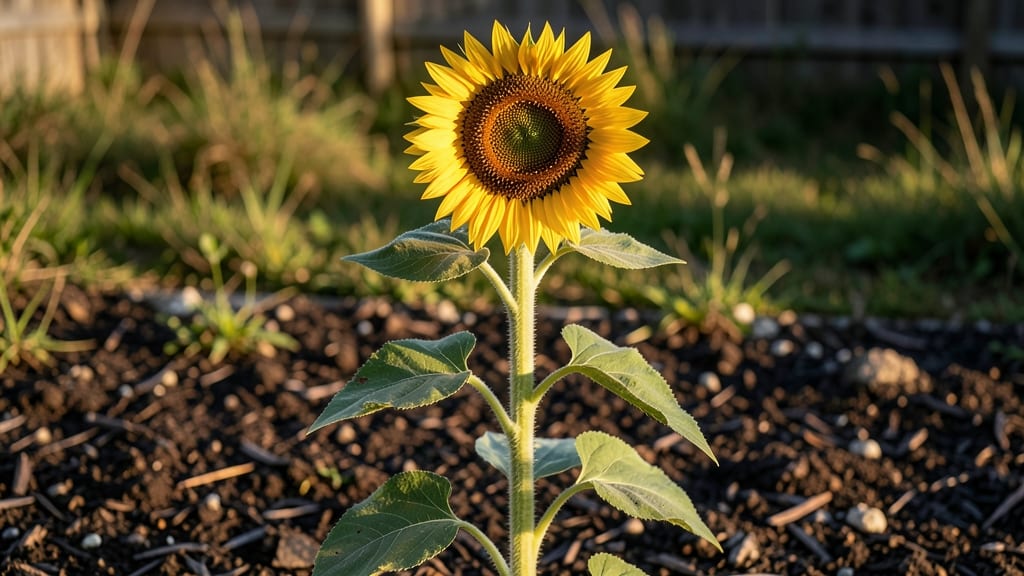
Sunflowers for Mother’s Day aren’t just pretty—they’re edible, cheerful, and packed with symbolic meaning. 🌻 I planted my first batch last spring, and by May, they were towering over my patio, their golden faces turning toward the sun like little suns themselves.
The best part? You can harvest the petals for salads or tea, making them a gift that’s both beautiful and useful.
Timing is everything—start seeds indoors 6-8 weeks before your last frost, or plant directly in the ground after soil warms to 60°F. Choose shorter varieties like ‘Teddy Bear’ (3-4 feet tall) for containers or ‘Moulin Rouge’ (5-6 feet) as dramatic centerpieces.
Pair them with purple basil or marigolds for a pop of color that lasts all season.
By Mother’s Day, you’ll have blooms that feel like sunshine in a vase or straight from the garden. The petals taste slightly nutty, perfect for garnishing dishes or drying into tea blends.
Plus, sunflowers symbolize joy and gratitude—qualities every mom deserves. Here’s how to make sure your stems stay fresh and your garden thrives.
Works for cut flowers, potted gifts, or even a mini sunflower patch in the yard. The key is consistent watering and full sun—6+ hours daily—so your blooms arrive just in time for the celebration. Let’s make this Mother’s Day unforgettable with sunflowers that shine in every way.
📚 In This Guide
- What you need
- Instructions
- Tips and common mistakes
- Wrapping up and next steps
What you need
- ● Sunflower seeds or seedlings: Choose edible varieties like ‘Moulin Rouge’ or ‘Russian Mammoth’ (non-toxic, petal-friendly).
- ● Quantity: 3–5 seeds per pot (or 1–2 seedlings per container).
- ● Containers: Small pots (6–8" diameter) with drainage holes OR a shallow tray for bulk planting.
- ● Materials: Terracotta, ceramic, or recycled containers (ensure they’re food-safe if using edible blooms).
- ● Potting soil: Lightweight, well-draining mix (e.g., 50% potting soil + 50% perlite/sand).
- ● Sunflower-specific fertilizer: Low-nitrogen, high-phosphorus (e.g., 5-10-10 ratio).
- ● Watering can or spray bottle: Gentle watering avoids seed displacement.
- ● Decorative pebbles or mulch for aesthetics.
- ● Chalkboard labels for seedling names (adds charm!).
- ● Edible flower food coloring (for petal tinting—use sparingly).
- ● Pre-cut sunflower stems (if arranging store-bought blooms).
- ● Glass vases or mason jars for instant centerpiece displays.
Step-by-step instructions for growing edible sunflowers for mother's day
Here's how to grow sunflowers that'll wow with their beauty and delicious seeds—perfect for a Mother's Day centerpiece.
🌱 Step 1: Choose the Right Variety and Plant at the Perfect Time
For Mother's Day, pick a fast-maturing variety like 'Moulin Rouge' (50 days) or 'Autumn Beauty' (55-60 days). These bloom early enough to enjoy before summer's end. Plant seeds 2 weeks before your last frost date—sunflowers love warmth and won't germinate in cold soil. If you're in a warm climate, start seeds indoors 4-6 weeks before Mother's Day to ensure blooms by the holiday.
I like to soak seeds overnight in lukewarm water before planting—this softens the outer shell and speeds up germination. Fill 2-inch-deep pots with sterile seed-starting mix (not garden soil) and plant 1-2 seeds per pot, just ½ inch deep. Press gently so the soil makes contact with the seed, but don’t pack it down—sunflowers need air around their roots.
☀️ Step 2: Provide Full Sun and Strong Stems Early
Sunflowers need 6-8 hours of direct sunlight daily—place them in the sunniest spot in your garden or on a south-facing windowsill if starting indoors. If seedlings grow leggy (thin and stretched), they’re reaching for light. Move them closer to the light source or add a grow light to keep them sturdy. Strong stems now mean heavier blooms later—no flopping over when they’re laden with petals.
Once true leaves (the second set after the initial seed leaves) appear, fertilize lightly with a balanced 10-10-10 fertilizer (use ½ the recommended dose). Sunflowers are heavy feeders, but too much fertilizer too soon makes them top-heavy and prone to falling. Water at the base (not overhead) to keep foliage dry—this prevents powdery mildew, a common fungal issue.
🪴 Step 3: Transplant and Support for Show-Stopping Blooms
When seedlings are 4-6 inches tall and have 4-5 true leaves, transplant them outdoors after the last frost. Choose a spot with well-draining soil—sunflowers hate soggy roots. Space them 12-18 inches apart in rows 2 feet apart to give them room to grow. If you’re growing in containers, use at least 5-gallon pots for each plant—sunflowers have deep taproots and need space.
Here’s the thing—sunflowers need support. As they grow, their stems get top-heavy with blooms. I stake mine with 3-foot bamboo stakes or use tomato cages for extra stability. Drive the stake 6 inches deep into the soil next to each plant and tie the stem loosely with soft plant ties or old fabric strips. Adjust as the plant grows—never cinch too tight, or you’ll restrict growth.
✂️ Step 4: Deadhead and Harvest for Long-Lasting Beauty
To keep sunflowers blooming longer, deadhead spent flowers by snipping off the wilting bloom and the seed head just below it. This redirects energy to new buds, giving you more flowers for Mother’s Day. Harvest young leaves (they’re edible!) by pinching them off early in the morning when they’re crisp. Toss them into salads or sauté them like spinach—they taste like a cross between sunflower seeds and artichokes.
When the main bloom fades, let one seed head mature on the plant. Once it’s fully brown and dry, cut it off and hang it upside-down in a dry, dark place for 2-3 weeks to finish drying. Then, rub the seeds between your hands to remove them—save some for next year’s planting! The rest? Roast them with a little salt for a crunchy, nutty snack. Your mom will love the edible gift as much as the bouquet.
💧 Step 5: Extend the Season with Simple Care
Sunflowers are drought-tolerant once established, but they still need 1 inch of water per week. Water deeply at the base in the morning to encourage deep root growth. If you’re in a hot, dry climate, mulch around the base with 2-3 inches of straw to retain moisture and keep roots cool. This is especially important in late spring, when temperatures can spike suddenly.
Watch for pests like aphids or beetles—they love sunflower leaves. If you see them, blast them off with a strong spray of water or use neem oil as a natural deterrent. Sunflowers are low-maintenance, but a little attention here keeps them healthy and vibrant right up to Mother’s Day. With these steps, you’ll have sunflowers in full bloom, ready to brighten any table and fill her kitchen with edible surprises.
Tips & tricks for perfect mother's day sunflowers
Skipping these little details can mean the difference between sunflowers that flop and ones that stand tall and proud for Mother's Day.
Timing is Everything: When you're planting those 'Moulin Rouge' seeds 2 weeks before your last frost date, mark your calendar for the 50-day countdown—this is non-negotiable for Mother's Day blooms. I've learned the hard way that pushing it even a week too late means missing the holiday. For indoor starts (4-6 weeks before Mother's Day), set a reminder when you've hit the 3-week mark so you can move them to brighter light conditions. The key is keeping them from getting leggy during this critical window.
Light Source Strategy: Sunflowers need that 6-8 hours of direct sunlight daily, but here's what nobody tells you—if your seedlings start stretching toward the light like they're reaching for a high-five, it's time to intervene. Move them within 6 inches of a south-facing window or add a grow light on a timer (12-16 hours/day). I use a simple LED bulb on my kitchen counter—no fancy equipment needed. The secret is catching this early when they're still small; once they're 4 inches tall, it's harder to correct their growth pattern.
Support System: That 3-foot bamboo stake isn't just decoration—it's your secret weapon against flopping blooms. Drive it 6 inches deep at a slight angle (like a leaning tower of Pisa) for better stability. I've seen sunflowers go from wobbly to show-stopping just by adding this support at the 4-6 inch mark. Pro tip: Use soft plant ties or even old fabric strips—they're gentler than wire and won't damage the stems as they grow. Adjust them weekly as your plants grow taller.
Harvesting Hack: When those young leaves are ready for picking (early morning is best), don't just grab any leaf—look for the top 4-6 inches of the plant where the leaves are most tender. The flavor is at its peak when they're still slightly furry. For the seed heads, wait until they're fully brown and dry before harvesting. I hang mine in my laundry room (dark and dry) for those final 2-3 weeks—it's the perfect spot most people overlook. Once they're completely dry, rub them between your hands and you'll be amazed at how easily the seeds pop right out.
Pro Tips for Mothers Day Sunflowers
- Skipping these little details can mean the difference between sunflowers that flop and ones that stand tall and proud...
- Timing is Everything: When you're planting those 'Moulin Rouge' seeds 2 weeks before your last frost date, mark your ...
- Light Source Strategy: Sunflowers need that 6-8 hours of direct sunlight daily, but here's what nobody tells you—if y...
Frequently asked questions
When is the best time to gift sunflowers for Mother’s Day?
Sunflowers are perfect for Mother’s Day if you gift them before the holiday (May 12, 2024) to ensure freshness. For edible varieties, pick fully bloomed but still vibrant flowers—usually 2–3 days before the big day. If gifting potted plants, choose compact varieties like Teddy Bear or Moulin Rouge for easier care.
Can sunflowers be used as edible decorations on any dish?
Sunflowers are versatile—use petals as garnishes for salads, soups, or cocktails. Pro tip: Remove bitter white bases and rinse petals gently. Avoid varieties treated with pesticides; opt for organic or homegrown blooms. For safety, cook petals in dishes with high heat (like stir-fries) to reduce potential bitterness.
Where can I buy edible sunflowers if local florists don’t carry them?
Check specialty grocery stores (like Whole Foods or Trader Joe’s), organic markets, or online retailers like Etsy or SunflowerSeedsDirect. Farmers’ markets often sell edible varieties too! If ordering online, ensure the seller specifies "edible" or "culinary" sunflowers—regular cut flowers may contain pesticides.
How do I keep sunflowers fresh longer for Mother’s Day?
Trim stems at a 45-degree angle, place in lukewarm water, and store in a cool spot (not the fridge). Change water daily. For potted sunflowers, keep them in bright, indirect light and mist leaves lightly. Watch for aphids! Spray with soapy water (1 tsp mild soap per quart) if pests appear before gifting.
What’s a good alternative if sunflowers aren’t available?
Try nasturtiums (edible, peppery flavor) or calendula (mild, citrusy taste). Both are aphid-resistant and add color to dishes! For non-edible options, consider roses (remove bitter white parts) or lavender (use sparingly for aroma). Pair with a handwritten note about their edible surprise!
Wrapping up and next steps
This Mother’s Day, sunflowers aren’t just beautiful—they’re edible, meaningful, and full of joy! 🌻 Whether you’re gifting a bouquet, crafting sunflower treats, or simply admiring their sunny charm, these vibrant blooms bring warmth to any celebration.
Their versatility makes them the perfect way to honor a mom’s love while adding a touch of whimsy to your table.
Ready to make this Mother’s Day even brighter? Start by picking your favorite sunflower variety—whether it’s a classic yellow for cheer or a deep red for romance—and let the fun (and deliciousness!) begin. Happy crafting, and here’s to celebrating the moms who light up our lives! 💛