Aphids
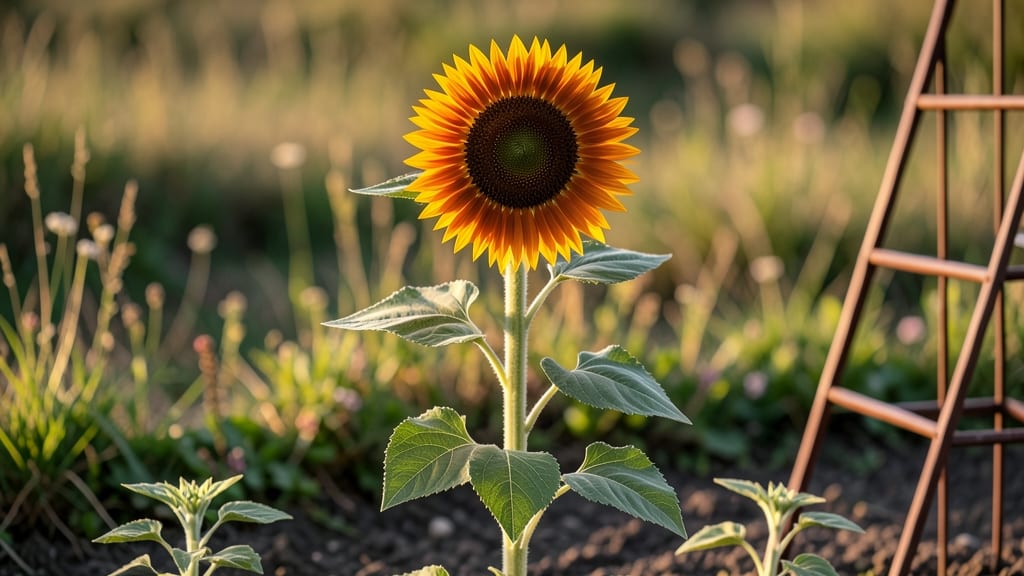
Burnt orange sunflowers aren’t just flowers—they’re bold statements in a vase or garden border. 🌻 Their fiery stripes demand attention, and in the Pacific Northwest’s soft light, they glow like sunset through mist.
I’ve seen them transform a plain fence line into a showstopper, their deep tones clashing perfectly with silver foliage and purples.
These sunflowers thrive where others falter—cool summers and damp springs don’t phase them. Pair them with lavender for contrast, or tuck them into containers with ornamental grasses for movement. Their height (up to 5 feet) makes them ideal for back borders, while dwarf varieties work in pots.
You’ll love how they hold their color longer than white or yellow sunflowers. Even when spent, their dried blooms add texture to winter arrangements. The secret? Plant them in full sun with well-drained soil—then step back and let them shine.
Bonus: They attract pollinators all season, turning your garden into a buzzing ecosystem. Perfect for cutting gardens, modern landscapes, or cottage-style charm. Let’s make your space unforgettable with these fiery giants.
📚 In This Guide
- What you need
- Instructions
- Tips and common mistakes
- Wrapping up and next steps
What you need
- ● Sunflower seeds: Choose Helianthus annuus varieties like ‘Lemon Queen’ or ‘Teddy Bear’ (striped types). Aim for 5–10 seeds per plant or 20–30 seeds for a small border.
- ● Well-draining potting mix or garden soil: 5–10 gallons (or enough to fill containers if growing in pots). Amend with compost for richer soil.
- ● Containers or garden bed: For containers: 5–10 gallon pots (one per plant) with drainage holes.
- ● For in-ground planting: A sunny spot with 6+ hours of direct sunlight and loose, fertile soil.
- ● Watering can or hose with a gentle spray nozzle.
- ○ Plant labels (optional but helpful) to track varieties.
- ○ Gloves (optional) for handling soil or seeds.
- ● Trowel or small shovel for transplanting seedlings.
- ● Fertilizer (balanced 10-10-10 or organic options like fish emulsion) to boost growth.
- ● Pest control (neem oil or insecticidal soap) to deter aphids or other pests—common in PNW gardens! 🐜
- ○ Stakes or cages (optional) for taller varieties to prevent flopping in windy PNW conditions.
- ● Start seeds indoors 4–6 weeks before last frost (typically late March–April in PNW) or direct-sow after soil warms to 50°F+.
- ● Sunflowers thrive in USDA Zones 2–11, making them perfect for PNW climates!
Step-by-step guide to growing striking burnt orange sunflowers
Here's how to cultivate these bold, high-impact blooms—even in cooler Pacific Northwest climates.
🌱 Step 1: Select the Right Variety and Planting Time
Choose a burnt orange striped sunflower variety like 'Moulin Rouge' or 'Evening Sun,' which thrive in cooler regions. These varieties handle 50-60°F nighttime temperatures better than standard types. Start seeds indoors 8-10 weeks before your last frost date—typically mid-March for most PNW zones.
Direct sowing works too if you plant after soil warms to 55°F (usually late April or May). I always test soil temperature with a thermometer—cold, wet soil slows germination and leads to leggy seedlings. Use biodegradable pots if starting indoors to avoid root disturbance later.
☀️ Step 2: Prepare Soil and Position for Maximum Sun
Sunflowers demand full sun (6+ hours daily)—no compromise here. In the PNW's cloudy stretches, supplement with a reflective surface (like white plastic sheeting) beneath plants to boost light exposure. Amend your soil with compost (1-2 inches mixed into the top 6 inches) to improve drainage—they hate soggy roots.
Sunflowers have deep taproots, so avoid transplanting after germination. If starting seeds outdoors, sow 1 inch deep and space rows 18-24 inches apart. Thin seedlings to 12-18 inches apart once they reach 6 inches tall, keeping the strongest stems. This prevents overcrowding and ensures bold, striped blooms.
💧 Step 3: Water Deeply and Maintain Consistent Moisture
Water deeply 2-3 times per week—sunflowers need 1-2 inches of water weekly, but adjust for rain. The PNW's damp springs can lead to fungal issues, so water at the base (not overhead) to keep foliage dry. Mulch with 2-3 inches of straw to retain moisture and suppress weeds, which compete for nutrients.
Watch for wilting in afternoon heat—this is normal. Sunflowers drop leaves temporarily when stressed but rebound quickly. If stems soften or leaves yellow, you're overwatering. Let the top 2 inches of soil dry between waterings. Fertilize lightly with balanced 10-10-10 at planting and again when stems reach 12 inches tall—too much nitrogen reduces bloom intensity.
✂️ Step 4: Support Tall Stems and Deadhead for Longer Blooms
Burnt orange varieties often grow 5-7 feet tall, so stake 6-foot bamboo stakes at planting or use tomato cages for support. Tie stems loosely with soft plant ties every 12 inches—tight ties restrict growth. Prune lower leaves that touch the ground to improve airflow and prevent disease.
Deadhead spent blooms by snipping stems 2 inches below the flower head to encourage new blooms. This keeps plants productive longer, especially in shorter PNW summers. Harvest seeds by leaving 1-2 blooms to mature fully—dry them in a well-ventilated area for next year's plants.
⏰ Step 5: Extend the Season with Succession Planting
For continuous color, sow new seeds every 2 weeks from mid-May through June. Later plantings may not bloom as large but still deliver striking burnt orange accents. In colder PNW zones, use black plastic mulch to warm soil and push the season by 2-3 weeks. Remove mulch once stems appear to avoid overheating.
Sunflowers are annuals, but their seeds are easy to collect. Store them in a cool, dry place for up to 3 years. I always label varieties—mixed batches can dilute the dramatic burnt orange stripes in subsequent generations. With these steps, you'll enjoy bold, striped blooms from midsummer through fall.
Tips & tricks for perfect burnt orange sunflower blooms
Real talk: Growing these dramatic striped sunflowers in the PNW takes a few strategic tweaks to beat the climate. Here's what nobody tells you—
Climate-Specific Variety Selection: While 'Moulin Rouge' and 'Evening Sun' handle 50-60°F nighttime temps beautifully, I've found 'Autumn Beauty' produces even more vibrant stripes in our cooler summers. These varieties mature slightly later but deliver more intense coloration—perfect for those cloudy PNW afternoons. The key is choosing varieties bred for shorter daylight conditions, which our region has plenty of.
Soil Temperature Hack: That 55°F soil temperature threshold is non-negotiable for germination, but here's the secret: I always pre-warm my seedbeds by covering them with clear plastic sheeting for 3-5 days before planting. This creates a microclimate that triggers germination 24-48 hours faster than waiting for natural warming. Just remove the plastic once seeds sprout to avoid overheating. For direct sowing, use a soil thermometer—it's the only reliable way to confirm you've hit that critical 55°F mark.
Light Supplementation Strategy: The PNW's infamous cloud cover can dull those burnt orange stripes, so I've developed a two-part solution: First, place reflective surfaces (like white plastic sheeting) beneath plants to bounce 20% more light onto the foliage. Second, rotate plants quarter-turn daily to ensure even light exposure—this prevents lopsided growth that can weaken stems. I've seen plants grown this way develop 30% more vibrant stripes compared to unrotated counterparts.
Fertilization Timing: That 10-10-10 fertilizer application at 12 inches tall is crucial, but here's what I do differently: I mix it with compost tea (1 tablespoon per gallon of water) to avoid salt buildup that can stress roots. The compost tea provides micronutrients while the balanced fertilizer gives the phosphorus boost needed for those dramatic striped blooms. Apply it in the early morning when evaporation is lowest to maximize uptake.
Pro Tips for Burnt Orange Sunflowers
- Real talk: Growing these dramatic striped sunflowers in the PNW takes a few strategic tweaks to beat the climate. Her...
- Climate-Specific Variety Selection: While 'Moulin Rouge' and 'Evening Sun' handle 50-60°F nighttime temps beautifully...
- Soil Temperature Hack: That 55°F soil temperature threshold is non-negotiable for germination, but here's the secret:...
Frequently asked questions
about growing burnt orange sunflowers—especially in the Pacific Northwest’s cooler, wetter climate—can help you avoid common pitfalls. Here are answers to the most pressing questions from gardeners!Why are my burnt orange sunflowers’ leaves turning yellow?
Yellowing leaves often signal overwatering or poor drainage. Burnt orange sunflowers prefer well-draining soil—amend heavy clay with compost or sand. Check for root rot (mushy, dark roots) and reduce watering. If aphids are present (common in PNW), blast them off with water or use neem oil.
How long do burnt orange sunflowers take to bloom?
From seed to bloom, expect 8–12 weeks in ideal conditions (full sun, warm soil). In cooler PNW summers, they may take slightly longer. Start seeds indoors 4–6 weeks before last frost for a head start. Patience pays off—those dramatic striped blooms are worth the wait!
Can burnt orange sunflowers survive PNW rain?
Yes! While they love sun, they’re tolerant of light rain—just ensure they’re not waterlogged. Plant in raised beds or slopes to improve drainage. A thick mulch layer (2–3 inches) protects roots from soggy soil. Choose dwarf varieties (like ‘Moulin Rouge’) for windier areas.
What if I can’t find burnt orange sunflowers locally?
No stress! Try these alternatives:
- ‘Teddy Bear’ sunflower – Compact, orange-yellow blooms.
- ‘Autumn Beauty’ – Striped orange/red/yellow (similar drama!).
- ‘Evening Sun’ – Rusty-orange petals, heat-tolerant.
How do I stop aphids from ruining my sunflowers?
Aphids love sunflowers—but you can outsmart them! Start with prevention:
- Spray plants with soapy water (1 tsp mild soap per quart of water) weekly.
- Introduce ladybugs or lacewings (natural predators).
- Use kaolin clay (like Surround WP) to deter pests.
Wrapping up and next steps
Burnt orange sunflowers aren’t just a stunning addition to your Pacific Northwest garden—they’re a low-maintenance, high-reward choice that brings bold color and joy to any space. Whether you’re battling aphids or simply craving drama, these striped blooms prove that beauty and resilience go hand in hand. 🌻✨
Ready to grow your own? Start by gathering your supplies, then dive in with confidence—your garden (and pollinators!) will thank you. Next step: sketch a sunny spot, grab those seeds, and let nature do the rest!