Flowers
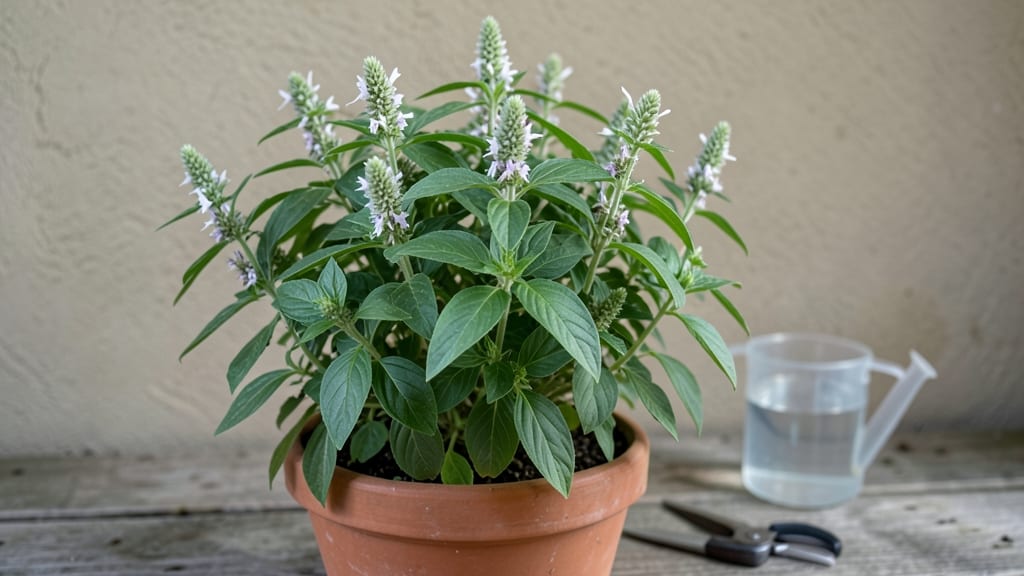
Holy basil flowers aren’t just pretty—they’re edible, fragrant, and packed with flavor for teas, garnishes, and even pollinator-friendly gardens. 🌿 I’ve grown this sacred plant for years, and the key to abundant blooms lies in sunlight, soil, and a little strategic pruning.
Most gardeners focus on the leaves, but the flowers are where the real magic happens—both for your plate and your local bees.
The secret to coaxing those delicate white or purple blossoms starts with well-draining soil and 6+ hours of direct sun daily. Holy basil (Ocimum tenuiflorum) thrives in warm climates but can also grow in containers if you bring them indoors before frost.
Water when the top inch of soil feels dry, and pinch off spent flowers to encourage more blooms—this plant rewards patience with weeks of continuous flowering once it gets the right conditions.
You’ll end up with clusters of tiny, star-shaped flowers that add a citrusy-spiced note to teas and a pop of color to salads. The blooms also attract pollinators, turning your garden into a mini ecosystem.
Plus, the flowers dry beautifully for potpourri or medicinal infusions. Just avoid over-fertilizing—too much nitrogen means lush leaves but few flowers.
Whether you’re growing holy basil for its calming aroma, its culinary uses, or its pollinator benefits, the same principles apply. Start with healthy plants, give them sunlight, and prune regularly.
The payoff? A plant that’s as useful as it is beautiful—and way more rewarding than regular basil.
📚 In This Guide
- What you need
- Instructions
- Tips and common mistakes
- Wrapping up and next steps
What you need
- ● Holy basil seeds or seedlings: Choose organic, non-GMO seeds or young plants from a trusted nursery. (Start with 5–10 seeds or 3–5 seedlings for a small garden.)
- ● Well-draining potting mix: A blend of 60% coco coir/peat, 30% perlite or vermiculite, and 10% compost. Avoid heavy clay soil.
- ● Containers or garden bed: Containers: 6–12" pots with drainage holes (1–2 plants per pot).
- ● Garden bed: Full sun (6+ hours/day) with loose, fertile soil (pH 6.0–7.0).
- ● Watering can or spray bottle: For gentle hydration (avoid soggy roots!).
- ● Fertilizer: Organic options like fish emulsion (1:10 dilution) or compost tea every 4–6 weeks.
- ● Pruning shears: For trimming leggy stems to encourage bushier growth.
- ○ Gloves: Optional but handy for handling prickly stems.
- ● pH test kit: To monitor soil acidity (aim for 6.0–7.0).
- ● Mulch (straw or shredded leaves): To retain moisture and suppress weeds.
- ● Warmth: Holy basil thrives in 70–90°F (21–32°C). Start indoors 6–8 weeks before last frost if in a cool climate.
- ● Sunlight: Full sun (6+ hours/day) is a must—partial shade may reduce flowering.
- ● Patience: Seeds germinate in 7–14 days; flowers appear in 8–12 weeks with proper care.
- ● Pollinator-friendly companions: Plant nearby marigolds or basil varieties to attract bees and butterflies.
- ● Drying rack: For preserving flowers for tea or crafting.
- ● Hydroponic setup: If you’re adventurous—holy basil grows well in nutrient-rich water!
Step-by-step instructions for cultivating holy basil flowers
Here's how to coax vibrant, fragrant blooms from your holy basil plants—without sacrificing leaf production.
🌱 Step 1: Select and Prepare the Right Holy Basil Variety
Choose a sacred tulsi variety like Krishna or Rama tulsi, bred specifically for flowering. These types produce lavender or white blossoms that stay edible longer than regular basil. Avoid common Thai basil—it flowers aggressively but yields bitter leaves.
Start with 4-6 healthy 4-inch plants (or sow seeds indoors 8-10 weeks before your last frost). Holy basil thrives in containers or garden beds with well-draining soil—amend heavy soil with 1 part perlite to prevent root rot. The key here is fertility balance: too much nitrogen = lush leaves, no flowers.
☀️ Step 2: Position for Optimal Sun and Temperature
Holy basil demands full sun (6-8 hours daily) for flowering. Place plants where they’ll receive morning sun and afternoon shade if temperatures exceed 85°F—heat stress halts bloom production. I’ve seen plants bolt prematurely in 90°F+ conditions, so afternoon shade saves the day.
Wait until soil reaches 70°F before transplanting outdoors. Cold soil slows root establishment, delaying flowering by 2-3 weeks. Use a soil thermometer to confirm—holy basil roots prefer warmth but won’t tolerate frost. Mulch with 1 inch of straw to stabilize soil temps.
💧 Step 3: Water and Fertilize for Floral Production
Water deeply 2-3 times weekly, aiming for 1 inch of moisture per week. Let the top 2 inches of soil dry between waterings—consistent dampness prevents flower buds from forming. I use a drip irrigation system to avoid wetting leaves, which reduces fungal risks like powdery mildew.
Fertilize every 4 weeks with a balanced organic fertilizer (5-5-5) diluted to half strength. The moment you see flower buds form, switch to a low-nitrogen, high-phosphorus feed (3-6-3) to encourage blooming. Over-fertilizing with nitrogen after bud set = leafy plants, no flowers.
✂️ Step 4: Prune Strategically to Encourage Blooms
Pinch off new flower spikes when they’re 1-2 inches long to redirect energy into secondary blooms. This might seem counterintuitive, but it prevents the plant from expending all its resources on one flush. I prune every 2 weeks during peak growing season to maintain bushy growth.
After flowering, trim back one-third of the plant to promote a second bloom cycle. Remove yellowed leaves and spent flowers immediately—they drain energy. Holy basil flowers best in warm but not scorching conditions, so late summer pruning often yields a fall harvest of fresh blooms.
🪴 Step 5: Harvest and Preserve Edible Flowers
Pick flowers early morning when dew is present—they’re most fragrant then. Snip stems just above a leaf node with clean scissors to avoid damaging the plant. Use blooms immediately in teas, garnishes, or infused oils, or dry them for later use.
To dry, tie small bundles with twine and hang upside-down in a dark, well-ventilated space for 7-10 days. Store dried flowers in airtight jars away from light—properly preserved, they retain flavor for 6 months. Real talk: fresh flowers taste best, but dried ones still pack a punch in winter teas.
Tips & tricks for cultivating holy basil flowers
Here's what nobody tells you about getting those fragrant blooms without sacrificing your basil harvest.
Variety Matters: Sacred tulsi varieties like Krishna or Rama produce the most flavorful, edible flowers. I've tried growing regular basil for flowers, and it's a waste of time—they're bitter and less vibrant. Stick with the sacred varieties for that authentic, sweet floral taste that works beautifully in teas and garnishes. The lavender or white blossoms are also more visually striking for culinary presentations.
Sunlight Strategy: Those 6-8 hours of daily sun are non-negotiable, but here's the secret: position your plants where they get morning sun and afternoon shade when temperatures hit 85°F or higher. I've seen plants bolt prematurely when exposed to consistent 90°F+ heat—it's like they get heatstroke. A simple shade cloth over the afternoon sun can make all the difference, especially in summer months.
Fertilizer Timing: The switch from balanced 5-5-5 to low-nitrogen 3-6-3 fertilizer is crucial once you see those first flower buds. I made the mistake of keeping my plants on the regular feed, and they just kept producing leaves instead of blooms. The moment you spot buds forming, make that switch immediately—it's like flipping a light switch for flowering. And remember, less is more with fertilizers after bud set.
Pruning Precision: Pinching those flower spikes at exactly 1-2 inches might seem counterintuitive, but it's what creates that bushy growth with multiple bloom cycles. I learned this the hard way after letting my first flowers go to seed—now I prune every 2 weeks during peak season. That one-third trim after flowering is also key for encouraging that second bloom cycle, especially if you're aiming for a fall harvest.
Pro Tips for Holy Basil Flowers
- Here's what nobody tells you about getting those fragrant blooms without sacrificing your basil harvest.
- Variety Matters: Sacred tulsi varieties like Krishna or Rama produce the most flavorful, edible flowers. I've tried g...
- Sunlight Strategy: Those 6-8 hours of daily sun are non-negotiable, but here's the secret: position your plants where...
Frequently asked questions
Got questions about growing and using holy basil flowers?
Here are answers to the most common queries—from timing to troubleshooting—so you can nurture these edible blooms with confidence!
When do holy basil flowers actually bloom?
Holy basil typically blooms 6–8 weeks after planting, especially in warm climates (zones 10–12). In cooler regions, expect flowers in late summer to fall. Prune spent blooms to encourage more flowers and lush foliage—just avoid cutting more than ⅓ of the plant at once!
How long do holy basil flowers last once picked?
Fresh holy basil flowers stay vibrant for 3–5 days in the fridge, wrapped in a damp paper towel. For drying, hang small bunches upside down in a dark, airy spot for 1–2 weeks. Use dried flowers in teas or potpourri—just crush gently before brewing!
Can I eat holy basil flowers raw, or do I need to cook them?
Holy basil flowers are edible raw and add a mild, slightly spicy flavor to salads, garnishes, or cocktails. For a deeper taste, lightly sauté them in butter or infuse them into oils. Pro tip: Pair them with citrus or honey for a refreshing twist!
Why aren’t my holy basil flowers attracting pollinators?
Pollinators love holy basil, but over-fertilizing (especially with nitrogen) can reduce blooms. Try these fixes:
- Use a balanced fertilizer (10-10-10) lightly during flowering.
- Ensure full sun (6+ hours daily) and well-draining soil.
- Hand-pollinate with a soft brush if needed—gentle strokes mimic bees!
What’s a good alternative if holy basil flowers don’t grow in my climate?
If holy basil struggles in your area, try these edible, pollinator-friendly alternatives:
- Basil relatives: Thai basil or lemon basil (similar flavors, hardier).
- Other edible flowers: Nasturtiums (peppery kick) or borage (cucumbery notes).
- Herbaceous blooms: Calendula or chamomile (great for teas and garnishes).
All three thrive in containers and attract bees—win-win!
Wrapping up and next steps
Holy basil flowers aren’t just beautiful—they’re edible, medicinal, and a boon for pollinators! Whether you’re growing them for vibrant tea garnishes, stress-relieving infusions, or simply to support bees and butterflies, these blooms bring so much joy and purpose to your garden. 🌸✨
Ready to dive in? Start by gathering your supplies—soil, seeds, and a sunny spot—and watch your holy basil thrive. Then, share your harvest with friends or sip a cup of fragrant tea, knowing you’ve nurtured something truly special. Happy growing!