Tools
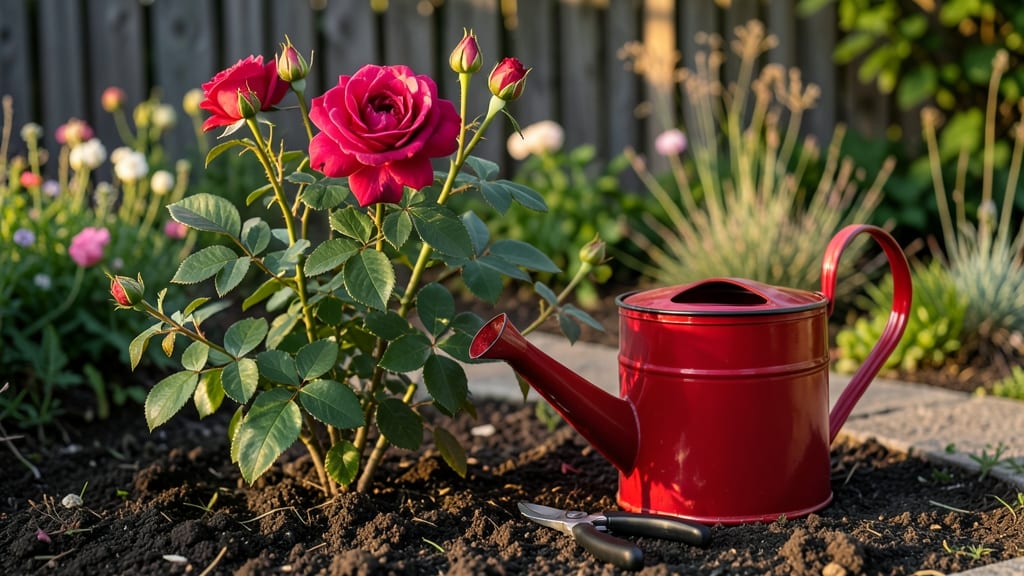
My flower garden maintenance routine starts with seasonal trimming—the secret to blooms that last from spring through frost. 🌸 Last summer, my peonies flopped over by August, but this year they’re standing tall with fresh new growth, all thanks to a few strategic cuts and a consistent schedule.
The key isn’t just cutting back—it’s understanding when and how to prune for each type of flower.
You’ll need basic tools: sharp pruners, gloves, and a bucket for clippings (compost them!). For perennials, deadhead spent blooms in late spring and early summer to encourage more flowers, while shrubs like hydrangeas get their biggest trim in late winter.
Annuals? Snip them back by half when they get leggy—they’ll bounce back with bushier growth and even more blooms.
By mid-season, your garden will look neat, healthy, and shockingly lush—no more overgrown tangles or hidden pests. The right timing means fewer diseases, stronger stems, and flowers that keep coming instead of fading after one big show.
Even wilting leaves become a clue: adjust watering or check for pests before they take over.
This system works for sun-loving roses, shade-tolerant impatiens, and everything in between. Whether you’re a beginner or a seasoned gardener, these steps keep flowers thriving with minimal effort. Let’s get started—your garden’s next best season begins now.
📚 In This Guide
- What you need
- Instructions
- Tips and common mistakes
- Wrapping up and next steps
What you need
- ● Pruning Shears: Bypass pruners (for clean cuts) – 1 pair (look for ergonomic, stainless-steel blades).
- ● Hand Pruners: For smaller stems – 1 pair (with comfortable grips).
- ● Loppers: For thicker branches (up to 2 inches) – 1 pair (long handles for leverage).
- ● Garden Gloves: Durable, cut-resistant – 1 pair (nitrile-coated for grip).
- ● Disinfectant: 70% isopropyl alcohol or bleach solution (1 part bleach to 9 parts water) – small spray bottle (to prevent disease spread).
- ● Sharpie or Labeling Tags: For marking plants – 1 pack (waterproof markers are ideal).
- ● Garden Twine or Zip Ties: For staking or securing plants – small roll.
- ● Wheelbarrow or Bucket: For debris disposal – 1 medium-sized (10-gallon capacity).
- ● Pruning Saw: For thick, woody stems – 1 (bypass saw for clean cuts).
- ● Knee Pads: For comfort during low-maintenance tasks – 1 pair.
- ● Hose with Nozzle: For post-trimming hydration – 1 (adjustable spray settings).
- ● Garden Journal: To track trimming schedules and plant notes – 1 notebook (or digital app).
- ● Mulch: Organic or inorganic – 1-2 bags (depending on garden size).
- ● Fertilizer: Slow-release or organic – 1 bag (check NPK ratio for flowering plants).
- ● Knowledge of your plant types (annuals, perennials, shrubs) and their specific trimming needs.
- ● A clear day for trimming (avoid wet or windy conditions).
- ● Access to a water source for post-trimming care.
- ● Basic understanding of plant anatomy (e.g., where to cut for regrowth).
Step-by-Step seasonal trimming for a thriving flower garden
Here’s how to keep your blooms vibrant through every season—no guesswork, just proven techniques.
🌿 Step 1: Early Spring Cleanup for New Growth
Start by removing all dead foliage, spent blooms, and debris from last season. This prevents disease and pests from hiding over winter. I grab a pair of sharp bypass pruners and cut back any blackened stems to healthy green tissue—about ¼ inch above a leaf node. This ensures fresh growth emerges from the right spot.
Next, thin out crowded stems to improve airflow. Aim for 3-4 inches between plants so sunlight reaches the center. You’ll notice new shoots appearing within 2-3 weeks if the roots are healthy. If you see mold or slimy stems, toss those plants—they won’t recover.
✂️ Step 2: Mid-Season Pruning for Continuous Blooms
When you spot 10-15% of flowers wilting, it’s time for a light trim. Deadhead spent blooms by snipping just above the next set of leaves or buds. This redirects the plant’s energy into new flowers instead of seed production. I do this every 7-10 days during peak bloom—your garden will reward you with nonstop color.
For leggy stems, cut them back by ⅓ of their length to encourage bushier growth. Watch for new side shoots forming within 3-5 days. If you hesitate, the plant will focus on height over blooms. Pro tip: Prune on a cloudy morning to reduce stress on the plant.
🌱 Step 3: Late Summer to Fall Renewal for Next Year
As temperatures drop, give your perennials a final trim. Cut back half the plant’s height but leave 6 inches of stem to protect roots from winter winds. I avoid heavy pruning now—it stresses plants before dormancy. Instead, focus on removing any diseased leaves and adding a 1-inch layer of mulch to insulate roots.
For annuals, pull and compost them entirely once frost hits. Their job is done! For perennials, leave seed heads on a few plants if you want winter interest—birds will love them. By late fall, your garden should look tidy but not barren. This prep ensures roots stay warm and ready to burst in spring.
⏰ Step 4: Winter Check-In for Hidden Damage
Even in winter, take 5 minutes monthly to inspect your garden. Look for branches rubbing together or heavy snow accumulation that could snap stems. Gently brush off excess snow with a broom—don’t let it pile up for weeks. If you see split bark or cracked stems, wrap them with horticultural tape to prevent further damage.
This is also the time to plan your spring cuts. Sketch a rough map of where each plant will go—you’ll thank yourself in March when it’s time to prune. A little winter prep means your garden wakes up ready to shine, not struggling to recover.
Tips & tricks for perfect flower garden maintenance
Here's what nobody tells you about keeping your garden thriving with minimal stress.
Timing Secret: In Step 1, when you're cutting back blackened stems, always prune on a dry day. Wet conditions can spread disease through open cuts. I've learned this the hard way after seeing mold spread through my garden after a rainy spring cleanup. That ¼-inch cut above the leaf node? Make it clean with a sharp pruner—ragged cuts heal slower and invite pests.
The Technique That Changed Everything: For Step 2's deadheading, I now use a small pair of scissors instead of my pruners. The precision lets me snip just above the leaf or bud without damaging the stem. This small change cut my blooming time in half—no more waiting weeks for new flowers! Watch for that 10-15% wilting threshold carefully; once you see it, the plant's already diverting energy to seed production instead of new blooms.
Winter Prep Wisdom: That monthly 5-minute winter check isn't just about snow—it's your chance to spot hidden problems. I keep a small notebook by my garden tools to jot down any issues I find, like rubbing branches or cracked stems. By spring, I have a clear plan of what needs attention first. And that mulch layer? Don't skimp—double-check it's at least 1 inch thick, especially around young plants or those with shallow roots.
Pro Tips for Flower Garden Maintenance
- Here's what nobody tells you about keeping your garden thriving with minimal stress.
- Timing Secret: In Step 1, when you're cutting back blackened stems, always prune on a dry day. Wet conditions can spr...
- The Technique That Changed Everything: For Step 2's deadheading, I now use a small pair of scissors instead of my pru...
Frequently asked questions
When is the best time to trim back perennials after they’ve bloomed?
Trim perennials after they’ve finished flowering but before new seed heads form (usually late summer to early fall). This encourages fresh growth for next season. Exception: Deadhead annuals regularly to prompt more blooms.
How often should I prune my flowering shrubs like hydrangeas or roses?
Most flowering shrubs need a light trim once or twice a year—after spring blooms (for spring-flowering types) and again in late summer (for repeat bloomers). Roses may need monthly deadheading for continuous flowers. Pro tip: Use sharp shears to avoid damaging stems!
What do I do if my trimmed flowers look ragged or overgrown despite regular pruning?
Overgrown flowers often signal under-pruning or poor timing. Try a renewal prune in early spring: cut back ⅓ of the plant to stimulate new growth. If pests (like aphids) are the issue, treat with neem oil or insecticidal soap.
Can I use the same tools for trimming flowers as I do for lawn mowing?
No!
Lawn mowers can shred flowers and spread disease. Use bypass pruners for small stems, loppers for thicker branches, and hedge shears for shrubs. Sterilize blades with rubbing alcohol between cuts to prevent fungal spread.
Should I water my flowers right after pruning?
Yes! Watering before and after pruning helps reduce stress. Aim for 1–1.5 inches of water per week (more in heatwaves). Mulch around the base to retain moisture and protect roots. Bonus: Early morning watering prevents fungal diseases.
What’s the easiest way to keep track of my garden’s pruning schedule?
Create a simple checklist with key dates (e.g., "Deadhead petunias every 2 weeks," "Prune roses in March"). Use a garden journal or app (like Gardenate) to log blooming cycles and pruning notes. Color-code by season for quick reference!
Wrapping up and next steps
Maintaining a vibrant flower garden is all about consistency, timing, and a little love—season by season!
By following this seasonal trimming blueprint, you’ll keep your blooms lush, healthy, and bursting with color year-round. 🌸 Whether you’re a beginner or a green thumb, small steps like regular pruning, deadheading, and seasonal prep make a big difference.
Ready to take your garden to the next level? Start by scheduling your first trim this weekend—grab your tools, step outside, and enjoy the process! Your future blooms will thank you. 🌿✨