Tools
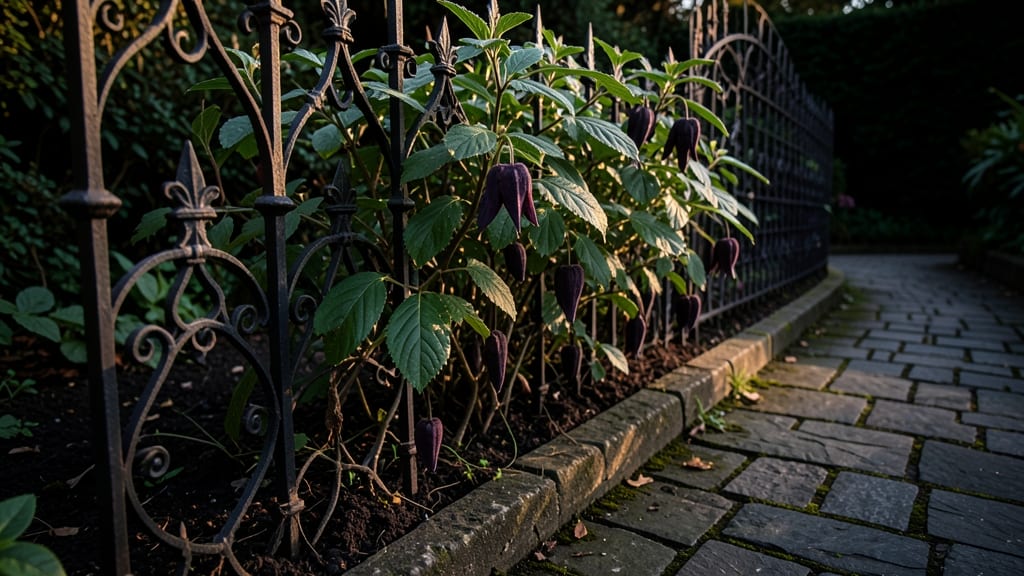
Creating a gothic flower garden transforms your yard into a hauntingly beautiful sanctuary where dark romance blooms year-round. 🌿 The key lies in pairing moody plants—velvety black callas, deep burgundy roses, and ebony irises—with architectural elements that whisper of old-world grandeur.
Every petal and wrought-iron trellis tells a story, turning your garden into a living poem of shadows and light.
Start with a moody color palette of blacks, deep reds, and purples, then layer in silvery foliage for contrast. A stone arch or two frames the entrance like a cathedral doorway, while vintage urns overflowing with night-blooming flowers create pockets of mystery.
The magic happens when you let moonlight illuminate the garden after dark—suddenly, your space feels like a secret garden from a gothic novel.
This isn’t just a garden; it’s an emotional escape where every visit feels like stepping into a different era. The scent of night-blooming jasmine mingling with the rustle of dark leaves underfoot creates an atmosphere that’s equal parts dramatic and serene.
With the right plants and a few structural touches, you’ll have a garden that feels alive with history.
Maintenance is simple once you understand the plants’ needs—most thrive in partial shade and well-draining soil. A little pruning here, a strategic placement of lanterns there, and your gothic retreat will remain stunningly lush through every season. Ready to bring this dark romance to life?
📚 In This Guide
- What you need
- Instructions
- Tips and common mistakes
- Wrapping up and next steps
What you need
- ● Dark foliage plants (5–10 per section): Black mondo grass (Ophiopogon planiscapus 'Nigrescens')
- ● Purple smoke bush (Cotinus coggygria 'Royal Purple')
- ● Bloodleaf plant (Iresine herbstii)
- ● Dramatic flowers (3–5 per type): Black calla lilies (Zantedeschia aethiopica 'Schwarzwalder')
- ● Dark red roses (Rosa 'Black Baccara')
- ● Velvet purple statice (Limonium sinuatum)
- ● Structural elements: Wrought-iron trellises or arches (1–2)
- ● Moss-covered stones or broken pottery (5–10)
- ● Black metal or weathered wood planters (2–4)
- ● Pruning shears (sharp, for clean cuts)
- ● Garden trowel (for planting)
- ● Wheelbarrow (for soil/plant transport)
- ● Garden gloves (heavy-duty, for thorny plants)
- ○ Optional: Spray paint (matte black, for decorative accents)
- ● Well-draining, slightly acidic soil (amend with peat moss if needed)
- ● Partial to full shade (6+ hours of dappled light daily)
- ● Mulch (dark bark or pine needles, 2–3 inches deep)
- ● Patience! Gothic gardens thrive with layered, evolving drama over time.
Step-by-Step instructions for crafting a gothic flower garden
Here's how to weave dark elegance into your landscape with plants that thrive in shadow.
🌿 Step 1: Select Your Moody Plant Palette
Start with dramatic, deep-hued plants that evoke gothic romance. Black bats' wing (Actaea simplex), with its lacy foliage and dark berries, anchors the space. Add **bleeding heart (Dicentra spectabilis) for its fern-like leaves and heart-shaped blooms, and Hellebore (Helleborus niger) for winter's first flowers. These thrive in partial to full shade—the perfect backdrop for gothic drama.
For height, crimson spikes (Kniphofia uvaria) and dark red cannas (*Canna 'Black Knight') add vertical contrast. I always include dahlias—choose deep burgundy varieties like 'Karma Choc' or 'Black Narcissus' for their velvety petals. These plants create a year-round tapestry of texture and color, even when not in bloom.
☀️ Step 2: Design for Seasonal Layers and Shadows
Gothic gardens thrive in dappled light or deep shade, so map your space first. Use ornamental grasses** like Miscanthus 'Gracillimus' for movement, and pair them with evergreen shrubs such as Ilex crenata 'Green Lustre' for structure. This creates a three-dimensional effect that feels intentionally wild yet refined.
Layer focal points—a weathered stone bench, an antique urn, or a wrought-iron trellis draped with **black clematis (Clematis 'Jackmanii'). Place taller plants at the back, mid-height varieties in the middle, and ground covers like bugleweed (Ajuga reptans 'Chocolate Chip') in the front. This ensures depth and mystery at every glance.
💧 Step 3: Create a Dark, Rich Soil Foundation
Gothic plants love moist, well-draining soil with a slightly acidic to neutral pH (6.0-7.0). Amend your garden bed with 3 inches of compost and 2 inches of peat moss to retain moisture while preventing root rot. I often mix in a handful of coffee grounds (from my morning brew) to acidify the soil naturally—it’s free and works wonders for hellebores and hydrangeas.
For containers, use dark-colored pots (black, deep green, or terracotta) to enhance the mood. Fill them with a mix of 50% potting soil, 30% perlite, and 20% coconut coir for aeration. Water deeply once a week (or more in hot climates), ensuring the soil stays evenly moist but never soggy. Gothic plants despise drought—wilting leaves ruin the eerie beauty.
✂️ Step 4: Prune and Maintain for Elegant Decay
Gothic gardens embrace controlled neglect—prune bleeding heart back in early spring before new growth appears, and cut back dead canna stalks in late fall, leaving the seed pods for winter interest. For dahlias, wait until after the first frost to cut back stems, as the tubers need time to harden. This preserves the garden’s haunting, untamed charm.
Remove spent blooms from hellebores and helleborus only if they detract from the look—otherwise, let them linger for textural contrast. Mulch annually with shredded bark in earthy tones (brown or black) to suppress weeds and keep the soil cool. This low-maintenance approach ensures your garden stays dramatically lush with minimal effort.
🪴 Step 5: Add Gothic Accents and Lighting
Complete the look with ironwork, stone, and lighting. Hang wrought-iron lanterns or black metal sculptures among the plants for a medieval touch. Use solar-powered spotlights to highlight dark foliage at night—this creates an enchanted, moonlit atmosphere. I love placing vintage glass bottles filled with black candles among the hellebores for a whimsical, eerie glow when lit.
For extra drama, incorporate dried flowers like black-eyed susans (Rudbeckia hirta) or purple coneflowers (Echinacea purpurea) in late summer. Let them stand until frost, then harvest and hang for winter arrangements. This keeps the gothic aesthetic alive year-round**, even when the garden sleeps.
Tips & tricks for perfect gothic flower garden design
A few subtle strategies will transform your garden from ordinary to hauntingly beautiful.
Plant Placement Secrets: In Step 2, when layering your focal points, position black clematis near the wrought-iron trellis to create natural vertical lines that draw the eye upward. I've found the most dramatic effect comes from placing bleeding heart and helleborus together—their contrasting textures create visual intrigue while maintaining that gothic harmony. The key is to let the darkest foliage anchor the space, with lighter accents peeking through like moonlight breaking clouds.
Soil Science for Dark Plants: For Step 3, that 3 inches of compost and 2 inches of peat moss are non-negotiable for your gothic palette. I've learned the hard way that hellebores and hydrangeas absolutely thrive with that coffee-ground amendment—it's free, easy, and creates the perfect slightly acidic environment. Remember to test your soil pH first; these plants won't tolerate alkaline conditions. The rich, dark soil isn't just functional—it enhances that moody aesthetic we're going for.
Year-Round Maintenance: In Step 4, when pruning dahlias after the first frost, don't rush to cut everything back. Leave some of those dramatic seed pods standing—they add striking winter texture. For canna stalks, I typically leave about 6 inches of the dried stems for visual interest while still maintaining clean lines. This controlled neglect is what gives gothic gardens their timeless appeal, where nature feels both wild and carefully curated.
Lighting Magic: The nighttime transformation in Step 5 is where gothic gardens truly come alive. I recommend using warm white solar-powered spotlights (around 2700K) to highlight your dark foliage—it creates that eerie, moonlit glow without harshness. For extra drama, place black candles in vintage glass bottles among the hellebores. The flickering light through the glass adds an unexpected layer of mystery that daytime lighting simply can't match.
Pro Tips for Gothic Flower Garden
- A few subtle strategies will transform your garden from ordinary to hauntingly beautiful.
- Plant Placement Secrets: In Step 2, when layering your focal points, position black clematis near the wrought-iron tr...
- Soil Science for Dark Plants: For Step 3, that 3 inches of compost and 2 inches of peat moss are non-negotiable for y...
Frequently asked questions
Got questions about crafting your own gothic flower garden? You’re not alone—this darkly romantic style blends drama with practicality, and planning is key. Below, we tackle the most common queries to help you design with confidence.
What are the easiest dark flowers to grow for beginners?
Start with hardy, low-maintenance blooms like Black Baccara roses, Queen of Night tulips, or Hellebore nigra (Christmas rose). These thrive in partial shade, tolerate cooler climates, and add instant gothic flair. Pair them with Lamium maculatum (dead nettle) for lush, velvety foliage.
How long does it take to see results in a gothic flower garden?
Patience is part of the charm! Annuals like Dahlia ‘Black Narcissus’ bloom in 6–8 weeks, while perennials (e.g., Bergenia) may take 1–2 seasons to fully establish. Plan for 3–5 years for a mature, layered look—think of it as cultivating a living dark fantasy.
Can I create a gothic garden in full sun?
Opt for sun-loving dark stars like Lavender ‘Hidcote’, Salvia ‘May Night’, or Sedum ‘Angelina’ (for silver contrast). Use deep mulch (black gravel or pine bark) to retain moisture and amplify the moody aesthetic. Just avoid wilting tender blooms like Black Callas—they prefer shade.
What’s the best way to maintain a gothic garden without overworking it?
Embrace minimalist upkeep:
- Mulch heavily (3–4 inches) to suppress weeds and retain moisture.
- Prune dead blooms only if they detract from the drama—let some stems stand for winter interest.
- Group plants by water needs to simplify irrigation.
- Use evergreens (e.g., Yew) as structural anchors—they require almost no trimming.
How can I add gothic elements beyond just dark flowers?
Layer in architectural details like wrought-iron trellises, weathered stone statues, or Armillaria mushrooms (fairy ring fungus) for a mystical touch. Hang ivy-covered lanterns, incorporate black-painted pots, or scatter antique keys/locks among the blooms. Even dried flowers in glass cloche vases keep the theme alive year-round.
Still stumped? Sketch your space first—gothic gardens thrive on contrast (light/dark, texture/smooth) and height variation. Need inspiration? Browse Pinterest mood boards for “dark cottage garden” or “moon garden” themes!
Wrapping up and next steps
A gothic flower garden isn’t just a space—it’s a mood, a masterpiece of dark romance and timeless drama. By blending moody plants, architectural accents, and seasonal layers, you’ve crafted a sanctuary that whispers elegance year-round. Let this vision inspire you to experiment, refine, and make it uniquely yours.
Ready to dive deeper? Start small—perhaps with a single dramatic focal point like a wrought-iron trellis or a cluster of deep purples and blacks. Then, let your garden evolve as your passion grows! 🌹✨