Pruning
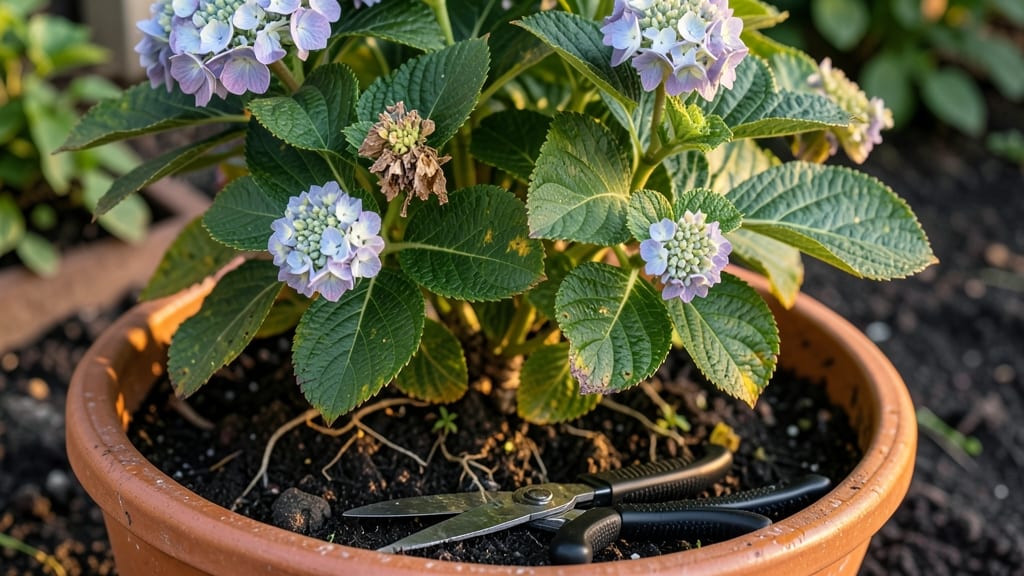
Pruning flowering shrubs at the right time turns a handful of blooms into a season-long display—and I’ve learned the hard way which cuts to make (and which to avoid). The secret isn’t just when you trim, but how you shape the plant to encourage more buds, not fewer.
My hydrangeas used to fight for space between branches, but after mastering the timing and technique, they now burst with color from summer through fall.
You only need three basic tools: sharp pruning shears for clean cuts, loppers for thicker stems, and gloves to protect your hands from thorns or rough bark.
The real trick is matching the pruning time to your shrub’s blooming habit—spring bloomers like lilacs get their haircut right after flowers fade, while summer-flowering types (like roses) wait until late winter. Even a small adjustment in timing can double your blooms next year.
What you’ll end up with is a shrub that looks fuller, flowers more abundantly, and stays healthier for years. The key is removing dead wood first, then thinning out crowded branches to let light and air circulate—this prevents disease and encourages new growth where you want it.
By the time you’re done, your shrubs will have the kind of structure that makes neighbors ask, "What’s your secret?"
This method works for roses, hydrangeas, lilacs, and even butterfly bushes, though each has its own quirks. We’ll cover those specifics next, plus how to spot (and fix) the most common pruning mistakes that turn lush shrubs into sad, leggy shadows.
Let’s get those shears sharp and those branches in shape!
📚 In This Guide
- What you need
- Instructions
- Tips and common mistakes
- Wrapping up and next steps
What you need
- ● Bypass pruners – Sharp, clean, and high-quality (e.g., Felco or Fiskars). Size: 6-8” for most shrubs.
- ● Loppers – For thicker branches (½”–1.5” diameter). Size: 18-24” with bypass blades.
- ● Pruning saw – For stubborn, woody stems (20-24” length). Type: Curved-tooth for clean cuts.
- ● Garden gloves – Heavy-duty, cut-resistant (e.g., Mechanix or Dr. McGill’s).
- ○ Disinfectant (optional but recommended) – 70% isopropyl alcohol or bleach solution (1 part bleach : 9 parts water) to sterilize tools between cuts.
- ● Safety glasses – Protects eyes from debris.
- ● Long sleeves/pants – Shields against thorns or scratches.
- ● Trash bags or bucket – For collecting pruned branches (5+ gallon size).
- ● Ladder or stool – If shrubs exceed 6 feet tall (ensure it’s stable!).
- ● ✨ Sharpen your tools first—dull blades tear stems, stressing the plant.
- ● 🌡️ Work on a dry day to avoid slipping or spreading disease.
- ● 🎯 Have a first-aid kit handy for minor cuts or scrapes.
Step-by-Step guide to pruning flowering shrubs for healthier growth
Here's how I keep my flowering shrubs blooming abundantly year after year—no guesswork involved.
Identify Your Shrub's Blooming Season
First, determine whether your shrub flowers on old wood (last year's growth) or new wood (current season's growth). Spring-bloomers like lilacs and forsythia rely on old wood, so prune them right after flowering. Summer-bloomers like hydrangeas and butterfly bush flower on new wood, so prune them in late winter or early spring.
I always check the plant tag or consult my gardening journal to confirm. If you're unsure, observe when the shrub blooms naturally—this tells you exactly when to prune. For example, if your azalea flowers in April, wait until May before touching the shears. Timing is everything.
Gather the Right Tools and Prepare the Shrub
Use clean, sharp pruning shears for cuts under ½ inch in diameter, and a pruning saw for thicker branches. Disinfect your tools with rubbing alcohol to prevent spreading disease between cuts. I also wear gloves to avoid thorns and handle sap from plants like roses.
Remove any dead, diseased, or crossing branches first. These are obvious culprits that need immediate attention. Cut back to the nearest outward-facing bud or branch junction. The goal is to open up the center of the shrub for better airflow and sunlight penetration, which reduces disease risk and encourages stronger blooms.
Apply the Right Pruning Technique
For spring-blooming shrubs, cut just above a leaf bud or side branch that faces outward. Make cuts at a 45-degree angle about ¼ inch above the bud to prevent water from pooling. This angle also helps the plant heal faster and directs new growth outward, keeping the shrub's shape balanced.
For summer-blooming shrubs, you can be slightly more aggressive. After flowering, trim back up to ⅓ of the plant's height if needed, but never cut into old wood. This encourages fresh, vigorous growth that will produce next year's flowers. Watch for new shoots emerging—these are your signal that the plant is responding well.
Shape and Maintain for Long-Term Health
Step back and assess the shrub's shape after removing dead growth. Use your shears to refine the outline, cutting back any branches that spoil the natural form. I like to visualize the plant's mature size and prune to encourage a full, rounded shape. For formal hedges, keep cuts even and straight, but for natural-looking shrubs, let the branches follow their natural growth pattern.
After pruning, water the shrub deeply to help it recover. Mulch around the base with 2-3 inches of organic mulch to retain moisture and protect roots. Avoid over-mulching, as this can suffocate the plant. In the weeks following, monitor for new growth and adjust future pruning as needed.
Tips & tricks for perfect flowering shrub pruning
Timing and technique make all the difference when pruning flowering shrubs—here's what I've learned after years of trial and error.
Seasonal Timing is Everything: Step 1 in the instructions highlights the critical difference between spring-bloomers and summer-bloomers. For spring-bloomers like lilacs, I wait until after flowering to prune—this ensures next year's buds (which formed last season) aren't accidentally removed. For summer-bloomers like hydrangeas, I prune in late winter to encourage fresh growth for the current season's blooms. Mark your calendar right after your shrubs finish flowering to remember when to prune.
Tool Sharpness Saves Shrubs: In Step 2, the instructions emphasize using clean, sharp pruning shears, but I can't stress this enough. Dull tools crush stems instead of making clean cuts, which can damage the plant and invite disease. I keep a small file in my gardening toolkit to sharpen shears between pruning sessions. For thicker branches, a pruning saw with a fine-toothed blade gives you more control and prevents tearing.
Cutting Angle Matters More Than You Think: The 45-degree angle mentioned in Step 3 isn't just about aesthetics—it's about plant health. This angle prevents water from pooling at the cut site, which could lead to rot. I like to visualize a slice of pizza when making these cuts: the top should be slightly larger than the base. For spring-bloomers, always cut just above an outward-facing bud to direct new growth away from the center of the plant.
Mulching After Pruning Boosts Recovery: Step 4 mentions mulching, but I've found that the type of mulch makes a difference. I use 2-3 inches of shredded hardwood mulch because it breaks down slowly and improves soil structure over time. Avoid fresh wood chips, which can draw nitrogen from the soil and stress your newly pruned shrub. Water deeply after mulching to help the plant establish new roots.
Pro Tips for Prune Flowering Shrubs
- Timing and technique make all the difference when pruning flowering shrubs—here's what I've learned after years of tr...
- Seasonal Timing is Everything: Step 1 in the instructions highlights the critical difference between spring-bloomers ...
- Tool Sharpness Saves Shrubs: In Step 2, the instructions emphasize using clean, sharp pruning shears, but I can't str...
Frequently asked questions
Got questions about pruning flowering shrubs? You’re not alone! Here are some of the most common ones—and their answers—to help you trim with confidence.
When is the best time to prune flowering shrubs?
Timing depends on your shrub’s bloom cycle. Prune spring-bloomers (like lilacs or forsythia) right after flowering, while summer- or fall-bloomers (like hydrangeas or abelia) can be trimmed in late winter or early spring. Always avoid pruning during active bloom unless you’re shaping lightly.
How much can I cut back my flowering shrub?
Most flowering shrubs tolerate a 25-30% reduction in size per year. Never remove more than one-third of the plant at once—this stresses the shrub and can reduce flowering. For thickets, thin out old wood gradually over 2-3 years to encourage new growth.
Will pruning my shrub now kill the flowers?
Not if you do it right! Pruning after blooms fade (for spring bloomers) or in late winter (for late-season bloomers) ensures next year’s flowers. Avoid heavy cuts in fall—this can stunt buds forming for spring. Think of it like a haircut: timing matters!
What if my shrub doesn’t bloom after pruning?
Several factors could be at play: over-pruning (cutting too late or too much), poor soil/nutrients, or disease stress. Check for dead wood, fertilize lightly, and adjust your pruning schedule. If the issue persists, test your soil—sometimes shrubs need a boost!
Can I shape my flowering shrub like a topiary?
Yes, but with caution! Topiary works best for shrubs like boxwood or abelia that handle frequent trims well. For others (like roses or hydrangeas), limit shaping to light trimming after blooming—overly aggressive cuts can reduce flowering. Start small and observe how the plant responds!
Wrapping up and next steps
Pruning flowering shrubs doesn’t have to be intimidating—with the right timing, tools, and techniques, you can encourage vibrant blooms and keep your garden thriving! 🌸 Remember to trim in late winter or early spring (before new growth), avoid over-pruning, and clean up after to prevent pests.
Whether you’re a beginner or a seasoned gardener, a little patience and care go a long way.
Now that you’re armed with the know-how, grab those shears and get pruning! 🌿 Start with one shrub at a time, and soon, your garden will be bursting with color. Happy gardening!