Vegetables
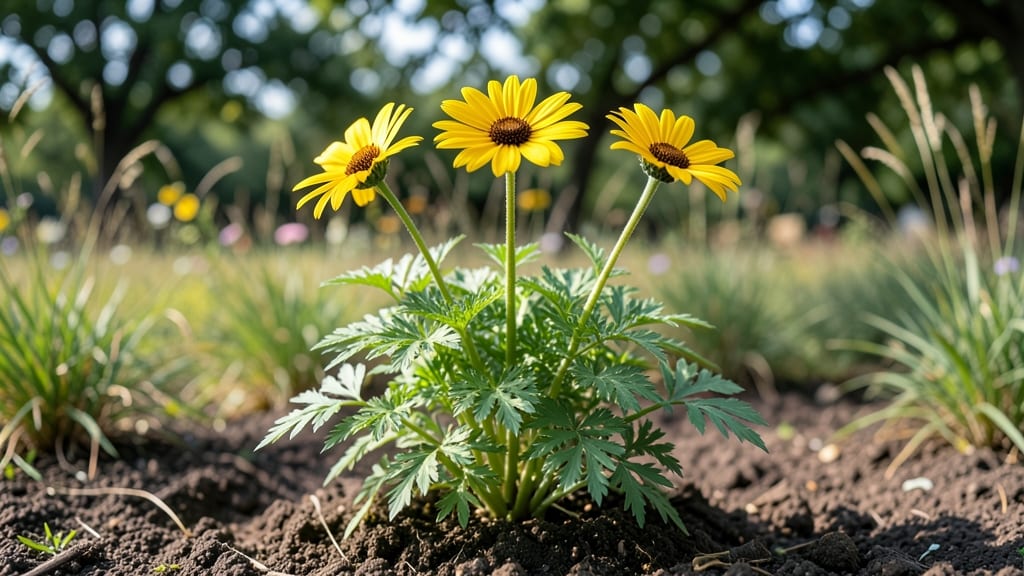
Large flowered tickseed thrives where others fail—dry, sunny spots that make other plants wilt. 🌻 I planted mine last spring in a rocky patch where nothing else would grow, and now it’s the star of my Pacific Northwest garden, blooming from June through frost with almost no care.
The secret isn’t complicated: this plant loves heat, hates soggy soil, and rewards patience with cheerful yellow daisies that butterflies adore.
You’ll need full sun (at least 6 hours daily), well-draining soil, and a spot where you won’t mind its slightly wild, airy habit. Start seeds indoors 6-8 weeks before last frost or sow directly after soil warms to 60°F, spacing them 12-18 inches apart.
The plants grow 2-3 feet tall and spread 1-2 feet wide, so give them room—they’ll fill it fast with those bright blooms.
Watering is where this plant shines: once established, it’s drought-tolerant, so check soil only when the top inch feels dry. Skip the fertilizer—too much makes leaves lush but flowers sparse.
Deadhead spent blooms in early summer to encourage more flowers, and cut back by half in late fall to keep the shape tidy. Pests rarely bother it, but watch for powdery mildew in humid summers and space plants for airflow.
Expect nonstop color from midsummer until frost, with flowers that last longer than most annuals. Pair it with lavender or Russian sage for a low-maintenance, pollinator-friendly border that thrives even in the PNW’s dry summers. Once you plant it, you’ll wonder why you didn’t try it sooner—it’s that easy.
📚 In This Guide
- What you need
- Instructions
- Tips and common mistakes
- Wrapping up and next steps
What you need
- ● Seeds or nursery plants: 1–2 packets of Coreopsis tinctoria seeds (or 3–5 healthy nursery plants for immediate color).
- ● Well-draining soil: Native soil amended with 1 part compost and 1 part perlite/sand (for improved drainage).
- ● pH range: 6.0–7.5 (test with a soil pH kit if unsure).
- ● Sunlight access: Full sun (6+ hours of direct light daily).
- ● Watering tools: Watering can or hose with a gentle spray nozzle.
- ● Garden tools: Trowel or small shovel (for transplanting).
- ● Garden gloves (to protect your hands from prickly stems).
- ● Pruning shears (for deadheading spent blooms).
- ● Mulch: 2–3 inches of organic mulch (e.g., straw or wood chips) to retain moisture and suppress weeds.
- ○ Fertilizer (optional): A balanced, slow-release fertilizer (10-10-10) or compost tea for nutrient boosts.
- ○ Support structures (optional): Small stakes or cages (if growing taller varieties like ‘Moonbeam’).
How to grow Pacific Northwest-friendly large flowered tickseed
Here's my foolproof method for drought-tolerant, vibrant blooms that thrive in PNW conditions.
🌱 Step 1: Choose the Perfect Planting Spot
Large flowered tickseed (Coreopsis tinctoria) loves full sun—at least 6 hours daily—but handles partial shade in hotter inland areas. In the Pacific Northwest, I plant mine in morning sun with afternoon shade to prevent leaf scorch while still getting enough light for those iconic daisy-like blooms.
Check your spot's drainage first. These plants hate soggy roots, so avoid low areas where water pools. Amend heavy clay soil with 2-3 inches of compost to improve drainage. You'll know you've got it right when water drains through the soil in 1-2 hours after watering.
🪴 Step 2: Prepare Soil and Plant with Care
Work 1 cup of compost into the top 6 inches of soil for each plant. Tickseed tolerates poor soil but blooms best with some organic matter. Dig a hole twice as wide as the root ball but no deeper—planting too deep suffocates the roots.
Gently remove the plant from its container and loosen any circling roots with your fingers. Place it in the hole so the top of the root ball sits level with the surrounding soil. This prevents stem rot from buried stems. Water deeply to settle the soil around the roots.
☀️ Step 3: Water Smartly for Drought Resistance
After planting, water once a week for the first month to help roots establish. Once established, tickseed needs almost no watering—I only water mine during extended dry spells (no rain for 2+ weeks). Overwatering is the #1 killer of these tough plants.
Water at the base of the plant in the morning to reduce evaporation. You'll see healthy growth when leaves stay bright green and stems remain firm. Wilting is normal during dry spells, but plants bounce back quickly when watered.
✂️ Step 4: Deadhead and Maintain for Continuous Blooms
Pinch off spent blooms every 2-3 weeks to encourage more flowers. I use my fingers to gently twist off faded flowers—no need for pruners. This simple step keeps plants blooming from early summer until frost in the PNW.
Cut back 1/3 of the plant in early fall to promote bushier growth next season. Wear gloves if you're sensitive to plant sap—tickseed has mild latex that can irritate skin. You'll see fresh new growth emerge within 2-3 weeks of pruning.
Tips & tricks for perfect large flowered tickseed growth
These simple strategies will help you coax the most vibrant, resilient blooms from your tickseed plants.
Sunlight Strategy: While tickseed thrives on at least 6 hours of sun, I've found the PNW's afternoon heat can scorch leaves. Plant in morning sun with afternoon shade for that perfect balance—your plants will reward you with bigger, brighter blooms. If you notice leaf edges turning brown, that's your sign to move plants to more shade, especially in inland areas where summers get hotter.
Soil Secrets: The 2-3 inches of compost we mix into the top 6 inches of soil is worth every minute. This isn't just about nutrients—it's about creating that perfect drainage. I test drainage by pouring water in the hole before planting. If water pools after 1-2 hours, I add more sand or compost until it drains properly. Well-drained soil is the secret to preventing those dreaded root rots that can kill your plants.
Watering Wisdom: The once-a-week watering for the first month is crucial—don't skip it! After that, let nature take over. I've seen tickseed survive on absolutely no water for months during our driest summers. The key is to water deeply at the base in the morning. This prevents fungal issues and gives roots time to absorb moisture before the heat of the day. You'll know you're doing it right when leaves stay bright green and stems feel firm to the touch.
Maintenance Magic: That 2-3 week deadheading schedule is your ticket to non-stop blooms. I make it a habit to check my plants every Sunday morning—it takes just 5 minutes to pinch off spent blooms. This isn't just about looks; it tells the plant to focus energy on producing more flowers instead of seed heads. And don't forget the fall pruning! Cutting back 1/3 of the plant in early fall gives you bushier growth next year. Just be prepared for some mild latex—it's harmless but can irritate sensitive skin.
Pro Tips for Large Flowered Tickseed
- These simple strategies will help you coax the most vibrant, resilient blooms from your tickseed plants.
- Sunlight Strategy: While tickseed thrives on at least 6 hours of sun, I've found the PNW's afternoon heat can scorch ...
- Soil Secrets: The 2-3 inches of compost we mix into the top 6 inches of soil is worth every minute. This isn't just a...
Frequently asked questions
Got questions about growing Coreopsis grandiflora (large flowered tickseed)?
You’re not alone! Here are some of the most common queries—plus quick answers to keep your drought-resistant blooms thriving in the Pacific Northwest.
How fast does large flowered tickseed grow?
Tickseed is a fast grower! From seed, expect sprouts in 10–14 days, with mature plants (18–36" tall) blooming in 6–8 weeks. If planting transplants, you’ll see flowers even sooner—often within 4–6 weeks.
Can I grow large flowered tickseed in containers?
This plant thrives in pots with at least 12" of depth and well-draining soil. Use a mix with sand or perlite to prevent soggy roots. Just ensure the container gets 6+ hours of sunlight and water when the top inch of soil feels dry.
Why aren’t my tickseed flowers opening?
Blooms may stay closed if the plant is stressed by overwatering, poor sunlight, or nutrient deficiencies. Check soil moisture (it should be dry between waterings) and ensure full sun. Deadhead spent blooms to encourage more flowers!
Are large flowered tickseed plants deer-resistant?
While tickseed is less appealing to deer than many other flowers, it’s not deer-proof. Young seedlings are especially vulnerable. Use repellents or fencing if deer are a problem in your area.
Can I grow large flowered tickseed as an annual or perennial?
In the Pacific Northwest, tickseed is typically grown as a perennial—it self-seeds and returns yearly. However, in colder zones (Zone 5 or below), it may act as an annual. Mulch in winter to protect roots!
What colors does large flowered tickseed come in?
Most varieties feature bright yellow blooms, but some cultivars offer pink, red, or bi-color flowers. Look for names like ‘Sunray,’ ‘Moonbeam,’ or ‘Zagreb’ for variety!
Wrapping up and next steps
Growing large flowered tickseed is a rewarding way to add vibrant, drought-resistant beauty to your Pacific Northwest garden—with minimal fuss! 🌸 Whether you're drawn to its striking blooms or its low-maintenance charm, this plant proves that stunning landscapes don’t require constant watering.
Ready to dive in? Start by prepping your soil and choosing the right spot—then let nature (and these resilient flowers) do the rest.
💡 Pro tip: Share your progress with fellow gardeners or local plant clubs for extra inspiration—and maybe even swap cuttings to expand your collection!