Shrubs
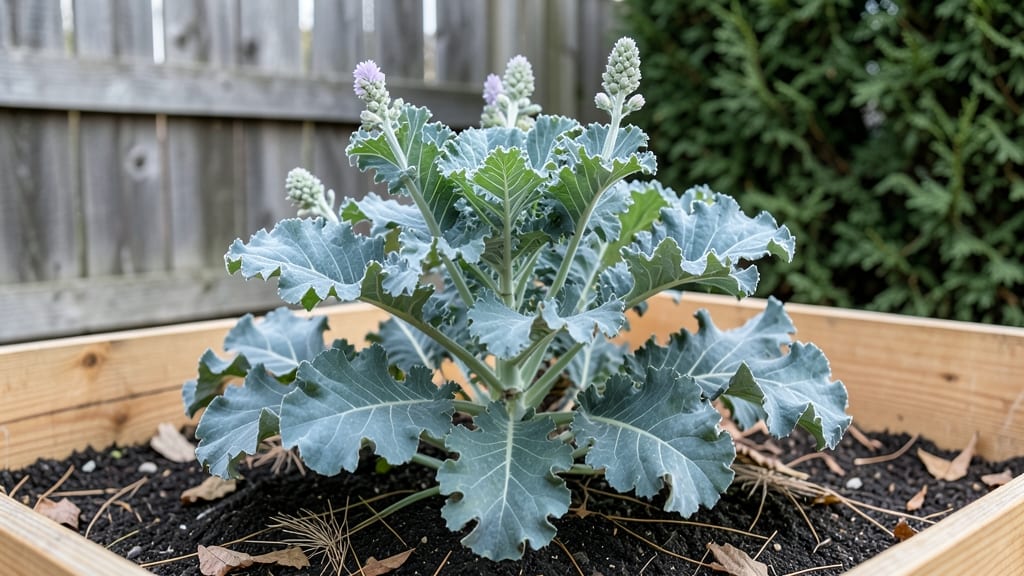
Ornamental flowering kale transforms your garden into a living watercolor painting—especially when frost paints the edges purple and pink. 🌿 I fell in love with it after using it as a bold border in my front yard, where it outshines annuals by lasting through winter.
The secret lies in its frost-resistant foliage, which deepens in color as temperatures drop, giving you free seasonal color shifts without replanting.
This isn't just a fall plant—it thrives in containers, along pathways, or tucked into mixed borders where its velvety textures contrast with grasses or evergreens. Pair it with golden sedum for a sunlit glow or silver dusty miller for a cool contrast.
Even in winter, it stays striking, making it the ultimate low-maintenance star for year-round interest.
You'll spend less time fussing over deadheading and more time admiring how it brightens dull corners. The key is placing it where its colors pop—near dark evergreens or against white brick walls.
With just a little pruning to shape, it becomes the effortless focal point that keeps your garden lively when most plants have retired for the season.
Perfect for small spaces, urban courtyards, or large landscapes—it scales beautifully. The best part? No special care beyond occasional watering. Let’s make your garden the talk of the neighborhood with this frost-proof color machine.
📚 In This Guide
- What you need
- Instructions
- Tips and common mistakes
- Wrapping up and next steps
What you need
- ● Ornamental kale plants: Choose cold-hardy varieties like ‘Red Russian,’ ‘Dwarf Blue Curled,’ or ‘Pink Frost’ (3–5 plants per container or 1 plant per 12–18" spacing in garden beds).
- ● Well-draining potting mix: 1–2 bags (1–2 cubic feet each) for containers, or amend garden soil with compost (2–3 inches).
- ○ Containers (optional): 12–16" pots with drainage holes (1–2 per plant) or raised beds for garden planting.
- ● Slow-release fertilizer: 10–10–10 or organic option (follow package rates for application).
- ● Mulch: Straw, shredded bark, or pine needles (2–3 inches) to protect roots from temperature swings.
- ● Garden trowel or hand shovel: For transplanting or amending soil.
- ● Pruners or scissors: Sharp, clean pair for trimming dead leaves or harvesting.
- ● Watering can or hose with nozzle: Fine mist setting for gentle hydration.
- ○ Gloves (optional): To protect hands from thorns (if using curly varieties) or soil.
- ● Sunlight access: Partial shade (3–6 hours of morning/evening sun) or dappled light.
- ● Cold tolerance: Thrives in USDA Zones 3–10 (no extra heat required!).
- ● 🌡️ Chill factor: Kale loves frost—plant 4–6 weeks before your first frost for the best color!
- ● ✨ Container hack: Mix in perlite (10%) to prevent soggy roots in pots.
- ● 🎯 Feeding schedule: Fertilize once at planting, then skip until spring (kale is low-maintenance!).
Step-by-step guide to growing stunning ornamental flowering kale
Here's how to coax vibrant, frost-hardy color from your garden all season long.
🌱 Step 1: Choose the Right Variety and Planting Time
Select cold-hardy varieties like 'Winterbor', 'Rosette', or 'Dwarf Blue Curled' for maximum frost resistance. Start seeds indoors 6-8 weeks before your first frost date or transplant young plants 4-6 weeks before frost—this gives them time to establish before cold sets in. I've found that direct sowing works too, but only if you plant seeds 8-10 weeks before frost in well-prepared soil.
Here's the thing—timing matters more than you might think. If you plant too early, the plants bolt (go to seed) before winter. Too late, and they won't mature enough to handle frost. Watch for seed packets that specify "ornamental kale" rather than edible varieties—they're bred for color retention and cold tolerance.
🪴 Step 2: Prepare Well-Draining Soil and Plant Correctly
Amend your garden soil with 2-3 inches of compost mixed into the top 6 inches to ensure good drainage—ornamental kale hates soggy roots. Test your soil pH; aim for 6.0-7.0, the sweet spot for vibrant foliage. I like to work in a handful of slow-release fertilizer at planting time to give them a nutrient boost without overfeeding.
Space plants 12-18 inches apart in rows 18-24 inches apart for proper air circulation. This prevents fungal diseases that thrive in damp conditions. Plant seeds ¼ inch deep or transplants at the same depth they were growing in their nursery pots. Press soil gently around the base to eliminate air pockets, but don't compact it—you want roots to penetrate easily.
☀️ Step 3: Provide Light and Water Strategically
Ornamental kale thrives in full sun to partial shade—4-6 hours of direct sunlight daily is ideal. In hot climates, afternoon shade prevents bolting. You'll see the most vibrant colors when plants receive morning sun paired with afternoon shade. Water deeply once a week after establishment, aiming for 1 inch of water per week—more in extreme heat, less if rainfall is consistent.
Here's where it gets fun—watch the color intensify as temperatures drop! The cold actually enhances those purple, pink, and white hues. Mulch with 2-3 inches of straw or shredded leaves to protect roots from temperature swings and retain moisture. Water at the base in the morning to prevent fungal issues from overnight moisture.
✂️ Step 4: Maintain and Protect Through the Seasons
Deadhead spent flowers in early spring to redirect energy into foliage growth. This keeps plants looking fresh and encourages new color development. I like to trim back any yellowed or damaged leaves with clean, sharp scissors—it improves airflow and prevents disease. Fertilize lightly with balanced fertilizer (10-10-10) every 4-6 weeks during the growing season to maintain vigor.
Real talk: Ornamental kale is tough, but it needs protection from harsh winds and heavy frost. In zones with below 15°F winters, cover plants with frost cloth or straw mulch to prevent damage. You'll see the most dramatic colors when plants experience light frosts—just don't let them get frozen solid. In spring, remove protective coverings gradually to avoid shocking the plants.
🌿 Step 5: Extend the Season with Smart Care
To keep your kale looking its best through winter, give it a light trim after each hard frost to encourage new growth. This works like a reset button—you'll see fresh, vibrant foliage emerge even in cold weather. In late winter, apply a thin layer of compost around the base to replenish nutrients without smothering the plants.
This is the moment that matters: With proper care, your ornamental kale will provide colorful displays from fall through winter and even into early spring. The key is balancing protection with enough exposure to cold—just like a good winter coat, it needs to breathe but stay warm. You'll have a garden that stays stunning when everything else goes dormant!
Tips & tricks for perfect ornamental flowering kale
These game-changing tips will help you unlock the full potential of your frost-resistant kale display.
Variety Selection: When choosing ornamental kale varieties, prioritize those labeled specifically for "ornamental" use rather than edible types—they're bred to maintain vibrant colors through frost and won't bolt prematurely. I've noticed 'Winterbor' holds its purple hues exceptionally well even after heavy frost, while 'Dwarf Blue Curled' offers compact, show-stopping foliage perfect for containers. For maximum color impact, mix varieties with different hues in the same bed—purples, pinks, and whites create stunning visual contrasts.
Timing Secret: The 6-8 week indoor starting window (or 8-10 weeks for direct sowing) might seem tight, but it's non-negotiable for cold-hardy varieties. I learned this the hard way after planting too early—my kale bolted before winter set in! Use your local frost date as your anchor point, then work backward. For container growers, start seeds indoors 4 weeks earlier than outdoor dates since pots cool faster. Remember, ornamental kale needs time to establish strong root systems before winter arrives.
Soil Preparation: The 2-3 inches of compost mixed into the top 6 inches of soil creates the perfect foundation for vibrant growth. Don't skimp on this step—poor drainage is ornamental kale's Achilles' heel. I've found that adding a handful of slow-release fertilizer at planting time gives plants an instant energy boost without risking overfeeding. For containers, use a high-quality potting mix with perlite for improved drainage, and consider adding a layer of gravel at the bottom to prevent waterlogging.
Frost Management: The magic happens at 15°F and below—this is when ornamental kale truly shines with its most intense colors. However, don't let plants experience temperatures below 10°F without protection. I've developed a system where I monitor forecasts and apply frost cloth when overnight lows dip below 15°F, then remove it during daytime warming. For extra protection in extreme cold, add a layer of straw mulch (2-3 inches) around the base—this creates an insulating barrier that maintains root temperature while allowing light penetration for photosynthesis.
Pro Tips for Ornamental Flowering Kale
- These game-changing tips will help you unlock the full potential of your frost-resistant kale display.
- Variety Selection: When choosing ornamental kale varieties, prioritize those labeled specifically for "ornamental" us...
- Timing Secret: The 6-8 week indoor starting window (or 8-10 weeks for direct sowing) might seem tight, but it's non-n...
Frequently asked questions
Got questions about growing and caring for ornamental flowering kale?
Here are some of the most common ones—plus quick answers to help you keep your plants vibrant and thriving all season long!
When is the best time to plant ornamental flowering kale?
Plant ornamental flowering kale 4–6 weeks before your first frost (typically late summer to early fall). This gives it time to establish roots before cold weather arrives. For spring planting, sow seeds indoors 6–8 weeks before the last frost date. Pro tip: If you live in a mild climate, you can even plant it in early winter for a stunning winter display!
How cold can ornamental flowering kale tolerate?
This frost-resistant beauty thrives in temperatures down to 15°F (-9°C)! In fact, cold weather enhances its colors—the cooler it gets, the more vibrant the purple, pink, and white hues become. Just protect it from harsh winds and heavy snow with a light frost cloth if needed.
How often should I water ornamental flowering kale?
Water deeply once a week (or more in extreme heat) to keep the soil consistently moist but not soggy. Once established, it’s quite drought-tolerant, but avoid overhead watering to prevent fungal diseases. Mulch around the base to retain moisture and protect roots.
What pests or diseases should I watch for?
Ornamental flowering kale is generally pest-resistant, but keep an eye out for aphids, cabbage loopers, or flea beetles. If spotted, spray with neem oil or insecticidal soap. Prevent fungal issues like downy mildew by ensuring good airflow and avoiding wet foliage. Rotate crops yearly to minimize disease buildup.
Can I grow ornamental flowering kale in containers?
Choose a container at least 12 inches deep with drainage holes and use well-draining potting mix. Dwarf varieties like ‘Minow’ are perfect for pots. Just place containers in a sunny spot and water consistently. Bonus: Container-grown kale can be moved indoors in winter for a pop of color!
Wrapping up and next steps
Ornamental flowering kale is a true garden superstar—vibrant, hardy, and effortlessly stunning—that brings color to your space even when frost paints the air. Whether you’re a seasoned gardener or just starting, its low-maintenance charm makes it a must-have for year-round beauty. 🌿✨
Ready to transform your garden or pots? Start small—grab a few plants, follow the care tips, and watch your space bloom with bold hues. Your next gardening adventure awaits!