Flowers
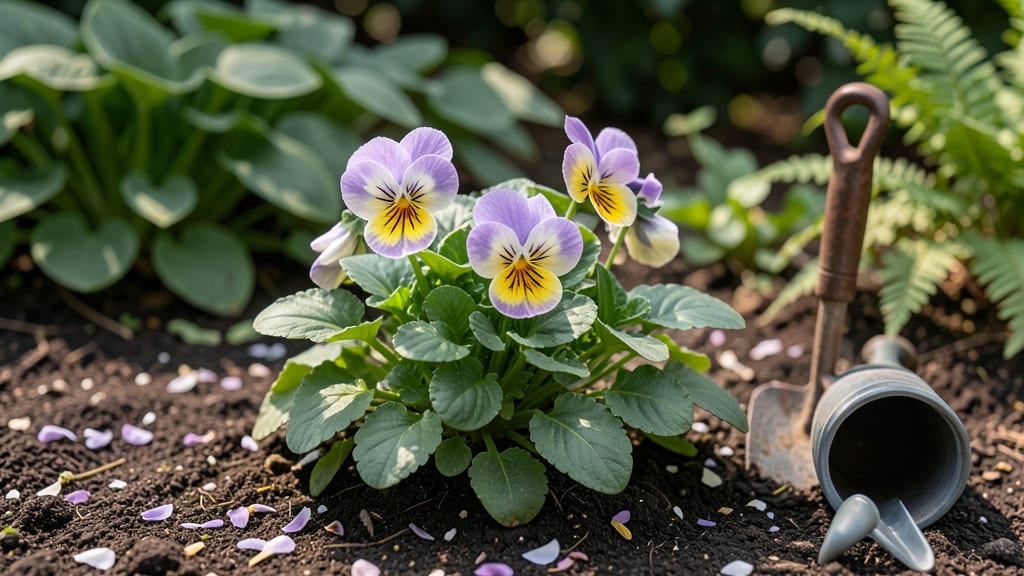
Mastering pansy flower care in the Pacific Northwest’s damp winters and cool summers unlocks their jewel-toned blooms from early spring to frost—I’ve learned the hard way that skipping drainage or over-fertilizing turns vibrant colors into sad, wilted shadows. leggy messes.
But when you nail the balance, they’ll thrive even in our famously cloudy skies.
The secret lies in moist but not soggy soil and partial shade during summer’s brief heat waves. Most gardeners overlook how pansies handle our region’s humidity—too much water leads to rot, while too little causes buds to drop.
A well-draining mix with compost and a morning sun, afternoon shade spot keeps them happy year-round, even through our wet winters.
By mid-spring, you’ll see clusters of velvety petals in every color imaginable, and with light pruning after each flush of blooms, they’ll keep producing until fall.
The key? Deadheading spent flowers and feeding lightly every 4-6 weeks—nothing heavy, just a balanced fertilizer to keep growth steady without burning those delicate leaves.
Even in our rainy climate, pansies rarely get pests, but watch for slugs after heavy downpours—they’ll turn your blooms into slime trails overnight.
A simple beer trap or diatomaceous earth keeps them at bay, and with proper care, your pansies will outlast store-bought flowers by months, turning your garden into a year-round color show.
📚 In This Guide
- What you need
- Instructions
- Tips and common mistakes
- Wrapping up and next steps
What you need
- ● Pansy plants: Choose 6-12 healthy nursery-started pansies (varieties like ‘Cool Wave’ or ‘Matrix’ thrive in PNW conditions). Opt for organic, disease-resistant seedlings.
- ● Well-draining potting mix: 10-15 gallons of high-quality mix (e.g., Pro-Mix or 50% peat/50% perlite blend). Avoid heavy clay soil.
- ● Containers or garden bed: For containers: 5-7 inch deep pots with drainage holes (1-2 pansies per pot). Use 3-5 containers for a small garden.
- ● For garden beds: Prepare 10-12 sq ft of loose, amended soil with 2-3 inches of compost.
- ● Slow-release fertilizer: 10-10-10 or 14-14-14 NPK (follow label for 1-2 tbsp per sq ft). Organic options like fish emulsion work too!
- ● Watering can or hose with gentle nozzle: Pansies need consistent moisture—aim for 1 inch per week (adjust for rain).
- ● Mulch: 2-3 inches of straw or shredded bark to retain moisture and protect roots in cooler months.
- ● Pruners or clean scissors: For trimming dead blooms and leggy stems.
- ● Frost cloth or row covers: Lightweight fabric to shield pansies from late spring/fall frosts (especially in Zone 7-9).
- ● Cold-frame or greenhouse: Extends the growing season for winter blooms (if you’re really ambitious!).
- ● Epsom salt: 1 tbsp per gallon of water monthly for magnesium boosts (great for vibrant blooms!).
- ● Companion plants: Pair with snapdragons, violas, or lettuce to deter pests and maximize space.
Step-by-Step guide to cultivating Pacific Northwest pansies
Here’s how I keep pansies blooming boldly through our region’s wet winters and mild summers.
Select the Right Varieties for Your Climate
Pacific Northwest gardeners should prioritize cold-hardy pansy varieties like 'Matrix' or 'Cool Wave' series, which tolerate temperatures down to 15°F without browning. These hybrids also resist the fungal diseases that plague pansies in our damp springs. I always check seed packets for "Pacific Northwest recommended" labels—it saves heartache later.
If you’re starting from seed, begin indoors 8-10 weeks before your last frost date. Pansies germinate best at 60-65°F, so a seedling heat mat speeds up the process. You’ll notice true leaves appear in 7-10 days—that’s your cue to move them under grow lights for 14-16 hours daily. Without enough light, seedlings stretch and become weak, a common mistake in our short winter days.
Prepare Soil and Plant for Optimal Growth
Pansies thrive in well-draining, slightly acidic soil (pH 6.0-6.5). Amend heavy garden soil with 2-3 inches of compost and a handful of perlite to prevent waterlogging, which causes root rot in our rainy season. I work in a balanced 10-10-10 fertilizer at planting time to give them a nutrient boost for early blooms.
Space plants 8-12 inches apart in full sun to part shade. In the PNW, afternoon shade helps prevent leaf scorch during summer’s occasional heatwaves. Plant in fall or early spring—this timing lets them establish roots before winter’s chill or summer’s heat stress. Water deeply after planting to settle the soil around roots, then maintain 1 inch of water weekly, adjusting for rainfall.
Maintain Through Seasonal Shifts
Deadhead spent blooms regularly to encourage continuous flowering. I snip stems just above the first set of leaves with clean shears—this prevents disease entry points and redirects energy to new buds. In our region, pansies often self-seed, so I thin volunteers in spring to avoid overcrowding, which weakens plants and invites pests.
Fertilize lightly every 4-6 weeks with a low-nitrogen, high-phosphorus formula (like 5-10-5) to promote blooms over foliage. Over-fertilizing leads to lush leaves but fewer flowers, a common mistake in eagerness to see results. Watch for aphids or powdery mildew—spray with neem oil at the first sign to protect your plants without harsh chemicals.
Overwinter and Extend the Season
Pansies are winter survivors, but a 2-3 inch layer of mulch (like shredded bark) protects roots from freeze-thaw cycles. In coastal areas, wind can desiccate plants—use straw mulch around the base to retain moisture. I’ve seen pansies bloom through December and January in sheltered spots, adding color when little else is in flower.
For spring planting, harden off seedlings gradually by moving them outdoors for 1-2 hours daily over 7-10 days. Transplant on a cool, cloudy day to reduce stress. In the PNW, pansies often rebloom in fall after a summer rest—let them go dormant if needed, then water and fertilize again when new growth appears.
Tips & tricks for perfect Pacific Northwest pansy cultivation
These seasoned strategies will help you coax vibrant blooms from pansies even in our region's challenging climate.
Variety Selection: When choosing cold-hardy varieties like 'Matrix' or 'Cool Wave', look for seed packets specifically labeled for Pacific Northwest conditions. The 15°F tolerance mentioned in Step 1 is crucial—these varieties won't just survive our winters, they'll thrive. I've found that the 'Cool Wave' series handles our damp springs particularly well, resisting the fungal diseases that plague other varieties.
Lighting Strategy: The 14-16 hours of daily light in Step 1 is non-negotiable for strong seedlings. If you don't have grow lights, place seedlings near a south-facing window where they'll receive maximum natural light. I've seen seedlings stretch dramatically when they don't get enough light—this "leggy" growth makes them weak and prone to falling over. A simple LED grow light bulb can make all the difference in our short winter days.
Soil Preparation: The 2-3 inches of compost and perlite recommendation in Step 2 is perfect for our heavy garden soils. I like to add a handful of worm castings as well—it gives an extra nutrient boost without the risk of over-fertilizing. For container gardening, mix these amendments directly into your potting soil to ensure good drainage, which prevents the root rot that's common in our rainy season.
Seasonal Maintenance: In Step 3, the recommendation to fertilize every 4-6 weeks with a low-nitrogen, high-phosphorus formula is spot-on for our climate. I've learned the hard way that our mild summers can trick gardeners into over-fertilizing, which leads to lush foliage but fewer blooms. A simple soil test can help you determine if your existing soil has enough phosphorus—sometimes we don't need to add more.
Pro Tips for Pansy Flower Care
- These seasoned strategies will help you coax vibrant blooms from pansies even in our region's challenging climate.
- Variety Selection: When choosing cold-hardy varieties like 'Matrix' or 'Cool Wave', look for seed packets specificall...
- Lighting Strategy: The 14-16 hours of daily light in Step 1 is non-negotiable for strong seedlings. If you don't have...
Frequently asked questions
about pansy flower care—especially in the Pacific Northwest’s ever-changing climate! Here are answers to the most common questions to keep your pansies blooming beautifully.When is the best time to plant pansies in the PNW?
Plant pansies in early spring (March–April) or late summer (August–September) for the best results. They thrive in cooler weather, so avoid planting during heatwaves. In mild PNW winters, they can even survive year-round with proper mulching!
How often should I water pansies?
Water pansies regularly but gently—about 1 inch per week, more during dry spells. Keep soil moist (not soggy) to prevent root rot. Morning watering is ideal to reduce fungal risks. Mulch lightly to retain moisture, especially in hot summers.
Why are my pansies wilting or dropping leaves?
Wilting or leaf drop usually signals overwatering, underwatering, or pests. Check soil moisture first—adjust watering habits. If pests like aphids or slugs are present, treat with neem oil or diatomaceous earth. Yellowing leaves may also indicate nutrient deficiency—try a balanced fertilizer.
Can pansies grow in shade?
Yes! Pansies tolerate partial shade (4–6 hours of sunlight) but bloom best with morning sun and afternoon shade. In deep shade, they may grow leggy or produce fewer flowers. If your garden is shady, choose heirloom varieties like ‘Blackout’ for better performance.
Do pansies need winter protection in the PNW?
PNW winters are mild, but pansies benefit from light mulch (2–3 inches of straw or shredded leaves) to insulate roots. Avoid heavy mulch, which can suffocate plants. If temperatures dip below 10°F (-12°C), add a cloche or frost cloth for extra safety.
How do I revive leggy or overgrown pansies?
Leggy pansies often result from too much shade or heat. To rejuvenate them:
- Trim back 1/3 of the plant to encourage bushier growth.
- Move to a sunnier spot (if possible) for better blooming.
- Fertilize lightly with low-nitrogen, high-phosphorus food to boost flowers.
Wrapping up and next steps
Caring for pansies in the Pacific Northwest is all about embracing their resilience and adapting to the ever-changing seasons! 🌧️🌸 With the right balance of sunlight, soil, water, and a little seasonal TLC, your pansies will reward you with vibrant blooms year-round.
Whether you’re a seasoned gardener or just starting, remember that patience and observation are your best tools.
Now that you’re armed with the know-how, roll up your sleeves and get planting! Start small—try a few pots or a dedicated garden bed—and watch your pansies thrive. Happy gardening, and may your garden be as colorful as your newfound confidence! 🌿✨