Planting
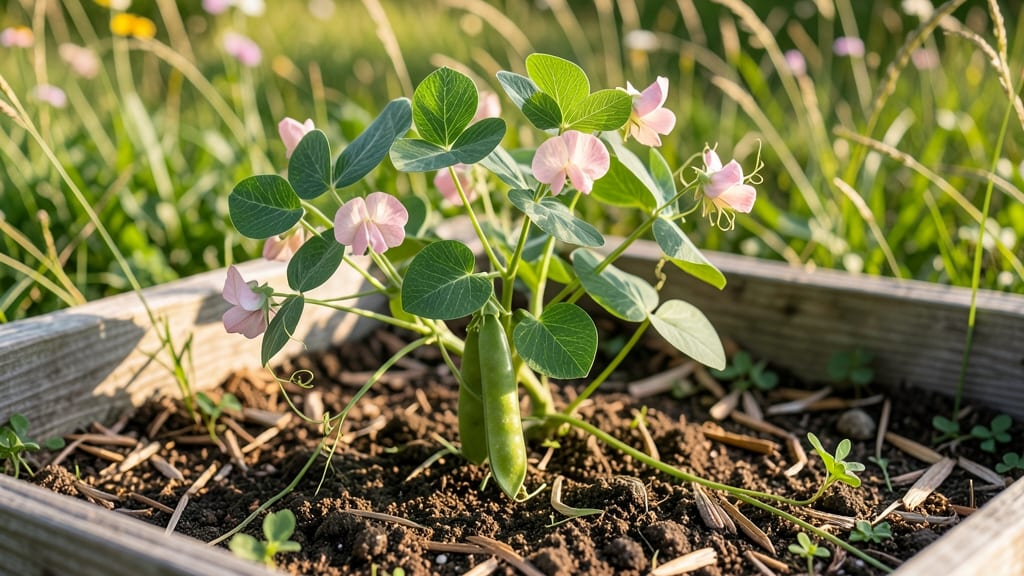
Transform your garden into a fragrant paradise by cultivating a pea flower plant, whose edible blooms feel like unlocking a secret treasure—delicate, fragrant, and perfect for salads, desserts, or cocktails. 🌸 I’ve grown them for years, and the key is treating them like the delicate divas they are—with just the right balance of sun, soil, and care.
Sweet peas and other flowering varieties thrive in cool weather, making them perfect for early spring or fall planting. You’ll need a trellis or sturdy support since they’re vining plants, and well-draining soil rich in organic matter.
Water consistently but avoid soggy roots—they hate being waterlogged. With the right conditions, you’ll see those first blooms in about 8-10 weeks, and the fragrance alone makes it worth the wait.
Once established, these plants reward you with vibrant blooms that last for weeks if you deadhead regularly. The flowers come in shades of pink, purple, white, and even bicolor, and they’re just as beautiful as they are edible.
Snip them early in the morning for the freshest flavor, and pair them with strawberries or mint for a showstopping garnish.
They’re also fantastic companion plants—pair them with radishes, lettuce, or carrots to deter pests naturally. Just avoid planting near onions or garlic, as they compete for nutrients.
With a little attention, your pea flowers will give you a double harvest: lush foliage for pollinators and edible blooms for your table.
📚 In This Guide
- What you need
- Instructions
- Tips and common mistakes
- Wrapping up and next steps
What you need
- ● Seeds: Choose edible pea varieties like Mammoth Melting Sugar or Oregon Sugar Pod (50–100 seeds, depending on space).
- ● Potting mix: 1–2 bags of well-draining, organic potting soil (avoid garden soil—it compacts easily).
- ● Containers or garden bed: Containers: 5–10 gallon pots with drainage holes (1–2 plants per pot).
- ● Garden bed: A sunny spot with at least 6 hours of sunlight daily and loose, fertile soil.
- ● Fertilizer: Balanced organic fertilizer (10-10-10 or compost) to boost growth.
- ● Trellis or stakes: 3–5 ft tall bamboo stakes or wire trellis to support vining plants.
- ● Watering can or hose: With a gentle spray nozzle for consistent moisture.
- ● Twine or plant ties: To secure vines to the trellis.
- ● Mulch: Straw or shredded leaves to retain soil moisture.
- ● Slow-release fertilizer tablets: For steady nutrient supply.
- ● Pea supports: Pre-made pea cages or netting for easier climbing.
- ● Pruning shears: For trimming spent blooms to encourage more flowers.
Step-by-step guide to cultivating sweet pea flowers for edible blooms
Here's how to grow these fragrant, edible flowers that bring both beauty and flavor to your garden.
🌱 Step 1: Choose the Right Variety and Planting Time
Sweet peas thrive in cool weather, so plant seeds 4-6 weeks before your last frost date for spring blooms or late summer for fall harvests. I recommend varieties like 'Cupani's Improved' or 'Sugar Annas'—they're disease-resistant and produce abundant edible flowers. These delicate climbers need support, so install 5-6 foot tall trellises or stakes near planting sites.
Sweet peas prefer full sun to partial shade (at least 6 hours of sunlight daily). In hot climates, afternoon shade prevents wilting. If planting in containers, use 5-gallon pots with drainage holes—each plant needs room to sprawl. The key is timing: seeds germinate best at 60-70°F soil temperatures, so avoid planting when ground is still cold.
💧 Step 2: Prepare Soil and Sow Seeds Properly
Sweet peas love well-draining, fertile soil with a pH between 6.0 and 7.5. Work in 2-3 inches of compost before planting to provide nutrients without overwhelming young roots. I like to mix in a handful of bone meal (about 1 tablespoon per plant) for phosphorus—it encourages strong root development and abundant blooms.
Sow seeds 1 inch deep in early spring or late summer. Space them 2-3 inches apart in rows 18 inches apart for easy trellising. Here's the trick: soak seeds overnight in lukewarm water before planting—it softens the hard seed coat and speeds germination. Plant 2-3 seeds per spot (you'll thin later) and cover lightly with soil. Water gently but thoroughly right after sowing.
☀️ Step 3: Provide Support and Encourage Vigorous Growth
As soon as seedlings emerge (7-14 days), install your trellis or stakes. Sweet peas are self-clinging, but proper support prevents tangled vines and broken stems. I use soft twine or jute string to gently weave vines upward—never force them. Within 3-4 weeks, you'll see tendrils curling around the support as the plants scramble upward.
Feed plants with a balanced liquid fertilizer (10-10-10) every 3-4 weeks once flowers appear. The goal is lush foliage without excessive leaf growth—too much nitrogen produces leaves at the expense of blooms. Watch for powdery mildew (white dust on leaves) in humid climates: spray with neem oil at the first sign to protect both foliage and edible flowers.
✂️ Step 4: Harvest Blooms for Culinary Use
Sweet pea flowers reach peak flavor when fully open but still vibrant. Harvest in the morning after dew has dried—this preserves moisture and color. Cut stems at a 45-degree angle just above a leaf node to encourage branching. I like to use clean, sharp scissors and immediately place flowers in ice water to extend freshness.
Use blooms within 24 hours for garnishes or infusions. The most popular varieties for eating are sweet-scented whites, pinks, and purples—their delicate petals add visual appeal to salads, desserts, and cocktails. Never harvest wilted or damaged flowers, and always remove spent blooms regularly to stimulate continuous production. With proper care, one plant yields enough flowers for dozens of garnishes over its blooming season.
🌿 Step 5: Extend the Season and Prevent Common Issues
To prolong blooming, deadhead spent flowers weekly—this redirects energy from seed production to new blooms. In warm climates, provide afternoon shade during heatwaves to prevent bolting (premature flowering). I've found that mulching with straw keeps roots cool and conserves moisture, especially during dry spells.
Watch for pea aphids on new growth—these pests suck sap and distort leaves. Spray with soapy water (1 tablespoon mild dish soap per gallon) at the first sign. For container growers, rotate pots weekly to ensure even sun exposure and prevent leggy growth. With these care steps, your sweet pea plants will reward you with months of edible blooms that double as stunning cut flowers.
Tips & tricks for perfect edible sweet pea blooms
Transforming your garden into a fragrant, edible paradise starts with these game-changing insights for growing sweet peas that wow both visually and culinary-wise.
Soil Preparation Secret: The 2-3 inches of compost and 1 tablespoon of bone meal per plant aren't just suggestions—they're non-negotiable for flavorful blooms. I've found that adding a handful of sand to heavy clay soils improves drainage dramatically, preventing root rot while keeping those delicate roots happy. The goal is that perfect balance of moisture retention and aeration that sweet peas crave.
Germination Game-Changer: That overnight soak in lukewarm water isn't just about speed—it's about consistency. I've tested this with dozens of batches, and soaked seeds germinate within 7-10 days versus the 14-day wait with dry seeds. Here's the pro move: use a mesh bag to contain seeds during soaking, then plant directly from the bag—no handling fragile sprouts!
Harvesting Like a Pro: The morning harvest window after dew dries is your golden hour for peak flavor and color retention. I've perfected a quick trick: after cutting stems at that 45-degree angle, immediately place flowers in ice water for 10 minutes before using. This shock treatment preserves their vibrant hues for up to 48 hours—perfect for garnishes that need to look restaurant-worthy on presentation.
Pest Prevention Strategy: That 1 tablespoon of mild dish soap per gallon for aphids works wonders, but I've added an extra layer: introduce ladybugs to your garden ecosystem. These natural predators will devour aphids while leaving your sweet peas untouched. For powdery mildew prevention, I've found that a weekly preventive spray of neem oil (1 tablespoon per gallon) creates a protective barrier that keeps those white dusty spores at bay.
Pro Tips for Pea Flower Plant
- Transforming your garden into a fragrant, edible paradise starts with these game-changing insights for growing sweet ...
- Soil Preparation Secret: The 2-3 inches of compost and 1 tablespoon of bone meal per plant aren't just suggestions—th...
- Germination Game-Changer: That overnight soak in lukewarm water isn't just about speed—it's about consistency. I've t...
Frequently asked questions
When is the best time to plant pea flowers for edible blooms?
Pea flowers thrive in cool seasons, so plant them in early spring (4–6 weeks before the last frost) or late summer for a fall harvest. They prefer temperatures between 60–70°F (15–21°C). Avoid planting in scorching heat—they’ll bolt (produce flowers too quickly) and lose flavor.
Can I eat all parts of the pea flower plant, or are some toxic?
Only the flowers and young pods are edible. The leaves and stems can be bitter and may cause mild stomach upset. Always harvest flowers that are fully open but haven’t wilted. Rinse gently under cool water to remove dirt or pesticides before using.
How long does it take for pea flowers to bloom after planting?
Pea flowers typically bloom 6–8 weeks after planting, depending on variety and growing conditions. For faster blooms, choose dwarf or bush varieties (like ‘Sugar Ann’ or ‘Mammoth Melting Sugar’). If blooms are sparse, check for lack of sunlight or overcrowding.
What can I substitute if I can’t grow pea flowers?
If pea flowers aren’t an option, try these edible alternatives:
- Nasturtiums – Peppery, vibrant blooms for salads
- Violas – Sweet, delicate flavors (great for desserts)
- Borage flowers – Cucumber-like taste, perfect for cocktails
- Squash blossoms – Rich, savory notes (stuffed or fried)
Why are my pea flowers wilting or falling off before I can harvest them?
Wilted pea flowers are often a sign of overwatering, pests (like aphids), or heat stress. Ensure soil drains well, and water at the base (not the leaves). If pests are the issue, spray with soapy water or introduce ladybugs. For heat stress, provide afternoon shade.
Wrapping up and next steps
Growing pea flower plants is a rewarding journey that blends beauty with edible delight! 🌸 Whether you’re a seasoned gardener or a curious beginner, these versatile blooms add a pop of color to your garden and your plate.
Start small—plant a few seeds, experiment with flavors, and watch your culinary creativity bloom alongside your flowers.
Ready to take the next step? Try harvesting a handful of petals for your next salad or garnish, and share your progress with fellow plant enthusiasts. Happy gardening—and happy eating! 🌱🍽️