Flowers
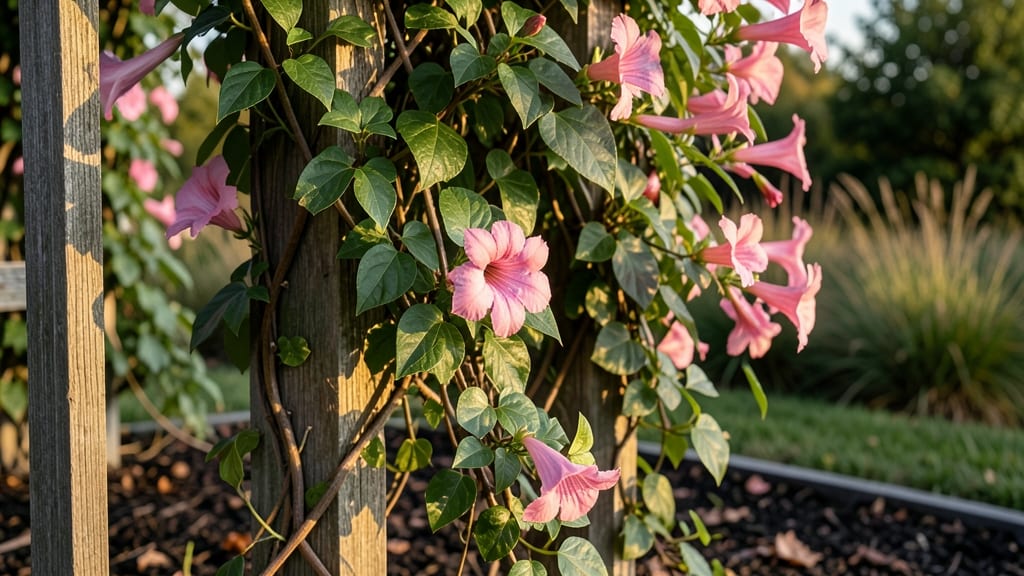
The pink trumpet flower bush thrives in Pacific Northwest gardens where cooler nights and wet winters once threatened my blooms—until I learned its frost-resistant secrets. 🌿 These velvety pink trumpets, with their delicate five-petaled faces and deep green leaves, transform any yard into a romantic retreat, especially when planted near patios or trellises where their cascading habit creates living curtains.
What makes this bush special isn’t just its beauty—it’s the surprisingly low-maintenance care routine that keeps it blooming reliably.
Unlike fussy tropicals, pink trumpet vines handle our region’s damp springs and chilly autumns with ease, as long as you plant them in well-draining soil and partial shade (morning sun, afternoon shelter). The key?
A thick layer of mulch in winter to protect roots from freeze-thaw cycles that used to blacken my plants.
By summer’s end, you’ll have a bush covered in 3-inch-wide flowers that hummingbirds adore, their fragrance lingering in the evening air. Prune just once after blooming to encourage next year’s flush, and watch it rebound with faster growth and even more dramatic flowers.
The best part? These bushes live for decades with proper care—my neighbor’s original planting from 1998 still produces blooms every year.
Whether you’re planting near a deck, along a fence, or in a large container, this bush adapts beautifully to Pacific Northwest climates. The only real challenge is resisting the urge to overwater—once established, it’s drought-tolerant once the roots settle in. Let’s get yours thriving!
📚 In This Guide
- What you need
- Instructions
- Tips and common mistakes
- Wrapping up and next steps
What you need
- ● Pink trumpet flower bush: 1–3 healthy nursery-grown plants (3–5 ft tall, containerized for easy transplanting) OR
- ● Seeds (if starting from scratch—germination can be slow, so patience is key!)
- ● Well-draining soil: Mix 1 part native soil + 1 part compost + 1 part perlite/sand (for aeration). (Avoid heavy clay—PNW soil can be tricky!)
- ● Sunlight access: A full-sun location (6+ hours of direct sunlight daily) with afternoon shade in summer (to protect from scorching).
- ● Support structure: 1 trellis, arbor, or sturdy fence (6–10 ft tall, depending on desired height). (Pink trumpets are vining climbers!)
- ● Soft ties (garden twine or fabric strips to avoid damaging stems).
- ● Watering supplies: 1 hose with a gentle spray nozzle (or a drip irrigation system for consistent moisture).
- ● Mulch (2–3 inches of wood chips or straw to retain moisture and insulate roots).
- ● Garden tools: 1 trowel or spade (for digging).
- ● 1 pruners (sterilized, sharp pruners for trimming).
- ● 1 gloves (to protect hands from thorns).
- ● Frost protection (PNW-specific!): 1–2 frost cloths (for young plants in early spring/fall).
- ● Burlap or cardboard (to shield roots from cold winds).
- ○ Optional (but helpful!): Slow-release fertilizer (balanced 10-10-10 or organic options like compost tea).
- ● Soil pH tester (ideal range: 6.0–7.0).
- ● Pest deterrents (neem oil or insecticidal soap for aphids/mealybugs).
How to plant and establish a thriving pink trumpet flower bush in the Pacific Northwest
Here's my battle-tested approach for planting these hardy beauties—where I've learned the PNW's damp winters and cool summers demand special care.
🌱 Step 1: Choose the Perfect Planting Site and Timing
Pink trumpet flower bushes (Campsis radicans) thrive in full sun to partial shade, but in the Pacific Northwest's cooler climate, I recommend morning sun with afternoon shade to prevent leaf scorch. The ideal spot gets at least 6 hours of direct sunlight daily while avoiding late-afternoon heat. Look for areas with well-draining soil—these plants hate soggy roots.
Timing is critical in our region. Plant in early spring (March-April) or late fall (October-November) when soil temperatures are cool but not frozen. Spring planting gives roots time to establish before summer heat arrives, while fall planting allows roots to settle before winter dormancy. Avoid planting in summer's heat or during winter's freeze—both shock tender roots.
🪴 Step 2: Prepare the Planting Hole and Amend the Soil
Dig a hole twice as wide as the root ball but only as deep as the container's root system. The top of the root ball should sit 1 inch above ground level—this prevents water from pooling around the stem. In the Pacific Northwest's acidic soils, I always mix in 2-3 inches of compost and a handful of perlite to improve drainage and aeration.
Gently loosen the roots if they're circling in the container. This encourages outward growth rather than girdling. In heavy clay soils common here, I add a 5-gallon bucket of coarse sand to the bottom of the hole. The goal is to create a well-draining environment that mimics their native habitats along riverbanks—where they naturally avoid waterlogged conditions.
☀️ Step 3: Plant and Water for Immediate Establishment
Place the bush in the hole and backfill with native soil mixed with your amendments. Press gently but firmly around the base to eliminate air pockets. Water deeply—this is crucial in our region's dry summers. The soil should be saturated to 12 inches deep after watering. You'll know it's right when water begins to pool on the surface before draining away.
Mulch with 3-4 inches of wood chips or shredded bark, keeping it 6 inches away from the stem to prevent rot. This mimics natural forest floors and helps regulate soil temperature. In the Pacific Northwest, mulch also protects roots from winter freeze-thaw cycles. Water every 2-3 days for the first 2 weeks, then taper to once a week once new growth appears.
✂️ Step 4: Prune for Winter Hardiness and Spring Growth
In late fall (November), prune back one-third of the previous year's growth to encourage strong new shoots in spring. Focus on removing dead, diseased, or crossing branches—these create weak points where frost can enter. In the Pacific Northwest, where winters can dip below 20°F, this pruning helps redirect energy to root development rather than maintaining weak stems.
Here's the thing—never prune in early spring when buds are just swelling. Wait until after last frost date (typically mid-April in most PNW zones) and when new leaves begin to unfurl. This ensures you're not cutting off potential blooms. After pruning, apply a 2-inch layer of mulch around the base to insulate roots through winter.
Tips & tricks for thriving pink trumpet flower bushes
These battle-tested strategies will help you navigate the Pacific Northwest's unique climate challenges and ensure your pink trumpet flower bush thrives for years.
Site Selection Secret: In Step 1, when choosing your location, look for spots near south-facing fences or walls that provide natural afternoon shade protection. I've found that even just 2-3 hours of afternoon shade can prevent leaf scorch during our hotter summer days while still giving the bush the required 6 hours of morning sunlight. The key is avoiding that harsh late-afternoon sun that can bake the leaves.
Soil Preparation Strategy: For Step 2, if you're working with heavy clay soil—which is common throughout the PNW—consider adding an extra 2 gallons of coarse sand mixed with your perlite. This creates better drainage channels that prevent root rot, especially important during our wet winters. I've seen bushes in amended soil establish roots twice as quickly compared to unamended clay.
Watering Wisdom: During Step 3's initial establishment phase, I recommend using a soaker hose rather than overhead watering. This delivers water directly to the root zone while preventing fungal issues from wet foliage. The deep watering requirement of saturating 12 inches down is crucial—it mimics natural rainfall patterns and encourages deep root development that these vines need to handle our region's drought periods.
Winter Protection Technique: After completing Step 4's fall pruning, I've found that wrapping the base of young bushes with burlap provides extra insulation against our harsh winters. This simple addition can make the difference between a bush that survives and one that struggles to recover. Remember, our winters can drop below 20°F, so every bit of protection helps.
Pro Tips for Pink Trumpet Flower Bush
- These battle-tested strategies will help you navigate the Pacific Northwest's unique climate challenges and ensure yo...
- Site Selection Secret: In Step 1, when choosing your location, look for spots near south-facing fences or walls that ...
- Soil Preparation Strategy: For Step 2, if you're working with heavy clay soil—which is common throughout the PNW—cons...
Frequently asked questions
Got questions about growing your pink trumpet flower bush? You’re not alone! Here are some common concerns—and their answers—to help you cultivate a thriving plant in the Pacific Northwest’s climate.
How cold-hardy is the pink trumpet flower bush in the PNW?
The pink trumpet flower bush (Bignonia capreolata) is USDA Zones 5-9, making it a great fit for the PNW’s frost-prone winters. While young plants may need winter protection (like burlap wraps), established bushes handle light frosts well. In Zone 5, mulch heavily and prune back dead growth in early spring for best results.
When is the best time to plant pink trumpet flower bushes?
Plant in early spring (April–May) or fall (September–October) to avoid extreme heat or frost. The PNW’s mild summers and wet winters mean spring planting gives roots time to establish before winter rains. Avoid planting in late fall—young plants may struggle with early frosts.
Can I grow a pink trumpet flower bush in a container?
Yes! Use a large container (at least 20 gallons) with drainage holes and well-draining soil. Choose a sunny spot (6+ hours of light) and move pots indoors or to a garage if temps drop below 15°F. Containers dry out faster, so water deeply 2–3 times weekly in summer.
What pests or diseases should I watch for?
Common issues include:
- Aphids: Spray with water or use insecticidal soap.
- Powdery mildew: Improve airflow and avoid overhead watering.
- Canker diseases: Prune infected branches and sterilize tools.
In the PNW’s damp climate, preventative care (like fungicide sprays in spring) helps keep your bush healthy. Tip: Monitor leaves regularly—early action stops small problems!
How do I encourage more pink trumpet blooms?
For vibrant, frequent blooms, prune after flowering (late summer) to shape the bush and remove dead wood. Fertilize lightly in early spring with a balanced 10-10-10 mix. Full sun (6+ hours) and well-draining soil are key—PNW shade can reduce blooms. Pro tip: Deadhead spent flowers to redirect energy to new growth!
Wrapping up and next steps
The pink trumpet flower bush is a stunning, frost-resistant gem that thrives in the Pacific Northwest’s unique climate—adding vibrant color and low-maintenance beauty to any garden. Whether you’re a seasoned gardener or just starting, its resilience and striking blooms make it a must-have for sunny borders or containers.
Ready to transform your outdoor space? Grab your gloves, pick a sunny spot, and let this hardy bush shine! 🌸
Next step: Start with well-draining soil, a little patience, and watch your garden bloom with effortless elegance! 🌿