Flowers
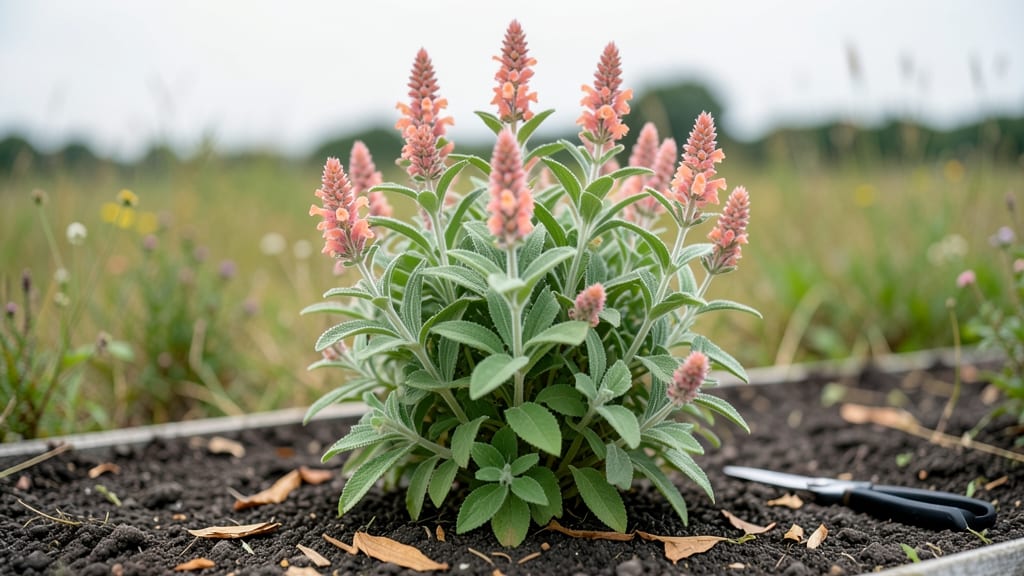
Salmon-colored flowers bring the sunset to your garden—soft, warm, and impossible to ignore. 🌸 These blooms aren’t just pretty; they’re pollinator magnets that keep bees and butterflies buzzing from spring through fall. I’ve designed entire borders around them, and the results are always shockingly lush.
The beauty of salmon flowers lies in their versatility. Pair them with deep purples like lavender or dusty blues like agapanthus for a cottage-core dream, or contrast them with crisp white snapdragons for a modern, airy look.
Dahlias and roses in salmon hues bloom from summer through frost, while annuals like zinnia and cosmos extend the season even longer.
You’ll end up with a garden that feels like a living watercolor—soft enough to relax in, vibrant enough to draw the eye. The scent alone (especially from peonies or roses) will make you linger in your own yard longer than ever. Let’s bring that warmth to your space.
Works in full sun or partial shade, in borders, containers, or as standalone specimens. The key is repetition—plant them in drifts of three or more for maximum impact. Ready to transform your garden into a pollinator paradise?
📚 In This Guide
- What you need
- Instructions
- Tips and common mistakes
- Wrapping up and next steps
What you need
- ● Salmon-colored flowering plants: Choose from salvia, cosmos, zinnias, snapdragons, or rudbeckias (3–6 plants per variety for optimal pollinator appeal). Opt for native varieties when possible!
- ● Well-draining potting mix or garden soil: 5–10 gallons (for containers) or amend clay soil with compost (2–3 inches) for in-ground planting.
- ● Organic fertilizer: A balanced 10-10-10 or fish emulsion (2-4-2) to boost growth. Use sparingly—over-fertilizing can harm pollinators!
- ● Mulch: Straw or wood chips (2–3 inches) to retain moisture and suppress weeds.
- ● Garden trowel or hand shovel (for transplanting)
- ● Watering can or hose with a gentle spray nozzle (avoid blasting flowers)
- ● Pruning shears (for deadheading and shaping)
- ○ Gloves (optional but recommended for thorny plants like roses)
- ● Measuring tape or ruler (to space plants 12–24 inches apart, depending on variety)
- ● Pollinator-friendly companion plants: Add lavender, bee balm, or sunflowers to extend the bloom season.
- ● Decorative stakes or trellises (for climbing varieties like morning glories)
- ● Slow-release fertilizer tablets (for container gardens)
- ● Rain gauge or moisture meter (to track watering needs)
How to create a pollinator-friendly garden with salmon-colored blooms
Here's how to design a vibrant, bee-friendly garden that thrives all year.
🌱 Step 1: Choose the Right Salmon-Colored Varieties
Start with plants that naturally attract pollinators and bloom in warm peach or coral hues. My go-to choices include salmon cosmos (tough annuals that self-seed), salmon bee balm (a native magnet for hummingbirds), and salmon penstemon (drought-tolerant once established). These varieties offer continuous blooms from early summer through fall.
For year-round interest, pair them with salmon-colored daylilies (which rebloom in late summer) and salmon cleome (spiky, fragrant flowers that thrive in heat). I always check the bloom times on seed packets—some varieties like salmon snapdragons only last 6-8 weeks, so I plant extra seeds every 3 weeks for continuous color.
☀️ Step 2: Site Selection and Sunlight Requirements
Most salmon-colored pollinator plants need 6-8 hours of full sun daily for best flowering. Scout your garden in late afternoon when shadows are longest—mark spots that get at least 6 hours of direct sunlight. I avoid shady corners because salmon flowers pale dramatically without enough light, losing their vibrant appeal.
If your space has partial shade, opt for salmon-colored asters or salmon impatiens, which tolerate lighter conditions. Just remember: the more sun, the more blooms you'll get. I always plant taller varieties like salmon hollyhocks at the back of borders, where they won't shade out shorter pollinators like bees and butterflies.
💧 Step 3: Soil Preparation for Healthy Roots
Salmon-colored flowers thrive in well-draining soil with a slightly acidic to neutral pH (6.0-7.0). Before planting, mix 2-3 inches of compost into the top 12 inches of soil—this improves drainage while providing nutrients. I test my soil first with a simple kit because some native pollinator plants (like salmon-colored milkweed) actually prefer slightly alkaline conditions.
For container plantings, use a lightweight potting mix with added perlite to prevent soggy roots. Water deeply after planting to settle the soil around roots, but avoid waterlogging—salmon-colored blooms like cosmos and bee balm often rot if their roots stay too wet. You'll know moisture is right when the soil feels like a damp sponge, not a dripping wet rag.
🪴 Step 4: Planting and Spacing for Pollinator Access
Space plants according to their mature size—crowding reduces airflow and invites fungal diseases. I plant salmon-colored zinnias 12 inches apart in rows, while salmon bee balm gets 18-24 inches of space to spread. Cluster similar varieties together to create visual impact and make it easier for pollinators to find nectar.
Dig holes just deep enough to accommodate roots without bending stems. Water each plant thoroughly after setting it in the ground—this helps eliminate air pockets in the soil. I always add a handful of slow-release fertilizer to the planting hole for a nutrient boost, especially for heavy bloomers like salmon-colored dahlias.
✂️ Step 5: Maintenance for Continuous Blooms
Deadhead faded flowers regularly to encourage more blooms—just pinch off spent blooms with your fingers or snip with clean scissors. I make this a weekly habit because salmon-colored cosmos and bee balm will self-seed aggressively if you let them go to seed. This keeps the garden looking tidy while extending the blooming season.
Water deeply 1-2 times per week during dry spells, aiming for 1 inch of water total. You'll know your plants are getting enough moisture when the soil feels dry only at the very surface—never let it get bone-dry. Mulch with 2-3 inches of organic mulch to retain moisture and suppress weeds, which compete for nutrients.
Tips & tricks for perfect salmon-colored blooms
Here's what nobody tells you about keeping your pollinator garden vibrant and buzzing with life.
Sunlight Secret: The 6-8 hours of full sun mentioned in Step 2 is non-negotiable for most salmon-colored varieties. I've learned this the hard way—shady spots make those gorgeous peach and coral blooms pale to a sad, washed-out pink. If you notice your flowers losing their vibrancy, move them to a sunnier location or supplement with grow lights for 4-6 hours daily. Morning sun is especially valuable as it prevents heat stress during peak afternoon hours.
Soil Savvy: That 2-3 inches of compost in Step 3 isn't just for nutrients—it's also about texture. I've found that adding perlite or coarse sand to your compost mix creates the perfect drainage while maintaining moisture. For container plantings, I swear by a 60-30-10 mix of potting soil, perlite, and compost. This prevents the soggy roots that plague so many gardeners with these moisture-sensitive blooms.
Pollinator Placement: The spacing in Step 4 isn't just about aesthetics—it's a pollinator highway. I arrange my plants in concentric circles with the tallest varieties (like hollyhocks) in the center, medium-height (like bee balm) in the middle ring, and low-growing (like zinnias) in the outer ring. This creates landing platforms for bees and butterflies at different heights, making your garden a true pollinator paradise. I've watched hummingbirds use this setup like an aerial obstacle course!
Deadheading Discipline: That weekly deadheading in Step 5 is your secret weapon for non-stop blooms. I've timed myself—it takes me about 10 minutes to deadhead all the spent blooms in my 50-square-foot garden. Use clean scissors or your fingers to pinch off just above a leaf node. This simple act can extend your blooming season by 4-6 weeks, especially for varieties like cosmos and bee balm that respond dramatically to this technique.
Pro Tips for Salmon Colored Flowers
- Here's what nobody tells you about keeping your pollinator garden vibrant and buzzing with life.
- Sunlight Secret: The 6-8 hours of full sun mentioned in Step 2 is non-negotiable for most salmon-colored varieties. I...
- Soil Savvy: That 2-3 inches of compost in Step 3 isn't just for nutrients—it's also about texture. I've found that ad...
Frequently asked questions
Got questions about salmon-colored flowers?
You’re not alone! Here are answers to the most common queries to help you grow and enjoy these vibrant blooms with confidence.
What are the best salmon-colored flowers for pollinators?
Top pollinator favorites include Salvia ‘May Night,’ Zinnia ‘Profusion Salmon Queen,’ and Cosmos ‘Bright Lights.’ These varieties are rich in nectar and attract bees, butterflies, and hummingbirds year-round. For low-maintenance options, try Gaillardia (blanket flower) or Lantana—both thrive in heat and drought.
When is the best time to plant salmon-colored flowers?
Timing depends on your climate! In cool regions, plant annuals after the last frost (spring) and perennials in early spring or fall. In warm zones, sow seeds in late winter or fall for winter blooms. For container gardening, you can plant anytime—just ensure well-draining soil and consistent moisture.
How do I keep salmon flowers blooming all season?
Deadhead spent blooms regularly to encourage new growth. Feed lightly with a balanced fertilizer (10-10-10) every 4–6 weeks, and mulch to retain moisture. For perennials like Salvia, prune back by ⅓ in early spring. Overwatering can cause root rot, so let soil dry slightly between waterings—especially in containers.
Can I mix salmon flowers with other colors for a striking garden?
Salmon pairs beautifully with complementary colors like deep purple (Salvia ‘May Night’ + Verbena ‘Imperial Violet’) or crisp white (Zinnia ‘Crystal’). For contrast, try cool tones like blue or teal. Avoid clashing bright reds/oranges unless you want a tropical vibe. Group odd-numbered plants (3, 5, or 7) for natural, balanced looks.
Why aren’t bees visiting my salmon flowers?
Check these fixes: 1) Ensure flowers are fully open (bees prefer accessible nectar). 2) Avoid pesticides—even natural sprays can repel pollinators. 3) Plant in clusters (3+ plants) to create a "beacon." 4) Add water sources nearby (a shallow dish with rocks). If blooms are sparse, fertilize lightly with phosphorus-rich food to boost flowering.
Wrapping up and next steps
Salmon-colored flowers aren’t just a feast for the eyes—they’re a powerhouse for pollinators, adding vibrancy to your garden while supporting local ecosystems. From easy-care Salvia to bold Dahlias, these blooms prove that beauty and function go hand in hand.
Whether you’re a seasoned gardener or just starting, planting these pollinator magnets is a simple yet impactful way to make your outdoor space thrive.
Ready to transform your garden? Start small—pick one or two salmon varieties, gather your supplies, and dive in! 🌸 With a little love and patience, you’ll soon be rewarded with a year-round burst of color that bees, butterflies, and hummingbirds will adore.