Shrubs
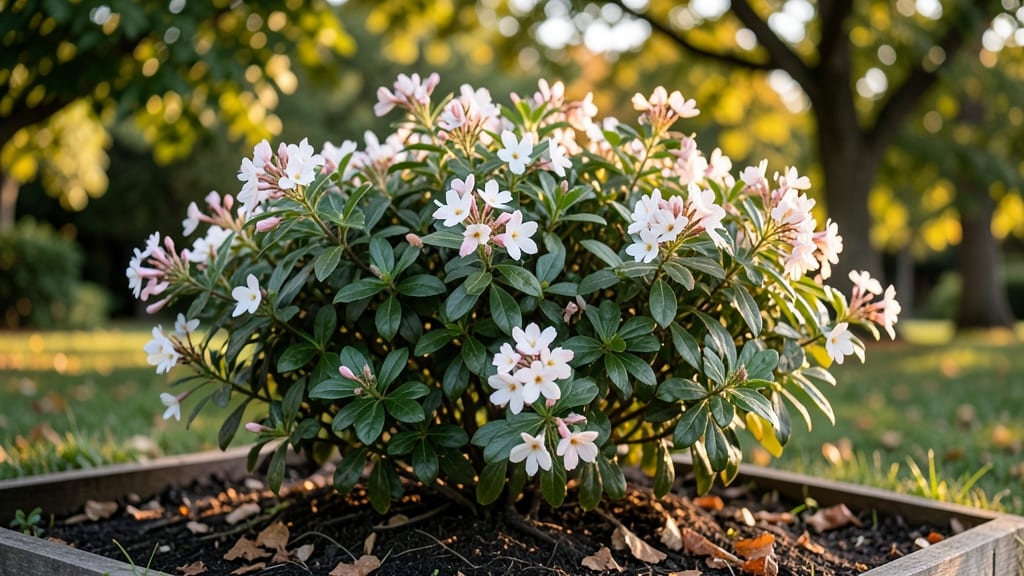
Frost-hardy bushes that bloom from winter to fall are the Pacific Northwest’s secret weapon for year-round flowering bushes—they turn gray days into vibrant color shows without extra work. 🌸 I’ve tested varieties that handle our damp, chilly winters and still burst into color when most gardens are dormant.
The key is choosing plants that layer blooms, like early spring camellias followed by summer hydrangeas, then fall asters, with evergreen foliage holding it all together.
My top picks thrive with minimal fuss: Camellia sasanqua for winter blooms, Pieris japonica for spring, and Weigela florida for summer, all paired with Abelia x grandiflora for late-season color. These bushes handle our 6-8 inches of winter rain and still produce flowers—no coddling required.
The real magic happens when you mix textures: glossy camellia leaves with fuzzy weigela blooms create visual contrast that keeps eyes moving through the garden.
Place them where they’ll anchor your design: Camellias near entryways for winter welcome, Pieris under trees for spring shade, and Weigela along fences for summer height. The combination creates a living tapestry that changes with the seasons while keeping maintenance simple.
You’ll get curb appeal that never fades, even when neighbors’ gardens go dormant.
For low-maintenance results, stick to 3-4 varieties in your design—any more and you’ll spend more time pruning than admiring. Most do best with one annual pruning in late winter, and their natural shape means you won’t need to fuss with shears often.
The payoff? A garden that looks intentional year after year, with color even when other plants are resting.
📚 In This Guide
- What you need
- Instructions
- Tips and common mistakes
- Wrapping up and next steps
What you need
- ● Year-round flowering bushes: Choose from frost-hardy varieties like Pieris japonica, Camellia sasanqua, Abelia, or Daphne odora. Quantity: 3–5 plants (depending on desired coverage).
- ● High-quality potting soil: 10–15 gallons (well-draining, organic blend for shrubs).
- ● Organic mulch: 2–3 cubic feet (cedar or pine bark to retain moisture and regulate soil temp).
- ● Slow-release fertilizer: 1–2 lbs (10-10-10 or balanced NPK for shrubs).
- ● Pruning shears: 1 pair (bypass blades, sharp and sanitized).
- ● Garden gloves: 1 pair (nitrile-coated for durability).
- ● Garden trowel: 1 (for transplanting or amending soil).
- ● Wheelbarrow: 1 (for hauling soil/mulch).
- ● Watering can or hose with nozzle: 1 (gentle spray for new plants).
- ○ Soil pH test kit: 1 (optional but helpful—PNW soil is often acidic!).
- ○ Epsom salt: 1 lb (optional, for magnesium boost in clay-heavy soil).
- ○ Decorative rocks or edging: Optional (for a polished look around plant bases).
Step-by-Step guide to selecting and planting year-round flowering shrubs
These frost-resistant beauties thrive in Pacific Northwest winters—here's how to plant them for maximum impact.
🌱 Step 1: Choose the Right Frost-Hardy Varieties
Focus on native or hybridized shrubs rated for USDA Zones 6-8, which handle PNW winters well. Camellias, rhododendrons, and pieris deliver four-season interest—camellias bloom winter to spring, while rhododendrons shine in late spring. I always select evergreen varieties for winter structure, like Rhododendron 'Catawbiense' or Pieris japonica 'Little Heath'—they keep foliage year-round.
Check your microclimate—sheltered spots stay 5-10°F warmer than exposed areas. If your yard gets frost pockets, opt for extra-hardy types like Viburnum bodnantense (winter daphne) or Weigela florida, which tolerate 10°F dips without leaf scorch. Plant labels specify cold tolerance—never guess.
🪴 Step 2: Prepare the Planting Site for Winter Resilience
Dig holes twice as wide as the root ball but only as deep—never deeper than the container's base. Amend the native soil with 3 inches of organic matter (like composted leaf mold) to improve drainage, which prevents root rot in winter's heavy rains. The PNW's acidic soil suits most flowering shrubs, but test your soil—if pH is above 6.0, add elemental sulfur to bring it down to 5.0-5.5 for optimal growth.
Site shrubs where they get morning sun and afternoon shade—this prevents winter sunburn on evergreen leaves. Mulch heavily with 4-6 inches of wood chips, keeping it 6 inches away from stems to avoid moisture buildup. This mulch blanket insulates roots through freeze-thaw cycles and retains moisture during winter's dry spells.
☀️ Step 3: Plant and Water for Winter Establishment
Place the shrub so the top of the root ball sits 1 inch above ground level—this prevents soil compaction from settling over time. Backfill with native soil mixed with 1 part compost, tamping gently to remove air pockets. Water deeply until moisture reaches 12 inches down—this encourages roots to grow downward, not just outward, which makes them cold-hardier.
After planting, water every 3-4 days for 4 weeks to help roots establish before winter sets in. You'll know you've watered enough when soil 6 inches down stays moist but not soggy. Avoid overhead watering in winter—wet foliage freezes, causing leaf damage or fungal issues. Instead, use a soaker hose at the base.
✂️ Step 4: Prune Strategically for Winter Bloom
Prune immediately after flowering (late spring for summer bloomers, late summer for spring bloomers) to avoid cutting off next year's buds. For spring-flowering shrubs like rhododendrons, prune right after blooms fade—this ensures you don't remove next year's flower buds, which form in late summer. Use clean, sharp shears and make cuts at a 45-degree angle just above a bud or branch collar.
Thin out 1/3 of the oldest stems annually to encourage new growth and improve airflow, which reduces winter mold risks. For camellias, prune lightly in late winter (February) to shape the plant—never cut into old wood, as it won't regrow. After pruning, apply a balanced fertilizer (10-10-10) in early spring to fuel new growth before winter dormancy.
Tips & tricks for perfect year-round flowering bushes
Planting these frost-hardy beauties takes more than just digging a hole—here's how to give them the best start for four-season color.
Microclimate Matters: The 5-10°F warmer temperatures in sheltered spots can make all the difference. If your yard has frost pockets, prioritize Viburnum bodnantense or Weigela florida—they handle 10°F dips without browning. I always check my yard's sun patterns before planting; the afternoon shade in Step 2 becomes crucial when winter sun hits frozen leaves.
Soil Science: That 3 inches of organic matter isn't just for show—it's your insurance against winter's heavy rains causing root rot. For the PNW's naturally acidic soil, grab a pH test kit before planting. If your soil reads above 6.0, add elemental sulfur to reach 5.0-5.5—this acidity range is what keeps rhododendrons and camellias thriving through winter.
Watering Wisdom: When you're watering every 3-4 days for those first 4 weeks, focus on deep saturation—12 inches down is your target. I use a soil probe to check moisture; if it's dry at 6 inches, you're not watering deeply enough. The soaker hose recommendation in Step 3 is gold—it delivers water right to the roots without wetting foliage that could freeze.
Pruning Precision: That 45-degree angle when pruning isn't just aesthetic—it prevents water from pooling on cuts, which could lead to disease. For camellias, I mark my February pruning spots with a pencil before cutting; this helps me visualize where the new growth will emerge. And remember: never cut into old wood—camellias won't regrow from those cuts.
Pro Tips for Year Round Flowering Bushes
- Planting these frost-hardy beauties takes more than just digging a hole—here's how to give them the best start for fo...
- Microclimate Matters: The 5-10°F warmer temperatures in sheltered spots can make all the difference. If your yard has...
- Soil Science: That 3 inches of organic matter isn't just for show—it's your insurance against winter's heavy rains ca...
Frequently asked questions
Which year-round flowering bushes thrive in the Pacific Northwest’s wet winters?
Look for frost-hardy varieties like Pieris japonica (Andromeda), Camellia sasanqua, or Abelia. These handle rain and temps down to 10°F (-12°C) while still blooming. Just ensure they’re planted in well-draining soil to avoid root rot from winter moisture.
Do these bushes need special care during winter?
Most don’t! Mulch around the base (2–3 inches) to insulate roots, and prune lightly in late winter to encourage new growth. Avoid heavy pruning in fall—it can stress the plant before winter. Camellias may need winter protection in harsh freezes (like burlap wraps), but most PNW natives are tough!
Can I mix year-round bloomers with seasonal plants for a nonstop show?
Pair frost-hardy bushes like Viburnum bodnantense (winter blooms) with spring bulbs (daffodils) and summer perennials (coneflowers). This creates a layered effect: bushes provide structure, while seasonal plants fill gaps. Just space them so taller bushes don’t shade smaller flowers.
Why aren’t my year-round bushes flowering as expected?
Common culprits: over-fertilizing (too much nitrogen = leafy growth, not flowers), poor sunlight (most need 6+ hours/day), or stress from transplant shock. Try a balanced low-nitrogen fertilizer in early spring, and check for pests like spider mites (they sap energy needed for blooms).
Are there low-maintenance year-round options for busy gardeners?
Yes! Dwarf gardenias, Abelia ‘Kaleidoscope’, and Weigela are top picks—they’re drought-tolerant once established, disease-resistant, and bloom with minimal fuss. Just water deeply during the first year to help roots settle, then let them thrive on their own.
Still stumped? Drop your specific bush type or zone in the comments—we’re happy to help troubleshoot!
Wrapping up and next steps
Transforming your Pacific Northwest garden into a year-round floral paradise is easier than you think! These frost-hardy bushes bring color, life, and joy to every season—whether you're a seasoned gardener or just starting. 🌸
Ready to take the next step? Pick one (or two!) of these showstoppers, grab your gardening gloves, and start planting. Your future self—and your neighborhood—will thank you!