Pruning
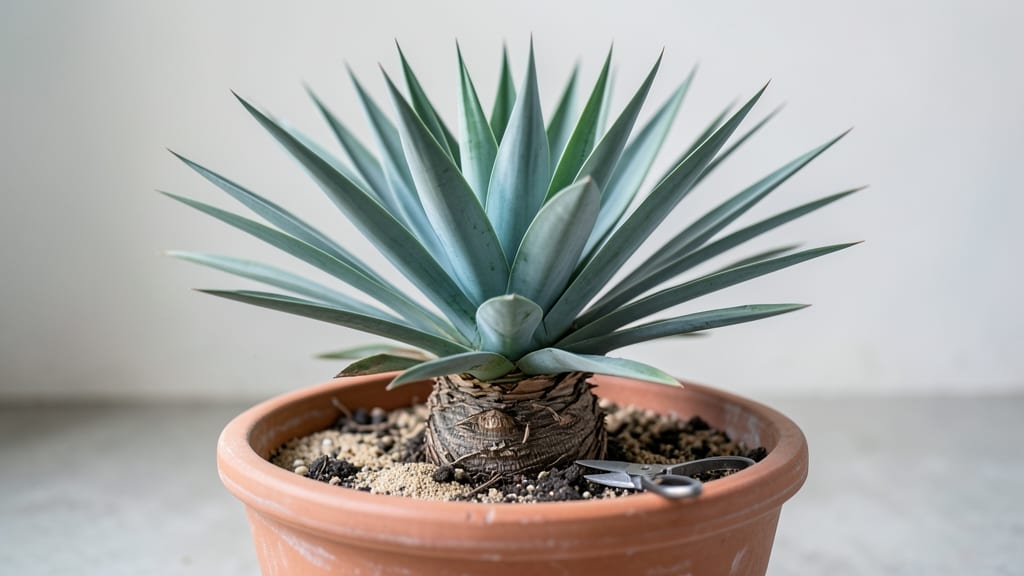
The yucca tree flower transforms your landscape into a striking centerpiece when timed and pruned correctly. I’ve learned that waiting until after the blooms fade—typically in late summer or early fall—preserves the plant’s energy for next year’s spectacular display.
The key lies in understanding the plant’s natural cycle: cutting too early removes potential seed pods that could feed new growth, while waiting too long risks leaving dead flower stalks that detract from the plant’s clean silhouette.
You’ll need just a few simple tools: sharp pruners, rubbing alcohol for sterilization, and a pair of gloves to protect against the plant’s sharp edges.
The technique itself is straightforward—cut the flower stalk about 6 inches below the base—but the timing ensures the yucca redirects its resources into stronger roots and foliage. This small adjustment can mean the difference between sparse blooms and a lush, vibrant display the following season.
What you’ll achieve is a yucca that looks healthier, grows more vigorously, and produces even more dramatic flowers next time. The regrowth appears within 4-6 weeks, marked by fresh, deep green leaves and a sturdy stem ready for another round of blooms.
For desert climates, this method also helps the plant conserve water during dry spells.
This approach works year-round in warm climates, but in colder regions, wait until spring to prune—just as new growth begins. The same principles apply whether you’re dealing with a mature yucca or a younger plant still establishing itself.
With this method, you’ll turn pruning from a chore into a way to guarantee future beauty.
📚 In This Guide
- What you need
- Instructions
- Tips and common mistakes
- Wrapping up and next steps
What you need
- ● Pruning shears or secateurs – Sharp, clean, and bypass-style (for clean cuts). Size: 6-8 inches for precision.
- ● Loppers – For thicker stems (½ inch or larger). Size: 18-24 inches for reach.
- ● Hand pruners – For delicate trimming of small branches or dead blooms. Size: 4-6 inches.
- ● Disposable gloves – Nitrile or leather (to protect from sap and thorns). Quantity: 1 pair.
- ● Rubbing alcohol (70% or higher) – For sterilizing tools. Quantity: Small bottle (4 oz).
- ○ Pruning saw (optional) – For very thick, woody stems. Type: Curved blade for smooth cuts.
- ● Hose or water source – For rinsing tools and cleaning sap.
- ● Sealing wax or pruning sealant – For large cuts (¼ inch or wider) to prevent disease.
- ● Sharpener or sandpaper – To maintain tool edges between uses.
- ● Disposable pruning bags – For collecting debris.
- ● Safety glasses – If working near your face or eyes.
Step-by-Step guide to pruning yucca tree flowers
Here's how to refresh your yucca's appearance while encouraging vibrant new growth.
Identify the Right Time to Prune
Wait until the flower stalk has fully completed its blooming cycle and turned brown or dried out completely. This usually happens in late spring or early summer, after the last flower has faded. You'll notice the stalk looking crispy and brittle to the touch—this is your clear signal it's ready for removal.
Never prune while flowers are still open or in bud stage. Cutting too early can shock the plant and reduce next year's blooms. I always wait until the entire stalk has browned and dropped its last petals before making a cut.
Gather Your Tools and Prepare
Use only clean, sharp pruning shears or a small handsaw for thicker stalks. Sterilize your tools with rubbing alcohol to prevent introducing diseases to fresh cuts. I keep a small spray bottle of diluted bleach solution (1 part bleach to 9 parts water) handy for quick tool disinfection between cuts.
Wear gardening gloves to protect your hands from the plant's sharp edges. The yucca's dried flower stalks can be surprisingly abrasive. Work on a dry day when the plant isn't wet—this helps prevent fungal infections at the cut site.
Make the Proper Cut for Healthy Regrowth
Locate the point where the flower stalk meets the main trunk or branch. This is typically about 1/4 inch above a leaf node or growth point. Make your cut at a 45-degree angle to create a larger surface area for faster healing. The cut should be clean and smooth, not jagged.
Remove the entire stalk down to this junction point. Never leave any stubs—these can collect moisture and rot. For particularly thick stalks, I make two cuts: first to weaken the stalk, then a final clean cut at the base. The plant will redirect its energy to new growth from the remaining healthy tissue.
Clean Up and Stimulate New Growth
After pruning, remove all plant debris from the area around your yucca. This prevents pests and diseases from taking hold. I use a small hand broom to sweep up fallen petals and cut stalks, then dispose of them in the trash—not the compost bin—to avoid spreading potential pathogens.
Give your yucca a light application of balanced fertilizer (10-10-10) after pruning to encourage new growth. Water deeply but don't soak the plant—yuccas prefer their roots to dry out between waterings. You should see new growth emerging from the center within 4-6 weeks if conditions are right.
Tips & tricks for pruning yucca tree flowers
Here's what I've learned after pruning dozens of yuccas—these little details make all the difference for healthy regrowth.
Timing is Everything: I can't stress enough how critical the timing is in Step 1. That crispy, brittle feel is your golden ticket—it means the plant has fully completed its blooming cycle and won't be shocked by removal. I've seen yuccas bloom again the very next year when pruned at the perfect time, but if you cut too early, you might not see another flower for 2-3 years. The key is patience—wait until every last petal has fallen and the stalk feels completely dry to the touch.
Tool Preparation Prevents Problems: In Step 2, I can't tell you how many times I've seen people skip the sterilization step and end up with fungal issues. That diluted bleach solution (1:9 ratio) is your secret weapon—keep it handy and spray your tools before AND after each cut. I also recommend having a small brush on standby to clean sap from your blade between cuts, which keeps your tools sharp and prevents gumming up. And trust me, those gardening gloves aren't just for protection—they'll save your hands from the surprisingly sharp edges of dried yucca stalks.
The Perfect Cut Technique: When you're making that all-important 45-degree cut in Step 3, think of it like making a perfect slice of pie—clean, smooth, and precise. The angle isn't just for looks; it creates more surface area for faster healing. I've found that using a ruler to measure that 1/4 inch above the growth node takes the guesswork out of it. And here's a pro move: if you're dealing with a particularly thick stalk, make your first cut about 1/3 of the way through, then rotate the stalk and make the second cut to create a clean break. This two-step method prevents tearing and gives you that perfect clean cut every time.
Post-Pruning Care Pays Off: After you've made your clean cuts in Step 4, don't just walk away—this is where the magic happens for new growth. I've seen yuccas that got the perfect pruning but then were neglected afterward, and they never produced new shoots. That light application of 10-10-10 fertilizer is non-negotiable, but here's the secret: water it in immediately after applying. The roots need that nutrient boost right when they're ready to start growing again. And remember, those 4-6 weeks can feel like forever, but if you've done everything right, you'll see those new shoots pushing through the center like little green flags of success.
Pro Tips for Yucca Tree Flower
- Here's what I've learned after pruning dozens of yuccas—these little details make all the difference for healthy regr...
- Timing is Everything: I can't stress enough how critical the timing is in Step 1. That crispy, brittle feel is your g...
- Tool Preparation Prevents Problems: In Step 2, I can't tell you how many times I've seen people skip the sterilizatio...
Frequently asked questions
Got questions about pruning yucca tree flowers? You’re not alone! Here are answers to the most common queries—from timing to troubleshooting—to help you master the process and keep your yucca thriving.
When is the best time to prune yucca tree flowers?
The ideal time to prune yucca tree flowers is late winter or early spring, just as new growth begins but before buds swell. This timing ensures you don’t disrupt flowering cycles while still encouraging healthy regrowth. Avoid pruning in fall or winter, as cold stress can weaken the plant.
How do I know if I’ve pruned too much?
If you’ve removed more than 1/3 of the plant’s foliage or flowers in one session, you’ve likely over-pruned. Signs include yellowing leaves, stunted growth, or no new blooms the following season. Yuccas are resilient, but drastic cuts can stress the plant. Stick to selective pruning for the best results!
Will pruning yucca flowers affect next year’s blooms?
Pruning healthy, mature flowers (especially spent blooms) actually encourages stronger growth and more vibrant flowers the next season. However, avoid pruning buds that haven’t opened yet—this can reduce flowering. Focus on dead or dying flowers to redirect energy to new growth.
Can I prune yucca flowers in summer?
Summer pruning is not recommended because the heat and dry conditions can stress the plant, slowing recovery. If you must prune in summer (e.g., for safety reasons), do so early in the morning to minimize stress, and water thoroughly afterward. Wait until cooler months for major pruning tasks.
What should I do if my yucca isn’t flowering after pruning?
If your yucca skips flowering post-pruning, check these factors:
- Light: Ensure it gets 6+ hours of direct sun daily—yuccas need plenty of light to bloom.
- Age: Young yuccas (under 3 years) may not flower yet; be patient!
- Nutrients: Fertilize in early spring with a low-nitrogen, phosphorus-rich formula to boost blooming.
Wrapping up and next steps
Pruning your yucca tree flower at the right time and with the right technique can transform your landscape into a stunning, low-maintenance masterpiece! 🌿 By following the seasonal cues and using the proper tools, you’ll encourage vibrant regrowth and keep your plant thriving for years.
Whether you’re a gardening pro or a beginner, this guide gives you the confidence to tackle the task with ease.
Ready to give your yucca tree the care it deserves? Grab your pruners, mark your calendar, and get pruning! Your future blooms—and neighbors—will thank you. 🌸✨