
Flowers
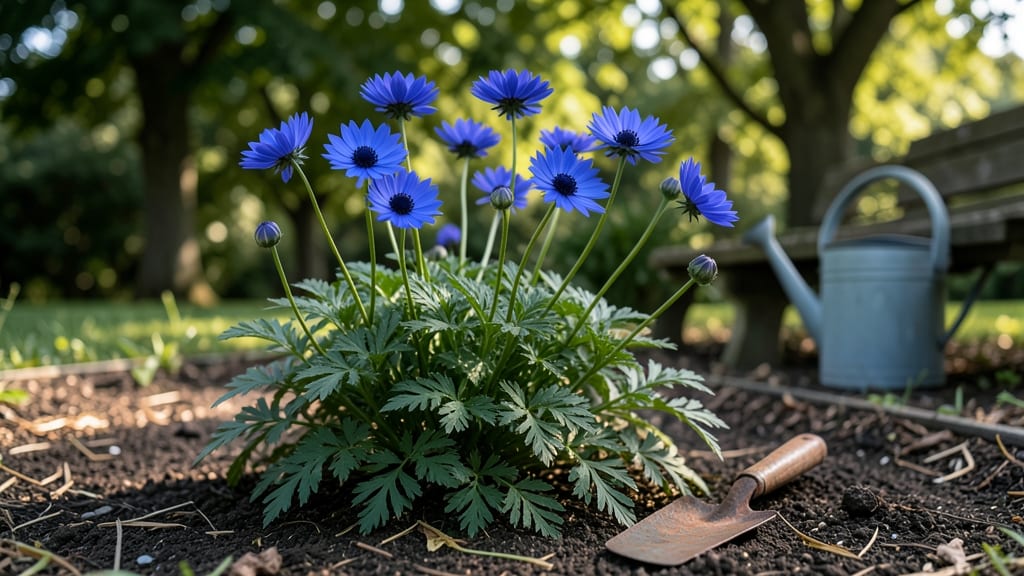
The availability of anemone flowers in the Pacific Northwest peaks when winter’s grip loosens—those delicate, wind-swept petals unfurl in late spring for woodland varieties and again in early fall for hardier types. 🌿 I’ve learned the hard way that timing matters: show up too early, and you’ll find bare stalks; too late, and the blooms are gone.
The key is knowing which species your region supports and when local nurseries stock them.
Woodland anemones (Anemone nemorosa) light up gardens in April and May, while Japanese anemones (Anemone hupehensis) put on their best show from August through October. Native varieties like Anemone lyallii (thimbleweed) thrive in coastal zones, while cultivated hybrids do better inland.
Check your hardiness zone—most anemones prefer Zones 4-8—and plan your purchases around spring bulb sales or fall seed orders.
You’ll find bulbs and seeds at peak availability in March and September, when nurseries restock for the next bloom cycle. Online retailers often list rare varieties year-round, but local growers know which species perform best in your microclimate.
A quick call to your nearest garden center can save you from buying the wrong type for your yard’s moisture or sun conditions.
Pro tip: If you miss the spring rush, don’t worry—many anemones self-seed prolifically. Just mark where they pop up and let nature handle the rest. Your garden will thank you with years of effortless, ethereal blooms. Now go find those first tender shoots!
📚 In This Guide
- What you need
- Instructions
- Tips and common mistakes
- Wrapping up and next steps
What you need
- ● Local Nursery or Garden Center Directory – Research at least 5-10 reputable nurseries in your region (e.g., Ballard Nursery, Swanson’s Greenhouse).
- ● Seasonal Bloom Calendar – Print or save a PNW-specific garden guide (e.g., Washington State University Extension or Oregon State Master Gardeners resources).
- ● Smartphone with GPS – For real-time location-based bloom updates (apps like iNaturalist or PlantNet help!).
- ● Notebook or Digital Tracker – Log bloom dates, weather conditions, and nursery stock updates.
- ● Wildflower Field Guide – A book like Pacific Northwest Wildflowers by Andy MacKinnon for ID-ing native anemones (e.g., Anemone multifida).
- ● Camera or Smartphone – Capture bloom timelines for future reference 📸.
- ● Membership in Local Gardening Groups – Join Facebook groups (e.g., PNW Gardeners) or Meetup events for crowd-sourced updates.
- ● Portable Greenhouse or Cold Frame – If growing anemones, a 4’x4’ frame extends the season in cooler climates.
Understanding when and where to find anemones in the Pacific Northwest
Here's how to pinpoint the best times and places for anemone blooms in our region.
🌱 Step 1: Identify Your Target Anemone Species
Not all anemones bloom at the same time—Pacific Northwest gardeners should focus on three key types: Japanese anemones (Anemone × hybrida), windflowers (Anemone hupehensis), and woodland anemones (Anemone nemorosa). Japanese types typically flower in late summer to early fall, while woodland varieties bloom in early spring—sometimes as early as March, depending on elevation.
Windflowers bridge the gap with mid-to-late summer blooms. I always check my local nursery's seasonal displays in May to see which types are already leafing out—this tells me which will flower first. Real talk: if you're after early spring color, prioritize white or pink woodland anemones; they're the most reliable in cooler coastal areas.
☀️ Step 2: Map Your Region's Microclimate Zones
The PNW's diverse climate means bloom times vary by 1-2 weeks between coastal and inland areas. Coastal gardeners (Zones 7-8) can expect woodland anemones to appear in late February to March, while inland gardeners (Zones 5-6) may see them in April. Japanese anemones, however, perform best in Zone 6 and warmer—they'll often bloom later in inland areas.
Here's the thing—elevation matters more than latitude. Mountainous regions like the Cascades may see delayed blooms until May or June. I always ask local garden clubs for their first-bloom dates; their data is more reliable than general zone charts. For example, Seattle's Queen Anne neighborhood often sees woodland anemones 2 weeks earlier than nearby Bellevue due to microclimate differences.
🌿 Step 3: Track Nursery and Wild Availability
Commercial availability peaks in early spring (March-April) for woodland anemones and late summer (August-September) for Japanese types. Local PNW nurseries like Swansons Nursery (Portland) or Skagit Gardens (Burlington, WA) typically stock potted specimens in these windows. I've found that bare-root divisions become available in late fall (October-November) for planting the following spring.
Wild anemones appear naturally in wooded areas and meadows from March through June, with peak displays in April. For foraging or wildflower appreciation, focus on Anemone nemorosa in coastal forests and Anemone lyallii in alpine meadows. Always check local regulations—some wild areas prohibit picking to protect native populations.
⏰ Step 4: Plan for Seasonal Display Timing
To create a continuous bloom sequence, combine early spring (woodland types), late summer (Japanese types), and fall rebloomers like Anemone × hybrida 'Honorine Jobert'. This variety often produces a second flush of blooms in late summer after its initial spring display.
I like to plant woodland anemones near early spring bulbs like snowdrops and crocuses, while Japanese types pair beautifully with late-season perennials like asters and sedum. The key is layering: taller Japanese anemones (up to 5 feet) should go at the back, while shorter woodland types (1-2 feet) work well in front borders. This creates a natural progression of color as seasons change.
💧 Step 5: Extend the Season with Care Techniques
For longer displays, deadhead spent blooms immediately to encourage reblooming in Japanese types. I also mulch heavily in late fall with 3-4 inches of shredded bark to protect roots during winter. This simple step can push bloom times 1-2 weeks earlier the following spring by maintaining consistent soil temperatures.
In drier inland areas, supplement rainfall with deep watering every 7-10 days during the growing season. Anemones are drought-tolerant once established, but consistent moisture during their first year ensures stronger root systems—and stronger roots mean more reliable blooms. Watch for drooping leaves in afternoon heat as your cue to water; this rarely happens in coastal climates where humidity stays high.
Tips & tricks for perfect Anemone bloom Timing in the Pacific Northwest
Timing is everything when it comes to anemone blooms—here's how to maximize your chances of seeing these delicate flowers at their best.
Species-Specific Timing: Japanese anemones (Anemone × hybrida) are the late-season stars, typically blooming from August through October in the PNW. If you're planting these, focus on Zone 6 and warmer areas where they'll thrive. For woodland anemones (Anemone nemorosa), coastal gardeners in Zones 7-8 often see blooms as early as late February, while inland areas may wait until April. Windflowers (Anemone hupehensis) bridge the gap with their mid-to-late summer displays—perfect for extending your garden's color palette.
Microclimate Mastery: The PNW's diverse geography means bloom times can shift dramatically over short distances. Coastal areas like Seattle's Queen Anne neighborhood might see woodland anemones 2 weeks earlier than nearby Bellevue due to milder winters. For mountain gardeners, elevation is key—blooms in the Cascades may be delayed until May or June. I always check with local garden clubs for first-bloom dates; their data is far more reliable than generic zone charts. Consider creating a simple bloom journal to track patterns in your specific microclimate over several years.
Nursery Strategy: Timing your nursery visits is crucial. For woodland anemones, hit local nurseries in March-April when commercial availability peaks. Japanese types become available in late summer (August-September), so plan ahead if you want fall color. Pro tip: Look for bare-root divisions in late fall (October-November))—these are often discounted and perfect for planting the following spring. I've found that Swansons Nursery in Portland and Skagit Gardens in Burlington, WA, consistently have the best selection during these windows.
Seasonal Layering: To create a continuous display, combine early spring woodland anemones with late-season Japanese types and fall rebloomers like Anemone × hybrida 'Honorine Jobert'. This variety often produces a second flush of blooms in late summer after its initial spring display. When planting, use the 5-foot height of Japanese anemones as your back row, while woodland types (1-2 feet) work beautifully in front borders. This layering creates a natural progression of color that keeps your garden vibrant from March through October.
Pro Tips for Anemone Flower Availability
- Timing is everything when it comes to anemone blooms—here's how to maximize your chances of seeing these delicate flowers at their best.
- Species-Specific Timing: Japanese anemones (Anemone × hybrida) are the late-season stars, typically blooming from August through October in the PNW.
- Microclimate Mastery: The PNW's diverse geography means bloom times can shift dramatically over short distances.
Frequently asked questions
Got questions about when and where to find anemones in the Pacific Northwest?
Here are the answers to the most common queries—so you can plan your bloom hunting like a pro!
When is the best time to see anemones blooming in the PNW?
Anemones typically bloom in late spring to early summer (May–July), with some varieties like Anemone hupehensis flowering into early fall. Coastal varieties may bloom earlier (April–May), while alpine species peak in June. Check your local elevation and microclimate—higher areas often bloom later!
Where can I buy anemone flowers or plants in the PNW?
Local nurseries (e.g., Cornucopia Nursery in WA or Willamette Valley Nursery in OR) stock anemones in spring. For cut flowers, visit farmers' markets (Seattle Tilth, Portland Farmers Market) or specialty shops like The Flower Cart (Seattle). Online retailers (e.g., Bare Root Plants) ship dormant roots for fall planting.
Why aren’t my anemones blooming this year?
Common culprits:
- Too much shade—most anemones need partial sun (4+ hours/day).
- Over/under-watering—keep soil moist but not soggy.
- Young plants—anemones often take 2–3 years to bloom after planting.
- Fungal issues—ensure good drainage to prevent root rot.
Try dividing mature clumps in fall to rejuvenate growth!
Are anemones available as cut flowers, or just plants?
Yes! While many PNW growers sell potted anemones, cut flowers are harder to find year-round. Seasonal options:
- Spring: Wild-collected windflowers (e.g., Anemone multifida) at roadside stands.
- Summer: Farm-grown Japanese anemones at bouquet shops.
- Off-season: Order dried anemones or preserved blooms online.
Pro tip: Ask local florists—they may source them for special orders!
Can I grow anemones in the rainy PNW climate?
Anemones thrive in the PNW’s mild, wet conditions—but avoid waterlogged soil.
- Plant in well-draining spots (e.g., slopes or raised beds).
- Mulch heavily in winter to protect roots.
- Choose native varieties like Anemone lyallii (alpine windflower) for resilience.
Just watch for slugs—they adore young shoots!
Wrapping up and next steps
Discovering the perfect time to admire anemone flowers in the Pacific Northwest just got easier! These stunning blooms thrive in spring and fall, offering a fleeting but magical display that’s worth planning for.
Whether you’re a gardener or simply a nature lover, embrace the seasonal window—and consider planting your own for year-round joy. 🌸
Ready to dive deeper? Start by marking your calendar for peak bloom times, or explore local nurseries to bring these beauties into your garden. Happy blooming! 🌿