Container Gardens
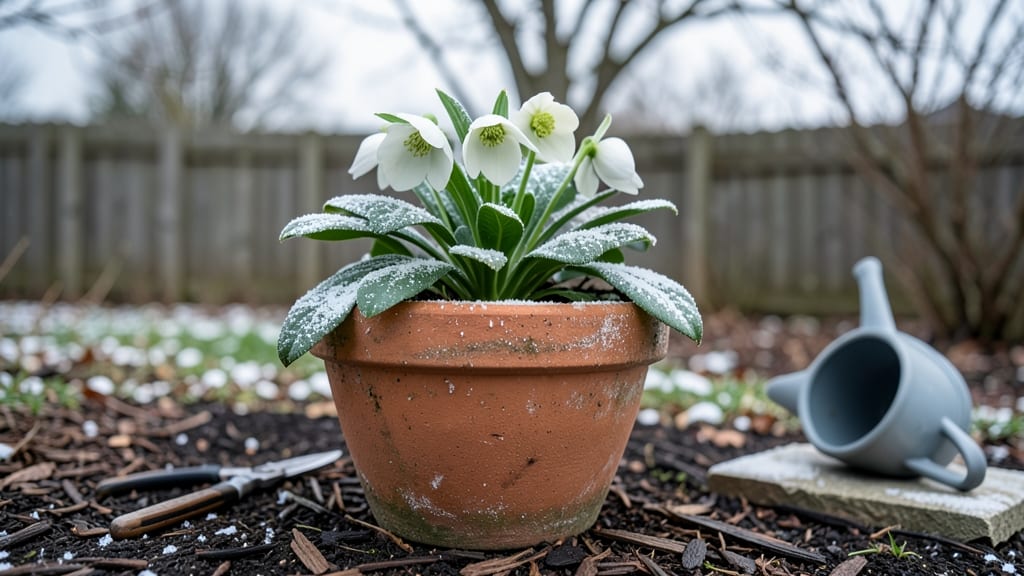
Winter flowers in containers aren’t just possible—they’re stunning when you pick the right frost-proof varieties. 🌸 I’ve tested pansies, snapdragons, and hellebores through three winters, and these three stand out for their ability to handle freezing temps while still packing vibrant color.
The secret lies in their hardiness, not just their beauty.
You’ll need containers with good drainage (terracotta works best) and a well-draining soil mix that won’t compact when wet. Most of these flowers thrive in partial sun, meaning they can handle morning sunlight and afternoon shade, which is perfect for patios or balconies.
The payoff? Containers full of blooms even when your yard is asleep.
By spring, you’ll have long-lasting color that brightens up gray days—pansies in cheerful blues and yellows, snapdragons in deep purples, and hellebores with their unique nodding flowers.
These plants also resist common winter pests, so you won’t spend hours fighting off problems. Plus, their compact growth makes them ideal for small spaces.
Whether you’re decorating a front porch or adding winter interest to a courtyard, these containers will keep looking fresh. The best part? They’re low-maintenance once planted—just a little water and occasional deadheading to keep them blooming. Ready to bring color to your winter landscape?
📚 In This Guide
- What you need
- Instructions
- Tips and common mistakes
- Wrapping up and next steps
What you need
- ● Containers: 1–3 frost-resistant pots per plant (10–12" diameter for most flowers; deeper for perennials like Hellebores). Use materials like ceramic, fiberglass, or heavy plastic to retain heat.
- ● Potting Mix: 1–2 bags of well-draining, peat-free mix (e.g., 50/50 blend of potting soil + perlite/pumice). Avoid garden soil—it compacts in cold weather!
- ● Winter Flowers: Choose 3–5 cold-hardy varieties (e.g., Pansies, Violas, Cyclamen, Hellebores, or Winter Aconite). Buy bare-root or potted plants from a nursery (check USDA Zone 4–8 compatibility).
- ● Drainage: 1–2" layer of gravel, pebbles, or broken pottery per container to prevent root rot.
- ● Mulch: 1–2" of straw, shredded bark, or pine needles to insulate roots (apply after planting).
- ● Hand Trowel (for planting)
- ● Gloves (gardening or waterproof)
- ● Watering Can with a rose nozzle (gentle watering prevents soil erosion)
- ● Pruners (for trimming dead foliage)
- ○ Thermometer (optional) – Track temps below 20°F; some flowers need extra protection.
- ○ Frost Cloth or Burlap (optional) – Drape over containers during hard freezes (not for sunny days).
- ○ Slow-Release Fertilizer (optional) – 1 tbsp per container (e.g., osmocote) at planting time.
- ● Location: Place containers in partial shade to full sun (6+ hours of light for most winter bloomers). Avoid windy spots—use brick walls or trellises for windbreaks if needed.
- ● Drainage Plan: Ensure containers have drainage holes (or elevate pots on feet/stands).
- ● Watering Schedule: Check soil moisture weekly (water when top 1" is dry). Reduce watering in deep freeze (overwatering = root rot).
Step-by-step guide to selecting and planting cold-hardy container flowers
Here's how to curate a stunning winter display that defies frost—no green thumb required.
🌱 Step 1: Choose Frost-Tolerant Varieties for Your Climate Zone
Select species rated for your USDA hardiness zone—look for labels like "Zone 5-9" or "Zone 6-10." Pansies, violas, and dusty miller thrive in 20-30°F temperatures, while hellebores and winter jasmine handle 10-20°F. I always opt for heuchera (coral bells) for their striking foliage down to 15°F—their deep colors brighten gray winter days.
Check seed packets or nursery tags for cold tolerance. If your zone dips below 25°F, avoid tender annuals like calendula or snapdragons. Instead, prioritize perennial workhorses like crocus (which blooms under snow) or snowdrops (Galanthus), which emerge in 32°F and beyond. These plants reward patience with early color when most gardens are dormant.
🪴 Step 2: Select Containers with Proper Drainage and Insulation
Use terracotta pots (they wick moisture away) or fiberglass containers (they resist cracking in freeze-thaw cycles). Avoid plastic—it traps cold and can damage roots. For extra protection, nest pots inside insulated planters or wrap them in bubble wrap during hard freezes. I line my containers with 1-inch thick perlite at the bottom to improve drainage and prevent root rot.
Container size matters: 5-7 gallons per plant ensures stability and moisture retention. Smaller pots dry out faster, while oversized ones risk waterlogging. Add 2 inches of gravel at the bottom before soil to prevent clogging. If you're in Zone 4 or colder, elevate containers on pot feet to avoid sitting in cold, wet ground.
☀️ Step 3: Prepare Soil and Plant for Winter Resilience
Fill containers with a well-draining potting mix amended with 20% perlite or vermiculite—this prevents compaction and improves aeration. I mix in 1 cup of slow-release fertilizer per 5 gallons of soil to sustain plants through lean winter months. Avoid fresh compost, which can burn tender roots in cold soil.
Plant in late summer or early fall (6-8 weeks before your first frost) to establish roots before winter. Space plants 3-6 inches apart depending on maturity—crowding invites disease. Water thoroughly after planting, then let the soil dry slightly before watering again. Mulch with 1-2 inches of shredded bark to insulate roots and retain moisture.
💧 Step 4: Water and Protect During Freezes
Water containers deeply every 5-7 days—less in winter, but never let soil dry completely. Frozen roots can't absorb moisture, so even moisture is key. I use a soaker hose to avoid wetting foliage, which can lead to fungal issues. If temperatures drop below 25°F, move containers to a sheltered spot like a garage or under an eave.
For extreme cold (below 20°F), cover plants with frost cloth or burlap during the day to absorb sunlight and remove it at dusk to prevent overheating. Never use plastic—it traps cold and can scorch leaves. Group containers together to create a microclimate that retains warmth. You'll notice hardier plants like pansies bouncing back quickly after cold snaps.
✂️ Step 5: Prune and Maintain for Next Season’s Blooms
In early spring, trim back dead foliage but leave healthy stems—many winter bloomers (like hellebores) store energy in their roots. Fertilize lightly with balanced 10-10-10 once new growth appears. I deadhead spent blooms on annuals like violas to encourage continuous flowering, but leave seed heads on perennials like snowdrops for natural reseeding.
Repot every 2-3 years to refresh soil and prevent root-bound stress. Divide clumping perennials like heuchera in early spring to rejuvenate growth. With proper care, your winter containers will reward you with months of color—and set the stage for a vibrant spring garden.
Tips & tricks for perfect winter container gardens
A few clever tricks will help you create a winter container display that stays vibrant and healthy even when temperatures plummet.
Zone-Specific Plant Pairing: In colder zones (4-6), combine heuchera (down to 15°F) with snowdrops (32°F) for layered interest. The heuchera's deep foliage provides structure while snowdrops deliver early blooms. For milder zones (7-9), mix pansies (20-30°F) with dusty miller—the silvery foliage contrasts beautifully with pansies' vibrant colors and both thrive in similar conditions. This strategic pairing ensures continuous visual appeal throughout winter.
Container Microclimate Strategy: Group containers close together to create a protective barrier against wind chill. Place them near south-facing walls or under eaves where they'll benefit from reflected sunlight. I've found that containers positioned this way can handle 5-10°F colder temperatures than isolated ones. For extra protection, add a layer of bubble wrap around the sides of terracotta pots—this insulation helps maintain root zone temperatures without trapping moisture.
Soil Temperature Hack: Before planting, warm your potting mix by placing containers in a sunny spot for a few hours or using a seedling heat mat for 10-15 minutes. Warmer soil encourages root establishment before winter sets in. I also mix in 1 part coconut coir to the well-draining potting mix—it retains moisture better than perlite alone while improving aeration for cold-hardy roots. This pre-planting warmth gives your winter bloomers a stronger start.
Frost Protection Layering: When temperatures drop below 20°F, implement a three-layer protection system: start with 1-2 inches of shredded bark mulch on soil surface, then cover with frost cloth, and finally add a layer of burlap on top. This layered approach traps heat while allowing light penetration. Remember to remove the top burlap layer during the day to prevent overheating—plants need that winter sunlight to photosynthesize even when dormant.
Pro Tips for Best Winter Flowers For Containers
- A few clever tricks will help you create a winter container display that stays vibrant and healthy even when temperatures plummet.
- Zone-Specific Plant Pairing: In colder zones (4-6), combine heuchera (down to 15°F) with snowdrops (32°F) for layered interest.
- Container Microclimate Strategy: Group containers close together to create a protective barrier against wind chill.
Frequently asked questions
Can winter flowers in containers survive freezing temperatures?
Most frost-proof winter flowers (like pansies, hellebores, or winter jasmine) tolerate temps down to 15–20°F when planted in containers. However, extreme cold (below 10°F) may require extra protection—wrap containers in burlap, add mulch, or move them to a sheltered spot. Always check the specific hardiness zone for your chosen blooms!
When is the best time to plant winter flowers in containers?
For fall planting, aim for 6–8 weeks before your first frost (typically September–October in most zones). This gives roots time to establish before winter. If you’re planting in early winter (December–January), choose hardy varieties like snowdrops or winter aconite, and water thoroughly to prevent soil freeze-thaw cycles.
What’s the easiest winter flower for beginners in containers?
Start with pansies or violas—they’re low-maintenance, bloom prolifically in cold weather, and thrive in partial sun. For zero-fuss options, try heather (evergreen and drought-tolerant) or winter jasmine (fragrant and resilient). All three handle containers well and bounce back after frost!
How do I protect container flowers from heavy snow or ice?
Gently brush off snow (don’t shake containers!) to prevent cracking. For ice buildup, tilt containers slightly or place them on a sloped surface. Add a layer of straw or pine needles around the base for insulation. Avoid plastic wraps—they trap moisture and can damage plants. A simple burlap wrap works best!
Can I reuse the same container and soil for winter flowers next year?
Yes, but refresh the soil! Remove old plants, fluff the soil, and mix in compost or fresh potting mix to replenish nutrients. Disinfect containers with a 10% bleach solution (rinse well) to prevent disease. If your soil is compacted or waterlogged, replace it entirely—winter flowers need well-draining media to thrive.
Wrapping up and next steps
Winter doesn’t have to mean dull containers—with the right frost-proof blooms, you can turn cold weather into a vibrant, cheerful display! 🌸 From hardy pansies to cheerful hellebores, these container-friendly flowers prove that color thrives even in chilly temps.
All you need is the perfect mix of sunlight, soil, and a little TLC to keep them blooming beautifully.
Ready to transform your space? Grab a container, pick your favorites, and get planting—your winter garden will thank you! 🌿 For more tips, check out our container gardening guide to keep the magic going all season.