Flowers
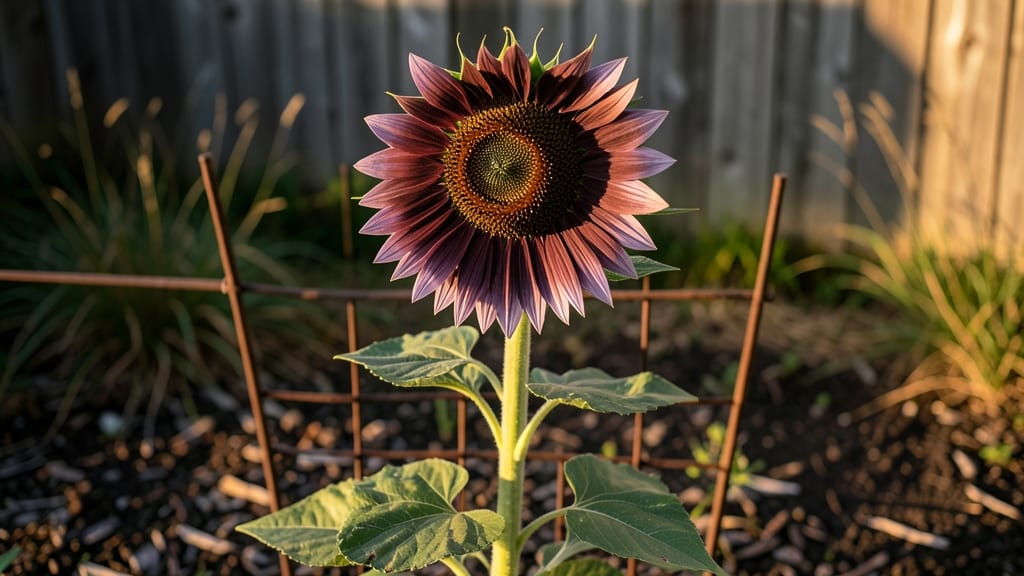
Giant purple sunflowers turn heads like nothing else in the garden—their velvety petals reach 12 feet tall, creating a living sculpture that neighbors will photograph.
I planted my first batch last summer, and the reaction was instant: strangers stopped mid-walk to snap pictures, and my mailbox overflowed with compliments. These aren’t just flowers; they’re conversation starters that transform any space into a showstopper.
The secret to their drama lies in placement: position them where they’ll command attention—along fences, near entryways, or as a backdrop for smaller perennials. Pair them with silver foliage like lamb’s ear or deep greens like hostas to make their purple hue pop even more.
In pollinator gardens, they’ll attract bees and butterflies while adding vertical interest that no flat border can match.
By late summer, you’ll have cut flowers that last weeks in vases, their rich color fading gracefully to soft lavender. The stems are sturdy enough for arrangements, and the sheer size makes them perfect for rustic bouquets or modern centerpieces.
Even after blooming, the dried seed heads add winter texture—proof that these sunflowers deliver drama all season long.
Works in cottage gardens for old-world charm or modern designs for bold contrast. The key is giving them room to grow—6 feet of space per plant ensures they’ll reach their full towering potential without crowding.
Plant a few now, and you’ll have a garden that doesn’t just grow flowers, but grows memories.
📚 In This Guide
- What you need
- Instructions
- Tips and common mistakes
- Wrapping up and next steps
What you need
- ● Giant Purple Sunflower Seeds: 5–10 seeds (e.g., Helianthus annuus ‘Russian Giant’ or ‘Moulin Rouge’). Opt for heirloom or hybrid varieties for vibrant color.
- ● Well-draining potting mix: 10–15 lbs (for containers) or enrich your garden soil with compost (aim for 2–3 inches mixed into the top 12 inches of soil).
- ● Fertilizer: Balanced granular fertilizer (10-10-10): 1–2 lbs per 10 sq ft of garden bed.
- ○ Slow-release organic fertilizer (optional): Fish emulsion or bone meal for extra nutrients.
- ● Stakes or cages: 6–8 ft tall (bamboo or metal) to support stems as they grow—non-negotiable for these towering beauties!
- ● Garden trowel or transplanting spade for digging.
- ● Watering can or hose with a gentle spray nozzle (sunflowers hate soggy roots!).
- ○ Pruners or sharp scissors for deadheading (optional but highly recommended for longer blooms).
- ● Sunny spot: Full sun (6+ hours daily) is a must—these sunflowers are drama queens!
- ● Spacious growing area: Minimum 2 ft between plants (they’ll spread!).
- ● Colorful mulch (e.g., straw or wood chips) to retain moisture and add flair.
- ● Epsom salt (1 tbsp per plant monthly) for extra-purple blooms.
- ● Bird netting (to protect buds from hungry critters).
- ● Decorative garden flags or stakes to mark your sunflower “superstars.”
How to grow towering giant purple sunflowers
Here's the method I've perfected over years of growing these showstopping sunflowers—each step ensures your plants reach their dramatic, traffic-stopping height.
🌱 Step 1: Choose the Right Variety and Prepare Soil
Select a true giant purple variety like 'Moulin Rouge' or 'Russian Giant Purple'—these can reach 10-12 feet tall with proper care. The key starts with soil: amending your garden bed with 2-3 inches of compost and 1 cup of 5-10-10 fertilizer per 6-foot row creates the nutrient-rich foundation these monsters need. Work the amendments into the top 12 inches of soil to ensure deep root development.
Sunflowers hate soggy feet, so if your soil drains poorly, mix in 1 part perlite to 3 parts soil for better aeration. A soil test before planting reveals any hidden deficiencies—giant sunflowers demand high phosphorus for strong stems and potassium for disease resistance. I always adjust pH to 6.0-6.8 using lime if needed; these plants wilt dramatically when stressed.
☀️ Step 2: Plant at the Right Time and Spacing
Wait until after the last frost date when nighttime temperatures stay above 55°F—cold snaps stunt growth. Plant seeds 1-1.5 inches deep and 18-24 inches apart in rows spaced 3 feet apart. Crowding leads to weak stems that snap under their own weight. I like to plant 4 seeds per hill, then thin to the strongest seedling once they reach 4 inches tall—this ensures you always have a backup.
Here's the thing—giant sunflowers need full sun (6-8 hours daily) from the moment they sprout. If your spring starts late, consider using black plastic mulch to warm the soil and accelerate germination. The mulch also suppresses weeds, which compete aggressively for nutrients these giants need. Water the soil to 1 inch deep immediately after planting, then maintain 1-1.5 inches weekly during dry spells.
💧 Step 3: Support and Fertilize for Maximum Height
By the time seedlings hit 12 inches tall, install 6-foot tall stakes or a strong trellis system near each plant. These sunflowers grow so fast they'll topple without support—I've seen 8-foot stems snap in windstorms. Use soft garden twine to loosely tie the main stem to the stake as it grows, adjusting weekly. Never bind too tightly; the stem must have room to thicken.
Feed plants when they reach 2 feet tall with 1 tablespoon of 10-10-10 fertilizer per plant, worked into the soil. Repeat when buds form. I also side-dress with 1 cup of compost tea every 3 weeks during flowering to maintain vigor. Watch for yellowing lower leaves—this signals nitrogen deficiency, not overwatering. Adjust with a low-nitrogen fertilizer if needed.
✂️ Step 4: Deadhead and Protect for Long-Stemmed Blooms
When the first buds form, remove all but one central flower head per stem. This redirects energy into growing a single, dramatic bloom rather than multiple small ones. Snip side buds with clean pruners, leaving 1 inch of stem to prevent disease entry. I do this every 2 weeks until the main bloom opens—patience here determines your stem length.
Protect developing blooms from squirrels and birds with bird netting once buds swell. These critters adore sunflower buds and will strip them overnight. Water deeply at the base when buds appear—sudden drought stress causes buds to drop. If your area gets heavy rain, stake the stems further to prevent lodging from saturated soil.
🌿 Step 5: Harvest and Preserve Your Dramatic Stems
The perfect time to cut stems is when back of the bloom papery and seeds begin turning brown—this ensures maximum vase life. Use clean, sharp pruners and cut at a 45-degree angle just above a leaf node. Strip all lower leaves that would sit in water, but leave 4-6 inches of foliage at the top to hydrate the stem. I immediately place stems in lukewarm water with 1 teaspoon of bleach to prevent bacterial growth.
For long-term preservation, dry stems upside-down in a well-ventilated, dark space for 2-3 weeks. Once completely dry, store in paper bags away from moisture. These giants make stunning dried arrangements that last for years—just imagine the conversation pieces they'll create in your home!
Tips & tricks for growing towering purple sunflowers
Growing sunflowers that reach sky-scraping heights isn't just luck—it's science. Here's what I've learned after years of watching these giants grow.
Soil Preparation: The 2-3 inches of compost and 1 cup of 5-10-10 fertilizer per 6-foot row isn't just a suggestion—it's the foundation. I've found that mixing in an additional 1/2 cup of bone meal per plant at planting time provides extra phosphorus for those strong stems. This is particularly important if your soil test shows phosphorus levels below 40 ppm. The deep root development from working amendments into the top 12 inches of soil can't be overstated—it's what allows these plants to anchor themselves against windstorms.
Planting Strategy: The 18-24 inch spacing between plants might seem generous, but it's crucial for preventing competition. I've noticed that plants spaced at the wider end of this range (24 inches) often develop sturdier stems capable of supporting their own weight. When planting your 4 seeds per hill, consider using biodegradable seed starter pots—this makes transplanting easier and reduces shock when thinning to the strongest seedling at 4 inches tall.
Support System: The 6-foot tall stakes recommended at the 12-inch mark are non-negotiable, but here's what nobody tells you: these plants will outgrow their support. I always install a secondary support system—a lightweight bamboo stake or additional twine—when they reach 3 feet tall. The soft garden twine should be adjusted weekly, but I've found that using a figure-eight pattern around the stem provides better stability than simple loops.
Harvest Timing: Waiting for the back of the bloom to become papery and seeds to turn brown is perfect for fresh arrangements, but if you're growing for seeds, harvest when the back turns yellow-brown and seeds are fully mature. For maximum vase life, I've developed a trick: immediately after cutting, place stems in a bucket of lukewarm water with 1 teaspoon of bleach and 1 tablespoon of sugar. This combination prevents bacterial growth while providing energy for the stem to hydrate fully.
Pro Tips for Giant Purple Sunflowers
- Growing sunflowers that reach sky-scraping heights isn't just luck—it's science.
- Soil Preparation: The 2-3 inches of compost and 1 cup of 5-10-10 fertilizer per 6-foot row isn't just a suggestion—it's the foundation.
- Planting Strategy: The 18-24 inch spacing between plants might seem generous, but it's crucial for preventing competition.
Frequently asked questions
Got questions about growing or admiring these giant purple sunflowers? You’re not alone—these floral giants spark curiosity! Here are answers to the most common queries, from planting to troubleshooting.
How tall do giant purple sunflowers really get?
Expect stunning heights! Most varieties reach 10–14 feet, with some towering over 16 feet under ideal conditions. For perspective, that’s taller than a basketball hoop! Plant them in open, sunny spots with deep soil to maximize their dramatic potential.
When is the best time to plant them for maximum height?
Timing is key! Start seeds indoors 4–6 weeks before your last frost (or direct-sow after soil warms to 50°F+). For fall blooms, plant in early summer—they’ll mature just in time for autumn’s golden light. Pro tip: Use a sturdy trellis or bamboo stakes early to support their rapid growth.
Why aren’t my sunflowers growing as tall as expected?
Slower growth? Check these fixes:
- Water deeply (1–2 inches/week) but avoid soggy soil.
- Ensure full sun (6+ hours/day)—shady spots stunt growth.
- Use balanced fertilizer (10-10-10) at planting and mid-season.
- Watch for pests like aphids or powdery mildew (spray neem oil if needed).
Still lagging? Test your soil’s pH (6.0–7.5 is ideal)—amend with compost if needed.
Can I grow giant purple sunflowers in containers?
Yes, but size up your pots! Use containers at least 12–18 inches deep with drainage holes. Opt for dwarf varieties (like ‘Moulin Rouge’) if space is tight—they’ll still hit 6–8 feet. Bonus: Container plants often bloom earlier than ground-planted ones!
What can I do with giant sunflowers after they bloom?
Don’t toss them! Here’s how to repurpose:
- Dried flowers: Hang upside-down in a dark, dry space for 2–3 weeks to preserve their drama.
- Seeds: Roast and eat them like snackable sunflower seeds (rich in protein!).
- Crafts: Use stems for natural dye (purple hues!) or weave into flower crowns.
- Compost: Chop stems/leaves for nutrient-rich soil amendments.
Warning: Leave seed heads for birds if you want to support local wildlife!
Wrapping up and next steps
Giant purple sunflowers aren’t just stunning—they’re a symbol of boldness, creativity, and the magic of nature at its most dramatic. Whether you’re growing them in your garden or simply admiring their grandeur, these towering beauties remind us that even the smallest efforts can yield extraordinary results. 🌻✨
Ready to bring this floral spectacle to life? Start small—plant a few seeds, experiment with colors, or share your progress with fellow gardening enthusiasts. The next time someone stops to admire your garden, they might just be staring at the next big thing!
- Pro tip: Document your journey with photos—your giant purple sunflowers will make for unforgettable memories (and Instagram-worthy moments!).
- Next step: Share your tips in the comments or tag us—let’s grow a movement, one sunflower at a time!