Flowers
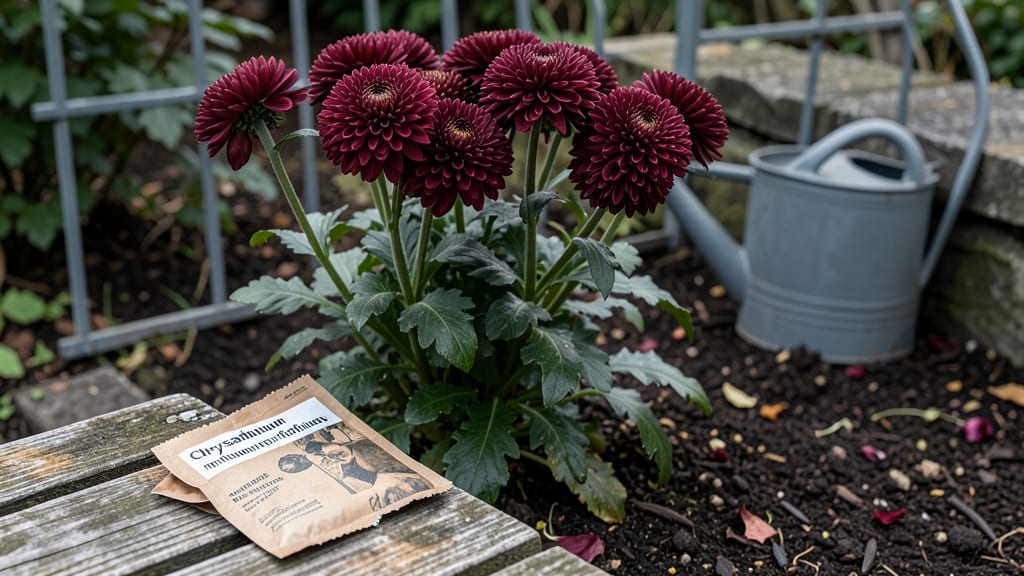
Autumn flowers seeds bring color to the Pacific Northwest when everything else fades. 🌿 I’ve planted these same varieties for years—they thrive in our damp, cool climate and keep blooming until frost.
The secret is choosing cold-hardy types like ‘Autumn Joy’ sedum or ‘October Skies’ asters, which handle our rainy season better than most.
You’ll need well-draining soil, a sunny spot (at least 6 hours of light daily), and a light sprinkle of compost before sowing. Most autumn flowers prefer cooler temperatures, so plant seeds 6-8 weeks before your first frost date—usually late summer for the PNW.
Just avoid heavy clay soil, which can suffocate roots.
By October, you’ll have vibrant blooms that attract bees and butterflies long after summer flowers quit. The foliage stays lush even in chilly weather, and many varieties self-seed for next year’s garden. Perfect for cutting gardens or adding late-season color to borders.
Works for containers, borders, or even woodland edges—just adjust watering if your spot gets extra wet. Here’s how to pick the best varieties for your microclimate and keep them thriving through the season.
📚 In This Guide
- What you need
- Instructions
- Tips and common mistakes
- Wrapping up and next steps
What you need
- ● Autumn flower seeds: Choose cold-hardy varieties like Sweet Alyssum, Calendula, Pansies, or Violas (1–2 lbs, depending on garden size). Opt for organic, non-GMO seeds for best results.
- ● Seed-starting trays or biodegradable pots: 72-cell trays (1–2 trays) or 4-inch pots (10–20 pots) for seedlings.
- ● Seed-starting mix: 5–10 lbs of sterile, well-draining potting soil (avoid garden soil—it’s too dense!).
- ○ Grow lights or sunny windowsill: A 4–6 ft LED grow light (optional but helpful for indoor starts) or a south-facing window with 6+ hours of sunlight.
- ● Misting bottle or spray nozzle: For gentle watering (avoid oversaturating seeds!).
- ● Plastic wrap or humidity dome: To retain moisture while seeds germinate.
- ● Fertilizer: A balanced, water-soluble fertilizer (5-10-5 ratio) or compost tea for young seedlings.
- ● Garden trowel or transplanting spade: For digging small holes (6–8 inches deep).
- ● Garden gloves: A pair of durable, breathable gloves to protect your hands.
- ● Mulch: 2–3 bags of straw or shredded leaves to insulate soil and retain moisture.
- ● Watering can or hose with a gentle spray nozzle: For post-planting hydration.
- ● Heating mat: For faster germination (especially useful if your home is chilly).
- ● Labeling tags: To track seed varieties and planting dates.
- ● Row covers or frost cloth: For protecting young plants from early autumn frosts.
- ● Compost or worm castings: To boost soil fertility before planting.
Step-by-Step guide for planting cold-hardy autumn flowers in the Pacific Northwest
Here’s how I prepare my garden for vibrant fall blooms that thrive in cooler climates.
🌱 Step 1: Choose the Right Varieties for Your Zone
Select cold-hardy annuals and perennials suited for USDA Zones 7-9, like pansies, sweet alyssum, or calendula. These varieties tolerate 40-50°F nights and even light frosts. I always check seed packets for days to maturity—prioritize fast-growing types (under 60 days) to ensure blooms before winter sets in.
For extra insurance, mix in biennials like foxgloves or hollyhocks, which establish roots in fall and burst into color the following spring. Avoid tender tropicals like marigolds—they’ll bolt or rot in damp Pacific Northwest winters.
💧 Step 2: Prepare Soil and Plant at the Right Time
Test your soil’s drainage first—autumn flowers hate soggy roots. Amend heavy clay with 2-3 inches of compost (work it into the top 6 inches of soil) to improve aeration. I like to add a slow-release fertilizer (like 10-10-10) at planting to fuel early growth.
Sow seeds 6-8 weeks before your first frost date (typically mid-September in the PNW). Direct-sow hardy varieties like lobelia or statice—they germinate best in cool soil. For delicate seeds (e.g., snapdragons), start indoors under grow lights 4 weeks earlier, then transplant seedlings after soil temps drop to 55°F.
☀️ Step 3: Optimize Light and Water for Fall Growth
Autumn flowers need full sun to partial shade (4-6 hours of light daily). In the PNW’s shorter days, position them where they’ll catch morning sun to dry dew quickly—prevents fungal issues. If planting near evergreens, space them 12-18 inches apart to allow airflow.
Water deeply 2-3 times per week until seedlings establish (look for 2 sets of true leaves). After that, reduce to once weekly—overwatering in cool weather stresses roots. Use a soaker hose to keep foliage dry, which cuts down on powdery mildew risks.
✂️ Step 4: Maintain and Protect Through Early Winter
Deadhead spent blooms weekly to encourage reblooming, but stop by late October—new growth won’t harden off before frost. Instead, focus on mulching with 2-3 inches of straw or shredded leaves to insulate roots. This protects tender varieties like stock (Matthiola incana) from freezing.
Watch for slugs and snails—they love young autumn flowers. Set out beer traps or handpick pests at dusk. If a hard freeze (below 25°F) is forecast, cover delicate perennials with frost cloth for a few nights. Most cold-hardy annuals, though, will survive light frosts and even add winter interest.
🪴 Step 5: Plan for Next Season’s Blooms
Take notes on which varieties thrived—did pansies hold up better than calendula in your microclimate? Save seeds from self-seeding flowers like larkspur or sweet peas for next year. I also sketch a quick map of my fall plantings to avoid overcrowding in spring.
Before winter, top-dress perennial beds with 1 inch of compost to feed roots through dormancy. This ensures a head start in spring, when primroses or hellebores will emerge early to bridge the gap before summer annuals take over.
Tips & tricks for perfect autumn flower plantings in the Pacific Northwest
Here's what I've learned after years of testing cold-hardy varieties in our damp, cool climate—these tricks will help you avoid common pitfalls and get the most vibrant fall blooms.
Variety Selection Matters: When choosing seeds in Step 1, look for varieties labeled "cold-hardy" or "tolerates light frost" on the packet. I've found that pansies and sweet alyssum consistently thrive in our 40-50°F nights, while calendula sometimes struggles with damp conditions. For extra insurance, mix in foxgloves—they establish roots in fall and reward you with stunning spring blooms.
Soil Prep Secret: In Step 2, don't just add compost—work it into the top 6 inches of soil to create a loose, well-draining environment. I use a broadfork to loosen compacted clay without turning the soil, which preserves beneficial microorganisms. For heavy clay soils, add 1 part perlite to 3 parts compost to improve aeration without altering the soil structure too dramatically.
Timing is Everything: The 6-8 week window before frost is critical, but don't rush—cool soil temperatures (below 55°F) actually help prevent damping off in seedlings. I've learned to check soil temps with a thermometer before sowing delicate seeds like snapdragons. If temps are above 60°F, delay planting or provide shade cloth until conditions cool.
Winter Protection Strategy: For Step 4, when mulching with 2-3 inches of straw, leave space around stems to prevent rot. I've had better success with shredded leaves for delicate perennials like stock because they provide better insulation against below 25°F freezes. For added protection, I tuck a handful of leaves around the base of each plant to create a natural windbreak.
Pro Tips for Autumn Flowers Seeds
- Here's what I've learned after years of testing cold-hardy varieties in our damp, cool climate—these tricks will help you avoid common pitfalls and get the most vibrant fall blooms.
- Variety Selection Matters: When choosing seeds in Step 1, look for varieties labeled "cold-hardy" or "tolerates light frost" on the packet.
- Soil Prep Secret: In Step 2, don't just add compost—work it into the top 6 inches of soil to create a loose, well-draining environment.
Frequently asked questions
Got questions about growing autumn flowers from seeds in the Pacific Northwest? Here are some common concerns—and their answers—to help you get started with confidence!
When is the best time to plant autumn flower seeds in the PNW?
The ideal window for sowing most cold-hardy autumn flowers (like asters or black-eyed Susans) is late summer to early fall (August–September). This gives seeds time to germinate before winter while avoiding summer heat stress. For tender varieties (e.g., cosmos), wait until after the last frost in spring (April–May).
Can I plant autumn flower seeds in late fall or winter?
Most seeds need warm soil and sunlight to germinate, so planting in late fall or winter is risky—unless you’re sowing perennials like lupines or columbines, which can be sown in late fall for spring blooms. For annuals, wait until spring. Pro tip: Use a seedling heat mat if you’re eager to start early indoors!
What’s the easiest autumn flower seed to grow for beginners?
Start with cosmos, zinnias, or sunflowers—they’re fast-growing, drought-tolerant, and forgiving of less-than-perfect conditions. For perennials, try asters or sedum; they thrive in PNW’s mild winters and return yearly. Skip fussy varieties like orchids or delphiniums unless you’re experienced!
My seeds aren’t germinating—what could be wrong?
Check these common issues:
- Too cold or dry: Most seeds need 60–75°F soil. Use a seedling heat mat or wait for warmer weather.
- Buried too deep: Tiny seeds (like lobelia) should be covered with just ¼ inch of soil.
- Old seeds: Test viability by soaking in water; if they sink, they’re likely good. Store seeds in a cool, dry place for next year.
- Poor soil: Amend with compost or use a seed-starting mix for better drainage.
Are there any autumn flowers that attract pollinators?
Plant asters, goldenrod, coneflowers (Echinacea), or bee balm to draw bees, butterflies, and hummingbirds. These native-friendly picks also support local ecosystems. Avoid double-flowered varieties—they often lack pollen and are less appealing to pollinators.
Wrapping up and next steps
Growing autumn flowers seeds in the Pacific Northwest isn’t just about adding color to your garden—it’s about embracing resilience and beauty in cooler months. From hardy asters to vibrant mums, these cold-loving varieties bring joy while thriving in your climate.
Whether you’re a seasoned gardener or just starting, now’s the perfect time to plant with confidence!
Ready to transform your garden? Start small:
- Pick 1-2 seeds to test this season.
- Check your zone and sunlight—your garden’s success begins with prep!