Shrubs
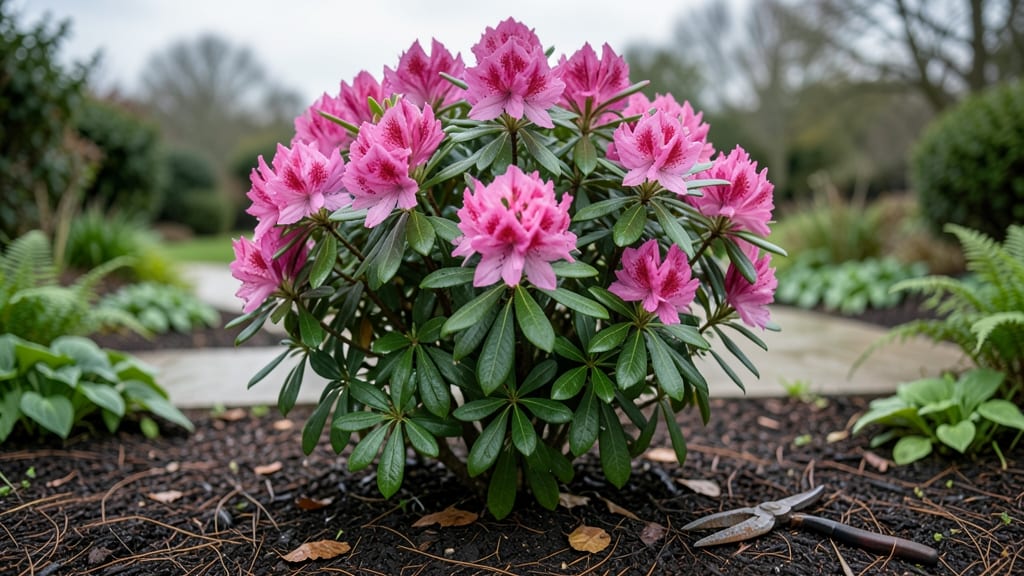
Growing this azalea flowering shrub in the Pacific Northwest means you get to enjoy its stunning blooms year after year—even when frost rolls in. 🌸 These frost-resistant shrubs thrive in our damp, mild winters, but only if you nail the acidic soil and... sheltering spots.
I’ve learned the hard way that skipping mulch or overwatering can turn vibrant blooms into a sad, leggy mess.
The secret to happy azaleas starts with the right conditions: 6 hours of morning sun, soil with a pH between 4.5 and 6.0, and 1-1.5 inches of water per week.
Evergreen varieties like ‘Girard’s Pink’ handle frost better than deciduous types, but both need a thick layer of mulch to protect roots. I’ve seen firsthand how a well-mulched azalea survives winters that wipe out less-prepared shrubs.
By pruning right after flowering and fertilizing with acid-loving plant food, you’ll coax bold, repeat blooms for years. The key is patience—azaleas take 2-3 years to mature fully, but once they do, they reward you with jewel-toned clusters that outshine store-bought bouquets.
Even in rainy PNW summers, they stay lush if you avoid soggy soil.
Whether you’re planting a single specimen or a hedge, these shrubs adapt beautifully to our climate—just don’t let them dry out in summer heat. Next, we’ll dive into the step-by-step care routine that keeps them thriving through frost, drought, and everything in between.
📚 In This Guide
- What you need
- Instructions
- Tips and common mistakes
- Wrapping up and next steps
What you need
- ● Azalea plants: Choose Rhododendron varieties suited for USDA Zones 7-9 (e.g., Rhododendron ‘Girard’s Pink’ or ‘Catawbiense Grandiflorum’). Start with 1-3 mature plants (3-5 ft tall) or 10-20 seeds if propagating.
- ● Well-draining acidic soil: Mix 50% peat moss or pine bark with 30% garden soil and 20% perlite/sand (pH 4.5–6.0). Test soil pH with a digital soil tester.
- ● Organic mulch: 2–3 inches of pine needles, wood chips, or cedar bark to retain moisture and acidity.
- ● Slow-release fertilizer: 10-10-10 or 8-3-9 (acid-loving plant formula) applied twice a year (spring/fall).
- ● Watering can or drip irrigation: 1–2 gallons per plant during dry spells (avoid overhead sprinklers).
- ● Garden gloves (nitrile-coated for durability).
- ● Hand trowel or transplant spade (for digging).
- ● Pruning shears (bypass-style, sharp and sterilized).
- ● Wheelbarrow (for mixing soil amendments).
- ○ pH adjustment kit (optional: sulfur or aluminum sulfate if soil is too alkaline).
- ● Frost cloth or row covers (for young plants in late fall/winter).
- ● Azalea-specific liquid fertilizer (e.g., Miracle-Gro Azalea, Camellia & Rhododendron Food).
- ● Soil moisture meter to monitor watering needs.
- ● Epsom salt (magnesium sulfate) for yellowing leaves (1 tbsp per gallon of water, monthly).
- ● Bird netting to protect blooms from hungry critters.
Step-by-Step guide for planting and caring for Pacific Northwest azaleas
Here's how to establish thriving, frost-hardy azaleas that bloom reliably year after year.
🪴 Step 1: Choose the Right Location and Soil Mix
Azaleas thrive in acidic soil with a pH between 4.5 and 5.5—the Pacific Northwest's natural forest floors provide ideal conditions. Plant in partial shade (morning sun with afternoon shade) to protect blooms from scorching. Avoid full sun, which causes leaf burn and stress.
Amend your native soil with 3-4 inches of organic matter—I use a blend of peat moss, pine bark fines, and compost—to improve drainage while maintaining acidity. Test your soil first; if it's too alkaline, add sulfur according to package instructions. Azaleas hate soggy roots, so ensure the planting site has good drainage or create a raised bed.
🌱 Step 2: Plant with Proper Spacing and Mulching
Dig a hole twice as wide as the root ball but no deeper—azaleas dislike having their crown buried. Gently loosen the roots if they're circling and position the plant so the top of the root ball sits 1-2 inches above ground level. This prevents water from pooling around the stem.
Fill the hole with your amended soil mix, pressing lightly to eliminate air pockets. Space plants 4-6 feet apart for mature size, allowing airflow to reduce fungal diseases. After planting, spread 3-4 inches of pine bark mulch over the root zone, keeping it 2-3 inches away from the trunk. This mimics forest-floor conditions and retains moisture while suppressing weeds.
☀️ Step 3: Water Deeply and Establish a Consistent Routine
Water deeply once a week during the first growing season, providing 1-1.5 gallons per plant until the soil is 6 inches deep moist. Azaleas in containers need watering every 2-3 days in summer, checking when the top 2 inches of soil feel dry. Overwatering is worse than underwatering—yellowing leaves often signal root rot.
Here's the thing—azaleas are shallow-rooted. I use a soaker hose or drip irrigation to deliver water slowly at the base, avoiding wetting the foliage (which invites fungal diseases). After the first year, established plants tolerate drought-like conditions better, but consistent moisture produces the best blooms. Fertilize lightly in early spring with an acid-loving plant formula (10-10-10 or similar).
✂️ Step 4: Prune After Blooming and Monitor for Frost
Prune azaleas right after flowering (late spring) to shape the plant and encourage next year's blooms. Remove dead, crossing, or weak branches, cutting just above a leaf bud. Never prune into old wood—new growth emerges from the current season's stems. I avoid heavy pruning; azaleas bloom on current year's growth, so aggressive cuts reduce flowers.
Pacific Northwest winters test azalea resilience. Once temperatures drop below 20°F, protect young plants with burlap wraps or mulch mounds around the base. Mature plants handle frost well, but new growth can scorch in sudden freezes. Watch for buds swelling in early spring—if frost threatens, cover with frost cloth until temperatures stabilize.
🌿 Step 5: Maintain Soil Acidity and Pest Control
Azaleas need regular soil acidity checks—test annually and amend with elemental sulfur or peat moss if pH rises above 5.5. I add cottonseed meal in early spring as a slow-release nitrogen source that also lowers pH. Avoid lime or wood ash, which raise pH and stunt growth.
Pacific Northwest azaleas face few pests, but lace bugs and spider mites can appear. Treat early with neem oil or insecticidal soap, focusing on the undersides of leaves. For fungal issues like powdery mildew, improve airflow and apply copper fungicide preventatively in humid summers. Healthy azaleas resist most problems—keep them well-watered, mulched, and fed.
Tips & tricks for perfect Pacific Northwest azaleas
Common pitfalls—and how to sidestep every one when growing these frost-hardy beauties.
Soil pH Precision: That 4.5-5.5 pH range in Step 1 is non-negotiable. I test my soil every spring using a simple kit—anything above 5.5 and you'll see stunted growth. If you're unsure about your native soil, mix in 1 part sulfur to 25 parts soil (by volume) and retest in 2-3 months. The Pacific Northwest's natural acidity works in your favor, but urban soils often need this boost. Remember, azaleas are picky eaters when it comes to chemistry!
Root Ball Positioning: The 1-2 inches above ground level in Step 2 prevents water from pooling around the stem, which causes root rot. I've seen gardeners bury the crown too deep, and within weeks, those plants show signs of stress. Use a level to check—your root ball's top should sit just above the surrounding soil line. This small detail makes all the difference in establishing strong plants.
Watering Technique: Those 1-1.5 gallons per plant in Step 3 should go deep—aim for 6 inches down. I use my finger to check moisture: if the soil feels dry at that depth, it's time to water again. The key is slow, deep watering rather than frequent light sprinkles. For container-grown azaleas, I've found that checking the top 2 inches of soil works better than relying on a schedule, especially during our unpredictable PNW summers.
Frost Protection Strategy: When temperatures drop below 20°F, don't just cover young plants—create a microclimate. I wrap the plant and surrounding soil with burlap, then add a thick layer of straw mulch around the base. This protects both the foliage and roots. For mature plants, I've seen that even a light frost cloth draped over new spring growth prevents damage without smothering the plant. Think of it as giving your azaleas a cozy blanket during cold snaps.
Pro Tips for Azalea Flowering Shrub
- Common pitfalls—and how to sidestep every one when growing these frost-hardy beauties.
- Soil pH Precision: That 4.5-5.5 pH range in Step 1 is non-negotiable. I test my soil every spring using a simple kit—...
- Root Ball Positioning: The 1-2 inches above ground level in Step 2 prevents water from pooling around the stem, which...
Frequently asked questions
Got questions about growing azalea flowering shrubs in the Pacific Northwest? You’re in the right place! Here are answers to the most common concerns—from timing to troubleshooting—so you can keep your shrubs thriving year-round.
When is the best time to plant azaleas in the PNW?
The ideal window is early spring or fall—after the last frost but before summer heat. In the PNW, aim for March–May or September–October. Avoid planting in winter (risk of frost damage) or mid-summer (heat stress). Choose a cloudy day to reduce transplant shock!
How long does it take for azaleas to flower after planting?
Patience is key! Most azaleas take 2–3 years to establish and bloom after planting. Some frost-resistant varieties (like Rhododendron ‘Girard’s Pink’) may flower sooner, but expect full blooms in 3–5 years for healthy, mature shrubs.
Why aren’t my azaleas flowering this year?
No flowers? Check these culprits:
- Age: Young shrubs (under 3 years) focus on roots, not blooms.
- Light: Too much shade? Azaleas need partial sun (morning sun + afternoon shade).
- Soil pH: Test your soil—azaleas thrive in acidic soil (pH 4.5–6.0). Amend with pine bark or sulfur if needed.
- Pruning: Prune right after flowering to avoid cutting off next year’s buds.
What pests or diseases should I watch for in PNW azaleas?
Common issues in the PNW include:
- Lace bugs: Tiny pests that leave yellow stippling on leaves. Treat with neem oil or insecticidal soap.
- Root rot: Caused by overwatering or poor drainage. Ensure well-draining, acidic soil and avoid soggy spots.
- Powdery mildew: White fungal spots? Improve airflow and spray with baking soda solution (1 tsp baking soda + 1 quart water + drop of soap).
Can I grow azaleas in containers, or do they need to be planted in the ground?
Container-grown azaleas thrive in the PNW if you:
- Use a large pot (15+ gallons) with drainage holes.
- Plant in acidic potting mix (add peat moss or pine bark).
- Water consistently—containers dry out faster than ground soil.
- Move containers to partial shade in summer to prevent heat stress.
Wrapping up and next steps
Growing a frost-resistant azalea in the Pacific Northwest is not just possible—it’s rewarding!
With the right location, soil prep, and care routine, you’ll enjoy bursts of vibrant blooms year after year. 🌸 Whether you’re a beginner or a seasoned gardener, these secrets make azaleas a low-maintenance yet stunning addition to your landscape.
Ready to transform your garden? Start small—plant one or two shrubs this season, monitor their progress, and soon you’ll be expanding your azalea collection like a pro! 🌿