Flowers
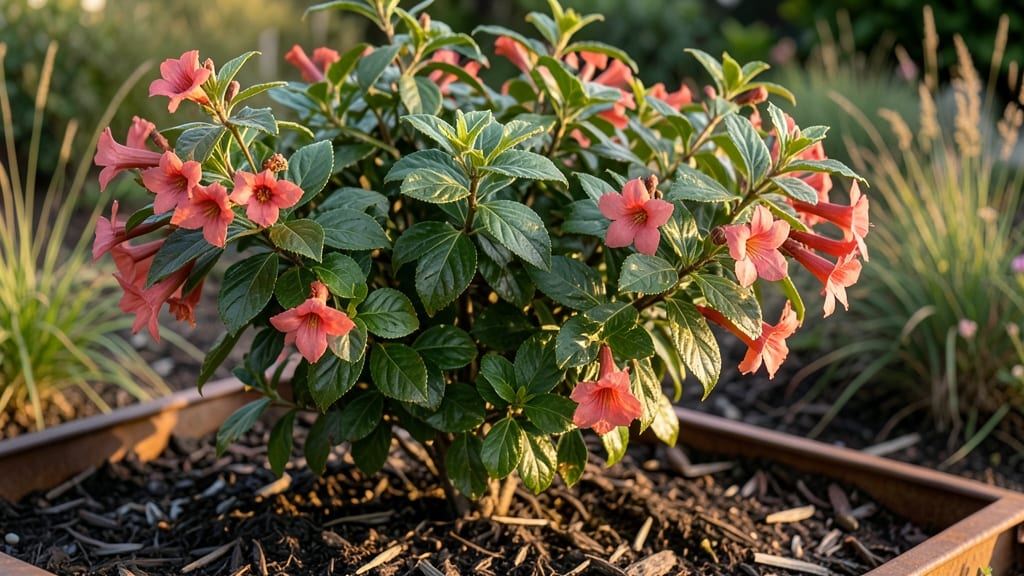
The Chinese flower bush thrives where others freeze—its frost-resistant varieties bring year-round color to Pacific Northwest gardens, even after snow falls. 🌿 I planted mine last October, and by spring, it was already bursting with blooms, proving it’s one of the toughest shrubs for our chilly climate.
The key isn’t just hardiness; it’s the way it transforms a dull winter border into a splash of pink or white when everything else sleeps.
You’ll need well-draining soil, 6 hours of sunlight daily, and a spot sheltered from harsh winds—these bushes hate soggy roots but love consistent moisture. Most varieties top out at 6-8 feet, making them perfect for hedges or focal points.
Prune lightly after blooming to shape it, and watch as it rebounds with fresh growth by late summer. The fragrance alone makes it worth growing, especially when bees and hummingbirds flock to its flowers.
By next spring, your Chinese flower bush will be the showstopper of your garden, with bold blooms that last from late winter through fall. Even in Zone 7’s cold snaps, it stays green and productive, unlike finicky annuals.
The best part? It’s low-maintenance once established—just feed it in early spring and water during droughts. You’ll wonder why you didn’t add one years ago.
Works beautifully as a privacy screen, border plant, or standalone specimen. For extra drama, pair it with evergreens like boxwood or hemlock. Let’s get yours planted before next winter—your future self will thank you for the color.
📚 In This Guide
- What you need
- Instructions
- Tips and common mistakes
- Wrapping up and next steps
What you need
- ● Chinese Flower Bush (Weigela florida or related varieties): 1–3 mature plants (3–5 ft tall) or 5–10 young nursery-grown shrubs (1–2 ft tall) for fuller coverage.
- ● Frost-resistant varieties: Look for 'Wine & Roses', 'Alexandra', or 'Midnight Wine'—these thrive in USDA Zones 4–8.
- ● High-quality potting soil or native garden soil: 5–10 cubic feet (for in-ground planting) or 2–3 bags (for containers).
- ● Organic compost or aged manure: 1–2 gallons to enrich soil fertility.
- ● Slow-release fertilizer (10-10-10 or 20-20-20): 1–2 lbs for planting season.
- ● Mulch (cedar chips or pine bark): 2–3 inches to retain moisture and protect roots.
- ● Gardening tools: Trowel or hand shovel (for small plants).
- ● Spade or digging fork (for mature shrubs).
- ● Pruning shears (sterilized with rubbing alcohol).
- ● Garden gloves (to protect from thorns or soil).
- ○ Container option (optional): 1–2 large pots (15–20 gallons each) with drainage holes.
- ● Container-specific potting mix (lightweight and well-draining).
- ● Watering can or hose with adjustable nozzle: For gentle, deep watering.
- ○ pH testing kit (optional): To ensure soil pH is between 6.0–7.0 (ideal for Weigela).
Step-by-Step guide to planting and caring for frost-resistant Chinese flower bushes
Here's how to establish hardy Chinese flower bushes that thrive in the Pacific Northwest's cool, wet climate.
🌱 Step 1: Choose the Right Variety and Planting Site
Select cold-hardy varieties like Abelia × grandiflora 'Francis Mason' or Weigela florida 'Wine and Roses,' which handle 10-25°F temperatures without damage. These shrubs love morning sun with afternoon shade—ideal for PNW's mild summers and damp winters.
Test your site's drainage by digging a 12-inch deep hole. If water pools after 30 minutes, amend the soil with 3 inches of compost mixed into the top 6 inches of native soil. Chinese flower bushes despise soggy roots, so raised beds or slopes work best in heavy clay areas.
🪴 Step 2: Plant at the Correct Depth and Spacing
Dig a hole twice as wide as the root ball but no deeper. Gently remove the plant from its container and loosen tangled roots with your fingers. Place it in the hole so the top of the root ball sits 1 inch above ground level—settling will occur over time.
Space plants 4-6 feet apart for mature size. In windy PNW locations, add a stake and twine to support young stems during winter storms. Backfill with native soil mixed with 1 gallon of compost, tamping lightly every 6 inches to eliminate air pockets.
☀️ Step 3: Water Deeply and Mulch for Winter Protection
Water immediately after planting to settle the soil, then provide 1 inch of water weekly during the first growing season. Check moisture by sticking your finger 2 inches deep—if dry, water again. Overhead watering encourages fungal diseases, so use a soaker hose at the base.
Apply 3 inches of shredded bark mulch in a 3-inch wide ring around the plant, keeping it 4 inches away from the stem. This mulch layer insulates roots through winter while preventing soil compaction. Replenish mulch annually in early spring before new growth begins.
✂️ Step 4: Prune for Shape and Encourage Blooms
Prune immediately after flowering in late summer to shape the bush. Remove 1/3 of the oldest stems at the base to stimulate new growth. Cut back leggy branches by 1/2 their length to encourage bushier, more colorful foliage.
In early spring, trim any winter-damaged branches back to healthy green tissue. Avoid heavy pruning in fall—it reduces the plant's ability to harden off before cold snaps. You'll see fresh, vibrant blooms by mid-summer if you prune at the right time.
🌿 Step 5: Monitor for Pests and Adjust Care Seasonally
Watch for aphids or spider mites on new growth—spray with neem oil if you spot sticky residue on leaves. These pests thrive in dry conditions, so consistent moisture helps deter them. Avoid chemical sprays, as they harm beneficial insects.
In late fall, apply a 2-inch thick layer of mulch over the root zone to protect against freezing. Reduce watering in winter unless temperatures drop below 20°F, then provide a light soaking to prevent desiccation. Your bush will reward you with year-round interest if you maintain this seasonal routine.
Tips & tricks for perfect Chinese flower bush planting
These little details make all the difference when establishing hardy shrubs that will thrive year-round in our Pacific Northwest climate.
Soil Test First: Before amending soil, grab a handful of your native dirt and squeeze it tightly. If it holds its shape like clay after 30 minutes (as mentioned in Step 1), you absolutely need that raised bed or slope—no exceptions. For heavy clay areas, consider mixing in 20% perlite with the compost to improve drainage even further. The goal is roots that breathe, not roots that suffocate.
The 1-Inch Rule: When planting in Step 2, that 1-inch elevation of the root ball above ground level isn't just arbitrary—it accounts for soil settling. After backfilling, gently press down with your foot, then check again in a week. If the soil has settled below the original root ball line, add a bit more soil and compost mixture to maintain that critical elevation.
Mulch Timing Matters: The 3-inch mulch ring in Step 3 should go on immediately after planting, but here's the trick: wait until the soil has settled slightly (about 3-5 days) before applying. This prevents the mulch from pressing against the stem as the soil naturally compacts. Also, avoid piling mulch against the trunk—keep that 4-inch clearance to prevent rot and pests.
Winter Watering Hack: When temperatures drop below 20°F in Step 5, that "light soaking" should be done in the late afternoon. Watering at this time gives roots time to absorb moisture before evening temperatures drop again. Use a hose with a gentle spray nozzle to avoid disturbing the protective mulch layer while still delivering water directly to the root zone.
Pro Tips for Chinese Flower Bush
- These little details make all the difference when establishing hardy shrubs that will thrive year-round in our Pacifi...
- Soil Test First: Before amending soil, grab a handful of your native dirt and squeeze it tightly. If it holds its sha...
- The 1-Inch Rule: When planting in Step 2, that 1-inch elevation of the root ball above ground level isn't just arbitr...
Frequently asked questions
Got questions about growing Chinese flower bushes in the Pacific Northwest?
Here are some of the most common ones—plus quick answers to help you cultivate vibrant, frost-resistant blooms with ease!
What’s the best time to plant a Chinese flower bush in the PNW?
Plant in early spring (March–April) or early fall (September–October) for optimal root establishment. Avoid planting in late fall or winter, as frost can stress young plants. If buying bare-root, soak roots for 2–4 hours before planting to reduce transplant shock!
Are Chinese flower bushes truly frost-hardy in the PNW?
Yes! Most varieties (like Weigela florida or Abelia x grandiflora) tolerate USDA Zones 5–9, handling light frosts down to 10–15°F. For extra protection, mulch heavily in winter and choose dwarf or compact varieties that recover faster from cold snaps.
How do I keep my Chinese flower bush blooming all season?
Prune right after flowering (late spring/early summer) to encourage new growth. Deadhead spent blooms regularly, and fertilize lightly in early spring and mid-summer with a balanced 10-10-10 formula. Pro tip: Avoid heavy pruning in fall—it can reduce winter hardiness!
What pests or diseases should I watch for in PNW Chinese flower bushes?
Common issues include:
- Aphids (sap-sucking insects) – Spray with water or use neem oil.
- Powdery mildew (white fungal coating) – Improve airflow and apply fungicide if severe.
- Spider mites (tiny webs) – Keep plants hydrated and use insecticidal soap.
Resistant varieties like Weigela ‘Wine & Roses’ are less prone to these problems.
Can I grow Chinese flower bushes in containers?
Dwarf varieties (e.g., Abelia ‘Kaleidoscope’) thrive in 15–20 gallon pots with well-draining soil. Use a fast-draining mix and repot every 2–3 years. Place containers in partial sun (4–6 hours/day) and water when the top inch of soil is dry. Bonus: Containers let you move plants to sheltered spots during harsh winters!
Wrapping up and next steps
Transforming your Pacific Northwest garden into a vibrant, frost-resistant haven is easier than you think! With the right Chinese flower bush varieties—like the hardy Weigela florida or Abelia x grandiflora—you can enjoy year-round color, minimal fuss, and stunning blooms that thrive even in chilly climates. 🌸❄️
Ready to get started? Pick your favorite variety, gather your supplies, and plant with confidence—your garden will thank you! For extra inspiration, browse local nurseries or join gardening forums to share your progress and swap tips with fellow PNW enthusiasts.