Neem Oil
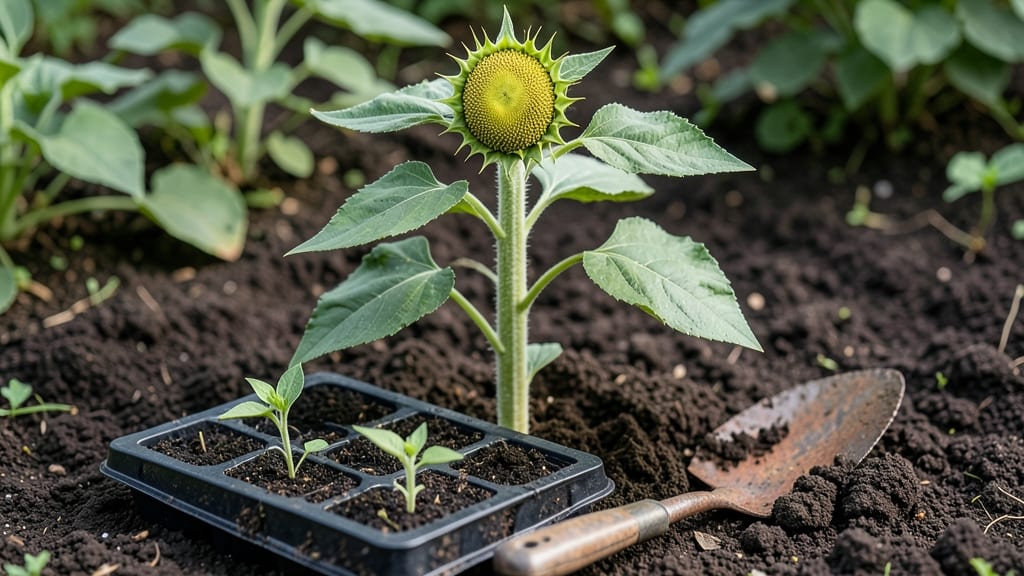
Giant sunflower sprouts grow faster than you’d expect—ready to harvest in just 5-7 days—packing your salads with protein and crunch. I’ve grown these for years, and the secret lies in the right seeds, a damp paper towel, and a sunny windowsill.
No soil, no fuss—just pure, vibrant greens that taste nothing like store-bought microgreens.
The trick starts with black oil sunflower seeds (unsalted, raw), which germinate reliably even in cool kitchens. Soak them overnight, then spread them on a damp towel in a shallow tray. Keep them moist but not soggy, and within 24 hours, you’ll see tiny radicles poking through.
A grow light or south-facing window speeds things up, but they’ll still sprout in dimmer light—just slower.
By day 5, you’ll have 3-4 inch sprouts with thick stems and tangy leaves, perfect for tossing into bowls. The flavor is nutty, slightly bitter, and way more satisfying than baby spinach. Plus, they’re easy to grow again and again—no replanting, no waiting for summer.
Troubleshooting is simple: if sprouts stay weak, check your water (too much drowns them; too little stalls growth). For extra crunch, thin them to 1 inch apart by day 3. Once you try these, you’ll never buy microgreens again—they’re faster, cheaper, and way more rewarding.
📚 In This Guide
- What you need
- Instructions
- Tips and common mistakes
- Wrapping up and next steps
What you need
- ● Sunflower seeds (raw, unsalted, and organic): 1–2 cups (about 200–300g) – Choose black oil sunflower seeds for the best flavor and nutrient density.
- ● Sprouting jar (quart-sized mason jar or dedicated sprouting container): 1 jar with a fine-mesh lid or sprouting lid (or a clean, breathable cloth + rubber band).
- ● Strainer or colander (stainless steel preferred): 1 medium-sized (for rinsing and draining).
- ● Water (filtered or distilled, room temperature): Enough to soak seeds (about 2–3 cups initially).
- ○ Sprouting tray or growing mat (for larger batches): Optional but helpful for even airflow if growing beyond 1 jar.
- ● Spray bottle (with fine mist setting): For gentle rinsing without over-saturating sprouts.
- ○ Food dehydrator or paper towels: To dry sprouts for snacks or salads (optional but extends shelf life).
- ● Notebook or app (e.g., SproutTracker): To log germination progress and timing!
- ● A clean workspace (easy-to-wipe counter or sink area).
- ● Consistent temperature (65–75°F / 18–24°C) – Avoid drafts or direct sunlight during germination.
- ● Patience (2–4 days max!) – Sunflower sprouts germinate fast but need attention.
Step-by-step guide to growing giant sunflower sprouts
Here’s how to grow these nutrient-dense greens quickly—no greenhouse needed.
Select and Soak the Seeds
Choose organic sunflower seeds (unsalted, raw) for sprouting. Rinse 1 cup of seeds under cool water to remove debris, then soak them in a quart-sized jar covered with a breathable cloth or screen. Let them soak for 8–12 hours—this softens the outer shell and kickstarts germination. I like to use a wide-mouth jar so seeds don’t overcrowd; they’ll expand as they soak.
After soaking, drain the water completely. Leave the jar tilted on a rack or in a colander to allow excess water to escape. This prevents mold, which thrives in damp, stagnant conditions. You’ll notice the seeds plump up slightly—this is your cue they’re ready for the next step.
Rinse and Drain Daily for 3–5 Days
Place the jar in a well-ventilated spot with indirect light—direct sun at this stage can scorch the delicate sprouts. Rinse the seeds 2–3 times daily with cool water, swirling gently to ensure even coverage. After each rinse, drain thoroughly for 10–15 minutes to prevent sogginess. I set a timer to remind myself; consistency is key here.
By day 3, you’ll see tiny white roots emerging—this is when the sprouts start their rapid growth phase. If you notice any seeds remaining hard or unspotted, they may not germinate. Remove them to avoid slowing down the batch. The goal is uniform moisture and airflow—this ensures all sprouts grow at the same pace.
Transfer to a Sprouting Tray for Light Exposure
Once the sprouts reach 1–2 inches tall (around day 4–5), transfer them to a sprouting tray or shallow container with drainage holes. Spread them in an even layer, ensuring they’re not overlapping—crowding leads to weak, leggy growth. Place the tray in bright, indirect light (a south-facing windowsill works well) for 12–16 hours daily. Avoid direct sunlight, which can cause the greens to yellow prematurely.
Continue rinsing once daily and draining well after each rinse. After 24 hours in the tray, you’ll see the cotyledons (first true leaves) unfurl—this is your signal the sprouts are thriving. If you spot any mold (fuzzy white or black spots), discard the batch immediately and sanitize your tools. Mold spreads fast and can ruin an entire crop.
Harvest at Peak Freshness
Sunflower sprouts are ready to harvest when they reach 3–4 inches tall, typically 5–7 days after soaking. Use clean, sharp scissors to snip the stems just above the base. Harvest in the morning when the greens are crispest. I like to rinse them one last time in cool water and pat dry gently with a paper towel—this keeps them fresh longer.
Store harvested sprouts in an airtight container lined with a damp paper towel in the refrigerator for up to 5 days. For longer storage, dry them on a screen tray in a well-ventilated area out of direct sun. Once fully dehydrated (about 2–3 hours), store in an airtight jar away from light. Dried sprouts keep for weeks and make a nutrient-packed addition to salads, smoothies, or teas.
Tips & tricks for perfect giant sunflower sprouts
Common pitfalls—and how to sidestep every one—while growing these nutrient powerhouses.
Soaking Strategy: The 8–12 hour soak is critical, but don't cut corners here. If you're short on time, you can extend the soak up to 14 hours, but don't exceed that—longer soaking can lead to mold. I recommend using a wide-mouth jar to prevent overcrowding, which can create stagnant water pockets. After soaking, tilt the jar at a 45-degree angle on a rack to ensure complete drainage, preventing any moisture from pooling at the bottom.
Light Exposure: During the first 3–5 days, keep sprouts in indirect light to prevent scorching. Once transferred to a sprouting tray, position them near a south-facing window for 12–16 hours of bright, indirect light daily. If you don't have a south-facing window, a grow light placed 6–12 inches above the tray works perfectly. Rotate the tray occasionally to ensure even growth—this prevents leggy, weak sprouts that stretch toward the light source.
Mold Prevention: Mold is the biggest threat to your sprouts, so vigilance is key. After each rinse, drain thoroughly for the full 10–15 minutes—don't rush this step. If you notice any fuzzy white or black spots, discard the entire batch immediately. To further reduce risk, sanitize your jar and tools with a 1:10 vinegar-to-water solution before each use. I also recommend using a breathable cloth or screen to cover the jar during soaking, which allows airflow while keeping out contaminants.
Harvest Timing: Harvest your sprouts in the morning when they're at their crispest, typically when they reach 3–4 inches tall. If you wait too long, the greens can become bitter and tough. For the freshest flavor, use them within 24 hours of harvesting. If you're drying them for longer storage, spread them on a screen tray in a well-ventilated area with indirect airflow. This prevents moisture buildup and ensures even drying within the 2–3 hour window.
Pro Tips for Giant Sunflower Sprouts
- Common pitfalls—and how to sidestep every one—while growing these nutrient powerhouses.
- Soaking Strategy: The 8–12 hour soak is critical, but don't cut corners here. If you're short on time, you can extend...
- Light Exposure: During the first 3–5 days, keep sprouts in indirect light to prevent scorching. Once transferred to a...
Frequently asked questions
Got questions about growing giant sunflower sprouts?
Here are some of the most common ones—and their easy answers to help you succeed! Whether you're a beginner or just curious, this FAQ will clear up any confusion about timing, care, and troubleshooting. Let’s get growing!
How long does it take for giant sunflower sprouts to germinate?
Giant sunflower sprouts typically sprout within 24–48 hours when soaked in water. After that, they’ll grow rapidly—ready for harvest in just 3–5 days total. Keep them in a warm, dark place (like a jar on your counter) for the fastest results. Pro tip: Rinse them twice daily to prevent mold and keep them crisp!
Do I need special equipment to grow giant sunflower sprouts?
Not at all! You only need a few basics: sunflower seeds (raw, untreated), a wide-mouth jar or sprouting tray, a mesh lid or cheesecloth, and clean water. No fancy tools required—just repurpose what you have at home! For larger batches, a sprouting tray with a drain works great for hands-free growing.
What’s the best time of year to grow giant sunflower sprouts?
Giant sunflower sprouts thrive year-round indoors—no seasonal limits! Since they grow so fast (just days!), you can harvest them anytime. If growing outdoors, plant seeds in spring or early summer for optimal sun exposure, but indoor sprouting is the easiest way to enjoy them fresh all winter long. Bonus: They’re perfect for adding to salads, sandwiches, or smoothies!
Why are my giant sunflower sprouts turning yellow or moldy?
Yellowing or mold (fuzzy spots) usually means overwatering or poor airflow. To fix it:
- Rinse sprouts 2x daily (morning/evening) with clean water.
- Use a mesh lid or tray to improve drainage.
- Store in a cool, dry place after rinsing to prevent excess moisture.
Can I eat giant sunflower sprouts raw, or do I need to cook them?
Yes! Giant sunflower sprouts are best enjoyed raw to preserve their nutrients, enzymes, and crisp texture. Toss them into salads, blend into smoothies, or sprinkle on sandwiches for a nutty, crunchy boost. If you prefer them cooked, lightly sauté them for 30–60 seconds to soften—just don’t overcook, or they’ll lose their vibrant flavor. Fun fact: They’re packed with protein, healthy fats, and vitamin E!
Wrapping up and next steps
Growing giant sunflower sprouts is a rewarding way to add nutrient-packed greens to your salads in just days! These fast-sprouting superstars are rich in vitamins, minerals, and antioxidants, making them a game-changer for health-conscious gardeners.
Whether you're a beginner or a seasoned green thumb, this method is simple, cost-effective, and endlessly customizable.
Ready to harvest your own sunshine-filled sprouts? Start small—grab your supplies, follow the steps, and watch your kitchen transform into a mini greenhouse. Next up: Experiment with flavors by pairing your sunflower sprouts with other sprouts, herbs, or even a sprinkle of lemon for a zesty twist! 🌱✨