
Flowers
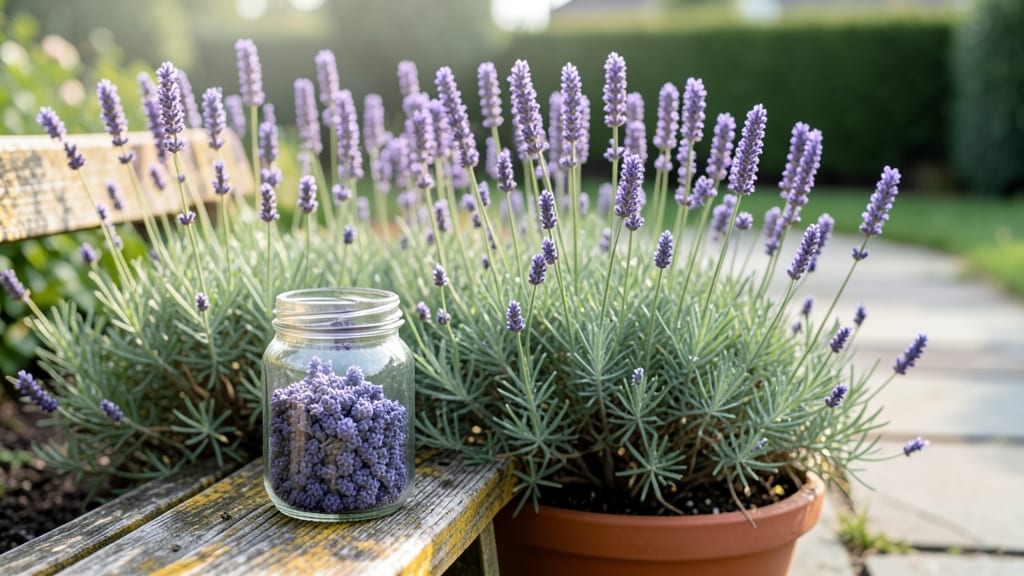
Nothing transforms a garden quite like the best scented flowers—their velvety petals releasing waves of fragrance that turn a simple afternoon into a sensory escape. 🌸 I remember the first time I walked through my neighbor’s garden in July, where the air smelled like crushed mint and sweet peaches, and I knew I had to recreate that magic in my own space.
The secret isn’t just picking pretty blooms—it’s choosing varieties that thrive in your climate and sunlight, then placing them where you’ll notice (and enjoy) their scent most. Think evening strolls past a moonlit border of night-scented stocks, or morning coffee on the patio surrounded by lavender and roses.
These fragrant stars bloom from spring to fall, so you’ll have a year-round perfume garden if you plan right.
You’ll end up with a garden that doesn’t just look stunning but feels like a hug—whether it’s the honeyed sweetness of gardenias, the citrusy zing of lemon balm, or the spicy depth of jasmine.
The best part? Many of these work in containers, so even small spaces can become fragrant retreats. Let’s build your dream sensory garden, one petal at a time.
From full-sun borders to shady nooks, we’ll cover the top picks, their care needs, and how to layer them for maximum fragrance impact. Your garden isn’t just a view—it’s an experience waiting to unfold.
📚 In This Guide
- What you need
- Instructions
- Tips and common mistakes
- Wrapping up and next steps
What you need
- ● Scented flower seeds or plants: 1–5 plants (depending on variety) of fragrant favorites like jasmine, gardenia, lavender, roses, or night-blooming jasmine.
- ● Quantity tip: Start with 2–3 plants for small spaces or containers, 5+ for larger gardens.
- ● Well-draining potting soil: 1–2 bags (10–20 lbs each) of high-quality, organic soil mix (e.g., Miracle-Gro Potting Mix or FoxFarm Ocean Forest).
- ● Containers or garden bed: For containers: 5–10-inch pots (1–2 per plant) with drainage holes.
- ● For in-ground planting: A sunny spot with at least 6+ hours of sunlight daily.
- ● Watering can or hose: With a gentle spray nozzle for even moisture.
- ● Fertilizer: Balanced liquid fertilizer (e.g., 10-10-10 NPK ratio) or slow-release granules.
- ○ Optional: Organic options like fish emulsion or compost tea for a natural boost.
- ● Pruning shears: For trimming dead blooms or shaping plants (e.g., Fiskars Classic Pruners).
- ● Mulch: 1–2 bags of organic mulch (e.g., pine straw or cocoa hulls) to retain moisture and suppress weeds.
- ● Pest control: Neem oil or insecticidal soap (for organic pest management).
- ● Ladybugs or lacewings (natural predators for common pests).
- ● Decorative elements: Garden stakes or trellises (for climbing varieties like jasmine or clematis).
- ● Scented sachets or potpourri (to amplify aromas indoors).
How to choose and plant the best scented flowers for maximum fragrance
Here's how to pick and plant fragrant blooms that'll make your garden smell like a dream.
🌱 Step 1: Pick the Right Fragrant Varieties for Your Climate
Start with disease-resistant, heavy-scented varieties like Dianthus 'Firewitch' (clove-like), Lavender 'Munstead' (herbal-citrus), or Sweet Alyssum 'Snow Crush' (honey-like). These thrive in full sun and well-drained soil—critical for strong fragrance production. Check your hardiness zone: Zone 5-9 varieties like Mock Orange (Philadelphus) need winter protection, while Zone 10 favorites like Jasmine 'Grand Duke of Tuscany' stay evergreen year-round.
Here's the thing—some flowers release scent at dawn or dusk, while others peak at midday. Night-blooming jasmine and evening primrose are perfect for garden strolls after sunset. I always plant at least one morning-scented (like lilacs) and one evening-scented variety to extend the fragrance window. Avoid overly hybridized flowers—they often sacrifice scent for showy blooms.
☀️ Step 2: Plant in High-Traffic, Well-Drained Spots
Place fragrant plants where you'll walk by daily—near patios, entryways, or seating areas. Dianthus and roses need 6+ hours of direct sun to develop their strongest aroma. I dig a hole twice as wide as the root ball but only as deep—planting too deep suffocates roots and weakens scent production. Amend the soil with 1 part compost to improve drainage (waterlogged roots = weak fragrance).
Group complementary scents together: Lavender + rosemary create a Mediterranean vibe, while jasmine + gardenia feel tropical. Space plants 18-24 inches apart—crowding reduces airflow, which dulls scent. Mulch with 2 inches of pine bark to retain moisture without compacting soil (compacted soil = poor root health = faint fragrance).
💧 Step 3: Water Deeply but Sparingly for Stronger Aroma
Water deeply 1-2 times per week (until 6 inches of soil feels moist), but never let them sit in soggy soil. Overwatering dilutes essential oils that carry scent. I check moisture by pushing a finger 2 inches into soil—if it's dry, water; if damp, wait. Morning watering prevents fungal diseases that can weaken plants (and their fragrance).
Here's a pro tip: Deadhead spent blooms every 2-3 days to encourage new growth—and new scent production. I snip just above a leaf node with clean pruners (never tear stems). For roses and jasmine, a light trim after flowering promotes bushier growth, which means more blooms = more scent.
✂️ Step 4: Prune and Feed for Year-Round Fragrance
Feed with a balanced 10-10-10 fertilizer every 6 weeks during growing season (spring to fall). Lavender and rosemary hate rich soil—use half the recommended dose to avoid leggy, weak growth. Prune back one-third of old growth in early spring (before new shoots appear). This refreshes plants and boosts scent intensity for the season.
Real talk: Some scents fade in heat (like lilacs) or freeze in cold (like gardenias). If your garden gets hotter than 90°F, provide afternoon shade for heat-sensitive varieties. In Zone 5 or colder, mulch heavily with 4 inches of straw to protect roots through winter. Even dormant plants will reward you with stronger scent next spring.
🌿 Step 5: Extend Scent with Companion Planting
Plant fragrant herbs like thyme, mint, or lemon balm at the base of flowers—their scent blends beautifully and deters pests. Marigolds near roses repel aphids (which dull fragrance). I also tuck scented annuals like sweet peas or stocks near trellises—their vines climb upward, carrying their perfume to eye level.
For long-lasting fragrance, interplant perennials (like peony or phlox) with short-lived annuals (like sweet alyssum). This way, you always have something blooming—and smelling—throughout the season. Avoid planting fragrant flowers near high-traffic areas with strong winds—the scent disperses too quickly. Instead, create a scented "bouquet bed" where breezes carry the aroma toward seating areas.
Tips & tricks for perfectly fragrant flower gardens
Your garden deserves to smell as stunning as it looks—and these little-known tricks will make all the difference!
Scent Timing is Everything: In Step 1, when you're selecting varieties, remember that scent release varies dramatically. Night-blooming jasmine and evening primrose release their most intense fragrance after sunset—perfect for evening strolls. For morning scent lovers, lilacs and mock orange peak early. I always plant at least three varieties with different scent windows to create a continuous fragrance experience throughout the day.
Root Health = Scent Power: In Step 2, when planting, focus on that well-drained soil—waterlogged roots can't produce strong fragrance. Before planting, I always mix 1 part compost with native soil to improve drainage and aeration. For container plants, use a cactus/succulent mix with perlite—these flowers thrive in dry conditions and reward you with stronger scent production.
Deadheading for Double Scent: The 2-3 day deadheading tip in Step 3 is non-negotiable for scent lovers. When you remove spent blooms, you're not just keeping plants tidy—you're signaling the plant to redirect energy into producing new, fragrant blooms. Use clean pruners and always cut just above a leaf node to encourage bushier growth that translates to more scent molecules in the air.
Heat and Cold Protection: In Step 4, those 90°F+ temperature warnings are crucial. For heat-sensitive varieties like lilacs, I install lightweight shade cloth (30% shade) during peak afternoon heat. In colder zones, 4 inches of straw mulch creates an insulating blanket that protects roots through winter—your plants will reward you with stronger scent production the following spring.
Pro Tips for Best Scented Flowers
- Your garden deserves to smell as stunning as it looks—and these little-known tricks will make all the difference!
- Scent Timing is Everything: In Step 1, when you're selecting varieties, remember that scent release varies dramatically.
- Root Health = Scent Power: In Step 2, when planting, focus on that well-drained soil—waterlogged roots can't produce strong fragrance.
Frequently asked questions
Got questions about the best scented flowers?
You’re not alone! Here are answers to the most common queries to help you pick, grow, and enjoy fragrant blooms with confidence.
Which scented flowers are easiest to grow for beginners?
Start with low-maintenance stars like jasmine, lavender, or sweet alyssum. These thrive in full sun, need minimal water, and reward you with intoxicating fragrances. Pansies and stock are also forgiving—perfect for first-time gardeners!
When is the best time to plant scented flowers?
For most fragrant varieties, spring (after the last frost) or early fall are ideal. Cool-season bloomers like dianthus or snapdragons can even handle light frosts. Always check your USDA zone for specific timing!
Can I grow scented flowers in containers or small spaces?
Compact picks like miniature roses, dwarf gardenias, or trailing jasmine thrive in pots. Use well-draining soil and ensure containers are at least 12 inches deep. Just keep them in sunny spots for maximum fragrance.
Why aren’t my scented flowers smelling as strong?
Fragrance fades due to overcrowding, poor soil, or lack of sunlight. Prune dead blooms, fertilize with phosphorus-rich feed, and move plants to sunnier spots. Morning sunlight often intensifies scents—try planting near seating areas!
What’s a fragrant alternative to roses (which can be high-maintenance)?
Try gardenia (tropical, creamy scent), lilacs (springtime sweetness), or night-scented stocks (evening perfume). Honeysuckle is another winner—it’s hardy, fast-growing, and attracts pollinators too!
Wrapping up and next steps
Choosing the best scented flowers is like adding a symphony of nature’s finest aromas to your garden—whether you crave sweet jasmine, bold gardenia, or fresh lavender. These fragrant blooms don’t just brighten spaces; they elevate moods, attract pollinators, and create lasting memories. 🌸
Now that you’re inspired, why not take the next step? Start small with a single pot of lavender or plan a full sensory garden—your nose (and future visitors) will thank you! Ready to bloom? 🌿