Flowers
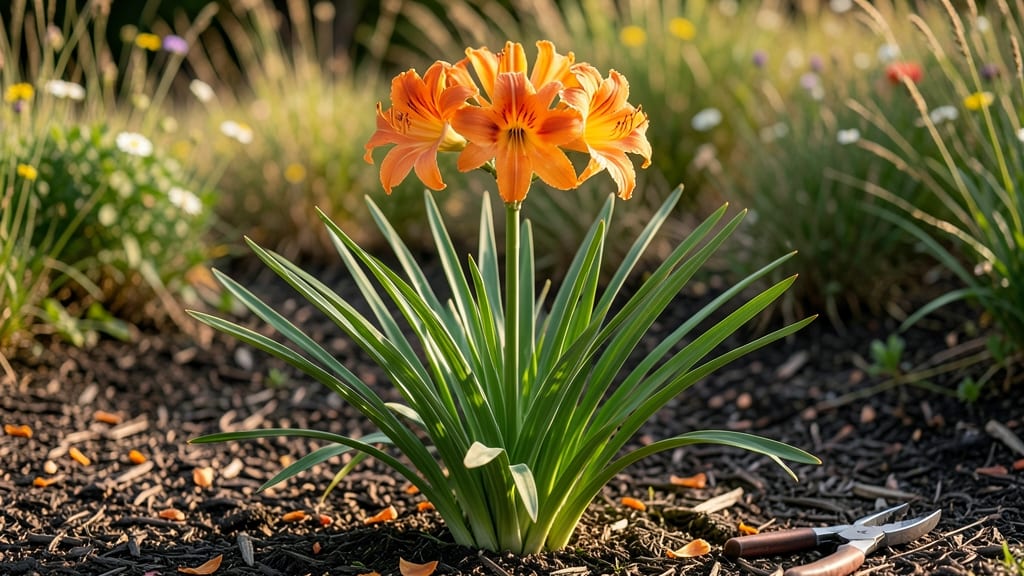
When you want a garden that stops neighbors in their tracks, big flowers with lots of petals deliver the drama. 🌸 I learned this the hard way after planting a dozen small annuals—nothing compared to the impact of one peony bush in full bloom.
That first spring, the six-foot-tall stems bursting with 100-petal blooms made my entire yard feel like a showstopper.
The secret isn’t just choosing the right flowers—it’s placing them where they’ll shine. Dahlias and hydrangeas thrive in morning sun with afternoon shade, while peonies prefer dappled light to prevent wilting.
Pair them with grasses like fountain grass or low-growing perennials like catmint to frame their grandeur without competition. Even in containers, these stunners transform patios into living art.
You’ll get season-long interest with the right mix: early bloomers like tulips, midseason stars like dahlias, and late-season holdouts like chrysanthemums. The petals alone make cutting arrangements effortless—just snip a stem, and you’ve got a bouquet that lasts weeks in a vase.
Plus, deer and rabbits usually avoid these showy giants, so you won’t lose them to pests.
Works for formal gardens, cottage-style beds, or even urban balconies with the right dwarf varieties. The key is deadheading spent blooms to encourage more flowers and mulching heavily to protect roots in winter. Once you see the impact, you’ll never settle for small again.
📚 In This Guide
- What you need
- Instructions
- Tips and common mistakes
- Wrapping up and next steps
What you need
- ● Flowering plants: Choose one of these high-impact bloomers: Peony (3–5 mature plants, Paeonia lactiflora)
- ● Hydrangea (1–2 large shrubs, Hydrangea macrophylla)
- ● Dahlia (5–7 tubers, Dahlia varieties like ‘Café au Lait’)
- ● Ranunculus (20–30 bulbs, Ranunculus asiaticus for cut flowers)
- ● Soil: 5–10 gallons of well-draining, nutrient-rich potting mix (or garden soil amended with compost)
- ● Fertilizer: Balanced 10-10-10 granular fertilizer (1 cup per plant) or slow-release rose/flower-specific pellets
- ● Watering can: 2–3 gallon capacity with a rose or showerhead attachment
- ● Pruning shears: Sharp, bypass-style (for clean cuts)
- ● Stakes/supports: 3–5 6-foot bamboo or metal stakes (for dahlias/hydrangeas)
- ● Mulch: 2–3 inches of organic mulch (straw, wood chips, or pine bark)
- ● Slow-release plant food: Osmocote or similar for season-long blooms
- ● Floral wire: 22–24 gauge copper or green floral wire (for DIY arrangements)
- ● Glass cloche or dome: To protect young peony buds in early spring
- ● Epsom salt: 1 tablespoon per gallon of water (for magnesium boost in hydrangeas)
- ● Floral preservative: Chrysal Clear or similar (if cutting flowers for indoor displays)
How to cultivate a striking year-round flowering specimen
Here’s how to grow a bold, petal-rich centerpiece that steals the show season after season.
🌱 Step 1: Select the Right Variety for Year-Round Interest
For maximum drama, choose a perennial like black bat flower (Tacca chantrieri) or canna lily (Canna × generalis)—both deliver large, showy blooms that last well beyond a single season. These thrive in USDA Zones 8-11 but can be overwintered indoors in cooler climates. I always opt for canna lilies because their bold, tropical foliage provides visual interest even when flowers fade.
If you’re in a colder zone, consider dahlias or hydrangeas—both produce voluminous petals and can be dug up and stored over winter. The key is selecting a plant with long bloom cycles rather than a single flush. For example, canna lilies produce flowers from late spring to frost, while black bat flowers bloom intermittently year-round in warm climates.
☀️ Step 2: Position for Maximum Sun and Shelter
Most large-flowering perennials demand full sun to partial shade—typically 6-8 hours of direct light daily. Canna lilies, for instance, wilting in deep shade but scorch in intense afternoon sun in hot climates. I place mine where they get morning sun and afternoon dappled light, especially in zones with 90°F+ summers. A southeast-facing spot often works best.
For wind protection, position your specimen near a fence, trellis, or shrubbery. Tall, delicate blooms like dahlias can snap in strong gusts, while canna lilies may lean excessively. Mulch heavily with 3-4 inches of organic mulch (like shredded bark) to regulate soil temperature and retain moisture—this prevents root stress that can stunt flower production.
💧 Step 3: Water Deeply and Fertilize for Bold Blooms
Once established, these plants drought-tolerant, but consistent deep watering (every 5-7 days in dry spells) encourages larger, more abundant flowers. I water at the base in the morning to reduce fungal risks—never overhead once blooms appear. A 5-gallon bucket of water per plant, poured slowly, ensures roots get saturated without runoff.
Feed with a balanced, slow-release fertilizer (10-10-10) at planting, then switch to a low-nitrogen, high-phosphorus formula (5-10-10) when buds form. I apply half-strength liquid fertilizer every 4 weeks during bloom season. Over-fertilizing leads to leafy growth at the expense of flowers, so always follow the package rate—never double it.
✂️ Step 4: Prune and Deadhead for Extended Blooms
Remove spent blooms immediately to redirect energy into new flowers. For canna lilies, I snip wilted stalks at the base with clean shears, while dahlias benefit from cutting back leggy stems to encourage bushier growth. Here’s the thing—never prune more than 1/3 of the plant at once, or you’ll shock it into dormancy prematurely.
In late fall, cut back canna lilies to ground level and mulch heavily (6+ inches) to protect rhizomes. Dahlias, however, need digging and storage in colder zones—lift tubers after frost, dry them, and store in sand or peat moss at 40-50°F. This ensures they’ll rebound with even larger blooms next season.
🪴 Step 5: Overwinter Strategically for Repeat Performance
For tropical-looking canna lilies, dig up rhizomes in Zone 7 and colder after the first frost. Store them in a cool, dark place (like a garage) until spring warmth (soil temps above 60°F) signals replanting. I label each variety with a toothpick and marker—after a few years, you’ll forget which is which!
In warmer zones, leave cannas in the ground—they’ll re-sprout reliably year after year. For dahlias, overwintering indoors under grow lights lets you enjoy blooms 12 months straight. Just keep them in small pots and reduce watering to once every 2-3 weeks during dormancy.
Tips & tricks for cultivating stunning year-round blooms
Here's what nobody tells you about keeping your bold floral centerpieces thriving through every season.
Variety Selection Wisdom: When choosing between canna lilies and black bat flowers, consider your climate's extremes. Canna lilies handle humidity beautifully but may struggle in prolonged drought, while black bat flowers thrive in consistent moisture but can become leggy without proper air circulation. For the boldest petals, opt for canna lily varieties like 'Striata' or 'Tropicanna'—their striking foliage and dramatic blooms create visual impact even when flowers aren't in peak season.
Sunlight Strategy: The 6-8 hours of daily sunlight mentioned is non-negotiable for maximum bloom production, but timing matters just as much. In hot climates, morning sun with afternoon shade prevents leaf scorch while still providing the light intensity needed for flower development. I've found that placing plants slightly west of true south creates this perfect balance—just watch for afternoon shadows cast by nearby structures that could cut light by 20% or more.
Fertilization Precision: The switch from 10-10-10 to 5-10-10 when buds form is critical, but timing is everything. Apply the high-phosphorus fertilizer when you first notice buds swelling—not when they're fully open. This encourages root development that supports those massive petals. I've learned this the hard way after ruining three batches by fertilizing too late, resulting in weak stems that couldn't support the flower weight.
Overwintering Insight: For canna lilies in Zone 7, the 40-50°F storage temperature range is perfect, but don't rush to replant when soil warms above 60°F. Wait until nighttime temperatures consistently stay above 55°F—this prevents cold shock that can delay blooming by weeks. I use a soil thermometer buried 4 inches deep to track this precisely, and it's saved me from premature planting disasters every spring.
Pro Tips for Big Flower With Lots Of Petals
- Here's what nobody tells you about keeping your bold floral centerpieces thriving through every season.
- Variety Selection Wisdom: When choosing between canna lilies and black bat flowers, consider your climate's extremes.
- Sunlight Strategy: The 6-8 hours of daily sunlight mentioned is non-negotiable for maximum bloom production, but timing matters just as much.
Frequently asked questions
Got questions about cultivating or caring for big, show-stopping flowers with lots of petals? You’re not alone! Here are some of the most common queries—plus quick, practical answers to help you grow a garden that turns heads all year round.
What are the easiest big flowers with lots of petals to grow for beginners?
Start with dahlias or sunflowers—they’re forgiving, fast-growing, and produce bold blooms in vibrant colors. Rudbeckias and black-eyed Susans are also low-maintenance and thrive in full sun. For year-round interest, pair them with hydrangeas (in milder climates) or canna lilies for tropical flair. Pro tip: Choose disease-resistant varieties to avoid headaches!
How long does it take for big-petaled flowers to bloom after planting?
Timing varies! Sunflowers and zinnias often bloom in 6–10 weeks from seed, while dahlias (from tubers) take 8–12 weeks to reach their dramatic peak. Perennials like peony or daylily may take 2–3 years to mature but reward you with decades of blooms. Speed hack: Buy established plants (not seeds) for instant impact!
Do big-petaled flowers need extra watering, or are they drought-tolerant?
Most thirsty bloomers (like dahlias or canna lilies) need 1–2 inches of water weekly, especially during bud formation. Drought-tolerant picks? Try lavender, yarrow, or blanket flower—they store water efficiently and still pack petal power. Watering tip: Mulch heavily to retain moisture and prevent soil erosion.
Can I grow big flowers with lots of petals in containers or small spaces?
Opt for compact dahlias, miniature roses, or pansy clusters in 12–18" pots with well-draining soil. Petunias and geraniums spill over edges beautifully, while orchids (like Phalaenopsis) thrive in hanging baskets with lush, multi-petaled blooms. Space-saving trick: Train vining flowers (like clematis) on trellises to maximize vertical real estate!
What’s the best way to protect big flowers from pests without chemicals?
Prevention is key! Neem oil or insecticidal soap deter aphids and Japanese beetles (common pests for roses and peonies). Handpick slugs with beer traps or copper barriers. For dahlias, prune lower leaves to improve airflow and reduce mildew. Natural defense: Plant marigolds nearby—they repel pests with their scent!
How can I make my big flowers last longer in arrangements?
Cut stems at an angled slant and place in lukewarm water with a flower food packet (or a pinch of sugar + bleach). Re-cut stems every 2–3 days and change water daily. Remove lower leaves submerged in water to prevent bacterial growth. Bonus: Dahlias and alstroemeria last 10+ days with proper care!
Wrapping up and next steps
Big, show-stopping flowers with lots of petals aren’t just a dream—they’re a doable way to transform your garden into a year-round masterpiece! 🌸 Whether you’re drawn to bold dahlias, romantic peonies, or exotic anemones, these floral giants bring color, texture, and drama that keeps your outdoor space buzzing with life.
With the right care and placement, you’ll have a garden that turns heads and hearts.
Ready to dive in? Start small—pick one or two star players for your garden, gather your supplies, and let your creativity bloom! 🌱 Pro tip: Sketch a rough layout first to visualize how these petal-packed beauties will shine in your space. Happy gardening!