
Flowers
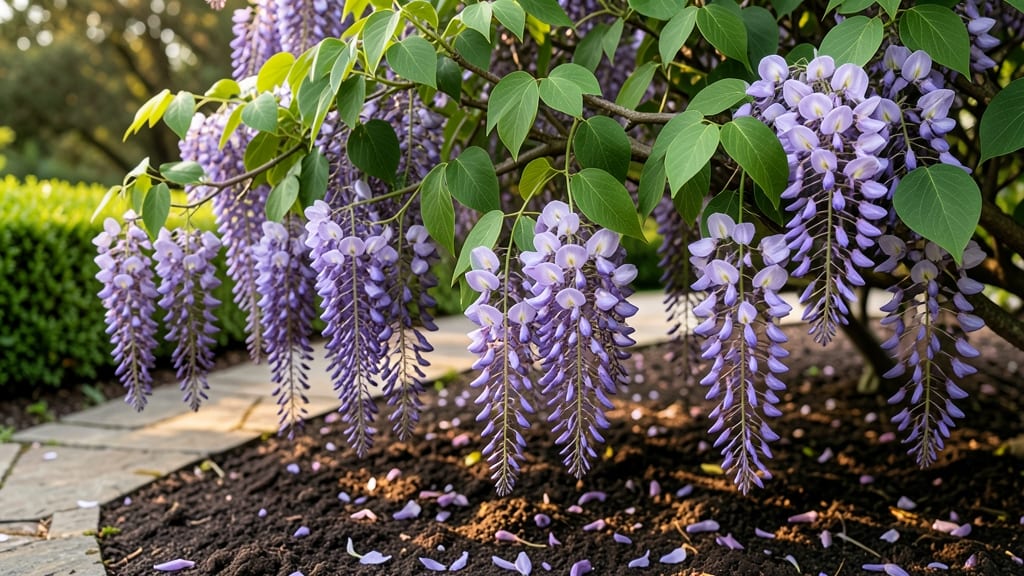
Big tree purple flowers transform a garden from ordinary to breathtaking with their towering presence and dramatic blooms. 🌿 I remember the first time I saw a Jacaranda in full purple cascade—it felt like a living waterfall, and I knew my yard needed one. These trees aren’t just pretty; they’re the backbone of a garden’s vertical story, drawing the eye upward and creating instant focal points.
They thrive in sunny spots with well-draining soil, making them perfect for patios, walkways, or as standalone stars.
Jacarandas and Royal Paulownias, for example, grow 20-40 feet tall with a spread that matches their height, while Purple Leaf Plums offer year-round interest with their deep purple foliage and early spring blooms.
The key is giving them room to stretch—think of them as living sculptures that outshine anything you could buy.
Pair them with silver foliage plants like lamb’s ear or ornamental grasses to make the purple pop even more. The contrast creates a visual feast that lasts from early spring through summer, with some varieties offering autumn color too.
Imagine your backyard as a gallery—these trees are the masterpieces that everyone notices first.
They’re not just showstoppers—they’re practical too. Their shade cools patios on hot days, and their dense canopies provide privacy while letting light filter through. If you’ve ever wanted a garden that feels like a grand stage, these purple giants are your leading actors.
Let’s talk placement and care to make them thrive in your space.
📚 In This Guide
- What you need
- Instructions
- Tips and common mistakes
- Wrapping up and next steps
What you need
- ● Purple flowering tree variety: 1–3 Catalpa (Catalpa bignonioides) – Fast-growing with trumpet-shaped blooms
- ● 1–2 Jacaranda (Jacaranda mimosifolia) – Drought-tolerant with cascading purple fronds
- ● 1 Royal Poinciana (Delonix regia) – Bold, fiery purple flowers (zones 9–11)
- ● 1–2 Purple Smoke Tree (Cotinus coggygria ‘Royal Purple’) – Dwarf option for smaller spaces
- ● Planting site: Full sun (6+ hours/day), well-draining soil, and space for mature height (15–50 ft, depending on variety)
- ● Organic mulch: 2–3 inches of wood chips or shredded bark to retain moisture
- ● Slow-release fertilizer: 1 lb of 10-10-10 or compost (for nutrient-rich soil)
- ● Watering can or hose: 5+ gallons capacity for deep watering
- ● Basic tools: Garden trowel or spade (for digging)
- ● Pruning shears (sterilized)
- ● Measuring tape (to mark planting depth)
- ● Support structures (if needed): Stakes or tree ties for young, top-heavy trees
- ● Trellis or arbor for climbing varieties (e.g., Wisteria)
- ○ Soil amendments (optional): 1–2 bags of perlite or sand (for sandy soil)
- ● Peat moss or coconut coir (for clay-heavy soil)
- ● Protective gear: Garden gloves (nitrile for prickly plants)
- ● Knee pads (for comfort)
- ○ Decorative touches (optional): Garden flags or stakes to label your tree
- ● Solar-powered lights for evening drama
Step-by-Step guide to planting purple flowering trees for striking height
Here’s how to create a showstopping vertical display with these bold beauties.
🌱 Step 1: Choose the Right Purple-Blooming Tree for Your Space
Start by picking a tree that fits your climate and yard size. Crape myrtle (Lagerstroemia) and purple leaf plum (Prunus cerasifera) are top choices—they thrive in full sun and handle heat well. If you want something taller, jacaranda delivers vibrant purple blooms in spring, but it prefers warmer regions.
Check your local hardiness zone before buying. A tree planted in the wrong zone will struggle, no matter how stunning its flowers. I always verify with the nursery or extension service—it saves headaches later. Look for young trees with a sturdy trunk and healthy branches; avoid leggy or sparse specimens.
🪴 Step 2: Dig the Planting Hole and Amend the Soil
Dig a hole twice as wide as the root ball but only as deep. This prevents burying the trunk too deep, which can cause rot. Loosen the soil at the bottom of the hole with a shovel or garden fork—this helps roots spread outward instead of circling.
If your soil is heavy clay or sandy, mix in 2-3 inches of compost or a slow-release fertilizer into the bottom of the hole. This gives your tree a nutrient boost right where it needs it most. Tap the tree gently into the hole so the root ball sits level with the surrounding soil—no tilting or leaning.
☀️ Step 3: Plant and Water for Strong Establishment
Backfill the hole with the original soil, pressing lightly to remove air pockets. Water deeply to settle the soil around the roots, then add a 2-inch layer of mulch (like wood chips) around the base, keeping it 6 inches away from the trunk. Mulch locks in moisture and keeps roots cool.
Water once a week for the first month, giving the tree 1-2 gallons each time. You’ll know it’s getting enough water when the soil feels damp 6 inches down. Avoid overwatering—soggy soil invites root rot, and these trees prefer well-draining conditions.
✂️ Step 4: Prune for Shape and Health in Early Spring
Wait until new growth appears in spring before pruning. Remove any dead, crossed, or rubbing branches first—they compete for energy and can damage the tree. Use clean, sharp pruners to make cuts just above a bud or branch collar.
Shape the tree by thinning out 10-20% of the canopy to improve airflow. This reduces disease risk and lets sunlight reach inner branches, encouraging more blooms. Avoid heavy pruning—it stresses the tree and can delay flowering. Think of it as a light haircut, not a buzz cut.
🌿 Step 5: Feed and Maintain for Year-Round Drama
Apply a balanced, slow-release fertilizer (like 10-10-10) in early spring, following package instructions. Purple-blooming trees need consistent nutrients to produce their vibrant flowers. I also add 1 inch of compost around the base in fall to replenish soil health.
Watch for pests like aphids or spider mites—they love tender new growth. Spray with neem oil if you spot them, and always check the undersides of leaves. A healthy tree with strong blooms is less attractive to pests, so keep it well-watered and fed.
Tips & tricks for stunning purple flowering trees
Here's what nobody tells you about getting those showstopping purple blooms to thrive from day one.
Location is Everything: Purple-blooming trees like crape myrtle and purple leaf plum absolutely crave full sun—think at least 6-8 hours of direct sunlight daily. I planted mine in a spot where it gets morning sun and afternoon shade, and the difference in bloom intensity is night and day. If your yard has limited sun, choose a jacaranda instead—it tolerates partial shade better while still delivering those dramatic purple flowers. The right spot makes all the difference between a few sad blooms and a spectacular vertical display.
Root Ball Secrets: When you're handling that root ball in Step 2, gently loosen any circling roots with your fingers before planting. I learned this the hard way after watching a tree struggle for years because its roots were bound like a pretzel. Also, don't be tempted to dig deeper than necessary—burying the trunk too deep suffocates the tree and prevents proper growth. That 2-inch layer of mulch you add? Keep it consistent—it's not just decoration, it's insulation that protects roots from temperature swings.
Watering Wisdom: Those first 30 days are critical. I've seen people overwater and create root rot just as easily as those who underwater. The key is checking soil moisture—stick your finger 6 inches down. If it feels dry, that's your cue to water. And here's a trick: water slowly at the base rather than splashing the leaves. Wet foliage invites fungal problems, and we want those trees putting all their energy into vibrant purple blooms, not fighting disease. Think deep and steady, not frequent light showers.
Pruning Pro Tips: When you're shaping that canopy in Step 4, focus on opening up the center first. I always start by removing any branches that cross or rub against each other—they'll eventually create wounds that invite pests. And here's something that'll save you headaches: make your cuts just above a bud that faces outward. This encourages the tree to grow in a way that maximizes airflow and sunlight penetration, which directly translates to more abundant blooms. Think of it as giving your tree a spa day—less stress means more energy for those stunning purple flowers.
Pro Tips for Big Tree Purple Flowers
- Here's what nobody tells you about getting those showstopping purple blooms to thrive from day one.
- Location is Everything: Purple-blooming trees like crape myrtle and purple leaf plum absolutely crave full sun—think at least 6-8 hours of direct sunlight daily.
- Root Ball Secrets: When you're handling that root ball in Step 2, gently loosen any circling roots with your fingers before planting.
Frequently asked questions
Got questions about adding big tree purple flowers to your garden? Here are answers to the most common inquiries—so you can plant with confidence!
What are the best big tree purple flowers for a garden focal point?
Top picks include Catalpa (with its dramatic blooms and towering height), Jacaranda (for vibrant purple cascades), and Lagerstroemia (crepe myrtle) for year-round interest. For shade lovers, Wisteria (though invasive in some areas) or Paulownia (fast-growing and stunning) are excellent choices.
When is the best time to plant these trees for maximum blooms?
Plant in early spring or fall when soil is workable but not frozen. This gives roots time to establish before summer heat or winter cold. For Jacaranda, avoid late spring planting—it needs time to root before dormancy. Always check your USDA zone for species-specific timing!
How much water do big purple-flowering trees need?
Newly planted trees need deep watering 2–3 times per week for the first year. Mature trees (like Catalpa or Lagerstroemia) thrive on 1–2 inches of water weekly, especially during droughts. Mulch around the base to retain moisture—just keep it 3–4 inches away from the trunk to prevent rot.
Are there any pests or diseases I should watch for with these trees?
Common issues include:
- Japanese beetles (chew leaves—use neem oil or traps).
- Powdery mildew (white fungus; improve airflow and avoid overhead watering).
- Root rot (from overwatering; ensure well-draining soil).
Regularly inspect leaves and bark. Prune dead branches promptly to keep trees healthy!
Can I grow big purple trees in containers, or do they need garden space?
Most won’t thrive in containers long-term—they need deep root zones. However, dwarf varieties like Lagerstroemia ‘Natchez’ (20–25 ft tall) can work in large pots (3+ feet wide) with regular pruning. For true giants (e.g., Jacaranda), plant in the ground where roots can spread freely.
Wrapping up and next steps
Big tree purple flowers are the ultimate statement-makers in any garden, offering dramatic height, vibrant color, and effortless elegance. Whether you’re drawn to the towering Catalpa, the regal Wisteria, or the fragrant Lilac, these giants transform outdoor spaces into breathtaking focal points.
With the right care—sunlight, soil, and patience—they’ll reward you with years of stunning blooms and shade.
Ready to elevate your garden’s vertical game? 🌿 Start by sketching your vision, researching the best purple varieties for your climate, and taking the first step—whether it’s planting a sapling or nurturing a cutting. Your future garden (and its visitors!) will thank you.