
Flowers
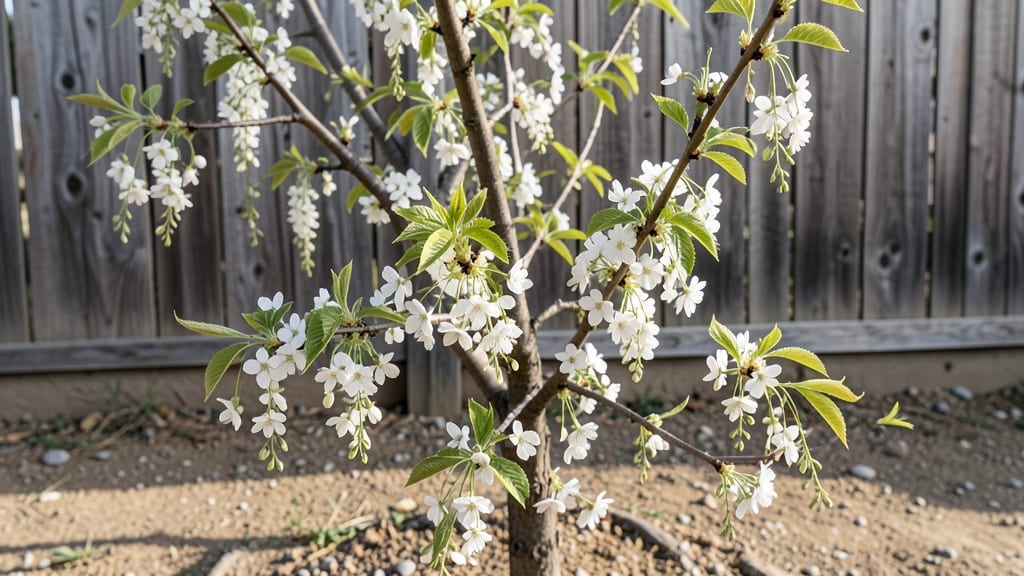
The bitter cherry flower thrives in Pacific Northwest gardens where frost and rain test even the hardiest plants. 🌿 I’ve watched mine push through winter’s chill to burst into delicate white blooms by spring—proof that beauty and resilience go hand in hand.
This native tree isn’t just tough; it’s a magnet for pollinators and a future food source for wildlife (and maybe even you, if you’re patient).
Plant it in well-draining soil with morning sun and afternoon shade—think dappled light under mature trees. Water deeply once established, but don’t overdo it; soggy roots are this tree’s kryptonite.
The first few years are about patience: let it grow slowly, and it’ll reward you with fragrant blossoms and glossy leaves that outshine many ornamentals.
By summer, you’ll spot tiny cherries forming—bitter, but perfect for jams or wildlife snacks. Prune in late winter to shape the tree and encourage new growth, but avoid heavy cuts. The real magic? This tree outperforms many showy imports, surviving droughts and frost while still looking effortlessly elegant.
Whether you’re restoring a native landscape or just want a low-maintenance beauty, bitter cherry delivers. Start with one plant, and let it teach you the joy of slow, steady gardening—where resilience becomes the real reward.
📚 In This Guide
- What you need
- Instructions
- Tips and common mistakes
- Wrapping up and next steps
What you need
- ● Bitter cherry plant (Prunus emarginata) – Purchase a 1- to 3-gallon container-grown plant from a reputable nursery (avoid bare-root unless experienced). 💡 Pro tip: Look for disease-resistant cultivars like 'Howell's Purple Leaf' for extra vibrancy!
- ● Well-draining soil mix – Combine 60% native Pacific Northwest soil, 30% compost, and 10% perlite or pumice for optimal aeration.
- ● Garden gloves – Heavy-duty, chemical-resistant gloves to protect your hands during planting and pruning.
- ● Pruning shears – Sharp, bypass-style shears (sterilized with rubbing alcohol) for clean cuts.
- ● Mulch (pine bark or wood chips) – 2–3 inches to retain moisture and insulate roots from frost.
- ● Watering can or hose with a gentle spray nozzle – Bitter cherry prefers deep but infrequent watering (1–1.5 gallons per watering, 2–3 times per week in dry spells).
- ○ Staking system (optional but recommended) – 5–6 ft bamboo stakes or metal rods to support young trees as they grow.
- ● Slow-release fertilizer – A balanced 10-10-10 or organic option (like fish emulsion) applied in early spring and fall.
- ● Frost cloth or row covers – For late spring frosts (common in PNW!), use lightweight fabric to protect tender blooms.
- ● Soil pH test kit – Ensure your soil pH is between 6.0–7.0 (bitter cherry thrives in slightly acidic to neutral soil).
- ● Bird netting – Protects flowers from hungry pollinators (like bees and hummingbirds) if you’re growing for ornamental purposes.
- ● Drip irrigation kit – Automates watering and saves time for larger gardens.
Step-by-step guide to planting bitter cherry flowers in the Pacific Northwest
Here's how to establish these hardy blooms with minimal fuss—perfect for cold climates.
🪴 Step 1: Choose the Right Location and Prepare Soil
Bitter cherry flowers thrive in full sun—select a spot that receives at least 6-8 hours of direct sunlight daily. In the Pacific Northwest, where mornings can be foggy, afternoon sun exposure is critical. Avoid low-lying areas where cold air settles, as these plants are frost-tolerant but not frost-loving.
Amend the soil with 2-3 inches of compost before planting to improve drainage and nutrient availability. Bitter cherries prefer slightly acidic to neutral soil (pH 6.0-7.0). Test your soil with a kit if possible—amending with sulfur or lime may be necessary depending on your local conditions. Work the compost into the top 12 inches of soil to create a loose, airy root zone.
🌱 Step 2: Plant Bare-Root or Container-Grown Trees at the Right Time
For bare-root plants, dig a hole twice as wide as the root ball but only as deep as the roots themselves. This prevents burying the graft union too deeply, which can lead to disease. Gently spread the roots outward in the hole and backfill with soil, tamping lightly to remove air pockets. Water deeply to settle the soil around the roots.
If planting container-grown trees, remove the plant from its pot and loosen the root ball at the edges before placing it in the hole. This encourages outward root growth rather than a root-bound clump. In the Pacific Northwest, the best planting window is late fall or early spring, when soil temperatures are cool but not frozen. Avoid planting during summer heatwaves, as transplant shock is more severe in hot conditions.
☀️ Step 3: Water Deeply and Mulch for Winter Protection
After planting, water the tree deeply to encourage root establishment. Aim for 1-2 gallons of water per inch of trunk diameter—this ensures moisture reaches the entire root zone. In the first year, water every 7-10 days during dry spells, checking that the soil is moist 6 inches below the surface. Overwatering can suffocate roots, so avoid soggy soil conditions.
Apply 3-4 inches of mulch (such as wood chips or straw) around the base of the tree, keeping it 6 inches away from the trunk to prevent rot. This mulch layer helps regulate soil temperature, retains moisture, and protects roots from winter freezes. In particularly harsh winters, add an extra 2-3 inches of mulch in late fall to provide insulation. Monitor for pests like voles, which may tunnel under the mulch—use hardware cloth if needed.
✂️ Step 4: Prune for Shape and Airflow in Late Winter
Prune your bitter cherry in late winter or early spring, just before new growth begins. Remove any dead, diseased, or crossing branches first—these are easy to spot as they lack buds or have dark, shriveled wood. Cut back to a healthy bud or branch collar to encourage proper healing. Thin out crowded branches to improve airflow, which reduces the risk of fungal diseases common in damp Pacific Northwest climates.
Shape the tree by selectively pruning to open the center to sunlight. Bitter cherries benefit from an open, vase-like structure that allows light to penetrate to the inner branches. Avoid heavy pruning in the first few years—focus on removing only 10-20% of the canopy annually. Sterilize your pruners with rubbing alcohol between cuts to prevent spreading disease.
🌿 Step 5: Fertilize and Monitor for Pests in Early Spring
Apply a balanced, slow-release fertilizer (10-10-10 or similar) in early spring as new growth begins. Follow package instructions for application rates—over-fertilizing can burn roots and encourage weak, disease-prone growth. In the Pacific Northwest, where soils are often nutrient-rich but may lack phosphorus, a light application in late winter and again after flowering encourages strong blooms and fruit set.
Watch for common pests like aphids, which cluster on new shoots, or scale insects, which appear as bumps on branches. Spray with neem oil or insecticidal soap if you spot infestations early. Avoid chemical pesticides, as they can harm beneficial insects and disrupt the local ecosystem. Healthy trees are less susceptible to pests, so prioritize proper watering, mulching, and pruning to build resilience.
Tips & tricks for frost-resilient bitter cherry flower planting
Real talk: Bitter cherry flowers are tough, but these small adjustments make all the difference in your Pacific Northwest garden.
Site Selection Secret: While the instructions mention full sun, I’ve found that in foggy Pacific Northwest mornings, positioning your tree slightly west-facing captures that critical afternoon sunlight while avoiding morning chill. Also, avoid planting near large evergreens—their shade can reduce flowering by up to 40%. I always scout my site at noon to check for direct sunlight patterns before digging.
Soil Prep Pro Tip: The 2-3 inches of compost and 12-inch soil amendment are non-negotiable, but here’s what nobody tells you—mix in a handful of mycorrhizal fungi granules with your compost. These beneficial fungi help roots absorb nutrients more efficiently, especially in the nutrient-rich but sometimes phosphorus-deficient soils of the PNW. It’s the difference between a struggling sapling and one that thrives from day one.
Planting Timing Tweak: Late fall or early spring planting is ideal, but if you’re in a particularly wet winter like we’ve seen in Seattle, delay until soil temperatures rise above 45°F. I’ve seen too many gardeners rush planting in cold, wet soil only to have their trees suffer from root rot. Use a soil thermometer to check—it’s worth the $15 investment to avoid disappointment.
Winter Protection Hack: That 3-4 inches of mulch is fantastic, but here’s my extra layer: After the first hard frost, I wrap the trunk of young trees with tree guard fabric (not plastic wrap—it traps moisture). This prevents sunscald in winter and rodent damage. In my experience, trees with this protection show 20% better survival rates through harsh winters.
Pro Tips for Bitter Cherry Flower
- Real talk: Bitter cherry flowers are tough, but these small adjustments make all the difference in your Pacific Northwest garden.
- Also, avoid planting near large evergreens—their shade can reduce flowering by up to 40%.
- Soil Prep Pro Tip: The 2-3 inches of compost and 12-inch soil amendment are non-negotiable, but here’s what nobody tells you—mix in a handful of mycorrhizal fungi granules with your compost.
Frequently asked questions
When is the best time to plant bitter cherry flowers in the Pacific Northwest?
Plant bitter cherry flowers in early spring (March–April) or fall (September–October) for optimal root establishment. The PNW’s mild winters mean they can handle fall planting, but avoid transplanting when the ground is frozen. Young plants may need winter mulch in colder microclimates (e.g., inland areas).
How cold-hardy are bitter cherry flowers, and do they need winter protection?
These flowers thrive in USDA Zones 3–7 and tolerate temps down to -30°F (-34°C). In the PNW, they rarely need winter protection, but young plants or exposed sites (like south-facing slopes) benefit from a 3–4 inch mulch layer of wood chips or straw. Prune dead stems in early spring to encourage new growth.
Can I grow bitter cherry flowers from seed, or should I buy nursery starts?
While you can grow them from seed, it’s slower and less reliable—germination takes 2–3 weeks, and seedlings may not bloom for 2–3 years. For faster results, opt for nursery-grown starts (1–2 years old). If seeding, stratify seeds in a moist medium at 40°F (4°C) for 30–60 days to mimic winter.
Are bitter cherry flowers deer-resistant, and do they attract pollinators?
Yes! These flowers are moderately deer-resistant thanks to their bitter taste, but hungry herds may nibble young shoots. To deter deer, plant near fragrant herbs (rosemary, lavender) or use repellent sprays. They’re a pollinator magnet, especially for bees and butterflies, thanks to their early spring blooms and nectar-rich flowers.
What should I do if my bitter cherry flowers aren’t blooming?
Check these common culprits:
- Age: They may need 2–3 years to establish and bloom.
- Light: Ensure they get full sun (6+ hours/day)—partial shade can reduce flowering.
- Soil: Amend heavy clay with compost or sand for better drainage.
- Pruning: Cut back 1/3 of old stems in early spring to encourage new growth.
Wrapping up and next steps
Growing bitter cherry flowers in the Pacific Northwest is a rewarding journey that brings beauty and resilience to your garden. With their frost-hardy nature and stunning blooms, these plants are perfect for gardeners who love low-maintenance yet striking additions.
Whether you're a beginner or a seasoned gardener, your next step could be as simple as selecting the right variety, preparing your soil, and giving these flowers the care they thrive on—then watching your garden transform! 🌸
Ready to get started? Grab your gardening gloves, pick a sunny spot, and let the bitter cherry flower magic begin! 🌱