
Flowers
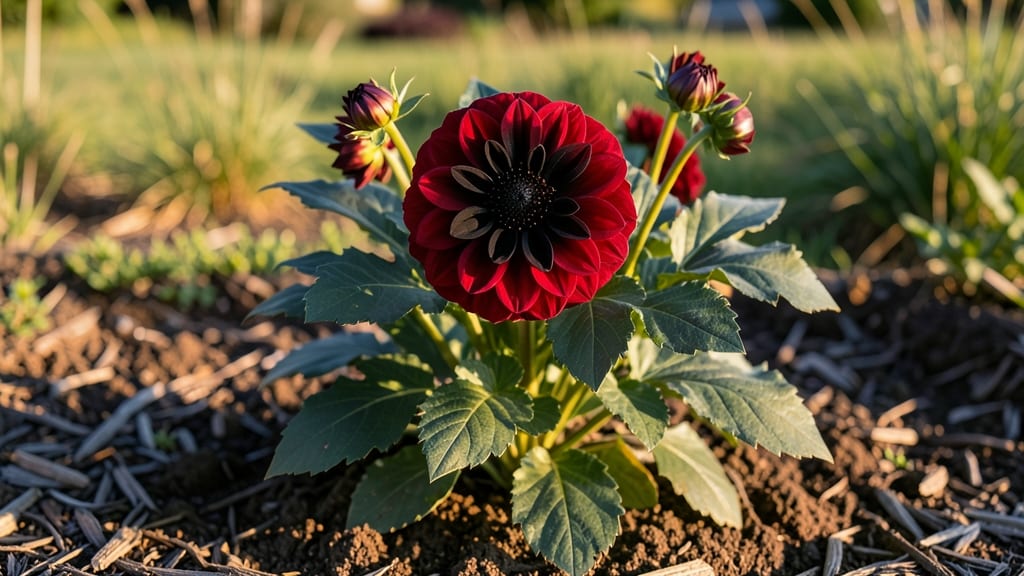
The bold black and red dahlia flower along my front walkway turned heads every summer—deep velvety petals that made neighbors pause and ask what they were.
The secret isn't just their striking colors but how they command attention when grouped in threes or fives, creating natural focal points that elevate any landscape.
These dahlias thrive in full sun and well-drained soil, making them perfect for mixed borders or container gardens. Pair them with silver foliage plants like lamb's ear or dusty miller to make the reds and blacks pop even more.
The contrast works beautifully with deep purples too—think salvia or heuchera—while lighter greens keep the composition balanced.
What you'll love most is how they transform a garden from ordinary to showstopping with minimal effort. A single black-and-red cluster draws the eye like a magnet, while their varying bloom sizes add texture.
For maximum impact, plant them where they'll be seen from multiple angles—like near seating areas or entryways.
They also play well with other bold colors: try pairing them with orange zinnias for a fiery contrast or creamy white hydrangeas for a sophisticated look.
The key is spacing them about 18-24 inches apart so each bloom gets its moment to shine. Your garden will feel like a living painting.
📚 In This Guide
- What you need
- Instructions
- Tips and common mistakes
- Wrapping up and next steps
What you need
- ● Dahlia tubers or seeds: Choose black varieties (e.g., 'Black Narcissus') and deep red cultivars (e.g., 'Bishop' or 'Galaxy'). For tubers, opt for size 1 or larger (1–2 inches in diameter) for best blooms.
- ● Well-draining potting mix or garden soil: Mix in compost or aged manure (1 part compost to 3 parts soil) for nutrient-rich soil. pH 6.5–7.0 is ideal.
- ○ Organic fertilizer: A balanced 10-10-10 or 5-10-10 fertilizer (or compost tea) to kickstart growth. Optional: Slow-release granules for prolonged feeding.
- ● Mulch: 2–3 inches of straw, wood chips, or shredded leaves to retain moisture and suppress weeds.
- ● Garden trowel or transplanting spade (for digging holes 12–18 inches deep and wide).
- ● Watering can or hose with a gentle spray nozzle (dahlias hate soggy roots—avoid overhead watering).
- ● Pruning shears (for deadheading and shaping plants as they grow).
- ● Stakes or cages (tall dahlias need support—6-foot stakes or tomato cages work well).
- ● Gloves and knee pads (because gardening is hard work!).
- ● Climate: Dahlias thrive in USDA Zones 3–10. Start tubers indoors 8–10 weeks before last frost if in cooler zones.
- ● Sunlight: Full sun (6+ hours/day) is a must for vibrant blooms.
- ● Watering routine: Keep soil consistently moist but not waterlogged (especially after planting).
- ● Patience: Tubers take 60–90 days to bloom—plan ahead for a show-stopping display!
- ● Epsom salt (1 tbsp/month) for magnesium boost.
- ● Floral wire or ribbon for arranging cut stems.
- ● Garden journal to track growth and blooming patterns.
- ● Neem oil or insecticidal soap (prep for aphids or spider mites).
Step-by-step guide to growing black and red dahlias for maximum impact
Here's how to cultivate these dramatic blooms with confidence—no guesswork, just bold results.
🌱 Step 1: Start Tubers Indoors for Early Growth
Dahlias need a long growing season, so begin tubers indoors 8-10 weeks before your last frost date. Choose a container with drainage holes and fill it with well-draining potting mix—dahlias hate soggy roots. Place the tuber with the "eye" (a small bump) facing upward, about 1 inch deep in the soil. Water lightly until the soil feels evenly moist but not saturated.
Keep the container in a warm spot (65-75°F) with bright indirect light. A sunny windowsill works, but avoid direct midday sun, which can overheat the soil. You'll see first green shoots in 2-4 weeks. Once they reach 3-4 inches tall, it's safe to move them under grow lights if natural light is insufficient.
☀️ Step 2: Harden Off and Transplant After Frost
When nighttime temperatures stay above 50°F consistently, it's time to harden off your dahlias. Start by placing them outside in a sheltered spot for 1-2 hours the first day, gradually increasing exposure over 7-10 days. This helps them adjust to outdoor conditions without shock.
Choose a sunny location with full sun (6+ hours daily) and well-draining soil. Dig a hole twice as wide as the root ball but no deeper—dahlias dislike being buried too deeply. Mix in compost to enrich the soil and improve drainage. Space plants 18-24 inches apart to allow for their large, dramatic foliage.
💧 Step 3: Water and Fertilize for Strong Stems and Blooms
Water dahlias deeply once a week, aiming for 1-2 inches of water per week. The key is consistency—never let the soil dry out completely, but avoid waterlogging, which causes rot. Water at the base of the plant in the morning to reduce fungal risks. You'll know you're on track when the soil feels damp 2-3 inches down between waterings.
Feed plants with a balanced fertilizer (10-10-10) every 2-3 weeks during the growing season. Once buds form, switch to a low-nitrogen, high-phosphorus fertilizer (5-10-10) to encourage blooming. Pinch back the top set of leaves when the plant reaches 12-18 inches to promote bushier growth and more flowers.
✂️ Step 4: Deadhead and Support for Long-Lasting Blooms
Deadheading—removing spent blooms—keeps dahlias producing flowers all season. Use clean pruners to snip off faded blooms just above a set of leaves. This redirects the plant's energy into new growth instead of seed production. You'll notice new buds forming within 2-3 weeks after deadheading.
Stake or cage dahlias early to prevent flopping. Tall varieties need sturdy supports, like bamboo stakes or tomato cages, inserted at planting. Tie stems loosely to the support with soft plant ties as they grow. Avoid tying too tightly—dahlias grow fast, and stems can snap if restrained improperly.
🌿 Step 5: Prepare for Winter to Protect Tubers
When the first frost threatens, cut back the foliage to 6 inches above the ground. Dig up tubers carefully, shaking off excess soil. Let them dry in a shady, well-ventilated spot for 1-2 days. Store them in a cool, dark place (40-50°F) with good airflow, like a basement or garage.
Wrap tubers in newspaper or dry peat moss to prevent drying out. Check them monthly and discard any that feel mushy or rotten. With proper storage, your tubers will be ready to replant next spring, ensuring years of bold, striking blooms.
Tips & tricks for perfect black and red dahlias
Here's what I've learned after growing these showstopper dahlias—small details that make all the difference between ordinary blooms and garden centerpieces.
Timing Secret: The 8-10 week indoor start time is non-negotiable for most climates. If you're in a shorter growing season zone, consider using a heat mat (70-75°F) to speed up germination—those first green shoots appear faster when tubers stay warm. I've seen sprouts emerge in just 10 days with this method instead of the usual 2-4 weeks.
Transplanting Technique: When hardening off, I start with just 1 hour outside on day one, then add 30 minutes each subsequent day. This gradual approach prevents shock that can stunt growth. Also, plant tubers with the "eye" facing up—this is critical for consistent sprouting. If you accidentally plant them upside down, they'll still grow, but you'll waste valuable time waiting for shoots.
Fertilizer Strategy: The switch to low-nitrogen (5-10-10) fertilizer when buds form is where the magic happens. I make this transition when I see the first flower buds appear, not when the instructions say "once buds form." This timing ensures your dahlias put energy into blooms rather than leafy growth. You'll notice buds opening more quickly and staying vibrant longer with this approach.
Winter Storage Wisdom: For tubers that won't survive winter in your zone, store them in a mesh bag rather than wrapped tightly. This allows air circulation while preventing drying. I place a small fan blowing gently on them during storage to maintain airflow—this simple trick keeps them firm and prevents rot. Check monthly and toss any tubers that feel soft or develop mold.
Pro Tips for Black And Red Dahlia Flower
- Here's what I've learned after growing these showstopper dahlias—small details that make all the difference between ordinary blooms and garden centerpieces.
- Timing Secret: The 8-10 week indoor start time is non-negotiable for most climates.
- Transplanting Technique: When hardening off, I start with just 1 hour outside on day one, then add 30 minutes each subsequent day.
Frequently asked questions
How do I keep black dahlias from fading in sunlight?
Black dahlias can lose their deep hue in intense sun. To preserve their dramatic color, plant them in partial shade (4–6 hours of morning sun) or provide afternoon shade with sheer fabric. Mulch with compost to reduce stress, and water deeply in the morning to prevent wilting. Pro tip: Avoid over-fertilizing with nitrogen—it can dilute their rich tones!
When is the best time to plant black and red dahlias?
Plant tubers after the last frost when soil is at least 60°F (15°C). In warm climates, start in early spring; in cooler zones, wait until late spring. For a head start, sprout tubers indoors 4–6 weeks before transplanting. Dahlias are frost-sensitive, so never plant them in cold soil—they’ll rot!
Can I grow black dahlias in containers? Yes—but here’s how!
Choose a large container (12+ inches deep) with drainage holes and well-draining potting mix. Use a support stake or cage (dahlias can grow 3–5 feet tall!). Place in a spot with bright, indirect light and water consistently—containers dry out faster. Bonus: Mix in slow-release fertilizer at planting for steady growth!
Why are my dahlias getting chewed up by pests?
Dahlias are magnets for slugs, aphids, and Japanese beetles. Prevent damage with these tricks:
- Handpick beetles in the morning (drop them in soapy water).
- Use copper tape around pots to deter slugs.
- Spray neem oil (1 tsp per quart of water) for aphids.
- Plant marigolds nearby—they repel pests naturally!
What’s the best way to cut black and red dahlias for bouquets?
Harvest flowers in the early morning when buds are just opening. Cut stems at a 45° angle with clean shears, then strip lower leaves to fit in a vase. Change water every 2 days and add a flower food packet to extend freshness. Pro move: Re-cut stems under water to prevent air bubbles from blocking uptake!
Are there low-maintenance alternatives to black dahlias?
If dahlias seem high-maintenance, try these dramatic, easy-care alternatives:
- Oca flower (Oxalis tuberosa) – Deep burgundy blooms with minimal fuss.
- Black mondo grass (Ophiopogon planiscapus ‘Nigrescens’) – Lush, velvety foliage.
- Velvet croton (Codiaeum variegatum) – Bold red-black leaves.
- Heuchera ‘Plum Pudding’ – Purple-black foliage with zero upkeep.
Wrapping up and next steps
The black and red dahlia is more than just a striking visual—it’s a statement piece that transforms any garden into a bold, dramatic masterpiece. 🌺 With the right care and placement, these flowers can elevate your outdoor space, attract pollinators, and even inspire your creative side.
Whether you're a seasoned gardener or just starting out, the key is to embrace their unique needs and let their vibrant contrast shine.
Ready to bring this stunning duo into your garden? Start small—plant a few in a pot or a dedicated bed—and watch as they captivate everyone who sees them. Your next step? Grab your gloves, pick your favorite variety, and get growing—your garden’s boldest chapter awaits! 🌱