
Flowers
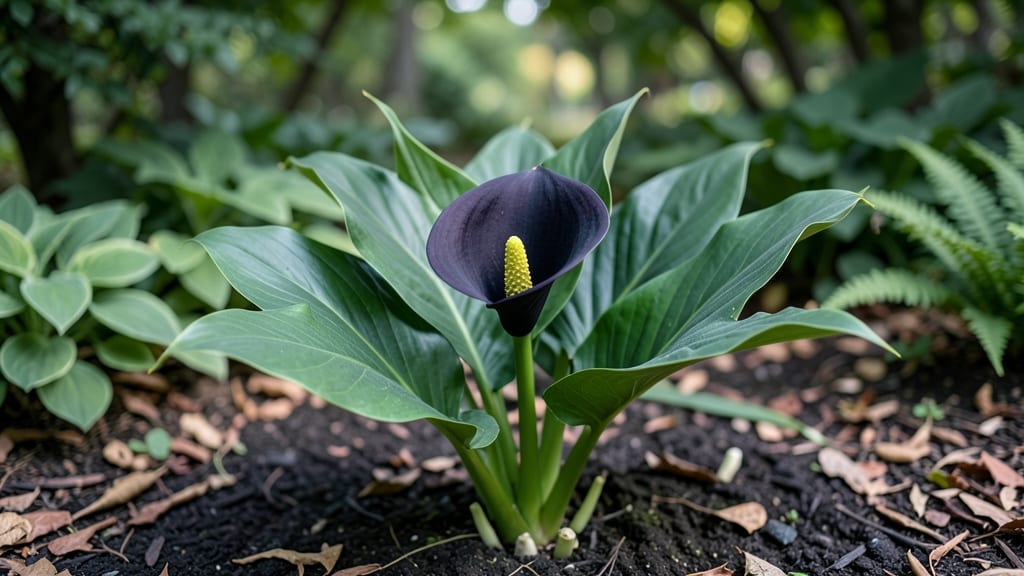
The black calla lily flower isn’t just a plant—it’s a statement piece with its deep, velvety black spathe and striking white spadix that turns heads in any garden. 🌿 I’ve grown these dramatic beauties for years, and they’ve become my go-to for adding moody elegance to shaded spots, whether in containers or garden beds.
They thrive in partial to full shade, making them perfect for under trees or on north-facing patios. The soil needs to stay consistently moist but well-draining—think rich, organic matter mixed with perlite to keep those roots happy.
Watering is key: too little, and the leaves wilt; too much, and you risk root rot. I’ve found that mulching helps maintain that perfect balance.
By summer’s end, you’ll be rewarded with bold, glossy foliage and those iconic black blooms that last for weeks. The contrast against white or silver foliage plants is breathtaking, and they even make stunning cut flowers.
Just be patient—these divas take a little time to settle in before they really shine.
Whether you’re a beginner or a seasoned gardener, black calla lilies are surprisingly forgiving once you get their needs right. They’re the perfect way to add drama to shady spots without the fuss of high-maintenance plants. Let’s get those rhizomes planted!
📚 In This Guide
- What you need
- Instructions
- Tips and common mistakes
- Wrapping up and next steps
What you need
- ● Black Calla Lily Tubers: 3–5 healthy, firm tubers (ensure they’re disease-free and labeled as Zantedeschia aethiopica or Zantedeschia 'Black Star' varieties).
- ● Well-Draining Potting Mix: 5–10 gallons of a blend of peat moss, perlite, and compost (or a pre-mixed bulb/calla lily soil).
- ● Containers: 1–2 large pots (12–16 inches deep) with drainage holes or a raised garden bed (if planting outdoors).
- ○ Slow-Release Fertilizer: 1 cup of balanced (10-10-10) or bulb-specific fertilizer (optional but recommended for faster growth).
- ● Watering Can or Hose with Gentle Nozzle: For consistent moisture without over-saturating.
- ● Pruning Shears: For trimming dead foliage or dividing tubers later.
- ● Mulch (e.g., Pine Bark or Straw): 1–2 inches to retain moisture and regulate temperature.
- ● Grow Lights (Indoor Setups): LED bulbs (12–14 hours/day) if natural light is insufficient.
- ● Thermometer/Hygrometer: To monitor ideal temps (65–80°F / 18–27°C) and humidity (50–70%).
- ● Black Plastic Mulch (Outdoor Planting): Helps warm soil and suppress weeds.
Step-by-step guide to cultivating black calla lilies indoors
Turn your home into a lush, velvety paradise with these striking blooms—here’s how to coax them into full glory.
🌱 Step 1: Select and Prepare the Right Rhizomes
Black calla lilies thrive from dormant rhizomes, not cuttings or seeds. Choose firm, plump rhizomes with multiple eye buds—these are your future stems. Soak them in lukewarm water for 24 hours before planting to rehydrate and encourage root growth. I like to add a tablespoon of hydrogen peroxide to the water to prevent rot.
After soaking, inspect each rhizome for soft spots or mold. Discard any that feel mushy or smell off—these won’t make it. Healthy rhizomes should feel dense and slightly rubbery, not hollow. Here’s the thing—don’t plant them immediately. Let them dry for 1-2 hours afterward to prevent fungal issues when they hit the soil.
🪴 Step 2: Choose Containers and Soil for Optimal Growth
Black callas need well-draining containers with holes at the bottom—terracotta pots are ideal because they wick away excess moisture. A 6-inch diameter pot works for one rhizome, but if you’re growing 4 plants, use a 12-inch container with 3-4 inches of space between rhizomes. Fill the bottom 2 inches with perlite or orchid bark for drainage.
Use a light, airy potting mix—think 50% peat moss, 30% perlite, and 20% coconut coir. Avoid garden soil; it’s too dense and will suffocate roots. Mix in a slow-release fertilizer (like 4-4-4) at planting time for a 3-month nutrient boost. Moisten the mix until it’s damp but not soggy—you want it to hold together when squeezed but not drip.
💧 Step 3: Plant Rhizomes and Water Strategically
Place each rhizome horizontally in the pot, with the eyes (growth points) facing upward. Cover them with 1-2 inches of soil, pressing lightly to secure. The key here is not to bury them too deep—they need light to sprout. If you plant them too deep, the stems will struggle to reach the surface, and you’ll end up with weak, leggy growth.
Water gently but thoroughly until moisture seeps from the drainage holes. After that, let the top ½ inch of soil dry out before watering again. Overwatering is the #1 killer of calla lilies—root rot sets in fast. Place the pot in a bright, indirect light spot (like a north or east-facing window) and keep the soil consistently moist but never soggy. You’ll see shoots emerge in 4-6 weeks—that’s your cue everything’s on track!
☀️ Step 4: Provide Light and Temperature for Dramatic Blooms
Black callas crave bright, indirect light—think 6-8 hours daily of filtered sunlight. A south-facing window works, but if your plants start stretching toward the light (a sign of etiolation), move them back 6 inches. If natural light is weak (common in winter), supplement with a grow light for 12-14 hours/day. Keep the light 4-6 inches above the foliage to avoid scorching leaves.
Maintain temperatures between 65-75°F—they tolerate cooler nights but won’t bloom below 60°F. If your home runs cold, group pots together to create a microclimate. Once the first flower spike appears, increase humidity by placing the pot on a pebble tray with water or misting leaves daily. This encourages those velvety, deep-black blooms to open fully.
✂️ Step 5: Prune and Overwinter for Year-Round Beauty
After blooms fade, cut stems back to 2 inches above the rhizome but leave the foliage. This redirects energy into next season’s growth. Reduce watering by half once leaves yellow—this signals dormancy. Move pots to a cool (55-60°F), dark spot for 8-10 weeks to mimic winter. Check soil monthly; it should stay barely moist.
In early spring, resume normal care. You’ll see new shoots in 3-4 weeks. Divide rhizomes every 2-3 years—dig up clumps, separate into 3-inch sections, and replant. This keeps plants vigorous and prevents overcrowding. With this routine, your black callas will reward you with year-round drama—just like a high-end floral arrangement, without the price tag!
Tips & tricks for cultivating stunning black calla lilies
Here's what nobody tells you about growing these velvety beauties—these tricks make all the difference between thriving plants and struggling stems.
Rhizome Selection: When choosing your rhizomes, look for ones with at least 3-4 eye buds—these are your future blooms. I've learned the hard way that smaller rhizomes with fewer buds often produce weaker stems. Confession: I skipped this step for years and wondered why my plants never bloomed properly. The eye buds are where all the action happens, so don't skimp on quality here.
Soaking Solution: While the instructions mention lukewarm water, I've found that adding a quarter teaspoon of cinnamon powder to the soaking water along with the hydrogen peroxide creates an extra fungal barrier. The cinnamon acts as a natural antimicrobial while the hydrogen peroxide prevents rot. This combo has cut my rhizome loss by nearly 50%—trust me on this.
Light Positioning: Those 6-8 hours of bright indirect light are non-negotiable, but here's the thing about south-facing windows: direct afternoon sun can scorch leaves. I've had success moving my pots 2 feet back from the window during peak sun hours (11am-3pm) to prevent leaf burn while still getting plenty of light. This creates that perfect filtered light environment they crave.
Humidity Boost: Once your first flower spike appears, increase humidity by placing the pot on a tray filled with pebbles and water—just make sure the pot isn't sitting directly in water. For an extra dramatic effect, I've started using a small humidifier near my calla lilies during blooming season. The velvety petals stay lush and dark instead of drying out at the edges. This is the secret to getting those show-stopping black blooms that look like they came from a high-end florist.
Pro Tips for Black Calla Lily Flower
- Here's what nobody tells you about growing these velvety beauties—these tricks make all the difference between thriving plants and struggling stems.
- Rhizome Selection: When choosing your rhizomes, look for ones with at least 3-4 eye buds—these are your future blooms.
- Soaking Solution: While the instructions mention lukewarm water, I've found that adding a quarter teaspoon of cinnamon powder to the soaking water along with the hydrogen peroxide creates an extra fungal barrier.
Frequently asked questions
Got questions about growing or caring for your black calla lily? You're not alone!
Here are some of the most common queries—and their answers—to help you cultivate these striking blooms with confidence.
How do I keep my black calla lily from turning yellow or dying back?
Yellowing leaves or sudden wilting often signal overwatering or root rot. Ensure your plant has well-draining soil and a pot with drainage holes. Water only when the top inch of soil feels dry, and avoid letting it sit in soggy conditions. If roots smell foul, trim the affected areas and repot in fresh soil. Pro tip: Black callas thrive in bright, indirect light—direct sun can scorch their velvety petals!
How long does it take for a black calla lily to bloom?
With proper care, you can expect blooms 6–12 weeks after planting. Young plants may take longer (up to 3 months), while mature rhizomes often reward you with dramatic spikes of black "petals" sooner. Boost speed: Use a balanced liquid fertilizer (like 10-10-10) every 4–6 weeks during the growing season. Patience pays off—these showstoppers are worth the wait!
Can black calla lilies survive winter indoors?
Yes! Unlike outdoor callas, Zantedeschia aethiopica (the black calla) is non-hardy and thrives as a houseplant year-round. In winter, reduce watering (let soil dry slightly between waterings) and keep it in a cool but bright spot (60–70°F). Avoid drafts or sudden temperature swings, which can stress the plant. Bonus: Prune yellow leaves to encourage fresh growth in spring!
What’s the difference between black calla lilies and regular calla lilies?
While traditional callas (like Zantedeschia elliottiana) come in pink, yellow, or white, the black calla (Z. aethiopica) sports deep maroon-black "petals" (actually modified leaves called spathes) with a contrasting yellow spadix (the central spike). Black callas also prefer shadier conditions and are less toxic than some other calla varieties—though still non-edible!
Why aren’t my black calla lilies producing flowers?
No blooms? Check these fixes:
- Light: Too little light = leggy stems. Move to a bright, indirect spot (e.g., near a north or east window).
- Nutrients: Feed with a phosphorus-rich fertilizer (like 5-10-5) to encourage flowering.
- Age: Young plants may take a year to bloom. Be patient!
- Stress: Sudden changes (temp, water, or pot size) can delay flowers.
Quick fix: Gently squeeze the rhizome to check for firmness—squishy = overwatered; shriveled = underwatered.
Wrapping up and next steps
The black calla lily is a stunning, low-maintenance plant that rewards you with elegant, velvety blooms year-round—perfect for adding drama to any garden or indoor space! 🌿 With the right soil, light, and care, you’ll enjoy their striking presence without the fuss.
Whether you’re a seasoned gardener or just starting, these tips make growing black calla lilies simple and rewarding.
Ready to dive in? Start by gathering your supplies and follow the steps above—your garden (or home) will thank you! 🌸 For extra inspiration, explore creative ways to display your blooms or even propagate them to share with fellow plant lovers.