
Neem Oil
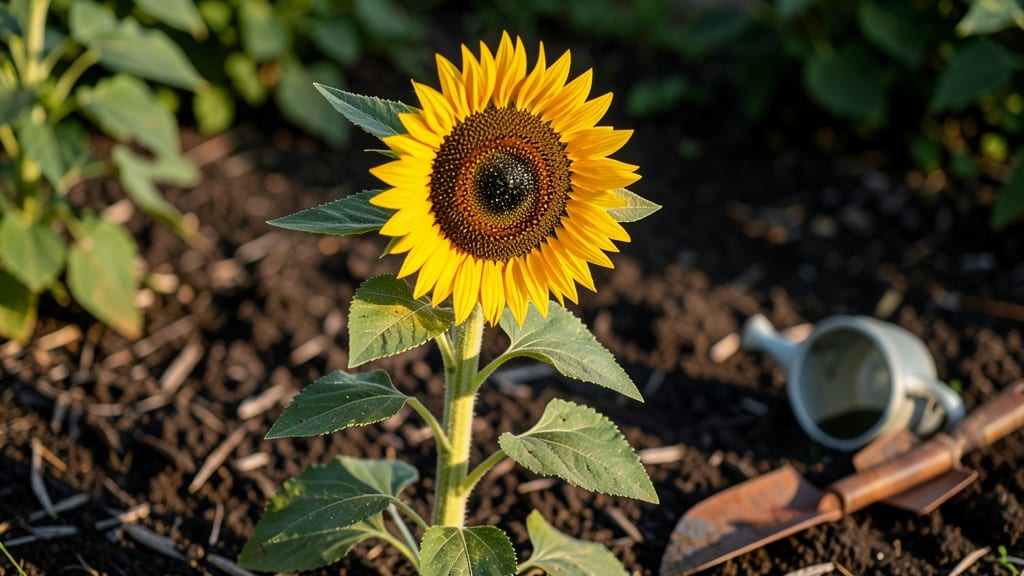
Planting black oil sunflower seeds gives you towering stems and massive blooms in record time—60 days from seed to harvest—if you nail the early steps. 🌱 I learned the hard way that these seeds need perfect conditions to break dormancy, and rushing them means weeks of waiting for stubborn sprouts.
The secret lies in warm soil, consistent moisture, and patience—none of the tricks you’d use for slower germinators.
Start with loose, well-draining soil rich in organic matter, then plant seeds just ½ inch deep in rows spaced 18 inches apart. Black oil sunflowers thrive in full sun (at least 6 hours daily) and hate soggy roots, so prioritize a site with excellent drainage.
Once sprouted, they grow aggressively—expect 6-8 foot stalks by midsummer if you keep weeds at bay and water deeply once a week.
You’ll know you’ve succeeded when those first fuzzy leaves unfurl into velvety-green rosettes, then shoot skyward like a rocket. These sunflowers aren’t just fast—they’re pest-resistant and attract pollinators, making them a dual-purpose powerhouse.
Plus, their seeds are perfect for bird feeders or pressing into oil. The real magic happens when you watch them transform from tiny seeds to sun-soaked giants in a single season.
For troubleshooting, remember: cold soil delays germination, so wait until nighttime temps stay above 50°F. If seedlings look leggy, thin them to 6 inches apart—crowding stunts growth. And if birds eye your plot first?
Try mesh netting until stems reach 12 inches tall. With these adjustments, you’ll go from seed packet to sunflower forest in no time.
📚 In This Guide
- What you need
- Instructions
- Tips and common mistakes
- Wrapping up and next steps
What you need
- ● Black oil sunflower seeds: 1–2 lbs (or ~500–1,000 seeds, depending on your garden size). Choose heirloom or organic seeds for best results.
- ● Garden soil: Well-draining, loamy soil with a pH of 6.0–7.5. Mix in compost (1–2 cups per planting hole) for nutrient-rich soil.
- ● Planting containers or garden bed: Direct sowing: 6–12 inches of depth and width per plant (space rows 18–24 inches apart for full-grown plants).
- ● Container gardening: At least 5-gallon pots (1–2 seeds per container) with drainage holes.
- ● Watering can or hose: With a gentle spray nozzle to avoid disturbing seeds.
- ○ Garden gloves (optional but recommended): To protect hands while handling soil or seeds.
- ● Seed starter trays: For indoor germination (6–8 weeks before last frost). Use biodegradable pots to transplant easily.
- ● Row covers or cloches: To protect seedlings from pests or cold snaps (especially in early spring).
- ● Fertilizer: Balanced 10-10-10 or fish emulsion (apply lightly after germination).
- ● Trellis or stakes: Tall varieties (like ‘Mammoth’) may need support (install stakes 1–2 weeks after planting).
- ● Mulch: Straw or wood chips to retain moisture and suppress weeds.
- ● Climate check: Black oil sunflowers thrive in USDA Zones 2–11. Plant after the last frost date in spring or late summer for a fall harvest.
- ● Sunlight: Full sun (6–8+ hours daily) is a must—no shade allowed!
- ● Watering routine: Keep soil consistently moist (not soggy) until seeds germinate (~7–14 days).
Step-by-Step guide to growing black oil sunflowers from seed
Here's how to harness their speed and strength for a thriving sunflower garden.
🌱 Step 1: Prep Seeds for Maximum Speed
Black oil sunflower seeds germinate in just 3-7 days—no waiting around. Soak them overnight in lukewarm water to soften the outer shell and trigger faster sprouting. I use a shallow dish with 1 inch of water and let them sit until the water turns slightly cloudy, usually 8-12 hours. This isn't optional: dry seeds can take twice as long to sprout.
After soaking, drain the seeds and lay them on a paper towel to dry slightly—just until they no longer feel slick. Over-drying will undo the soaking benefits. Here's the thing—sunflowers hate being moved once they sprout, so I plant them immediately after this step to avoid transplant shock.
🪴 Step 2: Choose Containers and Plant Correctly
Use biodegradable pots or a seed-starting tray with 2-3 inch deep cells—sunflowers grow fast and need room. Fill each cell with sterile seed-starting mix (not garden soil) and press it down gently until firm. The mix should hold together when squeezed but not be packed like wet sand.
Plant 2-3 seeds per cell at a depth of ½ inch—about the width of your pinky finger. I tap the seed packet gently to release one seed at a time; planting too many leads to weak, crowded seedlings. Cover lightly with additional mix, then water gently until the surface looks evenly moist but not glistening.
☀️ Step 3: Provide Warmth and Light for Fast Sprouts
Sunflowers need warmth to germinate—place the tray in a spot where the soil stays between 70-85°F. A seedling heat mat helps if your home runs cooler. You'll see tiny green sprouts push through the soil in 3-5 days—that's your reward for soaking the seeds.
Once they emerge, move them to a south-facing window or under grow lights for 14-16 hours of light daily. Without enough light, seedlings stretch leggy and weak. You'll know they're getting the right amount when their stems stay thick and sturdy, not thin and stretched.
💧 Step 4: Water and Fertilize for Rapid Growth
Water when the top inch of soil feels dry—sunflowers need consistent moisture but hate soggy roots. I use a spray bottle for the first week to avoid disturbing the seedlings, then switch to a watering can with a gentle stream. Overwatering now causes damping-off, a fungal disease that collapses stems overnight.
When the first true leaves (not the initial cotyledons) appear, feed with a balanced liquid fertilizer diluted to half strength. Sunflowers grow 2-3 inches per day once established, so they'll need regular feeding. Watch for deep green leaves—that's your sign they're thriving.
✂️ Step 5: Thin and Harden Off for Outdoor Success
When seedlings reach 3-4 inches tall, thin to the strongest one per cell by snipping the others at the base with scissors. This prevents competition and gives your sunflower room to grow. I do this on a cloudy day to reduce stress on the remaining plant.
Two weeks before your last frost date, start hardening off by placing the seedlings outside in a sheltered spot for 1-2 hours the first day. Gradually increase their outdoor time over 7-10 days, ending with a full day in the sun. You'll see them adjust when their leaves stay firm and upright instead of wilting.
Tips & tricks for perfect black oil sunflower growth
Here's how to turn those fast-germinating seeds into towering sunflowers with minimal fuss.
Germination Speed Hack: For the fastest results in Step 1, use a spray bottle to mist the seeds after soaking instead of submerging them completely. This keeps the outer shell slightly damp without risking rot, and you'll see sprouts emerge in just 3-5 days—not the full 3-7 days range. The key is maintaining that barely-damp condition on the paper towel before planting.
Container Selection Tip: In Step 2, avoid plastic pots that don't breathe—opt for biodegradable peat pots or coconut coir pots. These materials wick moisture better and prevent the dreaded damping-off disease that can wipe out seedlings overnight. If using regular pots, make sure they have drainage holes to prevent soggy roots.
Lighting Strategy: When moving seedlings to light in Step 3, position them within 6 inches of your grow lights or south-facing window. Sunflowers grow so quickly that they'll outpace most indoor light setups—you might notice them leaning toward the light by day 5. Rotate the tray quarter-turn daily to prevent this "light stretching" and encourage even growth.
Fertilizer Timing: Don't wait until you see true leaves in Step 4—feed with diluted fertilizer 7-10 days after sprouting instead. This gives your seedlings a nutrient boost right when they need it most. I use a fish emulsion diluted to ¼ strength for that extra growth kick, but any balanced liquid fertilizer works. Watch for those deep green leaves as your sign they're thriving.
Pro Tips for Black Oil Sunflower Seeds For Planting
- Here's how to turn those fast-germinating seeds into towering sunflowers with minimal fuss.
- Germination Speed Hack: For the fastest results in Step 1, use a spray bottle to mist the seeds after soaking instead of submerging them completely.
- Container Selection Tip: In Step 2, avoid plastic pots that don't breathe—opt for biodegradable peat pots or coconut coir pots.
Frequently asked questions
Got questions about growing black oil sunflower seeds?
You’re not alone! Here are answers to the most common queries—from timing to troubleshooting—so you can plant with confidence.
When is the best time to plant black oil sunflower seeds?
Plant black oil sunflower seeds after the last frost when soil temperatures reach at least 50°F (10°C). For warm climates, aim for late spring to early summer. In cooler regions, start indoors 4–6 weeks before transplanting. Pro tip: They germinate fastest in warm, well-drained soil—so patience pays off!
How long do black oil sunflower seeds take to germinate?
These seeds are fast germinators—typically sprouting in 7–14 days under ideal conditions (warm soil, consistent moisture). If germination takes longer, check soil moisture and temperature. No sprouts after 3 weeks? Test a few seeds in damp paper towels to confirm viability.
Can I plant black oil sunflowers in containers or do they need a garden bed?
Yes! Black oil sunflowers thrive in containers (at least 12–18 inches deep) if given enough space. Use well-draining potting mix and place pots in full sun (6+ hours daily). Just ensure containers are sturdy—these plants can grow 4–6 feet tall! For garden beds, space seeds 6–12 inches apart in rows 18–24 inches apart.
Are black oil sunflowers good for pollinators, and do they attract pests?
Their bright blooms are a magnet for bees, butterflies, and birds—perfect for pollinator gardens. However, they may draw birds or squirrels to your seeds. To deter pests, use bird netting or plant near taller crops like corn. No pesticides needed—just strategic placement!
What can I do if my black oil sunflower seeds don’t sprout?
Try these fixes:
- Check seed viability: Soak a few seeds in water overnight—if they sink, they’re likely good.
- Adjust soil conditions: Ensure soil is moist but not soggy and warmed to 70°F+ (21°C+).
- Scarify seeds: Lightly nick the seed coat with sandpaper to help water penetrate.
- Replant: If stored seeds are old (<2 years), buy fresh ones—they germinate best when fresh!
Are black oil sunflowers drought-tolerant once established?
Yes! Once rooted, black oil sunflowers are drought-resistant but perform best with regular watering during dry spells. Deep watering 1–2 times per week (vs. frequent shallow watering) encourages strong root growth. Mulch around plants to retain moisture—but avoid overwatering, which can cause root rot.
Wrapping up and next steps
Growing black oil sunflower seeds is a rewarding journey that yields fast germination, hardy plants, and a bountiful harvest—perfect for both beginners and seasoned gardeners! 🌱 With their disease-resistant traits and versatile uses, these seeds are a powerhouse for any garden.
Whether you’re aiming for birdseed, oil, or simply vibrant blooms, your efforts will pay off in abundance.
Ready to plant your seeds? Start by gathering your supplies, choosing the right location, and following the simple steps outlined above. Your thriving sunflower patch awaits—what are you waiting for? Dig in and watch your garden flourish! 🌞