
Flowers
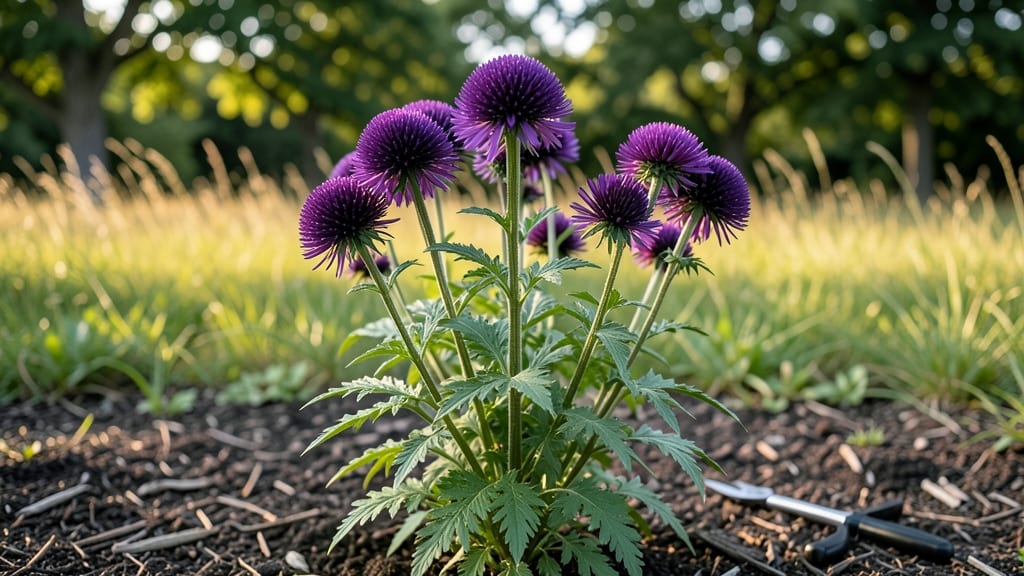
The black pincushion flower (Leucosceptrum canum) steals the show in Pacific Northwest gardens with its velvety dark blooms and deer-proof resilience. I fell for it the first time I saw one thriving in a drought-stricken border—no fuss, just striking color.
This native stunner thrives where most plants struggle, making it the perfect low-maintenance star for sunny spots.
You’ll need well-draining soil (sandy loam works best) and full sun to partial shade, though it handles heat and drought once established. Start with seeds or nursery plants, and watch it spread slowly but surely—it’s not aggressive, just reliable.
The dark purple pom-pom blooms appear mid-to-late summer and last for weeks, drawing in pollinators while repelling deer and rabbits.
Water lightly after planting, then let nature take over—this plant hates soggy roots. A light feeding in early spring with compost keeps it happy without overstimulating growth.
Prune back dead blooms in fall to encourage next year’s display, and you’ll have a year-round structure plant that looks stunning in borders, containers, or as a focal point.
Perfect for xeriscaping, cottage gardens, or modern landscapes, the black pincushion’s deep hue contrasts beautifully with silver foliage or bright annuals. Once you grow it, you’ll wonder why you didn’t plant more sooner—it’s that easy to love.
📚 In This Guide
- What you need
- Instructions
- Tips and common mistakes
- Wrapping up and next steps
What you need
- ● Black Pincushion Flower: 1–3 nursery-grown plants (3–5 gallons each) or seeds (if starting from scratch).
- ● Pro tip: 💡 Seeds are harder to germinate—opt for young plants for faster results!
- ● Well-Draining Soil: 6–10 bags of cactus/succulent mix (or amend garden soil with perlite/pumice for drainage).
- ● 1–2 bags of sand or gravel (for slopes or containers).
- ○ Growing Containers (Optional): 1–2 large pots (15+ gallons) with drainage holes or raised beds (if not planting directly).
- ● Tools: Trowel or hand shovel (for transplanting).
- ● Pruning shears (for trimming dead growth).
- ● Garden gloves (to protect from thorns!).
- ● Sunlight: Full sun (6+ hours daily)—this drought-loving beauty thrives in Pacific Northwest’s dry, sunny spots!
- ● Watering: Drought-tolerant but needs deep watering 1–2x/week (more in summer). Avoid soggy soil!
- ● Climate: Hardy in USDA Zones 8–10 (protect from frost with mulch or containers).
- ● Deer/Slug Resistance: Bonus! This plant repels deer and slugs—perfect for PNW gardens. 🎯
- ● Slow-release fertilizer (for nutrient-poor soils).
- ● Mulch (gravel or bark chips to retain moisture).
- ● Drip irrigation system (for consistent watering).
Step-by-Step guide to cultivating black pincushion flowers in the Pacific Northwest
This hardy perennial thrives in our region’s climate—here’s how to coax its striking blooms to life.
Select the Perfect Planting Site
The black pincushion (Leucosceptrum canum) craves full sun to partial shade, with at least 6 hours of direct light daily. In the Pacific Northwest’s cooler summers, a morning sun/afternoon shade spot prevents leaf scorch while ensuring robust flowering. I always test the site first by observing how long sunlight lingers—look for areas where afternoon fog or tree shade naturally filters the harshest rays.
Well-draining soil is non-negotiable. These plants despise soggy roots, so amend heavy clay with 1-2 inches of coarse sand or perlite per square foot. If your soil feels compacted when squeezed, mix in 3 inches of organic matter like composted leaves or aged bark. The goal is soil that crumbles easily when damp but doesn’t stick to your fingers.
Plant at the Right Time and Depth
Spring planting after the last frost—typically mid-April to early May in the PNW—gives roots time to establish before summer heat. Dig a hole twice as wide as the root ball but only as deep as the container’s base. This prevents burying the crown, which can cause rot. Gently loosen the roots if they’re circling tightly in the pot.
Place the plant so the top of the root ball sits level with the surrounding soil. Fill the hole with native soil, pressing lightly around the edges to remove air pockets. Water deeply until moisture reaches 6 inches down, then let the soil settle for 24 hours before mulching. A 3-inch layer of wood chips conserves moisture and regulates soil temperature—critical for these drought-tolerant beauties.
Water Strategically for First-Year Establishment
Newly planted black pincushions need consistent moisture but hate soggy conditions. Water twice weekly for the first month, then taper to once weekly once leaves show first true growth. The key is deep watering—1 inch per week—not frequent light sprinkles. Stick your finger 2 inches into the soil; if it’s dry, water again.
Here’s the thing: Overwatering causes more problems than underwatering. These plants store moisture in their fleshy stems, so they’ll wilt slightly in dry spells but bounce back quickly. If leaves yellow, it’s often overwatering; brown edges usually mean underwatering or low humidity. Mulch helps retain moisture, but check the soil before watering—don’t rely solely on a schedule.
Prune for Shape and Encourage Blooms
Deadhead spent blooms immediately after flowering to prompt a second flush of flowers. Use clean, sharp pruners to snip stems just above a set of leaves—never leave stubs. This also improves air circulation, reducing fungal risks. In late winter, prune back one-third of the plant’s height to encourage fresh, vigorous growth. The black pincushion’s unique spherical shape forms naturally, but a light trim after flowering keeps it tidy.
Never prune in fall unless removing dead or diseased growth. These plants go semi-dormant in winter, and late cuts stimulate new growth that won’t harden off before frost. If you live in a Zone 8 or warmer area, a light prune in early spring suffices. In cooler PNW zones, wait until late February or early March when new shoots appear.
Protect and Maintain for Long-Term Health
Black pincushions are deer-resistant, but rabbits and slugs may still target young plants. Surround new transplants with 1-2 inches of diatomaceous earth or copper tape to deter slugs. Deer rarely bother them, but if they do, a physical barrier like chicken wire works better than repellents, which wash away in our rainy climate.
Fertilize once in early spring with a balanced, slow-release granular fertilizer (10-10-10). Scatter ½ cup per plant over the soil surface and water deeply to activate. Avoid high-nitrogen fertilizers—they promote leafy growth at the expense of flowers. In the PNW’s mild winters, no fall fertilization is needed; the plant’s natural dormancy period resets its nutrient needs.
Tips & tricks for perfect black pincushion flower cultivation
These game-changing insights will help you transform your Pacific Northwest garden into a thriving black pincushion paradise—without the common pitfalls that trip up even experienced gardeners.
Site Selection Insight: Pay special attention to the 6 hours of direct light requirement in Step 1. While these plants tolerate partial shade, the morning sun/afternoon shade balance is crucial—especially in our region's coastal areas where afternoon fog can linger. I recommend testing potential sites for at least a week before planting by placing a white board where you plan to plant. Mark the sunlight hours with a pencil—this gives you a precise visual of how much direct light your chosen spot actually receives during the day.
Soil Preparation Strategy: The soil amendments in Step 1 are where many gardeners go wrong. For heavy clay soils common in the PNW, mix the 1-2 inches of coarse sand or perlite thoroughly into the top 6 inches of soil, not just at the planting hole. This creates better drainage throughout the root zone. I've seen black pincushions struggle when planted in amended soil that quickly reverts to compacted clay just inches below. For an extra boost, add a handful of mycorrhizal fungi to the planting hole—these beneficial microbes help roots absorb water and nutrients more efficiently.
Planting Depth Technique: When placing your plant in Step 2, resist the urge to bury it deeper than the root ball. The key is getting the top of the root ball level with the surrounding soil—this prevents crown rot, which is a silent killer of these perennials. I've learned this the hard way after losing three plants to rot from being planted too deeply. After backfilling, press the soil gently around the edges to eliminate air pockets, then water deeply until moisture reaches 6 inches down. This initial deep watering helps settle the soil and encourages roots to grow downward rather than circling at the surface.
Watering Wisdom: The twice weekly watering schedule in Step 3 works best when paired with a simple soil moisture test. Stick your finger 2 inches into the soil—if it feels dry at this depth, that's your cue to water. I've found that using a moisture meter for the first few weeks helps build confidence in your watering judgment. Remember, these plants store moisture in their stems and will wilt slightly during dry spells, but they bounce back quickly when watered properly. The goal is consistent moisture, not soggy soil—overwatering is the number one cause of yellowing leaves in these beauties.
Pro Tips for Black Pincushion Flower
- These game-changing insights will help you transform your Pacific Northwest garden into a thriving black pincushion paradise—without the common pitfalls that trip up even experienced gardeners.
- Site Selection Insight: Pay special attention to the 6 hours of direct light requirement in Step 1.
- Soil Preparation Strategy: The soil amendments in Step 1 are where many gardeners go wrong.
Frequently asked questions
Got questions about growing black pincushion flowers (Leucospermum bolusii)? You’re not alone! Here are some of the most common queries from gardeners in the Pacific Northwest and beyond—plus straightforward answers to help you thrive.
How fast do black pincushion flowers grow?
These beauties grow at a moderate pace—expect 6 to 12 inches per year under ideal conditions. With well-draining soil and full sun, they’ll reach their mature height of 3 to 5 feet in 3 to 5 years. Patience pays off with their striking, velvety blooms!
Can black pincushion flowers survive winter in the PNW?
Yes! While they’re drought-tolerant, they’re also hardy to USDA Zone 7 (and sometimes Zone 6 with protection). In the PNW’s mild winters, they’ll often thrive outdoors. For extra safety, mulch the base with gravel or pine needles to prevent rot from wet winters.
Are black pincushion flowers truly deer-resistant?
Deer rarely bother them due to their bitter foliage and dense growth. However, in extreme hunger (like harsh winters), they might nibble. Pair with deer-resistant companions like lavender or Russian sage for added protection.
What’s the best way to prune black pincushion flowers?
Prune right after flowering (late summer) to encourage bushier growth. Use clean, sharp shears to trim back 1/3 of the plant and remove dead or leggy stems. Avoid heavy pruning in fall—it can stress the plant before winter.
Can I grow black pincushion flowers in containers?
Yes, but choose a large pot (at least 18 inches wide) with excellent drainage. Use a fast-draining mix (like cactus/succulent blend) and water only when the soil is bone-dry. Containers dry out faster, so monitor closely—especially in PNW summers!
Pro Tip:
If your black pincushion isn’t blooming, it might need more sun (they crave 6+ hours daily) or well-draining soil. Amend heavy clay with sand or grit to mimic their native South African habitat.
Wrapping up and next steps
The black pincushion flower is a stunning, low-maintenance gem that brings drama and resilience to your Pacific Northwest garden—and keeps deer at bay! 🌿 With its velvety blooms and easy-care nature, it’s perfect for both seasoned gardeners and beginners.
Whether you’re drawn to its bold aesthetic or its practical benefits, this plant is a game-changer for your outdoor space.
Ready to transform your garden? Start by gathering your supplies, choosing the right spot, and planting with confidence. Your next step? Grab those shears, mark your planting zone, and watch your black pincushion thrive! 🌱✨