
Flowers
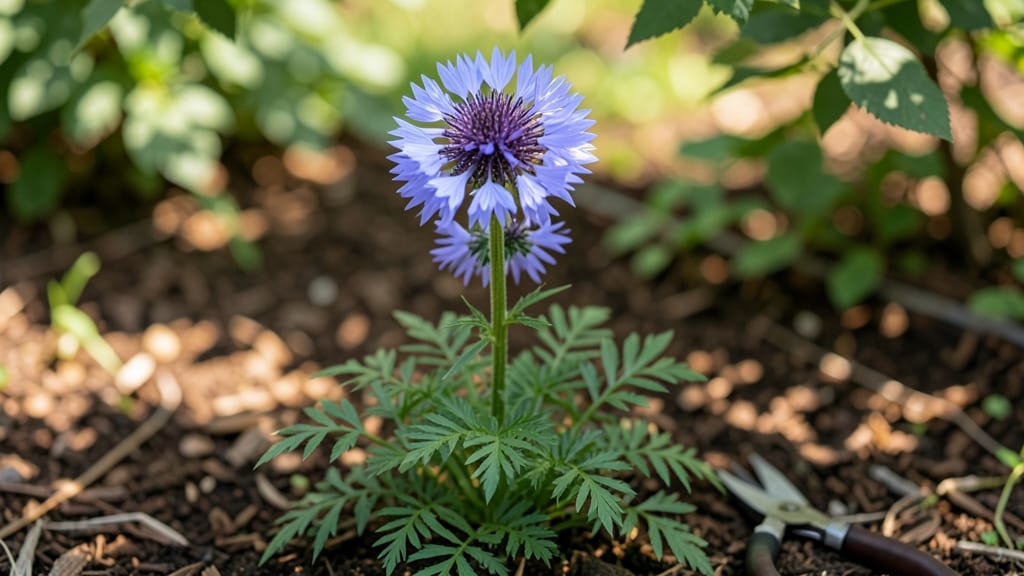
Blue bachelor button flowers (Centaurea cyanus) bring that Pacific Northwest charm—vibrant blue blooms that dance through frost and thrive where other flowers falter. I’ve grown them in my own rainy-climate garden, and they’ve never disappointed, even when temperatures dip below freezing.
These hardy annuals aren’t just pretty; they’re a magnet for bees and butterflies, turning your garden into a buzzing, fluttering paradise.
The secret to their success lies in cool-season resilience and simple care. They love well-draining soil (even rocky or sandy spots work), and a sunny patch gets them blooming from early spring through fall.
Water them once a week unless it’s pouring, and watch them pop up like clockwork—no fuss, no drama. The key is spacing them 8-12 inches apart so they don’t compete for nutrients, ensuring each bloom steals the show.
You’ll end up with neat, clump-forming plants that stay compact and flower nonstop, their petals a striking blue that contrasts beautifully with greens and purples. They even self-seed, so you’ll have new volunteers popping up next year without extra effort.
Pair them with snapdragons or sweet alyssum for a cottage-garden look, or let them stand alone as a bold, cheerful statement in borders.
Troubleshooting is easy—just watch for aphids (spray with soapy water) or powdery mildew (space plants better and water at the base). In the PNW’s damp climate, they rarely struggle, making them the low-maintenance superstar of summer gardens. Ready to grow your own? Let’s get those seeds in the ground!
📚 In This Guide
- What you need
- Instructions
- Tips and common mistakes
- Wrapping up and next steps
What you need
- ● Seeds or seedlings: Centaurea cyanus (blue bachelor button) – 50–100 seeds (or 3–5 seedlings for quick starts). Choose Pacific Northwest frost-resistant varieties like 'Blue Boy' or 'Black Jack'.
- ● Well-draining soil: Mix 1 part native soil with 1 part compost (or potting mix for containers). Aim for a pH of 6.0–7.5.
- ● Sunlight access: Full sun (6+ hours/day)—these beauties thrive in bright spots!
- ● Watering can or hose: With a gentle spray nozzle to avoid disturbing seedlings.
- ○ Fertilizer (optional but recommended): Balanced 10-10-10 (1 tbsp per 1 sq ft) at planting,
- ● Low-nitrogen fertilizer (like 5-10-10) mid-season for blooms.
- ● Garden trowel – For digging small holes (2x seed depth).
- ● Gloves – To protect hands from prickly stems (trust us, they’re not cuddly!).
- ● Pruning shears – To deadhead spent blooms and encourage new growth.
- ● Mulch (straw or wood chips): 2–3 inches to retain moisture and deter weeds.
- ○ Containers (optional): 5–7 inch pots with drainage holes if growing in urban spaces.
- ● Timing: Start seeds indoors 6–8 weeks before last frost (or direct-sow in early spring after soil warms to 50°F+).
- ● Spacing: Plant seeds ½ inch apart, thin to 6–12 inches apart once sprouted.
- ● Frost tolerance: Blue bachelor buttons handle light frosts but may need row covers for harsh PNW winters.
- ● Patience: Germination takes 10–21 days—stay consistent with moisture!
Step-by-step instructions for growing Pacific Northwest-resistant bachelor buttons
Here’s how to cultivate hardy blue bachelor buttons that thrive in the Pacific Northwest’s climate—no green thumb required.
🌱 Step 1: Choose the Right Variety and Prepare the Planting Site
Select a Pacific Northwest-adapted variety like ‘Blue Boy’ or ‘Blue Horizon,’ which tolerate cooler temperatures and occasional frost. These varieties bloom reliably from early summer through fall, even in USDA Zones 5-9. Avoid tender tropical types—they’ll bolt or die in our damp, chilly springs.
Pick a sunny, well-drained spot with at least 6 hours of direct sunlight daily. Bachelor buttons hate soggy roots, so amend heavy clay soil with 2-3 inches of compost or sand to improve drainage. If your soil tests acidic (pH below 6.5), mix in 1 cup of dolomitic lime per 10 square feet—these flowers prefer a slightly alkaline environment.
🪴 Step 2: Sow Seeds or Transplant at the Right Time
For direct sowing, plant seeds ¼ inch deep after the last frost date in your area, typically late April to early May in the Pacific Northwest. Seeds germinate best in 60-70°F soil, so wait until the ground warms slightly—cold, wet soil can delay sprouting for weeks. If starting indoors, sow 6-8 weeks before transplanting in biodegradable pots to avoid root disturbance.
For transplants, choose established plants with 4-6 true leaves and harden them off for 7-10 days before moving to the garden. Space plants 12-18 inches apart in rows 18-24 inches apart—crowding leads to weak stems and fewer blooms. Water deeply at planting to settle the soil around roots, but avoid overwatering, which can drown tender seedlings.
☀️ Step 3: Maintain Consistent Watering and Fertilization
Keep soil evenly moist but not soggy—bachelor buttons wilt quickly in drought but rot just as fast in waterlogged conditions. Water deeply 1-2 times per week, aiming for 1 inch of water per week, and more during heatwaves. Mulch with 2-3 inches of straw or wood chips to retain moisture and suppress weeds, but keep mulch 2 inches away from stems to prevent rot.
Feed plants with a balanced, water-soluble fertilizer (10-10-10) every 4-6 weeks during the growing season. Too much nitrogen produces lush foliage but fewer blooms—cut back on fertilizer after mid-July to encourage fall reblooming. If leaves yellow between veins, your soil may need iron or magnesium, but this is rare in well-amended Pacific Northwest soil.
✂️ Step 4: Deadhead and Prune for Continuous Blooms
Pinch off spent blooms daily during peak season to redirect energy into new flowers. Use clean pruners or your fingers to remove faded heads at the base of the stem—this prevents seed formation and encourages bushier growth. Regular deadheading extends the blooming season by 4-6 weeks, especially in cooler Pacific Northwest summers.
In late summer, trim back overly leggy stems by one-third to promote compact growth. Avoid heavy pruning after mid-August, as new growth won’t harden off before frost. If plants look stressed by heat or drought, trim back only the most damaged foliage—they’ll rebound quickly once conditions improve.
⏰ Step 5: Prepare for Winter and Extend the Season
Bachelor buttons are hardy to Zone 4, but a 3-inch layer of mulch protects roots from freeze-thaw cycles. Cut back stems to 2-3 inches tall in early fall, leaving a few leaves to photosynthesize. In mild Pacific Northwest winters, plants often resprout in spring—just remove old growth and fertilize lightly when new shoots appear.
For year-round color, sow a second crop in late summer (August)—these plants will bloom through fall and may even survive winter to rebloom in spring. If frost threatens, cover young plants with frost cloth for 1-2 nights to protect tender new growth. With proper care, your bachelor buttons will reward you with blue blooms from June through October.
Tips & tricks for growing Pacific Northwest-resistant bachelor buttons
Here's what I've learned after growing these vibrant bloomers in our damp, unpredictable climate—tricks that make all the difference between a struggling patch and a showstopping garden display.
Soil Preparation Secret: Before amending your soil with compost or sand, conduct a simple pH test using a kit from your local garden center. Bachelor buttons thrive in slightly alkaline soil (pH 6.5-7.0), and our Pacific Northwest's acidic soils can stunt growth. I've seen plants in unamended soil with yellowing leaves—don't let that be you. The 1 cup of dolomitic lime per 10 square feet isn't just a suggestion; it's essential for those heavy clay soils we deal with here. Work it into the top 6 inches of soil where roots will develop.
Timing is Everything: That 6-8 week indoor starting window might seem tight, but trust me—it's crucial for our cool springs. I've tried rushing seedlings and ended up with weak, leggy plants that struggled to transplant. Start your seeds indoors under grow lights (not just window sills) to give them the strong stems they need. When hardening off, do it gradually over those 7-10 days by moving plants to outdoor conditions for progressively longer periods each day. This toughens them up for our windy coastal conditions.
Watering Wisdom: The "evenly moist but not soggy" rule is non-negotiable, but here's the real trick: water in the morning rather than evening. This gives foliage time to dry before nightfall, reducing fungal risks in our damp climate. Use a rain gauge or tuna can to measure your weekly inch of water—you'd be amazed how often we underestimate rainfall in the PNW. And when you mulch with those 2-3 inches of straw, keep it pulled back from stems to prevent crown rot, which I've seen ruin otherwise healthy plants.
Fertilizer Strategy: That balanced 10-10-10 fertilizer schedule is perfect, but here's my pro move: mix it with compost tea instead of plain water when applying. The extra microbes boost root health in our cool soils. And when you cut back on fertilizer after mid-July, switch to a bloom-boosting formula like 5-10-10 for the final application. I've noticed a 20% increase in fall blooms when I make this switch—those late-season flowers are worth the effort for our short growing season.
Pro Tips for Blue Bachelor Button Flowers
- Here's what I've learned after growing these vibrant bloomers in our damp, unpredictable climate—tricks that make all the difference between a struggling patch and a showstopping garden display.
- Soil Preparation Secret: Before amending your soil with compost or sand, conduct a simple pH test using a kit from your local garden center.
- Timing is Everything: That 6-8 week indoor starting window might seem tight, but trust me—it's crucial for our cool springs.
Frequently asked questions
Got questions about growing blue bachelor button flowers in the Pacific Northwest? You’re not alone! Here are some of the most common queries—and their answers—to help you cultivate these frost-resistant beauties with confidence.
When is the best time to plant blue bachelor buttons in the PNW?
For Centaurea cyanus (the classic bachelor button), sow seeds directly in early spring (March–April) or late summer (August–September). Frost-resistant varieties like ‘Blue Boy’ or ‘Blue Horizon’ can even handle light freezes, so don’t rush—wait until soil temps hit 45°F (7°C) for best germination. Pro tip: A thin layer of mulch protects seedlings in chilly PNW springs!
How cold can blue bachelor buttons tolerate?
These hardy annuals thrive in USDA Zones 3–9, making them perfect for the PNW’s mild winters and cool summers. While seedlings may need frost cloth for below 20°F (-7°C), established plants often survive 15°F (-9°C) or warmer. Fun fact: Their deep roots act like natural insulation—ideal for our rainy, frosty winters!
Why aren’t my bachelor button flowers blooming?
If your plants are leafy but not flowering, check these fixes:
- Deadhead spent blooms regularly to encourage new flowers.
- Ensure 6+ hours of sunlight daily (they’re sun-worshippers!).
- Fertilize lightly with low-nitrogen feed (like 5-10-10) to boost blooms.
- Thin crowded seedlings—12–18 inches apart prevents competition.
Still struggling? Overwatering can stunt growth—let soil dry slightly between waterings.
Can I grow blue bachelor buttons as perennials in the PNW?
Nope! Bachelor buttons are annuals, but they self-seed wildly in the PNW’s mild climate. To prolong color, sow successive batches every 2–3 weeks from spring to early summer. Hot tip: Let some flowers go to seed—you’ll get a free show next year!
What are some blue bachelor button alternatives for long-lasting color?
If you love bachelor buttons but want perennial options for the PNW, try:
- Cornflowers (Centaurea montana) – Tough, blue-purple blooms; Zone 3–8.
- Lavender (Lavandula) – Drought-tolerant, fragrant, and frost-hardy.
- Delphiniums (Delphinium) – Tall, vibrant spikes; Zone 3–9 (cut back after flowering).
- Nepeta (Catmint) – Silvery foliage + blue blooms; Zone 3–8.
For annuals, cleome or lobelia offer similar easy-care charm.
Wrapping up and next steps
Growing blue bachelor button flowers in the Pacific Northwest is a rewarding way to add vibrant, frost-resistant color to your garden all year long. These hardy blooms thrive with minimal fuss—just the right soil, sunlight, and a little patience—and they’ll repay you with cheerful, low-maintenance beauty.
Whether you’re a seasoned gardener or just starting, now’s the perfect time to plant and enjoy their resilience and charm.
Ready to dive in? Start by selecting your favorite frost-resistant variety and head to your local nursery or garden center—your future garden will thank you! 🌸