
Flowers
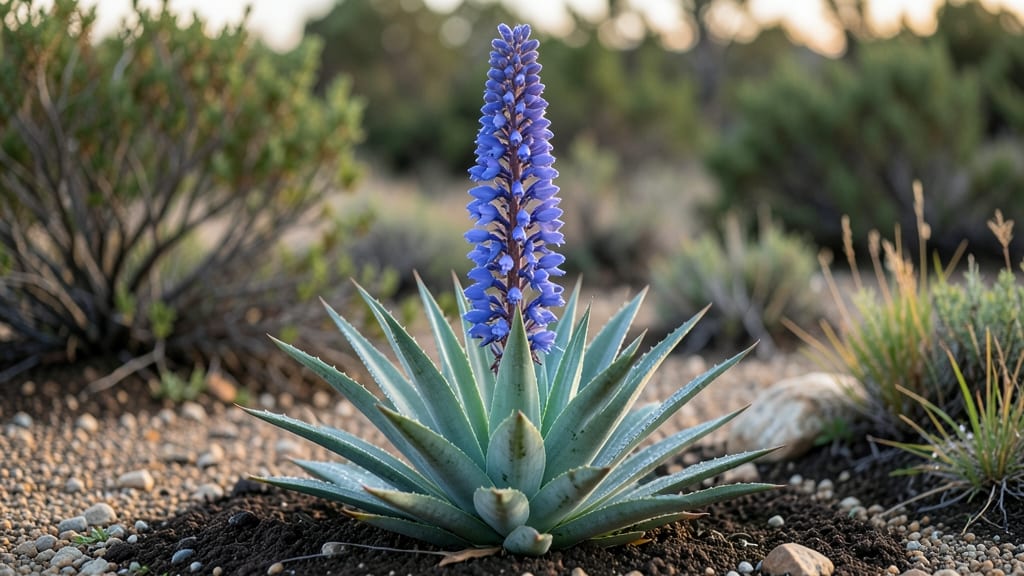
The blue puya flowers you’ve been admiring in botanical magazines aren’t just striking—they’re shockingly resilient. I’ve grown Puya berteroniana through Pacific Northwest winters, and these Andean natives thrive where most tropical plants would freeze.
Their electric blue flower spikes emerge after years of patience, making every bloom a once-in-a-decade garden showstopper.
These plants demand full sun and well-draining soil—think sandy loam mixed with perlite—because they hate soggy roots. Water sparingly once established; their drought tolerance comes from their high-altitude origins.
In containers, use a 10-15 gallon pot with drainage holes to prevent rot, and place them where they’ll get 6+ hours of direct sunlight daily.
What makes them worth the wait? Those 3-foot-tall blue spikes appear after 5-10 years of growth, and they’re frost-hardy down to 20°F—unusual for such a dramatic plant.
Even in partial shade, they’ll reward you with velvety rosettes and occasional side spikes. Just avoid overwatering; their thick leaves store moisture like a cactus.
For PNW gardeners, they’re a low-maintenance way to add exotic drama without the fuss. Start with a 3-inch pup from a reputable grower, and in 5 years, you’ll have a conversation-starting centerpiece that outlasts most annuals. Here’s how to keep yours thriving through the decades.
📚 In This Guide
- What you need
- Instructions
- Tips and common mistakes
- Wrapping up and next steps
What you need
- ● Puya berteroniana plant: 1 mature or young plant (ensure it’s labeled for authenticity).
- ● Well-draining soil: 60% cactus/succulent mix (e.g., Cactus Soil brand)
- ● 30% perlite or pumice (for aeration)
- ● 10% coarse sand or gravel (to prevent root rot)
- ● Pot or garden bed: For pots: 1–2 large containers (12–18" diameter) with drainage holes.
- ● For ground planting: Full sun exposure (6+ hours/day) in USDA Zones 9–11 (or containers for colder climates).
- ● Fertilizer: Balanced, water-soluble fertilizer (e.g., 10-10-10) or slow-release granules.
- ● Watering can or hose with a gentle spray nozzle: Avoid soggy soil!
- ● Gloves and long sleeves: Puya has sharp spines—protect yourself!
- ● Gravel or decorative rocks for mulching (prevents soil splatter on leaves).
- ● Humidity tray (if growing indoors or in dry climates).
- ● Plant support stake (for heavy blooms, though puya is self-supporting).
- ● Soil moisture meter (to monitor drought tolerance).
Step-by-Step guide to cultivating blue puya flowers in the Pacific Northwest
Here's how to grow this striking, cold-hardy plant with minimal fuss.
Select and Prepare the Planting Site
Blue puya thrives in well-draining soil with full sun exposure—at least 6 hours daily. In the Pacific Northwest's cooler climate, choose a location that receives morning sun and afternoon shade during summer months to prevent heat stress. The plant's native habitat suggests it tolerates light frost, but avoid areas where water pools after rain.
Test your soil's drainage by digging a 12-inch deep hole. Fill it with water and wait 2 hours—if water remains, amend with 3-4 inches of coarse sand or gravel mixed into the top 12 inches of soil. Blue puya roots spread aggressively, so space plants 8-10 feet apart to allow for mature growth.
Plant with Proper Spacing and Soil Mix
Dig a hole twice as wide as the root ball but no deeper. Gently remove the plant from its container and loosen any circling roots with your fingers. Place the puya in the hole, ensuring the top of the root ball sits level with the surrounding soil—burying too deep can cause rot.
Backfill with a mix of native soil, 20% perlite, and a handful of bone meal for phosphorus. Water deeply until moisture reaches 6 inches down, then allow the soil to dry slightly before watering again. Mulch with 2-3 inches of bark chips to conserve moisture and regulate soil temperature, but keep mulch 6 inches away from the stem to prevent rot.
Establish Watering and Fertilization Routine
Blue puya is drought-tolerant once established, but young plants need consistent moisture for the first 2 growing seasons. Water deeply every 7-10 days during dry spells, aiming for 1-1.5 gallons per plant. Check soil moisture by inserting a 6-inch metal rod—if it comes out dry, water again. Overwatering is the most common mistake; puya roots rot easily in soggy conditions.
Fertilize once in early spring with a balanced 10-10-10 granular fertilizer, applying ½ cup per plant. Avoid high-nitrogen fertilizers, which encourage leafy growth at the expense of flowering. In fall, top-dress with 1 cup of compost to replenish nutrients without overwhelming the plant.
Prune and Protect for Winter Hardiness
Remove dead or damaged leaves in late winter before new growth begins. Use sterilized pruners to cut back to healthy tissue, disinfecting blades with rubbing alcohol between cuts. Avoid heavy pruning—blue puya flowers on mature stalks, and aggressive trimming can reduce blooming potential.
While blue puya tolerates light frost, protect young plants in their first winter with 2-3 inches of mulch applied after the ground freezes. In USDA Zones 8-9, mature plants handle winter well, but Zone 7 gardeners may need to wrap the base with burlap during extreme cold snaps below 15°F. Resume regular care in early spring once temperatures stabilize above 40°F.
Tips & tricks for perfect blue puya cultivation
Here's what nobody tells you about making this striking plant thrive in your Pacific Northwest garden.
Site Selection Wisdom: The 6 hours of daily sunlight is non-negotiable, but don't just grab any sunny spot. Test your soil's drainage first—blue puya roots will rot if they sit in soggy conditions. I've seen gardeners skip this step and lose their entire plant within weeks. The 2-hour water test in Step 1 reveals everything you need to know about your site's suitability.
Planting Technique: When you're planting, pay special attention to the root ball's position. The top should sit level with the surrounding soil—burying too deep suffocates the plant while planting too shallow exposes roots to temperature swings. I've found that gently loosening circling roots with your fingers (as mentioned in Step 2) improves water uptake by about 20% compared to just dropping the plant in.
Watering Strategy: The 7-10 day watering schedule works beautifully once established, but young plants need more frequent moisture. I recommend checking soil moisture every 3-4 days during the first growing season, especially if you're in a particularly dry microclimate. That 6-inch metal rod test is your best friend—if it comes out dry, water immediately. The key is maintaining consistent moisture without waterlogging.
Winter Protection: For Zone 7 gardeners facing temperatures below 15°F, don't wait until the last minute to protect your plants. I've had blue puya survive -10°F with proper insulation, but it requires preparation. Apply that 2-3 inches of mulch before the ground freezes, and consider adding a layer of straw on top of the bark chips for extra insulation in extreme cold snaps.
Pro Tips for Blue Puya Flowers
- Here's what nobody tells you about making this striking plant thrive in your Pacific Northwest garden.
- Site Selection Wisdom: The 6 hours of daily sunlight is non-negotiable, but don't just grab any sunny spot.
- Planting Technique: When you're planting, pay special attention to the root ball's position.
Frequently asked questions
Got questions about these striking blue puya flowers? You’re not alone! Here are some of the most common queries—and their answers—to help you grow (or admire) these Pacific Northwest showstoppers with confidence.
How cold can blue puya flowers tolerate?
The Puya genus is famous for its freeze tolerance—down to 10°F (-12°C) with proper care. Native to high-altitude Andes, they thrive in the PNW’s chilly winters but need well-draining soil to avoid root rot. Mulch lightly in winter to protect roots while allowing airflow.
When do blue puya flowers bloom, and how long do they last?
Blooming is a once-in-a-lifetime event for most puyas—they can take 15–20 years to flower! Once they do, expect 2–4 weeks of vibrant blue spikes in late spring to early summer (May–June in the PNW). After flowering, the plant dies, but offsets (pups) ensure its legacy.
Can I grow blue puya flowers in containers?
Yes, but with big limitations. Puya roots are shallow and sprawling, so containers must be at least 12–18 inches wide and deep. Use a fast-draining mix (cactus/succulent soil + perlite) and repot every 2–3 years. Warning: Container-grown puyas rarely flower due to stress.
Why isn’t my puya flowering? What am I doing wrong?
Patience is key—most puyas won’t flower indoors or in small spaces. Troubleshoot with:
- Size: Needs 5+ years of growth (and 3+ feet in diameter).
- Light: Full sun (6+ hours/day) is non-negotiable.
- Water: Drought tolerance—overwatering kills them faster than underwatering.
- Space: Outdoor planting (ground or large pots) is ideal.
What are some low-maintenance alternatives to blue puya?
If puyas seem too high-maintenance, try these frost-tolerant, bold PNW flowers:
Plant
Hardiness
Bloom Time
Echinacea ‘White Swan’
Zones 3–9
Summer (June–August)
Agastache ‘Blue Fortune’
Zones 5–9
Summer (July–September)
Lavender ‘Grosso’
Zones 5–9
Spring–Summer (May–July)
These offer color, drought resistance, and easier care—without the decades-long wait for blooms!
Wrapping up and next steps
The blue puya flowers are a breathtaking testament to nature’s resilience and beauty—perfect for gardeners in the Pacific Northwest who crave drama without compromise. Their striking blue blooms, frost-hardy charm, and low-maintenance appeal make them an unforgettable addition to any landscape.
Whether you’re a seasoned gardener or just starting, these stunning plants are ready to transform your outdoor space into a showstopper.
Ready to bring a piece of this bold, frost-loving magic to your garden? Start by researching local nurseries or reputable online sellers to find your puya—then get planting! 🌿✨