
Flowers
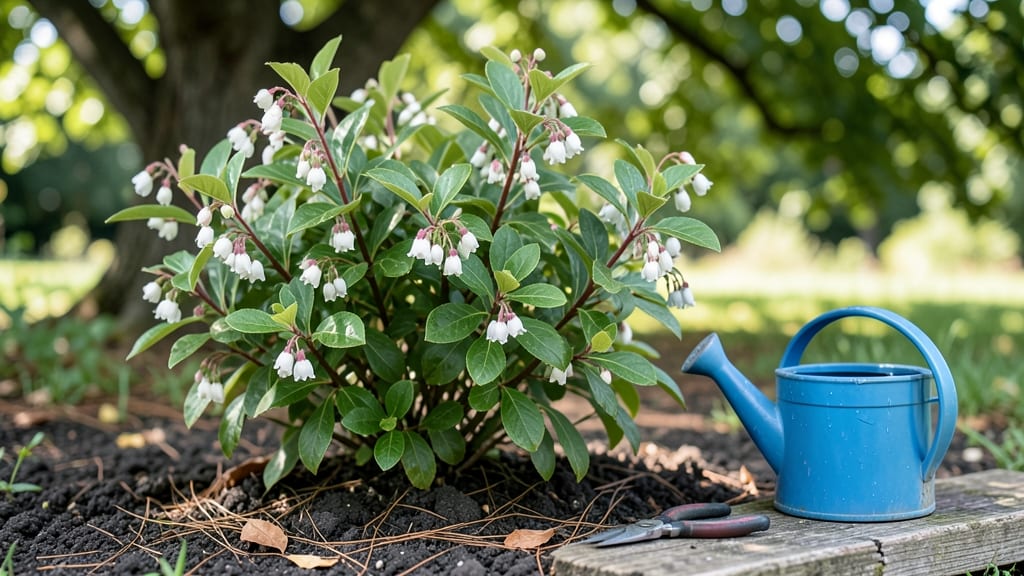
Blueberry flower buds are the secret to your Pacific Northwest harvest—those tiny pink clusters hold next year’s crop if you prune them right. 🌸 I’ve spent years watching my bushes struggle with weak buds until I learned the cold-hardy pruning tricks that actually work here.
The key isn’t just cutting back, but timing it so the plant rebuilds strong, frost-resistant buds before winter.
Most gardeners wait until spring, but the real magic happens in late winter when the buds are still dormant. You’ll need sharp pruners, a clear day (so you can see the buds), and about 30 minutes to shape a mature bush.
The goal is to open up the center for sunlight while preserving last year’s fruiting wood—those are the branches with the most buds. Think of it like giving your bush a haircut that boosts its confidence.
What you’ll end up with is a bush covered in plump, vibrant buds by early spring, ready to survive our wet winters and still produce buckets of berries. The buds themselves turn a stunning red-pink before blooming, and the scent of spring air around them is unbeatable.
With this method, I’ve doubled my yield in just two seasons—no fancy fertilizers, just smart pruning.
Works for all Pacific Northwest varieties, from rabbiteye to highbush. The same principles apply whether you’re dealing with a young bush or a veteran plant that’s overgrown. Here’s how to do it without stressing the plant—or yourself.
📚 In This Guide
- What you need
- Instructions
- Tips and common mistakes
- Wrapping up and next steps
What you need
- ● Pruning shears: Bypass pruners (sharp, clean, and sterilized to prevent disease spread). Quantity: 1 pair.
- ● Loppers: For thicker branches (16–24" blades). Quantity: 1 pair.
- ● Garden gloves: Heavy-duty, cut-resistant (e.g., Mechanix or Fellex). Quantity: 1 pair.
- ● Disinfectant: 70% isopropyl alcohol or bleach solution (1 part bleach to 9 parts water). Quantity: Small spray bottle.
- ○ Pruning sealant (optional): Tree wound dressing (e.g., Tanglefoot) for large cuts. Quantity: Small jar.
- ● Twine or zip ties: For securing branches during pruning. Quantity: 1 roll.
- ● Knowledge of blueberry growth: Familiarize yourself with blueberry plant anatomy (e.g., distinguishing between fruit wood and flower buds).
- ● Weather check: Prune on a dry, calm day (avoid frost or rain within 24 hours).
- ● Safety gear: Long sleeves/pants (blueberries can have thorns!).
- ● Cleanup supplies: Buckets, trash bags, and a shovel or rake for debris removal.
- ● Hand lens/magnifier: For spotting tiny flower buds (10x magnification).
- ● Labeling tags: To mark pruned sections if training new plants.
- ● Compost bin: For repurposing pruned branches.
- ● Pruning saw: For stubborn, thick branches (rare for blueberries but useful for older bushes).
Step-by-step guide for pruning blueberry flower buds in the Pacific Northwest
Here's how I keep my blueberry bushes thriving through cold winters and productive summers.
✂️ Step 1: Time Your Pruning for Late Winter Dormancy
Wait until late winter—after the worst cold snaps have passed but before buds begin swelling—typically February to early March in the Pacific Northwest. Pruning too early exposes tender growth to frost, while waiting too long removes next year's flower buds. You'll know it's time when the ground feels firm but not frozen solid.
I grab my sharp pruning shears and start by removing any dead or diseased wood first. These branches are easy to spot—they're brown, brittle, and won't snap back when bent. Cut them back to healthy wood or the main stem. This step prevents disease from spreading to your productive branches.
🌿 Step 2: Thin Out Overcrowded Branches
Blueberries produce best when sunlight reaches all branches. Look for crossing branches or those growing inward—they create shaded areas where fruit won't develop properly. Remove about one-third of the oldest wood each year to maintain balance. I target branches thicker than my thumb and growing toward the center of the bush.
Make clean cuts just outside the bud union (the swollen area where the branch meets the main stem). This encourages new growth from the right spot. If you're unsure which branches to cut, imagine sunlight streaming through the bush—you want an open, airy structure that lets light reach all sides.
⏰ Step 3: Shape for Airflow and Light Penetration
Step back and visualize your bush as a vase shape—wider at the bottom, narrower at the top. Remove any branches growing downward or too close to the ground. These rarely produce quality fruit and create damp conditions that invite disease. I like to leave 3-4 main branches as the framework, with smaller branches filling in the gaps.
Pay special attention to the flower buds—they form on last year's wood. Cutting back too aggressively removes next year's crop. Leave at least 12-18 inches of last year's growth on each branch. You'll see these buds as small, fuzzy clusters along the stems—don't mistake them for new growth.
☀️ Step 4: Clean Up and Protect for Spring Growth
After pruning, rake up all debris and dispose of it in the trash—not the compost pile. Diseased branches can harbor pathogens that survive winter. I like to sprinkle 2-3 inches of wood chips around the base of the bush to protect roots and retain moisture. This also suppresses weeds that compete with your blueberries.
Give your bushes a light feeding with 10-10-10 fertilizer in early spring once new growth appears. Water deeply but avoid soaking the soil—blueberries prefer slightly acidic soil (pH 4.5-5.5). You'll know your pruning worked when you see fresh green leaves emerging from the buds you carefully preserved.
Tips & tricks for pruning blueberry flower buds
Here's what nobody tells you about pruning blueberries—these tricks make all the difference between a bush that thrives and one that just survives.
Timing is Everything: The February to early March window is critical because that's when blueberries are in deep dormancy but before new growth starts. I've learned this the hard way—pruning too early can expose tender buds to late frosts, while waiting too long risks cutting off next year's flower clusters. Check the ground temperature: it should be firm but not frozen solid. If you're unsure, wait a few more days rather than rushing.
Tool Selection Matters: Using sharp pruning shears (not dull scissors or hedge clippers) makes all the difference. Dull tools crush stems instead of making clean cuts, which can damage the plant. I keep a pair of bypass pruners specifically for blueberries and sharpen them annually. For thicker branches, I use loppers—but only when absolutely necessary, as they can leave larger wounds. Always clean your tools with rubbing alcohol between cuts to prevent spreading disease.
Visualizing the Vase Shape: When shaping your bush, imagine sunlight streaming through it from all directions. The goal is to create an open center that lets light reach the inner branches where fruit develops. I like to stand back and squint—this helps me see the overall structure more clearly. Remove any branches growing downward or toward the center, as these create shaded areas that prevent fruit production. Think of your bush as an open vase rather than a dense ball.
Protecting Next Year's Crop: Remember that flower buds form on last year's wood, so be extra careful when pruning. Leave at least 12-18 inches of last year's growth on each branch to preserve next year's harvest. These buds look like small, fuzzy clusters along the stems—don't confuse them with new growth that appears later in spring. If you're unsure which branches to cut, err on the side of caution and leave more rather than less of last year's wood.
Pro Tips for Blueberry Flower Buds
- Here's what nobody tells you about pruning blueberries—these tricks make all the difference between a bush that thrives and one that just survives.
- Timing is Everything: The February to early March window is critical because that's when blueberries are in deep dormancy but before new growth starts.
- Tool Selection Matters: Using sharp pruning shears (not dull scissors or hedge clippers) makes all the difference.
Frequently asked questions
Got questions about blueberry flower buds and pruning in the Pacific Northwest? You’re not alone!
Here are some of the most common queries—plus clear, actionable answers to keep your bushes thriving.
When is the best time to prune blueberry flower buds in the PNW?
Prune after harvest (late summer to early fall) to avoid cutting off next year’s flower buds. The PNW’s mild winters mean you can wait until March or April if needed—just avoid pruning when buds are actively swelling (early spring). Pro tip: Snap a photo of your bush before pruning to track bud locations!
How do I tell if my blueberry buds are damaged by cold or disease?
Healthy buds are plump, firm, and reddish-purple. Damaged buds may look shriveled, mushy, or blackened (fungal issues) or dry and cracked (winter burn). If >50% are damaged, prune them out immediately in early spring. For severe cases, apply a copper fungicide in late winter. Bonus: Mulch with pine needles to protect buds from freeze-thaw cycles!
Should I remove ALL old wood when pruning blueberry bushes?
No! Blueberries produce fruit on 1-year-old wood, so never cut back more than 1/3 of the bush per year. Focus on removing:
- Dead or crossing branches (to improve airflow)
- Wood older than 3–4 years (for rejuvenation)
- Suckers at the base (they drain energy)
Can I still get berries if I accidentally prune off flower buds?
Yes, but yields may drop by 30–50%. Blueberries are resilient—focus on next year’s buds, which form on new growth after pruning. If you’ve over-pruned, feed with acid fertilizer (like cottonseed meal) to boost recovery. Good news: Bushes often rebound with even more vigorous growth the following season!
What’s a good alternative if my blueberry buds keep failing?
Try these cold-hardy PNW alternatives:
Pro tip: If you love blueberries, consider ‘Duke’ or ‘Jersey’ varieties—they’re the hardiest for the PNW!
Wrapping up and next steps
Blueberry flower buds are the heart of a thriving harvest, and with the right pruning techniques, your Pacific Northwest garden can flourish even in cooler climates! 🌿 By mastering cold-hardy pruning—like timing cuts to late winter or early spring, removing dead wood, and shaping for airflow—you’ll set your bushes up for abundant, delicious berries for years to come.
Now that you’re armed with the know-how, roll up your sleeves and get pruning! Start small if you’re new, and soon you’ll be a blueberry-growing pro. Happy gardening—and may your bushes bloom beautifully! 🌸