
Flowers
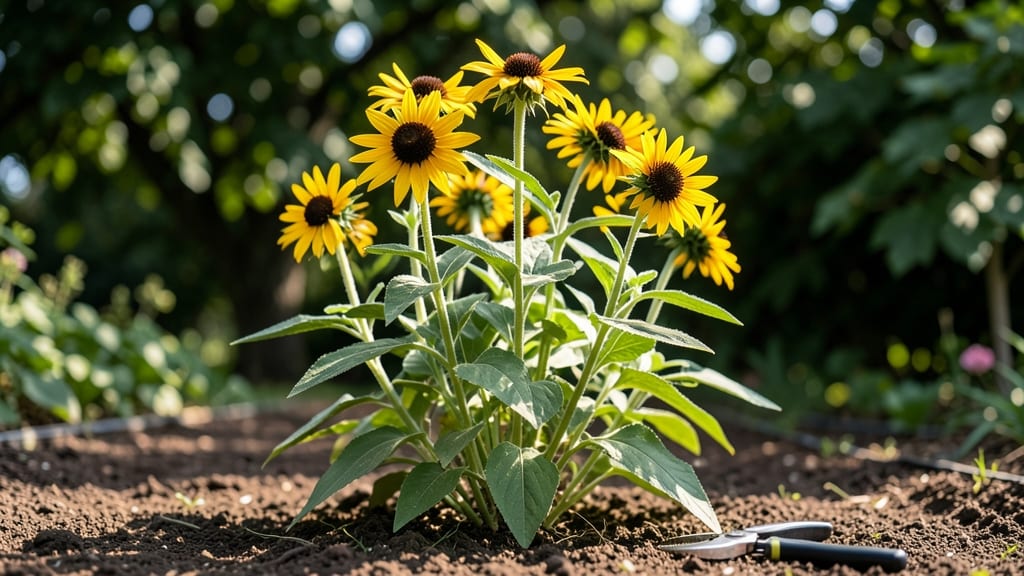
Those bright eyes flowers—like Rudbeckia and Calendula—transform Pacific Northwest gardens into sunlit havens, their golden centers glowing like beacons. 🌻 I remember the first time I planted them—their cheerful faces turned a dull corner into a sunlit oasis. even on cloudy days.
These perennials aren’t just pretty; they’re the backbone of a garden that feels alive year-round, especially in regions where gray skies dominate.
The secret to their magic lies in how they work together. Pair their warm tones with deep purples or cool blues for a striking contrast that pops against misty backdrops.
Try them along garden borders where they’ll spill over edges naturally, or in containers where their bold colors draw the eye. For extra impact, mix in native grasses or lavender—their textures create depth that makes the flowers stand out even more.
What you’ll end up with is a garden that feels vibrant and intentional, no matter the season. Imagine bees buzzing between blooms in summer, or frost-kissed stems standing tall in winter—these plants deliver beauty with minimal fuss.
They’re the kind of flowers that make neighbors pause and ask, “What are those?” and then smile when you tell them.
Works equally well in cottage-style gardens, modern landscapes, or even small urban spaces. The key is letting them shine where they’ll be seen most—whether that’s a sunny patio corner or a pollinator-friendly meadow. Let’s make your garden the bright spot everyone notices.
📚 In This Guide
- What you need
- Instructions
- Tips and common mistakes
- Wrapping up and next steps
What you need
- ● Bright Eyes Flowers (Perennials): 1–3 plants of Coreopsis verticillata ‘Bright Eyes’ (perennial coreopsis) – USDA Zones 3–9
- ● 1–2 plants of Rudbeckia fulgida ‘Goldsturm’ (black-eyed Susan) – sun-loving companion
- ● 1–2 plants of Echinacea purpurea ‘White Swan’ (coneflower) – drought-tolerant
- ● Soil: 1–2 cubic yards of well-draining garden soil (amend with compost if clay-heavy)
- ● Fertilizer: Balanced 10-10-10 granular fertilizer (1 lb per 100 sq ft) or organic compost tea
- ● Watering Tools: Hose with adjustable nozzle or drip irrigation kit
- ● Watering can (for seedlings)
- ● Planting Supplies: Garden trowel or hand shovel
- ● Gloves (to protect hands from thorns)
- ● Mulch (2–3 inches of pine bark or straw)
- ● Pruning Shears: For deadheading spent blooms (e.g., Felco F-2)
- ● Stakes or Trellis: If growing near fences/walls (for vertical support)
- ● Seed Starting Kit: If propagating from seeds (grow lights, seed trays, seedling heat mat)
- ● Soil pH Test Kit: To ensure 6.0–7.0 pH range (PNW soil can be acidic!)
- ● Decorative Stones: For edging or drainage (e.g., river rocks)
How to plant and maintain Pacific Northwest bright-eyed perennials
Here’s how to create a sun-loving perennial garden that blooms boldly all season.
🌱 Step 1: Choose the Right Sun-Loving Varieties
Focus on Pacific Northwest natives like blanket flower (Gaillardia), Russian sage (Perovskia), or bearded iris (Iris germanica)—they handle our mild summers and wet winters beautifully. These thrive in full sun (6+ hours daily) and tolerate our region’s 60-75°F temperature swings. I always pick drought-tolerant varieties first—they need less fuss once established.
Check your site’s microclimate: A south-facing slope stays warmer and drier, while a north-facing area may need shade protection during peak afternoon sun. If your garden gets hotter than 80°F, opt for iris or catmint—they handle heat better than some others. Plant in early spring (March-April) or early fall (September-October) for best root establishment.
☀️ Step 2: Prepare Soil and Plant for Year-Round Success
Amend your native soil with 2-3 inches of compost and a light layer of gravel for drainage—our region’s heavy clay can smother roots. I mix in 1 part compost to 3 parts soil and avoid heavy fertilizers, which encourage leafy growth over blooms. Test your soil’s pH: Most bright-eyed perennials prefer slightly acidic to neutral (6.0-7.0).
Dig holes twice as wide as the root ball but only as deep as the container. Gently loosen roots if pot-bound before planting. Space blanket flowers 18 inches apart, Russian sage 2-3 feet apart, and iris 2-3 feet apart—they’ll spread over time. Water deeply right after planting to settle the soil and remove the pot.
💧 Step 3: Water and Mulch for Drought-Resilient Growth
Water deeply once a week (or more in summer) until the top 6 inches of soil feel moist. Overwatering in winter causes rot, so reduce to every 2-3 weeks unless we have a dry spell. I use a soaker hose to deliver water at the base—this prevents fungal issues from wet foliage.
Apply 2-3 inches of mulch (like cedar chips or pine bark) around plants, keeping it 2 inches away from stems. This conserves moisture, regulates soil temperature, and suppresses weeds. Replenish mulch in early spring—it breaks down over winter. Avoid thick layers, which can smother roots.
✂️ Step 4: Prune and Deadhead for Continuous Blooms
Cut back spent blooms (like blanket flower or Russian sage) to just above the first set of healthy leaves—this encourages more flowers and prevents seed formation. I prune Russian sage back by ⅓ in early spring to shape it and promote bushier growth. For iris, remove faded stalks at the base but leave the sword-shaped leaves until they yellow naturally.
In late fall (November), cut back woody stems (like Russian sage) to 6 inches tall. Leave grasses and ornamental leaves (like catmint) for winter interest—they provide texture and shelter for beneficial insects. Divide crowded clumps (like iris) every 3-4 years in early spring to maintain vigor.
Tips & tricks for perfect bright Eyes flowers
Here's what nobody tells you about making these sun-lovers truly thrive in your Pacific Northwest garden.
Microclimate Mastery: That south-facing slope you're eyeing? It's a game-changer for heat-sensitive varieties like blanket flower. If your garden hits above 80°F, plant Russian sage on the cooler north side where it won't scorch. I've seen blanket flowers wilt dramatically in afternoon sun—move them to morning sun only if this happens. The key is observing how your plants react after the first hot spell.
Soil Science Secret: Our native clay soil can be a double-edged sword. While the 2-3 inches of compost is essential, don't skip the gravel layer—it's what prevents that suffocating effect. I've seen iris roots actually rot when planted without proper drainage. For extra insurance, mix in some coarse sand if your soil feels particularly dense. The goal is to mimic the loose, well-draining conditions these perennials evolved with.
Watering Wisdom: That "water deeply once a week" guideline needs context. In summer, check soil moisture at the 6-inch mark before watering—it should feel like a wrung-out sponge. I've ruined too many perennials by assuming "once a week" meant calendar weeks rather than soil condition weeks. For container-grown plants, water every 2-3 days regardless of the season.
Pruning Precision: When deadheading Russian sage, don't just chop—look for that first set of healthy leaves below the bloom. Cutting too low removes growth points. For iris, I've learned the hard way that leaving those yellowing leaves too long attracts iris borers. The perfect balance is removing faded stalks while keeping leaves until they're completely brown and crispy. Timing matters: do this in late summer to prevent winter dieback.
Pro Tips for Bright Eyes Flowers
- Here's what nobody tells you about making these sun-lovers truly thrive in your Pacific Northwest garden.
- Microclimate Mastery: That south-facing slope you're eyeing?
- Soil Science Secret: Our native clay soil can be a double-edged sword.
Frequently asked questions
Got questions about growing bright eyes flowers in the Pacific Northwest? You’re not alone! Here are some of the most common queries—and their answers—to help you cultivate these stunning sun-lovers with confidence.
What’s the best time to plant bright eyes flowers in the PNW?
Plant Bright Eyes (Coreopsis verticillata) in early spring (March–April) or early fall (September–October). Spring planting gives roots time to establish before summer heat, while fall planting avoids drought stress. Avoid planting in late summer—heat and dry soil can shock young plants.
How long does it take for bright eyes flowers to bloom after planting?
With proper care, you’ll see first blooms in 6–8 weeks after planting. For established perennials, expect vibrant flowers from mid-summer to early fall (July–September). Deadhead spent blooms to encourage nonstop reblooming until frost!
Do bright eyes flowers need frequent watering in the PNW’s dry summers?
Once established (after 1–2 years), these drought-tolerant beauties thrive on occasional deep watering (every 1–2 weeks). Young plants need weekly watering to prevent wilting. Mulch around the base to retain moisture and protect roots—they’ll reward you with fewer chores and more blooms!
Can bright eyes flowers grow in partial shade, or do they need full sun?
While they prefer full sun (6+ hours daily), Bright Eyes can tolerate partial shade (4–6 hours)—especially in hotter PNW regions like Portland or Seattle. In shadier spots, expect smaller blooms and leggier stems. For best results, place them where they’ll bask in morning sun and afternoon light.
Are bright eyes flowers deer- or rabbit-resistant? What pests should I watch for?
Good news: Deer and rabbits usually avoid them! However, keep an eye out for aphids, spider mites, or Japanese beetles, which may munch on leaves. Spray with neem oil or introduce ladybugs for organic pest control. Healthy plants are less attractive to pests—so prioritize well-draining soil and sunlight!
What are some great companion plants for bright eyes flowers?
Pair them with PNW-friendly perennials like Russian sage, black-eyed Susans, or salvia for a low-maintenance pollinator garden. They also thrive near lavender, catmint, or ornamental grasses for texture contrast. Avoid heavy feeders like petunias, which compete for nutrients.
Wrapping up and next steps
Bright Eyes flowers are the perfect sun-loving stars for your Pacific Northwest garden—bursting with color, resilience, and year-round charm! 🌸 Whether you're a seasoned gardener or just starting, these perennials offer low-maintenance beauty and adaptability, making them a dream addition.
Ready to transform your outdoor space? Start by selecting your favorite varieties, prepping your soil, and planting with confidence—your garden will thank you!
🌱 Your Next Step:
- Order seeds or plants from trusted nurseries like Proven Winners or Local PNW Growers.
- Sketch a layout or use apps like Gardenate to plan your flowerbed.
- Share your progress—tag us @BrightEyesFlowersPNW for inspiration!