
Flowers
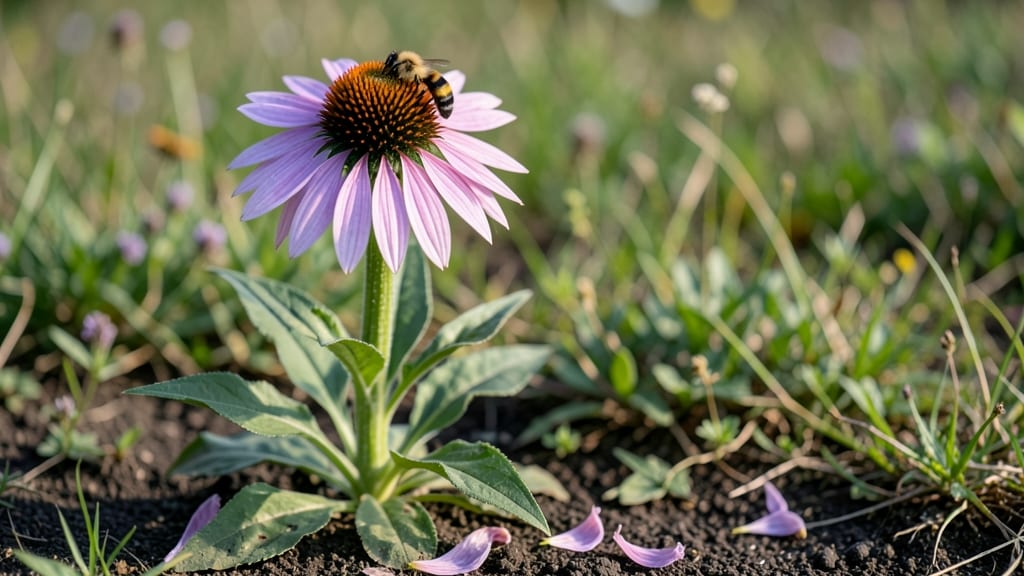
The Pacific Northwest’s bumble bees need the right flowers to thrive—and these native blooms deliver. 🌿 I’ve watched my garden transform from a quiet corner to a buzzing hub of activity just by planting the right bee-friendly species.
The secret lies in choosing flowers that match their preferences: deep purples, bright yellows, and sturdy stems that hold up to their heavy landings.
Think salmonberry, blue camas, and sword fern for early spring, then transition to lupine, penstemon, and yarrow as summer unfolds. These plants don’t just attract bees—they keep them coming back all season long.
The key is layering blooms so there’s always something in flower, from March’s first light to October’s golden hues.
What you’ll end up with is a garden alive with movement, where every visit from a fuzzy bumble bee means more tomatoes, berries, and herbs for you. The air hums with wings, and the soil stays rich from all that pollination magic. No pesticides here—just pure, thriving biodiversity.
Works in shade or sun, from city balconies to wild meadows. Let’s get your garden buzzing the right way.
📚 In This Guide
- What you need
- Instructions
- Tips and common mistakes
- Wrapping up and next steps
What you need
- ● Native wildflower seeds: Choose PNW-friendly varieties like Eschscholzia californica (California poppy), Lupinus (lupine), or Achillea millefolium (yarrow). Aim for 1–2 lbs of seed per 100 sq ft.
- ● Well-draining soil: Mix 1 part native compost with 2 parts native soil (or use pre-mixed PNW native soil blend).
- ● Organic mulch: 2–3 inches of wood chips or straw to retain moisture and suppress weeds.
- ● Watering can or hose: With a gentle spray nozzle (to avoid displacing seeds).
- ○ Garden gloves (optional but recommended for handling soil/seeds).
- ● Hand trowel or transplanting tool (for planting seedlings or dividing clumps).
- ● Measuring tape or ruler (to space plants 12–24 inches apart, depending on variety).
- ● Sunlight access: 6+ hours of direct sun daily (most PNW natives thrive in full sun).
- ○ Optional but helpful: Drip irrigation kit (for consistent watering).
- ● Native plant guidebook (to ID local species).
- ● Pollinator-friendly companion plants (e.g., Ceanothus or Symphyotrichum).
How to create a bumble bee-friendly flower garden in the Pacific Northwest
Here’s how to design a garden that keeps these fuzzy pollinators buzzing all season.
🌱 Step 1: Select Native Bees’ Favorite Flowers
Start with Pacific Northwest natives like California poppies, yarrow, lupines, and sage. These plants evolved alongside bumble bees and provide the nectar and pollen they crave. Avoid double-flowered varieties—they often lack accessible pollen. Single blooms with flat faces (like coneflowers) let bees land and forage easily.
I like to group plants in clusters of 3-5 per variety to create visible "landing strips" for bees. This mimics natural meadows where bees can efficiently move between blooms. Check bloom times too—you’ll want early spring (like blue-eyed grass), summer (like beebalm), and fall (like goldenrod) options to feed bees year-round.
☀️ Step 2: Position for Sun and Shelter
Bumble bees need full sun to partial shade—most species prefer 6+ hours of direct sunlight daily. In the Pacific Northwest’s cooler climate, morning sun with afternoon shade works well for heat-sensitive natives. Place taller plants (like lupines) at the back and shorter ones (like creeping thyme) in front to create a layered effect that shields bees from wind.
Add a small water source nearby—a shallow dish with pebbles or a tiny pond. Bees need water but can’t drink from deep containers. I place mine on the ground where bees can land safely. Avoid pesticides entirely—even "bee-safe" sprays can harm bumble bees. If you must control pests, use neem oil or handpick insects instead.
💧 Step 3: Plant and Maintain for Year-Round Buzzing
Prepare the soil by loosening it to a depth of 6-8 inches and mixing in compost for nutrients. Bumble bees don’t need rich soil, but well-draining, slightly sandy loam helps plants establish quickly. Space perennials 12-18 inches apart to allow airflow and prevent disease. Annuals can go closer together—6-12 inches—since they’ll only live one season.
Water deeply once a week after planting, then taper to every 10-14 days once established. Let the soil dry slightly between waterings—bumble bees thrive in gardens that mimic natural rainfall patterns. Mulch with 2-3 inches of wood chips to retain moisture and suppress weeds, but leave a 1-inch gap around stems to prevent rot.
✂️ Step 4: Encourage Bees with Minimal Pruning
Deadhead spent blooms in late summer to encourage fall reblooms, but leave some seed heads standing over winter. Bumble bees collect pollen and nectar from fading flowers, and seed heads provide shelter for overwintering queens. I leave 20-30% of each plant’s blooms untouched for this purpose.
In early spring, cut back dead foliage to 3-4 inches tall to make room for new growth. Avoid heavy pruning in late summer—this removes the food source bees rely on before winter. If you have aggressive spreaders like mint, contain them with buried edging or containers. Bumble bees will thank you by pollinating your garden more effectively than any store-bought alternative.
Tips & tricks for a thriving bumble bee haven
Creating a buzzing garden doesn't have to be complicated—these simple strategies will help you maximize your pollinator-friendly space.
Plant Diversity is Key: While the instructions highlight core plants, consider adding Oregon grape or salal for extra forage. Bumble bees love variety, and native shrubs provide both pollen and shelter. I always include at least one native shrub in my designs—it makes a huge difference for overwintering queens. The more plant types you include, the more bees your garden will attract throughout the season.
Sunlight Strategy for Pacific Northwest Gardens: If your garden gets less than 6 hours of sun, focus on partial shade-loving natives like foxglove or columbine. These still provide excellent forage while thriving in dappled light. Position them where they'll get morning sun and afternoon shade—this mimics the natural forest edges where many PNW plants evolved. Remember, bees need warmth to fly, so even partial shade options should get at least 3-4 hours of direct sunlight.
Water Source Design: The shallow dish with pebbles is perfect, but you can take it further by creating a mini "bee watering hole." Add small pebbles or smooth stones to the edges so bees have something to grip while drinking. I like to place a few flat rocks around the water source too—bees use them as landing pads. Change the water every 2-3 days to prevent mosquito breeding, but keep it fresh for your fuzzy visitors.
Seasonal Layering Tip: For year-round interest, plant early bloomers like blue-eyed grass alongside late-season favorites such as goldenrod. This creates a continuous food source. I also recommend adding winter aconite for early spring color—it blooms when little else is available. The key is to think like a bee: always have something in bloom from late winter through fall.
Pro Tips for Bumble Bee Flower
- Creating a buzzing garden doesn't have to be complicated—these simple strategies will help you maximize your pollinator-friendly space.
- Plant Diversity is Key: While the instructions highlight core plants, consider adding Oregon grape or salal for extra forage.
- Sunlight Strategy for Pacific Northwest Gardens: If your garden gets less than 6 hours of sun, focus on partial shade-loving natives like foxglove or columbine.
Frequently asked questions
What are the best bumble bee flower varieties for the PNW?
The Pacific Northwest thrives with native Penstemon (beardtongue), Lupinus (lupine), Achillea (yarrow), and Ceanothus (buckbrush). These drought-tolerant, low-maintenance blooms provide nectar and pollen year-round. For early spring color, try Camassia (wild hyacinth) or Dicentra (bleeding heart).
When is the best time to plant bumble bee flowers?
For most PNW natives, early spring (March–April) or fall (September–October) is ideal. Planting in spring gives roots time to establish before summer heat, while fall planting avoids competition. Avoid planting during extreme weather—like winter freezes or scorching summer days.
How much water do bumble bee flowers need?
Once established, most native PNW flowers are drought-tolerant—water deeply 1–2 times per week for the first month after planting. After that, rely on natural rainfall. Overwatering can harm roots, so let soil dry slightly between waterings. Mulch helps retain moisture!
Why aren’t bumble bees visiting my flowers?
Check these common issues:
- Timing: Some flowers bloom early/late—plant a mix for continuous nectar.
- Pesticides: Avoid chemicals; opt for organic solutions like neem oil.
- Location: Place flowers in sunny, sheltered spots (bumble bees dislike wind).
- Species mismatch: Bumble bees prefer open, tubular, or flat-faced flowers (like lavender or coneflowers).
If problems persist, try adding a water source (like a shallow dish) nearby!
Can I grow bumble bee flowers in containers?
Choose compact natives like Penstemon or Heuchera (coral bells). Use well-draining soil and 10–12" pots for larger varieties. Ensure containers get 6+ hours of sun and water regularly until roots establish. Just avoid overcrowding—bumble bees need space to forage!
Wrapping up and next steps
From their vibrant blooms to their crucial role in ecosystems, bumble bee flowers in the Pacific Northwest are a true gift to nature—and to gardeners! 🌸 These hardy plants not only support pollinators but also add beauty and resilience to your outdoor space.
Whether you're a seasoned gardener or just starting out, every little bloom helps the bumble bees thrive.
Ready to take action? Start small—plant a few native species in your garden or even a windowsill pot. Share your progress with local conservation groups or tag us in your photos (#PNWPollinatorPower)! Together, we can create a buzz 🐝 for these amazing pollinators.