
Blooming
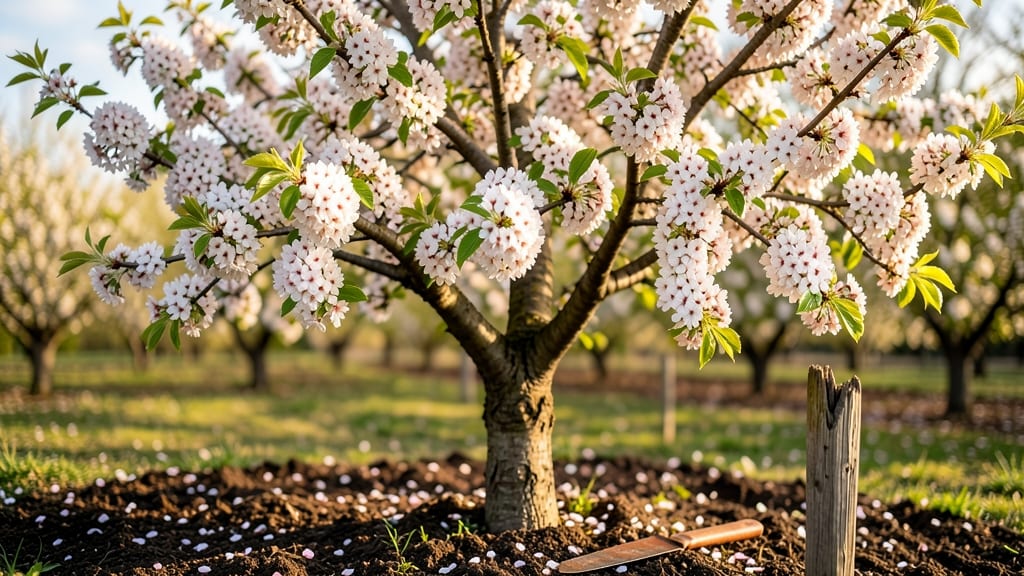
Your cherry tree’s flowering time in the Pacific Northwest isn’t just about pretty blossoms—it’s the first clue to whether you’ll have fruit this summer. 🌸 I’ve tracked blooms for years here, and the timing shifts with each variety and winter’s chill hours.
Some burst into pink by late March, while others wait until May, and that difference means everything for fruit set.
The real secret isn’t guessing—it’s understanding how chill hours and winter care set the stage. Prune in late winter to open the canopy, water deeply before buds swell, and watch for late frosts that can turn blossoms to mush.
Even the hardiest trees need a little help when spring’s mood swings arrive.
What you’ll get is a predictable bloom window that lets you time pruning, pest control, and even fruit thinning for the best harvest. Miss this window, and you might end up with bitter cherries—or none at all. The payoff? A tree that flowers reliably year after year, with fewer surprises.
Works for both ornamental and fruit-bearing varieties, from the early-blooming ‘Stella’ to the late ‘Rainier.’ Here’s how to read your tree’s signals and adjust your care plan before buds even appear.
📚 In This Guide
- What you need
- Instructions
- Tips and common mistakes
- Wrapping up and next steps
What you need
- ● Cherry tree(s) (preferably Prunus avium or Prunus serrulata for PNW climates)
- ● Weather-resistant journal or app (e.g., Gardenate or PlantNet) for bloom tracking
- ● Digital thermometer/hygrometer (outdoor-rated, with °F/C and humidity tracking)
- ● Camera or smartphone (for documenting bud stages and full blooms)
- ● Pruning shears (sterilized, 6–8" blades for light maintenance)
- ● Bloom stage chart (printable or digital—PNW-specific guides are ideal!)
- ● Garden markers (biodegradable labels for tracking multiple trees)
- ● Soil moisture meter (to check for stress before/after blooming)
- ● Local PNW bloom forecast alerts (subscribe to USDA Plant Hardiness Zone 7–9 updates)
- ○ Pollinator-friendly treats (optional: bird feeders or bee baths to support blooms!)
Instructions for predicting and encouraging cherry tree blooms in the Pacific Northwest
Here's how to time your cherry tree's spectacular spring show like a local.
🌱 Step 1: Understand Your Cherry Tree's Varietal Bloom Window
Pacific Northwest cherry trees fall into three main bloom categories: early, mid, and late season. Early bloomers like 'Stella' open petals in late March to early April, while late varieties such as 'Lapins' wait until mid to late April. Know your tree's type—check the tag or consult your nursery notes. I always verify with neighbors who've grown the same variety; their trees often bloom within days of mine.
Watch for swollen buds as your first clue. These appear in late February for early varieties and early March for later ones. The buds should feel firm but slightly plump, like a ripe pea. If they're still tight and hard, your tree needs more winter chill hours—most PNW cherries require 500-1,000 hours below 45°F.
☀️ Step 2: Track Weather Patterns That Trigger Blooming
The PNW's maritime climate creates perfect bloom conditions when we get three consecutive days of temperatures between 50-65°F after a cold snap. I set a reminder for mid-March to start monitoring daily highs. Sudden warm spells above 70°F can cause premature blooming—dangerous if frost follows. Use a thermometer near your tree to track overnight lows; cherries need protection if temps drop below 28°F after buds open.
Look for pink bud stage as your key milestone. This happens when the flower clusters turn from green to pale pink, usually 10-14 days before full bloom. That's when I move my frost cloths to the ready position. The PNW's unpredictable spring weather means you'll need to be prepared to cover trees overnight for at least two weeks after pink bud stage appears.
⏰ Step 3: Create Ideal Conditions for Extended Bloom Periods
Water consistently during bud development (February-March) to prevent stress. Give your tree 1-2 inches of water weekly, delivered deep at the drip line. I use a soaker hose on Sundays to avoid wetting the bark. Overhead watering can spread fungal spores that weaken buds before they open. Healthy buds mean more flowers and better fruit set later.
Apply a balanced 10-10-10 fertilizer in early February when buds begin swelling. Follow package rates for your tree's size—over-fertilizing stresses trees just as they're preparing to bloom. The goal is to support vigorous new growth without encouraging excessive leaf production at the expense of flowers. You'll see stronger blooms and more consistent fruit production within 2-3 years of proper feeding.
🌿 Step 4: Monitor Bloom Progression and Prepare for Fruit Set
Full bloom occurs when 75% of petals have fallen from the tree. This typically lasts 5-7 days, with peak beauty on day 3-4. Take photos daily—you'll want to document next year's improvements. The petal fall signals the tree's energy shifts to fruit development. Remove any mummified fruit from last year (those brown, shriveled cherries) to prevent disease spread.
Watch for king bloom—the last 10% of flowers that open after the main display. These often produce the largest fruit. If you see bees actively working these late blooms, your tree is setting fruit well. The PNW's cool springs sometimes delay pollination, so I hand-pollinate stubborn trees by gently shaking branches when bees are active in the morning.
✂️ Step 5: Plan Post-Bloom Care for Next Year's Flowers
Thin fruit to 6-8 inches apart when cherries are 1 inch in diameter. This ensures larger, higher-quality fruit and prevents branch breakage. I use clean pruning shears and make cuts at a 45-degree angle just above a bud. Remove any suckers (shoots growing from the base) immediately—they divert energy from flower production.
Apply a second fertilizer application in mid-June with half the early spring rate. This supports root growth and next year's flower buds. Mulch with 3-4 inches of wood chips to maintain soil moisture and temperature. The key to reliable blooming is consistent care—trees that receive proper attention year-round develop stronger flower buds each winter.
Tips & tricks for perfect cherry tree blooms in the Pacific Northwest
Here's what nobody tells you about getting your cherry tree to bloom reliably year after year.
Chill Hours Check: Most PNW cherry trees need 500-1,000 hours below 45°F to set strong flower buds. If your tree isn't blooming well, it might not be getting enough winter chill. I track chill hours using a simple outdoor thermometer—anything below 45°F counts. If you're in a milder microclimate, consider planting a variety like 'Stella' that thrives with fewer chill hours.
Frost Protection Strategy: The PNW's unpredictable spring weather means you'll need to be ready to protect your blooms. I keep frost cloths handy and set up a reminder for two weeks after pink bud stage appears. Test your frost cloths in advance—they should reduce temperatures by 5-10°F. If overnight lows drop below 28°F after buds open, cover your tree immediately. The difference between a spectacular bloom and a frost-damaged disaster often comes down to this single preparation step.
Watering Wisdom: During bud development (February-March), your tree needs 1-2 inches of water weekly, but timing matters. I water deeply on Sundays using a soaker hose to avoid wetting the bark. The key is consistent moisture without soggy soil. Overhead watering can spread fungal spores that weaken buds before they open. Think of this as a spa treatment for your tree—consistent, gentle hydration without stress.
Fertilizer Timing: That early February fertilizer application is critical for strong blooms. I use a balanced 10-10-10 formula at half the recommended rate—too much nitrogen can encourage leafy growth at the expense of flowers. The goal is to support flower bud development without overstimulating the tree. You'll see the payoff in 2-3 years of consistent care, with stronger blooms and better fruit set each spring.
Pro Tips for Cherry Tree Flowering Time
- Here's what nobody tells you about getting your cherry tree to bloom reliably year after year.
- Chill Hours Check: Most PNW cherry trees need 500-1,000 hours below 45°F to set strong flower buds.
- Frost Protection Strategy: The PNW's unpredictable spring weather means you'll need to be ready to protect your blooms.
Frequently asked questions
Got questions about cherry tree blooms in the Pacific Northwest?
You’re not alone! Here are some of the most common queries—and their answers—to help you plan ahead for that stunning spring spectacle.
When do cherry trees typically bloom in the PNW?
Most cherry trees in the Pacific Northwest bloom between late March and early May, depending on the species and local microclimates. West Coast varieties like Yoshino or Kwanzan often peak in April, while early bloomers may start as early as mid-March in warmer areas like Portland or Seattle.
What happens if cherry trees bloom too early or late?
Early blooms risk late frost damage (common in April), while late blooms may miss peak tourist seasons. Hardiness zones 7-9 are ideal—if you’re in a colder zone, opt for late-blooming cultivars like ‘Autumnalis’, which flower sporadically year-round. Monitor local frost alerts for protection tips!
Can I control when my cherry tree flowers?
Not directly—but you can influence timing with care! Prune in late winter to encourage healthy growth, and ensure the tree gets full sun (6+ hours/day). Avoid over-fertilizing with nitrogen (it delays blooms). For container-grown trees, use slow-release fertilizer in early spring to support flowering.
Why aren’t my cherry tree flowers turning into fruit?
Cherry trees need cross-pollination (plant two compatible varieties) and consistent care. Poor fruit set can also stem from:
- Late frost damaging flowers before pollinators arrive.
- Over-pruning reducing energy for fruit production.
- Pests/disease (e.g., cherry leaf spot or aphids).
What’s the best time to plant a cherry tree for spring blooms?
Plant bare-root trees in late winter (Feb–March) or container-grown trees in early fall (Sept–Oct). This gives roots time to establish before the first bloom cycle. For the PNW, early fall planting is ideal—it avoids summer drought stress and aligns with natural growth rhythms.
Wrapping up and next steps
Understanding your cherry tree’s flowering time in the Pacific Northwest isn’t just about timing—it’s about celebrating the magic of spring! 🌸 From early bloomers like the Prunus avium to late-season stars like the Prunus serrulata, each variety brings its own burst of color and fragrance.
Whether you’re a gardener, photographer, or simply a nature lover, knowing when to expect those delicate petals helps you plan picnics, capture stunning photos, or even predict pollinator visits.
Now that you’re armed with the bloom calendar, why not take the next step? Plant a cherry tree of your own, join a local gardening group, or simply step outside to admire the seasonal spectacle.
Every blossom is a reminder that patience—and a little knowledge—rewards you with beauty beyond measure!