
Advice
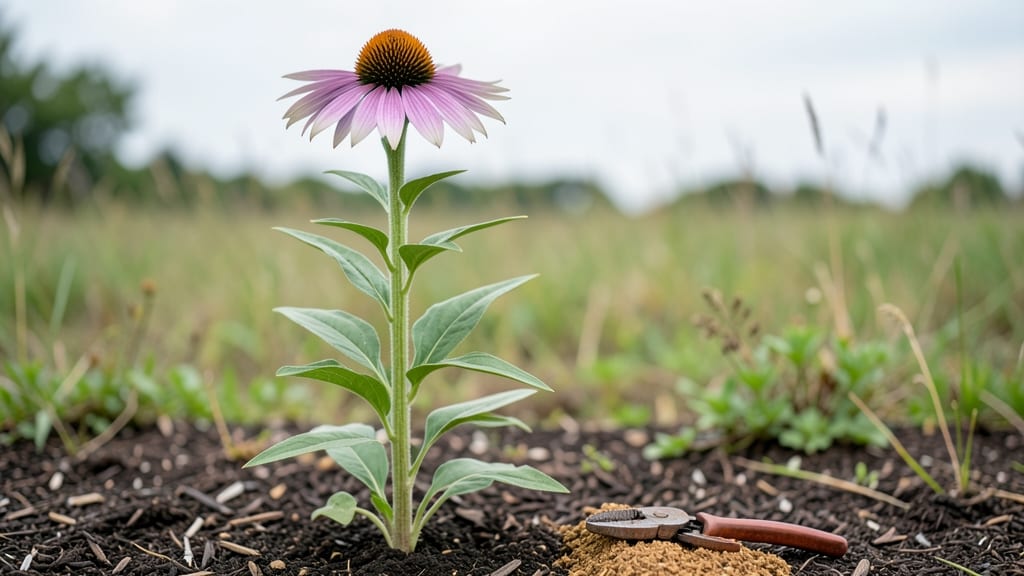
Cheyenne Spirit coneflower's deep magenta-purple petals are the Pacific Northwest's answer to bold, long-lasting color that refuses to fade. 🌿 I've watched this plant transform my late-summer garden from ordinary to showstopping—its petals stay vibrant even when other flowers wilt under the rain.
The contrast between those rich petals and the rusty-brown central cone creates a visual magnet that draws bees and hummingbirds for weeks.
Pair it with silver foliage plants like lamb's ear or dusty miller to make the purple pop even harder, or tuck it beside goldenrod for a sunset-inspired color combo.
In my own garden, the Cheyenne Spirit holds its color through September's drizzle when most coneflowers look washed out, proving it's built for the PNW's unpredictable weather. The secret lies in its thick petals that resist fading, even when other flowers bleach in the sun.
What makes this variety truly special is how it elevates seasonal interest—starting with fresh magenta buds in early summer, then opening to those deep purple blooms that last until frost. The dried flowers even retain their color on stems, making them perfect for winter arrangements.
Once you see it in your garden, you'll understand why it's become a favorite for both wildflower meadows and structured perennial borders.
The real magic happens when you group three or more plants together—their combined color creates a purple haze that feels like a living watercolor. For maximum impact, plant them where they'll get at least 6 hours of sunlight daily, and watch as they become the star of your late-season garden.
This isn't just a flower—it's a color statement that works harder than any annual could.
📚 In This Guide
- What you need
- Instructions
- Tips and common mistakes
- Wrapping up and next steps
What you need
- ● Cheyenne Spirit coneflower: Seeds: 1 packet (50-100 seeds) for direct sowing
- ● Transplants: 3-5 young plants (4" pots) for quick results
- ● Mature division: 1-2 established clumps (3-4" diameter)
- ● Soil prep: Well-draining native soil or a mix of 60% topsoil + 30% compost + 10% perlite
- ● pH tester (ideal range: 6.0-7.5)
- ● Sunlight: Full sun (6+ hours/day) or partial shade (morning sun, afternoon shade)
- ● Garden tools: Trowel or transplant spade
- ● Hand pruners (for dividing clumps)
- ○ Garden gloves (optional but highly recommended!)
- ● Watering: Watering can or hose with gentle spray nozzle
- ○ Drip irrigation kit (optional for long-term care)
- ● Mulch: 2-3 inches of shredded bark or straw (helps retain moisture)
- ● Fertilizer: Balanced 10-10-10 or orgainc compost (sprinkle lightly at planting)
- ● Stakes or cages (if your coneflowers lean in windy PNW conditions)
- ● Wildlife-friendly companion plants (e.g., beebalm or black-eyed Susan)
- ● Plant markers (to track varieties if mixing colors)
Step-by-step guide for planting and caring for Cheyenne Spirit coneflower
This vibrant perennial thrives with the right placement and care—here's how to unlock its bold purple beauty.
🌱 Step 1: Choose the Perfect Planting Spot
Cheyenne Spirit coneflower loves full sun to partial shade, but in the Pacific Northwest, it performs best with at least 6 hours of direct sunlight daily. I always pick a spot with morning sun and afternoon shade to prevent leaf scorch during our hot summer days. The soil should drain well—these plants hate soggy roots.
Here's the thing—this coneflower tolerates poor soil better than most perennials, but it still needs room to spread. Space plants 2-3 feet apart to give them space for their striking foliage and blooms. If your soil is heavy clay, mix in 1-2 inches of compost before planting to improve drainage.
🪴 Step 2: Plant at the Right Depth and Time
Dig a hole twice as wide as the root ball but only as deep as the container it came in. Gently remove the plant and place it in the hole so the top of the root ball sits just below soil level—never bury the crown too deep. This ensures strong root growth without inviting rot.
Spring or early fall are ideal planting times. In the Pacific Northwest, I always plant in late March to early April before our summer heat arrives. Water deeply right after planting to settle the soil around the roots. You'll know it's right when the soil looks slightly damp but not glistening.
☀️ Step 3: Water and Maintain for Stunning Blooms
Once established, Cheyenne Spirit coneflower is drought-tolerant, but young plants need consistent moisture. Water 1-2 times per week until the plant shows new growth—usually within 4-6 weeks. After that, water only when the top 2 inches of soil feel dry to the touch.
This is the moment that matters: Deadhead spent blooms by cutting back the flower stems to just above the first set of healthy leaves. I do this throughout the summer to encourage more blooms and keep the plant looking tidy. Fertilizer isn't usually needed, but a light application of balanced 10-10-10 in early spring can boost growth if your soil is particularly poor.
✂️ Step 4: Prune and Prepare for Winter
In late fall, after the first frost blackens the foliage, cut back the stems to 2-3 inches above the ground. This prevents disease and makes room for fresh growth in spring. I always use clean, sharp pruners to avoid damaging the stems.
Mulch around the base with 2-3 inches of shredded bark or leaves to protect the roots during winter. This helps insulate the soil and keeps moisture in during our wet Pacific Northwest winters. In spring, remove the mulch to allow new growth to emerge.
Tips & tricks for perfect Cheyenne Spirit coneflower color
Real talk: The bold purple hue that makes Cheyenne Spirit stand out isn't just luck—it's about the details. Here's what nobody tells you about keeping those vibrant blooms popping year after year.
Sunlight Strategy: Those 6 hours of direct sunlight are non-negotiable for that signature purple color. In the Pacific Northwest, I've found that positioning plants where they get morning sun and afternoon shade prevents the foliage from turning yellowish. If your garden gets intense afternoon sun, consider a 50% shade cloth during peak summer hours—it preserves that rich purple without sacrificing bloom intensity.
Soil Secrets: While Cheyenne Spirit tolerates poor soil, the purple color actually deepens in well-draining soil with a pH between 6.0-7.0. If your soil is heavy clay, that 1-2 inches of compost recommendation isn't just for drainage—it also helps maintain the right pH. For an extra boost, mix in a handful of bone meal when planting, which adds phosphorus that supports vibrant flower color. The difference in hue is noticeable within just a few weeks!
Watering Wisdom: The 1-2 times per week watering guideline changes after 4-6 weeks, but here's the thing: Overwatering can actually dilute that purple pigment. Always check that top 2 inches of soil—if it's damp but not soggy, hold off. I've noticed the most intense purple blooms come from plants that get consistent moisture but never waterlogged roots. A drip irrigation system set to shallow cycles works best for maintaining this balance.
Deadheading Technique: When you're cutting back those spent blooms to just above the first set of healthy leaves, make sure to use clean, sharp pruners. Dull blades crush stems and can introduce disease, which weakens the plant and dulls the purple color over time. I've also found that deadheading in the early morning gives the plant the whole day to recover and produce even more vibrant new blooms by evening.
Pro Tips for Cheyenne Spirit Coneflower Color
- Real talk: The bold purple hue that makes Cheyenne Spirit stand out isn't just luck—it's about the details.
- Sunlight Strategy: Those 6 hours of direct sunlight are non-negotiable for that signature purple color.
- Soil Secrets: While Cheyenne Spirit tolerates poor soil, the purple color actually deepens in well-draining soil with a pH between 6.0-7.0.
Frequently asked questions
What’s the best time to plant Cheyenne Spirit coneflowers for vibrant purple blooms?
Plant Cheyenne Spirit in early spring (March–April) or early fall (September–October) for optimal root establishment. In the PNW’s mild climate, avoid summer heat stress—wait until soil temps drop below 75°F (24°C). Pro tip: Container-grown plants can be planted year-round if soil isn’t frozen!
Why aren’t my Cheyenne Spirit flowers as deep purple as expected?
Color intensity fades with low sunlight (aim for 6+ hours/day) or poor soil fertility. Test soil pH (ideal: 6.0–7.0) and amend with compost. Over-fertilizing with nitrogen can also dilute hues—opt for balanced 10-10-10 instead. Troubleshoot: Deadhead spent blooms to encourage richer reblooms!
Does Cheyenne Spirit handle PNW’s rainy seasons well?
This coneflower thrives in moist but well-drained soil—ideal for the PNW’s wet winters. However, avoid soggy soil (amend with sand or gravel if needed). Mulch (2–3 inches) retains moisture and protects roots from winter chill. Bonus: Its drought tolerance kicks in once established!
Can I grow Cheyenne Spirit in containers for patio purple pops?
Yes! Use a 12–18-inch pot with drainage holes and a lightweight mix (60% potting soil, 30% perlite, 10% compost). Repot every 2–3 years to refresh nutrients. Container hack: Place pots in morning sun to prevent afternoon scorching.
Are there pest issues I should watch for with Cheyenne Spirit?
Generally pest-resistant, but aphids or Japanese beetles may occasionally target blooms. Prevent: Spray with neem oil early in the season. Quick fix: Handpick beetles or blast off aphids with water. Healthy plants rarely need intervention!
Wrapping up and next steps
The Cheyenne Spirit coneflower isn’t just a stunning addition to your Pacific Northwest garden—it’s a resilient, low-maintenance superstar that thrives in bold purple hues while supporting pollinators and toughing through tough weather.
Whether you’re drawn to its vibrant color, drought tolerance, or easy-care nature, this perennial proves that beauty and hardiness go hand in hand.
Ready to transform your garden? Grab your gloves, pick a sunny spot, and let the Cheyenne Spirit coneflower work its magic—your future blooms (and bees!) will thank you. 🌸✨