
Lawn
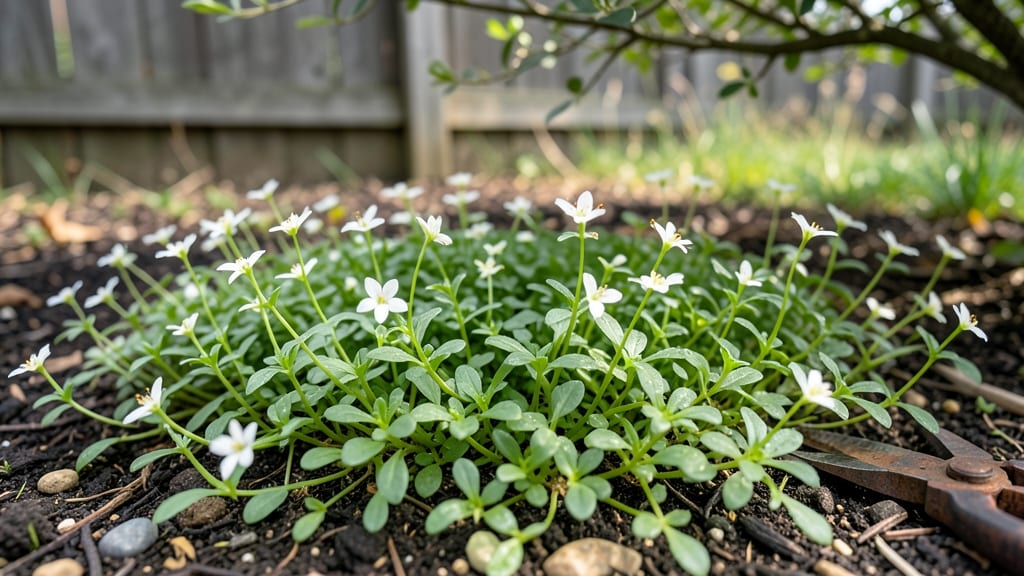
That delicate white-flowered weed creeping through your lawn isn’t just unsightly—it’s chickweed, and it spreads faster than you’d think. 🌱 I’ve spent more weekends than I’d like to admit wrestling with these soft, sprawling plants, only to see them bounce back within weeks.
The key to stopping them lies in knowing exactly what you’re dealing with: those tiny star-shaped white flowers, the fuzzy stems, and how they root themselves into your grass.
The good news? Chickweed is one of the easier weeds to remove if you catch it early. It thrives in cool, moist conditions—think early spring or fall—so timing your attacks matters.
You’ll need a sturdy hand (or gloves, because those stems will irritate your skin), a sharp tool for deep roots, and either a sunny afternoon or a cloudy day when the soil stays damp.
The goal isn’t just pulling—it’s preventing regrowth by addressing the conditions that invited it in the first place.
What you’ll end up with is a lawn that stays thick enough to crowd out chickweed naturally. No more patchy, weedy spots taking over your yard—just a lush, green carpet where grass should be.
The secret is a mix of regular mowing, proper watering, and a few smart tricks to weaken its hold before you even touch it. Let’s turn that weed problem into a one-time cleanup instead of an annual battle.
Works for any lawn type, from shady backyards to sunny front yards, and even adapts to different climates. The method scales from a small patch to a whole yard—just adjust your approach based on how much chickweed has already taken root. Ready to reclaim your grass?
📚 In This Guide
- What you need
- Instructions
- Tips and common mistakes
- Wrapping up and next steps
What you need
- ● Gloves – Heavy-duty gardening gloves (1 pair) to protect your hands from prickly stems and dirt.
- ● Weed Puller or Hand Trowel – A sturdy weed puller (for deep roots) or a hand trowel (for precision digging).
- ● Garden Scissors or Pruners – Sharp, clean pruners (for snipping stubborn chickweed patches).
- ● Lawn Rake or Hoe – A bow rake (for loose soil) or a hula hoe (for surface-level weeds).
- ● Trash Bag or Compost Bin – A sturdy bag (10+ gallon) to collect pulled weeds and debris.
- ○ Spray Bottle (Optional) – For mixing a vinegar-based weed killer (1:1 vinegar + water ratio).
- ○ Mulch (Optional) – Straw or wood chips (2–3 inches thick) to suppress chickweed growth in garden beds.
- ○ Pre-Emergent Herbicide (Optional) – Apply in early spring (follow label instructions) for long-term prevention.
- ● Lawn Seed & Fertilizer (If Resodding) – High-quality grass seed and slow-release fertilizer to thicken your lawn.
- ● Watering Can or Hose (For Post-Treatment) – To hydrate lawn areas after pulling weeds.
How to remove chickweed with white flowers from your lawn
Chickweed's delicate white blooms might look pretty, but they're a tenacious lawn invader. Here's how to tackle it properly.
🌿 Step 1: Identify Chickweed Accurately Before Pulling
Chickweed has oval-shaped leaves with jagged edges that grow in opposite pairs along the stem. The tiny white flowers appear in clusters at the stem tips, and the plant sprawls low to the ground. Unlike clover, it doesn't form a rosette—it grows in a more sprawling habit. Grab a handful of soil with suspected chickweed and gently tug to confirm it pulls up easily with minimal root resistance.
Here's the thing—chickweed often hides under grass blades. I like to run my fingers through the lawn after watering when the blades are soft and pliable. The contrast between the grass's upright growth and chickweed's sprawling stems makes spotting it much easier. If you're unsure, take a photo and compare it to reliable weed identification guides.
✂️ Step 2: Pull Chickweed at the Right Time and Technique
Timing matters most—pull chickweed when the soil is moist but not soggy, typically right after watering or a light rain. The plant's shallow roots make it easiest to remove when the ground is damp. Grasp the chickweed as close to the base as possible and pull upward with steady pressure. You'll see the entire plant come out with minimal resistance if done correctly.
Don't skip wearing gloves—chickweed's fuzzy stems can irritate skin. I always pull in small sections (about 2 square feet at a time) to maintain control and avoid missing any hidden plants. After pulling, inspect the roots—any remaining root fragments will regrow. Toss the pulled weeds immediately in the trash, not your compost, to prevent reseeding.
💧 Step 3: Prevent Regrowth With Proper Lawn Care
The key to long-term control is improving your lawn's health so chickweed can't take hold. Start by mowing your lawn regularly at 3-4 inches tall—taller grass shades out chickweed by blocking sunlight. Water deeply 1-2 times per week for 15-20 minutes to encourage deep root growth, which outcompetes weeds.
Apply 2-3 pounds of nitrogen fertilizer per 1,000 square feet in early spring to promote thick grass growth. I've found that overseeding with perennial ryegrass or fine fescue in fall fills bare spots where chickweed typically invades. These grasses grow aggressively and crowd out weeds naturally. For stubborn patches, spot-treat with a vinegar-based weed killer (5% acetic acid) on sunny days when temperatures are above 60°F.
☀️ Step 4: Maintain Vigilance and Monitor for New Growth
Chickweed can resprout from tiny root fragments or seeds that remain dormant in the soil for years. Check your lawn weekly during spring and fall—these are the peak growing seasons for chickweed. I mark treated areas with small flags or chalk to track progress and avoid missing new growth.
Here's where it gets tricky—chickweed often returns in shady, moist areas. If you notice repeated infestations in the same spot, consider improving drainage or adding mulch to dry out the soil. For heavily shaded lawns, overseeding with shade-tolerant grasses like creeping red fescue provides the best long-term solution.
Tips & tricks for perfect chickweed removal
Here's what nobody tells you about beating chickweed—these tricks make all the difference in the long run.
Identification Shortcut: I've found that running a damp finger along the lawn after morning dew reveals chickweed instantly—the fuzzy stems stick to your skin while grass blades slide off. This works especially well in shady areas where the weed hides best. For tricky spots, use a magnifying glass to check for those telltale oval leaves growing in opposite pairs along the stem.
Root Rescue Strategy: When pulling, I make it a habit to use a small trowel to loosen stubborn roots before tugging. This prevents the plant from breaking off at the surface, which guarantees regrowth. After pulling, I run my thumb along the soil surface to check for any missed root fragments—those tiny pieces are what come back to haunt you later.
Timing Secret: The 15-20 minute watering schedule isn't just about grass—it's the perfect prep for chickweed removal. Water your lawn the night before pulling, then tackle it first thing in the morning when the soil is moist but not muddy. I've seen chickweed pull out effortlessly in these conditions, while dry soil makes it fight back like a stubborn weed (pun intended).
Prevention Upgrade: For the vinegar treatment, I always mix it with a few drops of dish soap—this helps the solution stick to the leaves better. Apply only on sunny days above 60°F when the lawn is completely dry, and avoid treating if rain is forecast within 24 hours. I've found this combo works better than straight vinegar alone for stubborn patches.
Pro Tips for Chickweed Lawn Weeds With White Flowers
- Here's what nobody tells you about beating chickweed—these tricks make all the difference in the long run.
- Identification Shortcut: I've found that running a damp finger along the lawn after morning dew reveals chickweed instantly—the fuzzy stems stick to your skin while grass blades slide off.
- Root Rescue Strategy: When pulling, I make it a habit to use a small trowel to loosen stubborn roots before tugging.
Frequently asked questions
Got questions about those pesky chickweed weeds with white flowers? You’re not alone!
Here are some of the most common concerns—and straightforward answers—to help you tackle them like a pro.
What does chickweed look like up close, and how can I confirm it’s not something else?
Chickweed has tiny white flowers (often with 5 petals) and smooth, oval-shaped leaves with jagged edges. It grows low to the ground in mats and has a slightly sticky texture when crushed. If you spot it spreading in damp or shaded areas, that’s your clue—it’s chickweed!
When is the best time to pull chickweed to prevent regrowth?
Pull chickweed early in the season (spring or early fall) when the soil is moist but not muddy. Avoid pulling after rain—it’s easier to yank the whole root when the ground is slightly dry. Pro tip: Use a weeding tool or gloved hands for stubborn patches!
Are there natural or chemical-free ways to kill chickweed permanently?
Yes! Try these eco-friendly methods:
- Boiling water: Pour it directly on the roots for instant kill.
- Corn gluten meal: Apply pre-emergent in fall to block seeds.
- Vinegar spray: Mix 1 gallon vinegar + 1 oz dish soap (reapply weekly).
- Dense grass: Thicken your lawn with overseeding to outcompete weeds.
Will chickweed come back if I don’t treat it right away?
Absolutely—chickweed spreads fast via seeds and creeping stems. If you leave even a few plants, they’ll reseed and return next year. Key move: Remove all roots and monitor the area for new sprouts. Consistency is your best defense!
What’s the best lawn alternative to prevent chickweed from growing back?
Chickweed thrives in thin, weak lawns. To crowd it out:
- Overseed with dense, shade-tolerant grasses (like fine fescue).
- Improve soil health with compost or organic matter.
- Adjust mowing height to 3–4 inches to shade the soil.
- Water deeply but less frequently to discourage weed seeds.
Healthy grass = fewer chickweed opportunities!
Wrapping up and next steps
Dealing with chickweed in your lawn doesn’t have to be a never-ending battle! By identifying those tiny white flowers early, using the right tools (like gloves and a sharp weeder), and applying preventive strategies—such as improving soil health and mulching—you can keep your lawn lush and weed-free. 🌱
Take action today: start with a small patch to test your methods, then expand as you see progress. With patience and consistency, your lawn will thank you! 💪