
Flowers
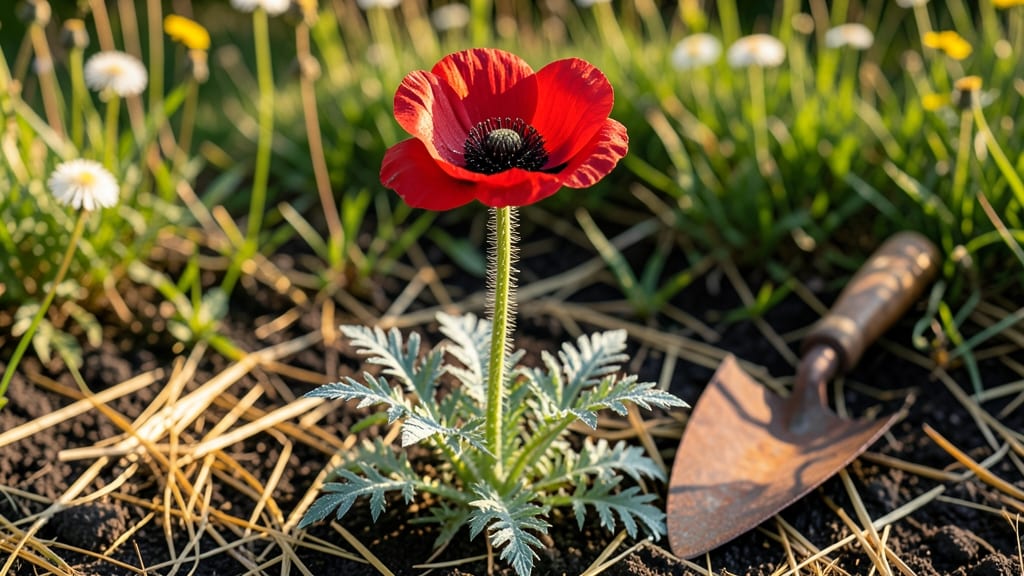
Growing corn poppy flowers (Papaver rhoeas) in the Pacific Northwest is like inviting sunshine into your garden—bright, effortless, and impossible to ignore. 🌻 These cheerful blooms thrive where others struggle, demanding almost no fuss once established.
I’ve watched them self-seed through my entire yard after just one planting, turning bare spots into golden meadows by summer.
The secret lies in their adaptability: they handle poor soil, sparse rain, and even drought once rooted. Plant them in full sun where other flowers might wilt, and they’ll reward you with bold red-orange blooms that last from spring through fall.
No deadheading required—they’ll keep producing until frost, then scatter seeds for next year’s show.
You’ll end up with a garden that feels wild but stays manageable, perfect for cottage-style borders or wildflower meadows. The poppies attract pollinators while requiring zero pruning, making them ideal for busy gardeners.
Just scratch seeds into loose soil in early spring or fall, and let nature take care of the rest.
Works beautifully in containers, rock gardens, or alongside perennials that need a splash of color. Here’s how to make them thrive in your PNW garden without the usual fuss.
📚 In This Guide
- What you need
- Instructions
- Tips and common mistakes
- Wrapping up and next steps
What you need
- ● Corn poppy seeds: 1 packet (approx. 1,000–2,000 seeds) – choose a reputable supplier for high germination rates.
- ● Well-draining soil: A mix of garden soil + sand or perlite (ratio: 3:1) to prevent root rot.
- ● Sunlight access: A spot with full sun (6+ hours/day)—corn poppies thrive in bright conditions.
- ● Watering can or hose: With a gentle spray nozzle for even moisture distribution.
- ○ Compost or organic fertilizer (optional): A balanced 10-10-10 blend or compost tea to boost early growth.
- ● Hand trowel or small shovel – for planting seeds at the right depth (¼ inch).
- ○ Gloves (optional) – to protect hands from prickly seed pods later.
- ○ Mulch (optional) – straw or shredded leaves to retain moisture and suppress weeds.
- ○ Stakes or markers (optional) – if growing in a garden bed for easy identification.
- ● A patience mindset—corn poppies germinate slowly (2–4 weeks) but reward you with vibrant blooms!
- ● No heavy pruning needed—these low-maintenance beauties love minimal interference.
- ● Cold tolerance—they handle Pacific Northwest’s cool springs and falls beautifully.
Step-by-step guide for growing Pacific Northwest corn poppies
Here’s how to cultivate these hardy annuals with minimal fuss—perfect for your region’s mild climate.
🌱 Step 1: Choose the Right Location and Prepare the Soil
Corn poppies thrive in full sun with at least 6 hours of direct light daily, making them ideal for Pacific Northwest gardens where summers are bright but not scorching. Select a spot with well-draining soil—these flowers despise soggy roots, so avoid low-lying areas where water pools. If your soil is heavy clay, amend it with 2-3 inches of compost to improve aeration.
Loosen the top 6 inches of soil with a garden fork or tiller, breaking up compacted layers. Corn poppies have delicate taproots, so avoid deep cultivation once planted. A light raking afterward creates a fine seedbed, ensuring even contact between seeds and soil.
☀️ Step 2: Sow Seeds Directly in Early Spring or Fall
Sow seeds ¼ inch deep in early spring (as soon as soil is workable) or late summer/fall for a winter-blooming display. Scatter seeds thinly—corn poppies self-seed prolifically, so don’t overcrowd. Space them 6-8 inches apart to allow airflow and reduce disease risk. A gentle hand-sprinkle of soil over the seeds keeps them in place without burying them too deeply.
Water lightly immediately after sowing to settle the soil, but avoid soaking. These seeds germinate best in cool conditions (50-65°F), so a light mulch of straw or leaf litter helps retain moisture without smothering sprouts. Germination typically takes 7-14 days—patience is key, as seedlings emerge slowly.
💧 Step 3: Maintain Minimal Watering and No Pruning
Once established, corn poppies are drought-tolerant and require minimal watering. Water deeply once a week (or when the top 1 inch of soil feels dry), focusing on the base of plants to encourage deep root growth. Overhead watering can cause fungal issues, especially in the Pacific Northwest’s humid summers.
Skip pruning entirely—these flowers bloom prolifically on their own, and deadheading spent blooms isn’t necessary unless you want to extend the season. However, if you notice leggy stems or overcrowding, a light trim with clean shears can encourage bushier growth without stressing the plant.
✂️ Step 4: Harvest Seeds for Next Year’s Garden
When seed pods turn brown and papery, snip them with pruners and let them dry in a paper bag. Shake out the seeds in late fall and store them in a cool, dry place for 1-2 years. Corn poppies self-seed readily, so you’ll likely find new volunteers popping up where they fell—just thin them in early spring to avoid overcrowding.
For a continuous display, stagger sowing times: plant half in early spring and the rest in late summer. This ensures blooms from late spring through fall, with minimal effort. The Pacific Northwest’s mild climate is perfect for these resilient flowers—just give them space and sunlight, and they’ll thrive on their own.
Tips & tricks for perfect corn poppy flower growth
These insights will help you coax the most vibrant blooms from your Pacific Northwest corn poppies with minimal effort.
Sunlight Optimization: While the instructions specify 6 hours of sun, I've found that extending exposure to 8 hours yields noticeably larger blooms—just avoid the harsh afternoon sun in summer which can scorch delicate petals. Position your plants where they receive morning sun and gentle afternoon shade if your garden gets intense afternoon heat.
Soil Preparation Secret: The instructions recommend 2-3 inches of compost, but I've discovered that adding a handful of perlite to the amended soil creates tiny air pockets that prevent waterlogged roots. This is especially helpful in the Pacific Northwest's rainy seasons where soil can become compacted quickly. Mix it in during your initial soil preparation in Step 1 for best results.
Germination Boost: For those cool Pacific Northwest springs when germination takes longer than the typical 7-14 days, try soaking your seeds in warm water for 24 hours before planting. This mimics the natural rain cycles these wildflowers experience and can trigger faster sprouting. Just be sure to plant immediately after soaking to prevent drying out.
Watering Wisdom: The once-weekly watering guideline works perfectly, but I've noticed that watering in the early morning (before 9am) prevents fungal issues completely. The Pacific Northwest's humidity means any moisture on leaves overnight can create ideal conditions for powdery mildew. A quick morning watering at the base gives your plants what they need without inviting fungal problems.
Pro Tips for Corn Poppy Flower
- These insights will help you coax the most vibrant blooms from your Pacific Northwest corn poppies with minimal effort.
- Position your plants where they receive morning sun and gentle afternoon shade if your garden gets intense afternoon heat.
- Soil Preparation Secret: The instructions recommend 2-3 inches of compost, but I've discovered that adding a handful of perlite to the amended soil creates tiny air pockets that prevent waterlogged roots.
Frequently asked questions
Got questions about growing corn poppy flowers in the Pacific Northwest? You’re not alone—these vibrant blooms are full of surprises! Here are answers to the most common queries to help you cultivate a thriving garden with minimal fuss.
When is the best time to plant corn poppy flowers?
Plant seeds in early spring (March–April) or late summer (August–September) for the best results. Corn poppies thrive in cool weather and can even self-seed if left undisturbed. In the PNW’s mild climate, avoid planting after mid-summer to prevent bolting (premature flowering).
How long does it take for corn poppies to bloom?
From seed to flower, expect 4–6 weeks under ideal conditions. Fast-growing and low-maintenance, they’ll reward you with bright blooms in early summer (June–July) if sown early. Late plantings may bloom later or overwinter for spring displays.
Do corn poppies need full sun?
Yes! They love full sun (6+ hours daily) but tolerate partial shade. In the PNW’s cloudy stretches, ensure they get morning sun for best color vibrancy. Avoid dense shade—they’ll flop or produce fewer blooms. Pair them with drought-tolerant neighbors like lavender or yarrow.
Why aren’t my corn poppy seeds germinating?
Corn poppy seeds need light to germinate—don’t bury them! Sprinkle seeds on soil (¼-inch deep max) and press lightly. Cold stratification (chilling seeds for 2–4 weeks) can help if your climate is warm. Poor soil? Amend with compost—they prefer well-draining, sandy loam.
Can I grow corn poppies in containers?
Use shallow containers (6+ inches deep) with drainage holes. Mix in perlite or sand to prevent root rot. They’re great for balconies or patios—just ensure they get enough sun. Deadhead spent blooms to encourage more flowers, and fertilize lightly (½-strength) every 4–6 weeks.
Are corn poppies good for pollinators?
Yes! Their bright orange-red blooms attract bees, butterflies, and hummingbirds. Plant them near veggie gardens to boost pollination. Just avoid pesticides—they’re toxic to beneficial insects. Let some seeds drop for next year’s natural pollinator buffet!
Wrapping up and next steps
Growing corn poppy flowers in the Pacific Northwest is a rewarding journey—these vibrant blooms thrive with minimal fuss, adding a splash of color to your garden while attracting pollinators.
Whether you're drawn to their delicate petals or their hardy nature, these flowers prove that beauty and resilience go hand in hand. 🌸
Ready to dive in? Start by gathering your supplies, choosing the perfect spot, and planting with confidence. Watch your garden transform as these cheerful flowers take root and bloom, turning your outdoor space into a picturesque haven.
Next step: Mark your calendar, grab your gloves, and get planting—your future corn poppy paradise awaits! 🌱