
Flowers
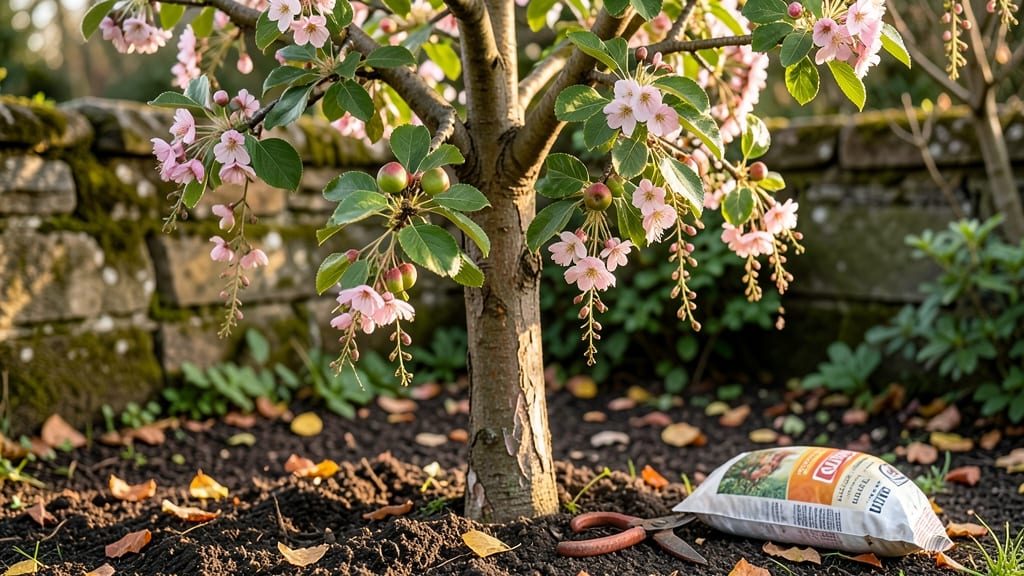
Crab apple flowers transform your Pacific Northwest garden into a springtime dream—fragrant, frost-resistant, and packed with pollinator power. 🌸 I planted my first crab apple tree after struggling with finicky roses that froze every winter, and now it’s the star of my yard, blooming reliably even after hard freezes.
The key? Choosing the right variety and giving it the care it craves—something I’ll walk you through step by step.
The best part? These trees thrive in our climate without fuss. They love full sun but tolerate partial shade, and their shallow roots adapt to rocky or clay-heavy soil—common in the PNW.
Varieties like ‘Donald Wyman’ or ‘Sargent’ produce stunning blossoms while resisting disease better than many ornamentals. Once established, they need minimal watering, making them perfect for busy gardeners who still want drama.
You’ll end up with a tree that blooms in early spring, attracts bees and butterflies, and provides seasonal interest with its fruit. The flowers smell like a mix of roses and apples, and the tree’s compact size fits even small yards.
Pruning in late winter keeps it healthy, and with the right care, your crab apple will outshine any store-bought bouquet for years.
Whether you’re planting a single specimen or lining a driveway, these trees deliver beauty with minimal effort. Let’s get yours growing strong—your garden will thank you.
📚 In This Guide
- What you need
- Instructions
- Tips and common mistakes
- Wrapping up and next steps
What you need
- ● Crab apple tree varieties: 1–3 Malus saplings (e.g., ‘Dolgo’ or ‘Evereste’—both cold-hardy and disease-resistant). Choose bare-root (dormant) or container-grown plants.
- ○ Seeds (optional, for heirloom varieties—requires stratification for germination).
- ● Soil amendments: 5–10 lbs. compost or well-rotted manure per planting hole.
- ● 1–2 lbs. balanced fertilizer (10-10-10 or organic options like fish emulsion).
- ● 1 cup bone meal (for phosphorus, encouraging root growth).
- ● Planting supplies: 1–2 garden gloves (to protect from thorns!).
- ● 1 shovel (for digging holes 2–3x wider than the root ball).
- ● 1 trowel (for backfilling soil gently).
- ● 1 watering can (3–5 gallons, with a rose attachment).
- ● Pruning tools: 1 bypass pruners (for clean cuts on branches <½" thick).
- ○ 1 loppers (for thicker branches, optional).
- ● Mulch: 2–3 inches of wood chips or straw (to retain moisture and regulate soil temp).
- ● Pest control (PNW-specific): Neem oil spray (for aphids or mites).
- ● Row covers (if planting early—protects from late frosts).
- ○ Support (for young trees): 1–2 tree stakes (optional, for windy sites).
- ● Soft tree ties (to secure stakes without damaging bark).
- ● Location: Full sun (6+ hours/day) in a well-draining spot. Avoid low areas where frost pools.
- ● Climate prep: Plant in late fall or early spring (avoid extreme heat/drought). PNW’s mild winters mean no need for winter wraps!
- ● Soil test: Aim for slightly acidic to neutral pH (6.0–7.0). Amend clay soil with sand if needed.
Step-by-step guide for planting crab apple trees in the Pacific Northwest
Here's how to get your frost-resistant crab apple trees thriving year-round.
🌱 Step 1: Choose the Right Location and Prepare the Soil
Crab apples love full sun—pick a spot with at least 6 hours of direct sunlight daily. In the Pacific Northwest's cooler climate, a south-facing location works best. The trees tolerate a wide range of soil types but perform best in well-draining, slightly acidic soil with a pH between 5.5 and 7.0.
Before planting, test your soil's drainage. Dig a hole about 12 inches deep and fill it with water. If it drains completely in under an hour, your soil is fine. If it pools, amend with 2-3 inches of organic compost mixed into the top 12 inches of soil to improve drainage and fertility. Crab apples have shallow roots, so avoid compacted or waterlogged areas.
🪴 Step 2: Plant Bare-Root or Container-Grown Trees at the Right Time
For bare-root trees, plant in early spring before buds swell or in early fall when temperatures drop below 50°F at night. Container-grown trees can be planted year-round, but spring or fall is ideal. Dig a hole twice as wide and just as deep as the root ball or container. This gives roots room to spread without circling.
Place the tree in the hole so the top of the root ball sits 1-2 inches above ground level. This prevents soil from settling and smothering the trunk. Backfill with native soil, tamping gently to remove air pockets. Water deeply to settle the soil and create good root-to-soil contact. A young tree needs about 10 gallons of water to establish roots.
☀️ Step 3: Mulch and Water for Establishment
Spread 2-3 inches of organic mulch (like wood chips or shredded bark) around the base of the tree, keeping it 3-4 inches away from the trunk. Mulch conserves moisture, regulates soil temperature, and suppresses weeds. In the Pacific Northwest's wet winters, mulch also prevents soil-borne diseases by reducing splashing water.
Water newly planted trees deeply once a week during the first growing season, providing 10-15 gallons per tree. Check moisture by sticking your finger 2 inches into the soil—if it feels dry, water again. Avoid overhead watering, which can spread fungal diseases. Once established, crab apples are drought-tolerant but produce the most vibrant flowers with consistent moisture.
✂️ Step 4: Prune for Shape and Health in Late Winter
Prune your crab apple tree in late winter or early spring before new growth begins. Remove any dead, diseased, or crossing branches first—these are easy to spot as they stand out from the healthy wood. Cut back to a healthy bud or branch collar to encourage proper healing. Thin out crowded branches to improve airflow and reduce disease risk.
Shape the tree by selectively pruning to open the center to sunlight. Aim for a balanced, vase-like form with the lowest branches 3-4 feet from the ground. Avoid heavy pruning in fall, as new growth won’t harden off before winter. After pruning, apply a thin layer of wound dressing to larger cuts to protect against pests and disease. You’ll see new, vigorous growth within 4-6 weeks.
🌿 Step 5: Fertilize and Monitor for Pests
Apply a balanced, slow-release fertilizer (like a 10-10-10 formula) in early spring when new growth appears. Sprinkle ½ cup per inch of trunk diameter around the drip line, then water deeply to activate the fertilizer. Avoid over-fertilizing, which can lead to excessive leaf growth at the expense of flowers and fruit.
Watch for common pests like apple maggots, aphids, or scale insects. Treat infestations early with horticultural oil or insecticidal soap, focusing on the undersides of leaves where pests hide. Crab apples are generally low-maintenance, but regular inspections in late spring and early summer catch problems before they spread. A healthy tree with good airflow rarely suffers serious damage.
Tips & tricks for perfect crab apple flower planting
These simple strategies will help your Pacific Northwest crab apple trees thrive and produce stunning flowers year after year.
Location and Sunlight: That 6 hours of direct sunlight is non-negotiable for vibrant blooms, but don't stop there. In the Pacific Northwest's cooler climate, a south-facing location with morning sun and afternoon shade works best. If your spot gets harsh afternoon sun, consider planting near a building or taller trees for natural shade. The goal is to balance sunlight for flowers while protecting leaves from scorching.
Soil Preparation Insight: When testing your soil's drainage by digging that 12-inch hole, pay attention to how quickly water disappears. If it drains in under 10 minutes, your soil is perfect. If it takes longer, you'll need to add more organic compost to improve drainage. For the 2-3 inches of compost called for, I recommend using a mix of well-rotted cow manure and leaf mold—this gives you both nitrogen and organic matter for root development.
Planting Timing Secret: The instructions mention planting bare-root trees when temperatures drop below 50°F at night, but here's what nobody tells you: In the Pacific Northwest, late October is actually ideal for fall planting. By then, the soil is still warm enough to encourage root growth, but the cooler nights signal the tree to enter dormancy. This gives roots a head start before winter sets in.
Watering Wisdom: Those 10-15 gallons per tree during establishment might seem like a lot, but it's crucial. I've seen many gardeners water lightly every day instead—this actually encourages shallow root growth. For best results, water deeply but less frequently. The 2-inch soil moisture check is perfect: if it's dry at that depth, it's time to water again. This encourages roots to grow deeper where they'll find more stable moisture.
Pro Tips for Crab Apple Flower
- These simple strategies will help your Pacific Northwest crab apple trees thrive and produce stunning flowers year after year.
- Location and Sunlight: That 6 hours of direct sunlight is non-negotiable for vibrant blooms, but don't stop there.
- Soil Preparation Insight: When testing your soil's drainage by digging that 12-inch hole, pay attention to how quickly water disappears.
Frequently asked questions
Got questions about growing crab apple flowers in the Pacific Northwest? Here are some of the most common ones—and their answers—to help you cultivate a stunning, frost-resistant garden:
When is the best time to plant crab apple trees in the PNW?
The ideal time to plant crab apple trees is in early spring (March–April) or fall (September–October). This gives roots time to establish before extreme summer heat or winter frost. For container-grown trees, plant as soon as possible after purchase—just avoid planting when the ground is frozen or waterlogged.
Are crab apple flowers really frost-resistant? How do I protect them in harsh winters?
Yes! Many PNW-friendly varieties like Malus 'Centennial' or 'Sargent' tolerate frost down to -20°F (-29°C). To boost resilience, mulch heavily around the base (3–4 inches of wood chips or straw) and water deeply before winter. Young trees may need burlap wraps for extra protection during ice storms.
Do crab apple flowers require full sun? What if my yard is shady?
Crab apple trees thrive in 6+ hours of direct sunlight daily, but they’ll still produce flowers (and fruit) in partial shade (4–6 hours). In deep shade, expect smaller blooms and fewer apples. If your yard is shady, choose dwarf varieties (like 'Profusion') for better adaptability.
Why aren’t my crab apple flowers turning into fruit? Troubleshooting tips?
Missing fruit often stems from poor pollination or late frost damage. Ensure you’ve planted two compatible varieties (e.g., 'Dolgo' + 'Evereste') and avoid pruning in late winter. If flowers drop early, cover them with frost cloth during late frosts (March–April in the PNW). Patience helps—some trees take 3–5 years to bear fruit!
Can I grow crab apple flowers in containers? What’s the best setup?
Dwarf varieties like 'Red Sentinel' or 'Tina' thrive in 15–20-gallon containers with well-draining soil. Use a large pot with drainage holes, place it in full sun, and fertilize monthly during growing season. Move containers indoors (or to a sheltered garage) if temps drop below 10°F (-12°C).
Pro Tip: Want to attract pollinators? Plant native PNW companions like bee balm, lavender, or serviceberry nearby. These flowers extend your tree’s bloom season and support local ecosystems!
Wrapping up and next steps
Cultivating crab apple flowers in the Pacific Northwest isn’t just about adding beauty to your garden—it’s about embracing resilience and year-round charm. These frost-hardy varieties thrive with minimal fuss, rewarding you with stunning blooms and vibrant foliage.
Whether you’re a seasoned gardener or just starting, now’s the perfect time to plant—your future garden will thank you!
Next steps:
- 🌱 Pick your variety—choose from Malus ‘Centennial’, ‘Golden Hornet’, or ‘Siberian Pearl’ for your ideal look.
- 📅 Plant in early spring or fall when the soil is workable but not frozen.
- 💧 Water deeply the first year to establish strong roots.