Shrubs
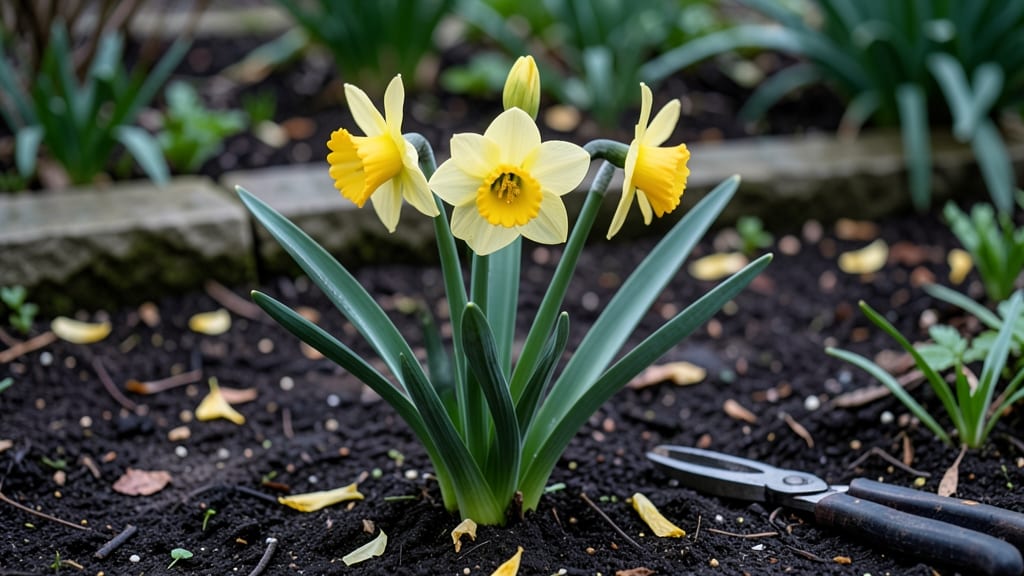
Those daffodils early flowering in your Pacific Northwest garden by late February aren’t just possible—they’re a game-changer for spring anticipation. 🌱 I’ve watched mine push through damp soil when most bulbs are still napping, and it’s the one thing that makes winter feel like it’s ending.
The secret lies in variety selection, planting timing, and a few soil tweaks that trick bulbs into blooming weeks ahead of schedule.
Start with Pacific Northwest-tested varieties like ‘Tête-à-Tête’ or ‘Ice Follies,’ which are bred to flower early. Plant bulbs in October or November when soil temps drop to 50°F—this gives roots time to establish before winter, while still forcing early blooms.
Amend heavy clay soil with compost and a handful of sand to improve drainage, since soggy soil delays flowering. Most gardeners overlook this step, but it’s what separates a February show from a March disappointment.
With the right approach, you’ll see golden trumpets and sunny cups breaking through lawns when neighbors are still shoveling snow. These early bloomers also attract pollinators, giving your garden a head start on the season.
The key is consistency: mulch after planting to protect bulbs from freeze-thaw cycles, and avoid fertilizing in fall—it encourages leaf growth over flower buds. By late winter, your yard will be the first on the block to welcome spring.
This method works especially well in USDA Zones 7-9, where mild winters and wet springs create ideal conditions. For gardeners in colder areas, consider planting bulbs in containers that can be moved to sheltered spots during harsh freezes.
The same principles apply whether you’re transforming a front yard or a small patio—just scale the bulb count to your space. Ready to steal spring’s first show?
📚 In This Guide
- What you need
- Instructions
- Tips and common mistakes
- Wrapping up and next steps
What you need
- ● Daffodil bulbs: Choose early-blooming varieties like 'Tête-à-Tête,' 'February Gold,' or 'Ice Follies.' Purchase 10–20 bulbs for a vibrant display (bulbs should be firm, plump, and free of mold).
- ● Well-draining soil: Mix 50% native soil with 50% compost or peat moss (1 cubic yard per 100 sq. ft.).
- ● Garden fork or tiller: For loosening soil to a depth of 12–15 inches.
- ○ Bone meal fertilizer (optional but recommended): 1–2 cups per 10 bulbs to boost early growth.
- ● Mulch (straw or shredded bark): 2–3 inches to retain moisture and protect bulbs.
- ● Watering can or hose with a gentle spray nozzle: For deep but controlled watering.
- ● Garden gloves: To protect hands while handling soil and bulbs.
- ● Bulb fertilizer spikes: For slow-release nutrients during the growing season.
- ● Soil pH test kit: Ensure soil pH is 6.0–7.0 (daffodils prefer slightly acidic to neutral soil).
- ● Drip irrigation system: For consistent moisture in larger plantings.
- ● Garden stakes or labels: To mark varieties and planting locations.
How to force daffodils for early Pacific Northwest blooms
Here's my foolproof method for coaxing those bright yellow trumpets into bloom weeks ahead of schedule.
🌱 Step 1: Select and Prepare Your Bulbs
Choose large, firm daffodil bulbs (at least 3 inches in diameter) from last season's harvest or a reputable bulb catalog. The bigger the bulb, the more flowers you'll get. I always pick varieties like 'Tête-à-Tête' or 'Ice Follies'—they're proven early bloomers in our cool climate.
Remove any dried or damaged outer scales with your fingers, but don't peel too aggressively—you want to keep the bulb intact. Soak the bulbs in lukewarm water for 12 hours to rehydrate them before planting. This jumpstarts their metabolism and gives you a head start on forcing.
🪴 Step 2: Plant in Containers with Proper Drainage
Fill a 6-inch deep container with a mix of 50% potting soil and 50% perlite—this ensures excellent drainage while holding enough moisture. I like to use a terracotta pot because it breathes and helps regulate moisture levels naturally. Place a layer of small pebbles at the bottom to prevent soggy roots.
Plant bulbs pointy side up, about 2 inches deep and 2 inches apart. The top of the bulb should be just below the soil line. If you're using a shallow container, you can plant two bulbs side by side for a fuller display. Gently firm the soil around them—you want it snug but not compacted.
☀️ Step 3: Chill for 10-12 Weeks in Darkness
This is the critical step: your bulbs need 10-12 weeks of cold treatment to break dormancy. Place the container in a cool, dark spot where temperatures stay between 35-45°F. A garage, unheated basement, or even a refrigerator works well (just check weekly to ensure no rot develops).
Water sparingly during this period—just enough to keep the soil from drying out completely. You won't see any growth yet, but the bulb is hard at work building energy reserves. If you notice any mold or soft spots, reduce watering further or adjust the container's position for better airflow.
💧 Step 4: Bring Into Light and Water Gently
After the chilling period, move the container to a bright, cool spot (around 55-60°F) with indirect light. You'll see shoots emerge in about 1-2 weeks. Once they reach 2-3 inches tall, you can gradually increase light exposure to 12-14 hours daily—this encourages strong stem development.
Water from the bottom by placing the container in ½ inch of water for 10 minutes, then drain thoroughly. This prevents rot while keeping roots hydrated. Avoid wetting the foliage to reduce disease risk. You'll notice leaves turning a vibrant green—that's your signal the plant is thriving.
⏰ Step 5: Time Your Bloom and Maintain Aftercare
Daffodils will typically bloom 4-6 weeks after bringing them into light. Watch for buds to swell and color up—this is the moment they'll need bright light but no direct midday sun to prevent wilting. A north-facing window is ideal, or use a grow light if natural light is insufficient.
Once flowers fade, leave the foliage in place for 6-8 weeks to allow the bulb to recharge. Reduce watering slightly but don't let the soil dry out completely. After the leaves yellow and die back, you can store the bulbs in a cool, dry place for next season's display.
Tips & tricks for perfect early daffodil blooms
Here's what nobody tells you about forcing these cheerful bloomers—details that make all the difference in our chilly Pacific Northwest climate.
Bulb Selection Matters: In Step 1, those 3-inch diameter bulbs are non-negotiable for early blooms. Smaller bulbs often produce fewer flowers and may not complete the forcing process. I've found that bulbs from last season's harvest in our region tend to perform better than store-bought ones—our climate conditions create hardier specimens. Look for firm, dry bulbs without soft spots or mold, and avoid any that feel hollow when tapped gently.
Chilling Strategy: The 10-12 weeks of cold treatment in Step 3 is where most forcing fails. If your garage or basement fluctuates above 45°F, consider using a refrigerator set to its coldest setting (around 35-40°F). Place the container on a wire rack to ensure airflow—condensation buildup can lead to rot. I like to check weekly and adjust positions if I notice uneven moisture or temperature spots.
Light Transition Technique: When moving bulbs to light in Step 4, don't rush the 12-14 hours of daily light increase. Start with just a few hours of indirect light and gradually increase over 3-4 days. Sudden exposure can cause the delicate shoots to scorch. A north-facing window works perfectly, but if you're using artificial light, keep it 6-12 inches above the plants to prevent heat stress.
Post-Bloom Care: After those stunning blooms fade in Step 5, resist the urge to cut the foliage immediately. The 6-8 weeks of leaf retention is crucial for the bulb to store energy for next season. I've seen beginners cut leaves too soon, resulting in weak or non-blooming bulbs the following year. Once leaves turn completely yellow and crispy, you can safely remove them and store bulbs in a cool, dry place.
Pro Tips for Daffodils Early Flowering
- Here's what nobody tells you about forcing these cheerful bloomers—details that make all the difference in our chilly Pacific Northwest climate.
- Bulb Selection Matters: In Step 1, those 3-inch diameter bulbs are non-negotiable for early blooms.
- Chilling Strategy: The 10-12 weeks of cold treatment in Step 3 is where most forcing fails.
Frequently asked questions
Got questions about early-blooming daffodils in the Pacific Northwest? You’re not alone! Here are answers to the most common inquiries—from timing tips to troubleshooting tricks.
When do early-flowering daffodils actually bloom in the PNW?
Most early varieties like Tête-à-Tête or Minnow burst into color between late February and early April, depending on your microclimate. Warmer coastal areas may see blooms weeks earlier than inland spots. Pro tip: Plant in well-draining soil and mulch heavily to encourage consistent timing.
Why are my daffodils flowering earlier than expected?
Early blooms often signal warmer-than-average winters or well-established bulbs (older bulbs flower sooner). However, if blooms appear too early (e.g., December), check for overwatering or poor drainage, which can stress bulbs. Fix it: Reduce watering and ensure soil drains within 24 hours.
Can I force early daffodils to bloom indoors?
Yes! Dig up healthy bulbs in late fall, pot them in gritty soil, and chill for 12–16 weeks at 35–45°F. Move to a sunny windowsill once shoots emerge. Best varieties: Paperwhite or Jonquil—they’re the easiest for indoor forcing. Note: This method weakens bulbs; replant outdoors after blooming.
Are early daffodils deer- or squirrel-proof?
While daffodils are toxic to deer and squirrels (thanks to lycorine), hungry critters may still nibble leaves or dig up bulbs. Defense strategies:
- Plant in well-lit areas (deer prefer shade).
- Use physical barriers like chicken wire for new plantings.
- Interplant with alliums or fritillaries (their scent deters pests).
What do I do if my early daffodils rot in wet PNW winters?
Overly wet soil is the #1 killer of daffodil bulbs. Prevent rot with these steps:
Issue
Solution
Poor drainage
Amend soil with sand or gravel or plant on a slope.
Compacted soil
Add compost or coconut coir to improve aeration.
Fungal infections
Apply copper fungicide in fall and avoid overhead watering.
Wrapping up and next steps
Early flowering daffodils are the Pacific Northwest’s celebration of spring—bright, resilient, and full of charm!
Whether you’re a seasoned gardener or just starting, these bold blooms bring joy and color to your landscape with minimal fuss. 🌸 Now’s the perfect time to plant, prune, or simply admire their cheerful faces—so grab your gloves and dive in!
Next step: Pick your favorite early bloomers from our guide and start transforming your garden today!