
Flowers
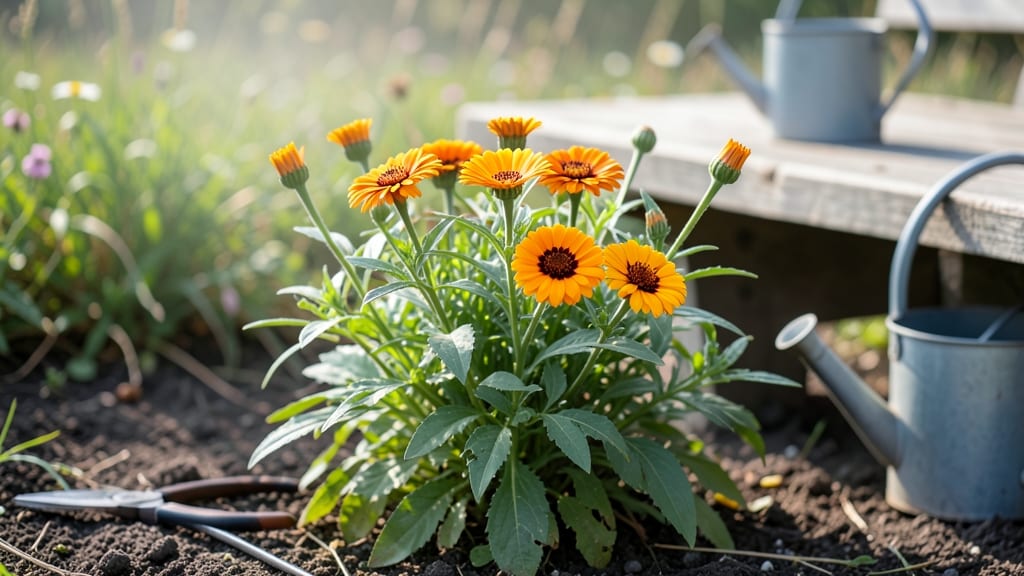
Growing edible calendula flowers for tea and garnishes is one of those perfect gardening secrets that turns your yard into a kitchen pantry. 🌼 The first time I sipped tea made from my own petals—bright orange, citrusy, and subtly peppery—I knew this was a game-changer for homegrown flavors.
Calendula thrives in sunny spots, repels pests naturally, and doubles as a medicinal plant, making it a must-have for any edible garden.
The key to success starts with well-draining soil rich in organic matter, planted in early spring or late summer when temperatures are mild. You’ll want to space plants about 12-18 inches apart to give them room to flourish, and deadhead spent blooms to encourage continuous flowering.
This hardy annual handles drought surprisingly well, but consistent moisture keeps those petals tender and flavorful—ideal for both culinary and medicinal uses.
By mid-summer, you’ll be harvesting petals daily for teas, salads, or garnishes, their vibrant color adding beauty to any dish. The harvest is simple: pluck fully open petals in the morning when they’re driest, then store them in a cool, dark place for up to 6 months.
Just be sure to avoid toxic look-alikes like marigolds, which share a similar shape but shouldn’t be eaten.
Whether you’re growing in containers on a balcony or a full garden bed, calendula’s versatility makes it a foolproof addition. Start small with a few plants, and soon you’ll be swapping store-bought garnishes for homegrown petals—fresh, fragrant, and completely free from pesticides.
The first sip of your homemade calendula tea will make it all worth it.
📚 In This Guide
- What you need
- Instructions
- Tips and common mistakes
- Wrapping up and next steps
What you need
- ● Fresh or dried calendula flowers: 2–3 tablespoons (about 10–15 blooms per batch). Note: Ensure they’re pesticide-free and organically grown.
- ● Hot water: 1 cup (8 oz) for tea, or as needed for infusions.
- ○ Honey or sweetener (optional for tea): 1 teaspoon (adjust to taste).
- ● Culinary tool: A small bowl or infuser for steeping.
- ● Fine-mesh strainer: For easy petal removal (if not using an infuser).
- ● Mortar & pestle: To lightly crush dried petals for stronger flavor.
- ● Citrus slices or fresh herbs: Mint, lemon balm, or basil to complement the tea.
- ● Glass jar: For storing dried calendula petals (airtight, away from light).
- ○ Edible glitter or gold leaf: For next-level garnish flair (optional but show-stopping).
Step-by-Step guide to harvesting and preparing edible calendula flowers
Here's how to turn your vibrant calendula blooms into perfect edible garnishes and tea.
🌿 Step 1: Harvest Flowers at Peak Freshness
Pick fully open, deep-orange or yellow flowers in the morning after dew has dried. Use clean, sharp scissors to snip stems about 2 inches below the bloom—this prevents damage to the plant and encourages more blooms. Avoid harvesting flowers with brown edges or signs of pest damage, as these can affect flavor and safety.
Real talk: Harvesting too early means bitter petals, while waiting too long makes them tough. You'll know you've picked the right ones when petals are fully unfurled but still bright and crisp to the touch. Store harvested flowers in a paper towel-lined container in the fridge for up to 5 days or freeze them for longer storage.
💧 Step 2: Clean and Prepare Petals for Use
Gently separate petals from the flower centers and stems. Place them in a bowl of cold water to remove any dirt or debris. Let them soak for 5-10 minutes, then drain and pat dry with a clean kitchen towel. This step ensures your petals are pristine for both culinary and aesthetic use.
Here's the thing—calendula petals are delicate, so handle them with care. If you notice any discoloration or sliminess after cleaning, discard those petals immediately. For best results, work with petals within 24 hours of harvesting to maintain their vibrant color and flavor.
☀️ Step 3: Create Petal-Perfect Tea
To make calendula tea, steep 1 tablespoon of dried petals (or 2 tablespoons of fresh petals) in 1 cup of hot water (just off boil, around 200°F) for 5-10 minutes. Strain through a fine-mesh sieve or cheesecloth to remove any remaining plant matter. The longer you steep, the stronger the flavor—start with 5 minutes for a mild tea and increase as desired.
You'll notice the tea has a mild, slightly peppery taste with a hint of sweetness. For garnish, place a few petals on top of soups, salads, or desserts just before serving. The vibrant color adds beauty, while the mild flavor enhances dishes without overpowering them.
✂️ Step 4: Use Petals as Edible Garnish
For garnishing, arrange petals carefully on dishes to maintain their shape. They pair beautifully with creamy dishes like mashed potatoes, buttery pasta, or even elegant desserts like fruit tarts. A little goes a long way—3-5 petals per serving is plenty to add visual appeal without altering the dish's flavor profile.
Don't skip this: If you're using petals in baked goods, ensure they're completely dry to prevent sogginess. For example, sprinkle them over shortbread cookies or infuse them into honey for a floral touch. Store dried petals in an airtight container in a cool, dark place for up to 6 months.
Tips & tricks for perfect edible calendula flowers
Mastering these floral touches transforms simple dishes into showstopping creations—here's how to elevate your calendula petals from garden to plate.
Harvesting Precision: For the most vibrant petals, harvest only when flowers are fully open but still crisp to the touch—this ensures maximum flavor and color retention. I've learned the hard way that harvesting too early results in bitter petals, while waiting too long makes them tough and less visually appealing. Always use clean, sharp scissors and cut stems about 2 inches below the bloom to encourage continuous blooming.
Cleaning Technique: The 5-10 minute cold water soak in Step 2 is crucial for removing dirt without damaging delicate petals. After draining, pat them dry with a clean kitchen towel—never use paper towels, as they can leave behind fibers that ruin the presentation. For extra brightness, you can also give them a quick rinse in ice water after soaking, which helps preserve their vibrant color.
Tea Steeping Secrets: When making tea, the 5-10 minute steep time at 200°F creates that perfect balance of flavor without bitterness. Start with the shorter time for a delicate cup, then increase if you prefer a stronger infusion. Pro tip: Use a fine-mesh sieve or cheesecloth to strain the tea—this catches any tiny plant matter that could make your otherwise perfect cup taste slightly off.
Storage Wisdom: Fresh petals stay vibrant in the fridge for up to 5 days when stored in a paper towel-lined container, but for long-term use, freezing is your best friend. Spread them out on a baking sheet and freeze before transferring to a container. This prevents them from sticking together and makes them easier to use later. Dried petals keep beautifully for up to 6 months in an airtight container—just ensure they're completely dry before storing to prevent mold.
Pro Tips for Edible Calendula Flowers
- Mastering these floral touches transforms simple dishes into showstopping creations—here's how to elevate your calendula petals from garden to plate.
- Harvesting Precision: For the most vibrant petals, harvest only when flowers are fully open but still crisp to the touch—this ensures maximum flavor and color retention.
- Cleaning Technique: The 5-10 minute cold water soak in Step 2 is crucial for removing dirt without damaging delicate petals.
Frequently asked questions
Got questions about using edible calendula flowers?
You’re not alone! Here are the most common queries—plus quick, practical answers to help you get the most out of these vibrant, flavorful blooms.
Can I eat calendula flowers straight from the garden?
Calendula petals are edible and safe to consume when grown organically, pesticide-free, and free of dirt or debris. Always rinse gently under cool water before using. If you’re unsure about your plants, opt for certified organic sources to stay safe.
When is the best time to harvest calendula flowers for eating?
Harvest petals in the morning after the dew has dried but before the sun peaks (around 10 AM). Choose fully bloomed flowers with vibrant color—avoid wilted or yellowing petals. For consistent flavor, harvest regularly to encourage new growth. Store in a paper towel-lined container in the fridge for up to 5 days.
How do I use calendula flowers in tea? Do they need steeping?
Yes! Add 1–2 teaspoons of fresh or dried petals to hot (not boiling) water and steep for 5–10 minutes. The longer they steep, the more bitter they’ll taste—start with shorter times for a mild, floral flavor. Strain before drinking, and enjoy solo or mixed with chamomile, mint, or citrus for a refreshing twist. Pro tip: Freeze petals in ice cubes for a pretty garnish!
What if my calendula flowers taste bitter? How can I fix it?
Bitter flavor usually means over-steeping or using older petals. To fix it:
- Reduce steeping time to 3–5 minutes.
- Use younger, fresher petals (harvest daily for the best flavor).
- Pair with sweet or citrusy ingredients (e.g., honey, lemon, or berries) to balance the taste.
- Try drying petals first—they mellow out during the process.
Are there any flowers I can use as a substitute for calendula?
If calendula isn’t available, try these edible alternatives with similar mild, floral notes:
- Nasturtiums (peppery, bright orange/yellow petals).
- Violet flowers (delicate, slightly sweet).
- Borage flowers (cucumber-like, star-shaped).
- Rose petals (romantic but can be strong—use sparingly).
Note: Always research substitutes to ensure they’re safe for consumption and free of pesticides.
Can calendula flowers be toxic to pets or kids?
Calendula is non-toxic to humans, dogs, and cats in small amounts, but pets might not agree with large quantities. For kids, start with tiny amounts to check for allergies (rare but possible). If you’re concerned, consult a vet or pediatrician—especially if your child has sensitivities to plants in the asteraceae family (like daisies or chrysanthemums).
Wrapping up and next steps
Edible calendula flowers are a delicious, versatile, and vibrant addition to your kitchen—whether you're brewing soothing tea, garnishing dishes, or exploring natural remedies. Their mild, slightly peppery flavor and stunning color make them a fun and easy way to elevate everyday meals and drinks. Ready to dive in?
Start by growing your own calendula plants (or foraging responsibly!) and experiment with these petals in your favorite recipes. Tag us in your creations—we’d love to see your edible calendula masterpieces! 🌼✨