
Planting
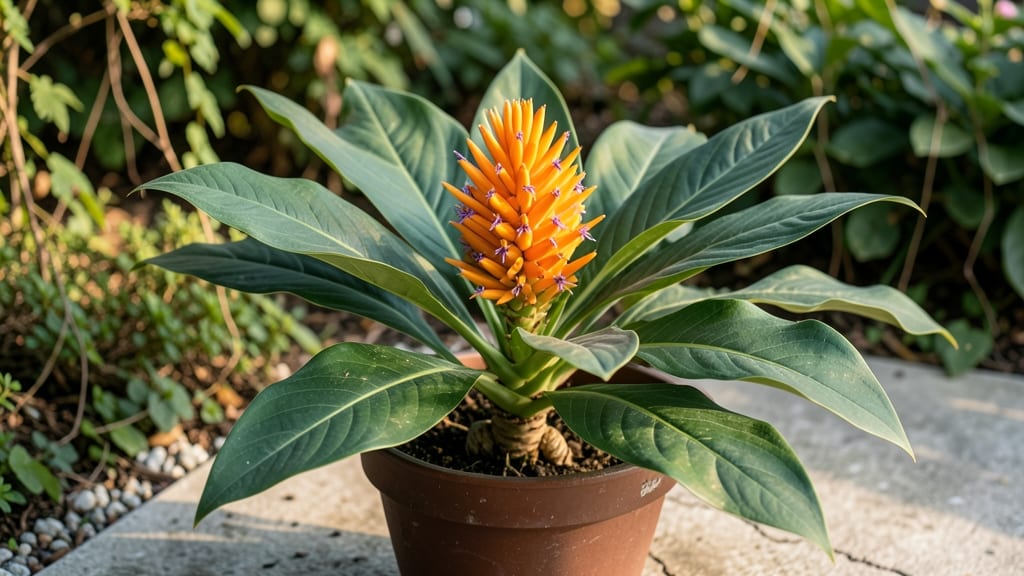
Growing edible turmeric plants for their golden flowers is one of the most rewarding gardening projects I’ve tried—each bloom is edible, fragrant, and packed with culinary potential. 🌿 The key to success lies in mimicking their tropical roots: warm soil, consistent moisture, and plenty of sunlight.
Unlike the rhizomes we use for curry, the flowers bring a delicate citrusy note to teas, garnishes, and even infused oils.
Turmeric thrives in well-draining, sandy loam with a pH of 6.0–7.5, and it needs 6–8 hours of direct sun daily. Plant rhizomes 2–3 inches deep, spacing them 12–18 inches apart—crowding leads to fewer flowers.
Water deeply once a week, letting the top inch of soil dry between waterings. Frost kills turmeric, so in colder zones, grow it as an annual or overwinter potted plants indoors.
Harvest flowers in the morning when they’re fully open, stripping petals gently to preserve their vibrant color. Use them fresh in golden turmeric tea, as a garnish for soups, or dried for later use.
The rhizomes, too, can be dug up when foliage yellows, then dried for spice blends. With patience, you’ll have a dual harvest: bold rhizomes and delicate, edible blooms that elevate any dish.
This plant adapts well to containers if space is limited, and it’s surprisingly low-maintenance once established. The only real challenge? Keeping pests like aphids at bay—neem oil works wonders. Whether you’re growing for the rhizomes or the flowers, turmeric delivers both beauty and flavor in one striking package.
📚 In This Guide
- What you need
- Instructions
- Tips and common mistakes
- Wrapping up and next steps
What you need
- ● Fresh turmeric plant flowers: 1–2 cups (harvested at peak bloom, when petals are bright yellow and fully open). Pro tip: Pick flowers early in the morning for maximum potency!
- ○ Fresh turmeric rhizome (optional but recommended): 1 small piece (for added flavor and color).
- ● Water: 2 cups (filtered or spring water for best results).
- ○ Honey or sweetener (optional): 1–2 tsp (to taste).
- ● Basic kitchen tools: Sharp pair of scissors or pruning shears (for harvesting).
- ● Medium saucepan (for boiling).
- ● Fine-mesh strainer or cheesecloth.
- ● Mason jar or airtight container (for storage).
- ● Citrus zest (lemon/lime): ½ tsp (brightens the tea).
- ● Cinnamon stick or cardamom pods: 1–2 (for warmth).
- ● Fresh mint or basil leaves: 2–3 (for a refreshing twist).
- ● Edible flowers (e.g., nasturtiums): A few petals (for garnish).
- ● Ice cube tray: For freezing flower-infused water cubes.
Step-by-step guide to cultivating edible turmeric flowers
Here's how to coax vibrant, edible turmeric blooms from your garden—each step ensures flavorful flowers for tea and garnishes.
🌱 Step 1: Select and Plant Turmeric Rhizomes Properly
Choose plump, disease-free turmeric rhizomes with visible buds. Plant them 2 inches deep in well-draining soil enriched with compost. Space rhizomes 12 inches apart in rows 18 inches apart—this gives roots room to establish before flowering. Turmeric thrives in full sun to partial shade, so pick a spot with morning sunlight and afternoon shade if temperatures exceed 85°F.
Water immediately after planting to settle the soil. Keep the area consistently moist but never soggy—turmeric roots rot easily in waterlogged conditions. You'll know moisture is right when the top inch of soil feels damp but not wet. Mulch with 2 inches of straw to retain soil moisture and regulate temperature.
☀️ Step 2: Maintain Ideal Growing Conditions for Blooms
Turmeric flowers appear after 8-12 months of growth, so patience is key. During the growing season, water 1-2 times per week—more in extreme heat, less in cooler months. You'll see new leaves emerge in 4-6 weeks, signaling healthy growth. Fertilize lightly with a balanced organic fertilizer every 6-8 weeks to encourage flowering without overstimulating foliage.
Watch for the first signs of flower stalks—thin, upright shoots emerging from the center of the plant. These are your edible turmeric blooms, but they need support. Install small stakes or cages near the base of the plant as soon as you spot the first stalk. This prevents the delicate stems from bending under their own weight or in wind.
💧 Step 3: Harvest and Preserve Edible Flowers
Harvest flowers when fully open but before they wilt—typically in the morning after dew has dried. Use clean, sharp scissors to cut the entire flower head at the base. Handle gently to avoid damaging the stems. You'll get 4-6 blooms per plant, each with a delicate, slightly spicy flavor perfect for teas and garnishes.
For tea, dry the flowers completely by hanging them upside down in a dry, dark place for 1-2 weeks. Store dried flowers in an airtight container away from light. For immediate use, rinse fresh blooms gently and use them whole or chopped as a garnish. Real talk: the flowers lose potency after 3 months, so use them fresh or dry them quickly.
✂️ Step 4: Encourage Future Blooms and Prevent Common Issues
After harvesting, trim any dead or yellowing leaves to redirect the plant's energy. This keeps the rhizome healthy for next season's blooms. If your plant isn't flowering after a year, it may need more sunlight or a rest period. Turmeric often requires 6-8 hours of direct sun daily to produce flowers—move it to a sunnier spot if growth stalls.
Here's the thing—turmeric flowers are sensitive to overwatering. Yellowing leaves or mushy stems mean you're watering too much. Adjust your schedule until the soil feels dry 1 inch below the surface before watering again. Pests like aphids rarely bother turmeric, but if you spot them, spray with soapy water and monitor closely.
Tips & tricks for perfect edible turmeric blooms
Growing turmeric flowers takes time, but these practical tips will help you coax the most vibrant, flavorful blooms from your garden.
Rhizome Selection: Look for rhizomes with multiple "eyes" or buds—these are your future flower producers. The larger the rhizome, the more energy it has to support blooming. I've found that organic, disease-free rhizomes from specialty stores yield the most robust plants. Confession: I skipped this step for years and wondered why my plants never flowered!
Sunlight Strategy: Turmeric needs that 6-8 hours of direct sun daily to produce flowers, but here's what nobody tells you—morning sun is more important than afternoon. If your climate exceeds 85°F regularly, provide afternoon shade to prevent stress. I plant mine near my kitchen window where they get morning light and afternoon shade from the house.
Flower Support System: When those delicate flower stalks appear, don't wait to install support! Use small bamboo stakes or tomato cages placed at the base as soon as you spot the first shoot. The stems grow surprisingly fast—sometimes overnight—and without support, they'll flop over before opening. I've lost count of how many beautiful blooms I've ruined by waiting too long.
Harvest Timing: The morning after dew dries is your best window—flowers open fully by midday but start wilting by afternoon. Cut the entire head at the base with clean scissors, leaving about an inch of stem. This preserves the plant's energy for future blooms. I harvest mine around 10am when they're fully open but still crisp.
Pro Tips for Edible Turmeric Plant Flower
- Growing turmeric flowers takes time, but these practical tips will help you coax the most vibrant, flavorful blooms from your garden.
- Rhizome Selection: Look for rhizomes with multiple "eyes" or buds—these are your future flower producers.
- Sunlight Strategy: Turmeric needs that 6-8 hours of direct sun daily to produce flowers, but here's what nobody tells you—morning sun is more important than afternoon.
Frequently asked questions
about edible turmeric plant flowers—because curiosity is part of the fun!Can I eat turmeric flowers raw?
Yes! Turmeric flowers are edible raw and pack a mild, slightly peppery flavor. Use them fresh in salads, garnishes, or as a vibrant garnish for soups and curries. Just rinse them gently to remove dirt before eating.
When is the best time to harvest turmeric flowers?
Harvest turmeric flowers when they’re fully open but still firm—usually in the morning after the dew dries. Avoid wilting blooms, as they lose flavor and color quickly. Cut stems at an angle for easier water absorption if storing.
How do I store turmeric flowers for later use?
Store fresh flowers in a paper towel-lined container in the fridge for up to 5 days. For longer storage, dry them in a cool, dark place (like a dehydrator or air-drying) and keep in an airtight jar. Dried flowers make great teas or spice blends!
Are turmeric flowers safe for everyone?
Most people can eat turmeric flowers safely, but those with curcuma allergies should avoid them. If you’re pregnant, nursing, or on medication, check with a doctor first—turmeric contains compounds that may interact with certain treatments.
What can I substitute if I can’t find turmeric flowers?
Try edible marigold petals (like Calendula) or nasturtiums for a similar pop of color and mild peppery taste. For tea, hibiscus or chamomile flowers work too—just adjust flavors to taste!
Wrapping up and next steps
Discovering the edible turmeric plant flower opens up a world of vibrant flavors and health benefits—from fragrant teas to stunning garnishes! These golden blooms are a delicious way to elevate your dishes while embracing nature’s bounty. 🌼
Ready to experiment? Start small by growing a few turmeric plants or foraging for wild varieties (if local laws permit). Try infusing their petals into honey or drying them for later use—your taste buds (and Instagram feed) will thank you!
Next step: Share your creations with friends or explore other edible flowers like hibiscus or pansies for even more culinary adventures!