Flowers
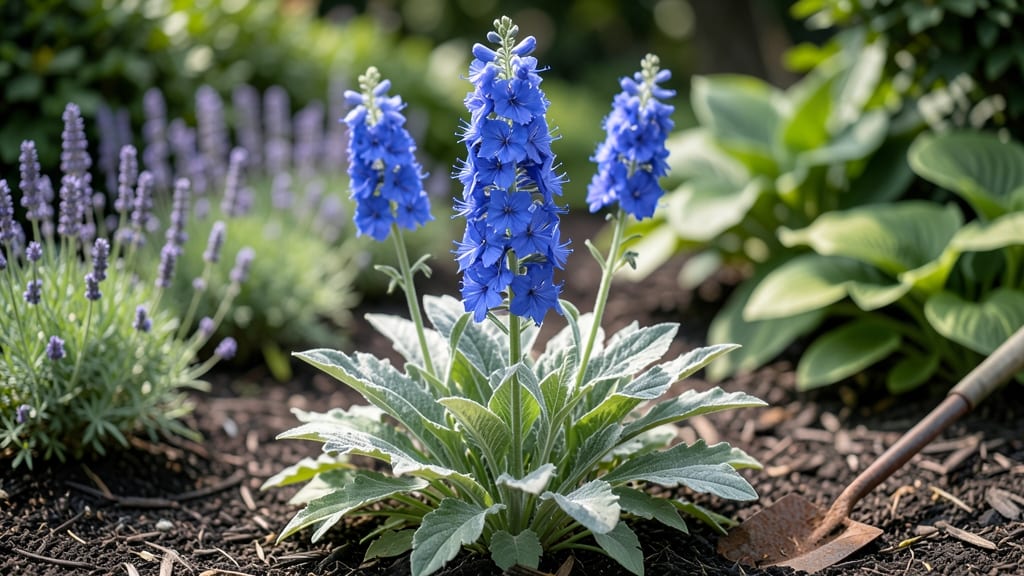
Electric blue flowers don’t just brighten your garden—they create a magnetic pull for bees, butterflies, and hummingbirds that lasts from spring through fall. 🌿 I planted my first delphiniums five years ago, and every summer since, neighbors have stopped to ask which "magic paint" I used.
The secret isn’t paint—it’s placement, pairing, and knowing which varieties bloom when.
Start with Delphiniums for towering spikes (up to 5 feet) that dominate borders, then layer in Lobelia for cascading blue in containers, and add Agapanthus for late-season drama.
The key is contrasting textures—spiky delphiniums against soft lobelia—and colors that make blue pop: silver foliage (like lamb’s ear) or sunny yellows (black-eyed Susans) create instant harmony. Even in small spaces, a single electric blue pot on the patio becomes a pollinator hotspot.
What you’ll get is a garden that feels alive year-round. In spring, delphiniums kick off the show, lobelia bridges the summer gap, and agapanthus carries the season into autumn. The blue attracts pollinators like a neon sign, while the structure adds height and movement that flat plantings never do.
Plus, the color stays vibrant—no fading to dull purple like some blues do.
Works in full sun or partial shade, in beds or containers, and adapts to most climates (zones 4-10). The only rule? Plant in odd-numbered clusters (3, 5, or 7) so the eye follows the blue instead of stopping at the edges.
Let’s design your electric blue garden—it’s easier than you think.
📚 In This Guide
- What you need
- Instructions
- Tips and common mistakes
- Wrapping up and next steps
What you need
- ● Electric blue flowers: Choose from Delphinium, Lobelia, Salvia, or Agapanthus (3–5 plants per variety for full coverage). Opt for perennial varieties for long-term color.
- ● High-quality potting mix: 2–3 bags of well-draining, organic soil (e.g., Miracle-Gro Potting Mix or FoxFarm Ocean Forest).
- ● Slow-release fertilizer: 1–2 lbs of 10-10-10 NPK or fish emulsion to boost growth.
- ● Mulch: 1–2 bags of pine bark or shredded leaves to retain moisture and suppress weeds.
- ● Garden trowel & spade (for planting and soil prep).
- ● Pruning shears (to trim dead blooms and encourage regrowth).
- ● Watering can or hose with a gentle spray nozzle (for even hydration).
- ● Garden gloves (to protect your hands from thorns or rough stems).
- ○ Optional but helpful: A garden kneeler for comfort.
- ● A pH testing kit (to ensure soil is 6.0–7.0, ideal for blue flowers).
- ● Pollinator-friendly companion plants (e.g., Marigolds or Cosmos) to attract bees and butterflies.
- ● A sunny to partially shaded spot (6+ hours of sunlight for most blue flowers).
- ● Well-draining soil (avoid waterlogged areas—blue flowers hate soggy roots!).
- ● Patience! Some varieties (like Delphinium) take 2–3 years to reach full bloom.
How to create a stunning electric blue flower display that blooms all year
Here’s how to design a vibrant, pollinator-friendly garden that keeps blue hues popping from spring through winter.
🌱 Step 1: Select the Right Blue-Blooming Varieties for Seasonal Interest
Start with a mix of annuals, perennials, and evergreens to ensure continuous color. For spring, delphiniums and lobelia deliver intense cobalt blooms, while salvia and agastache thrive in summer’s heat. In fall, blue plumbago and blue fescue grass add texture, and winter brings blue star creeper or blue holly for structure.
I always check each plant’s USDA hardiness zone to avoid frost-sensitive picks. For example, delphiniums (zones 3-9) need winter mulch, while lobelia (zones 2-11) self-seeds easily if left undisturbed. Group plants by sunlight needs—most electric blues crave full sun (6+ hours) but tolerate partial shade (3-6 hours) if soil stays moist.
☀️ Step 2: Position for Maximum Sunlight and Pollinator Appeal
Place sun-loving blues like salvia and agastache in south-facing beds where they’ll bask in morning to afternoon sun. Shade-tolerant picks like blue lobelia thrive near east-facing foundations or under dappled tree canopies. I mark each spot with a stake and string to visualize spacing before planting—crowding invites disease.
Pollinators adore electric blues, so avoid pesticides. Instead, interplant with native milkweed or bee balm to create a foraging buffet. Elevate containers slightly to prevent waterlogging, which causes root rot in moisture-sensitive varieties like delphiniums. Use gravel or sand in the bottom of pots to improve drainage.
💧 Step 3: Amend Soil for Vibrant, Long-Lasting Blooms
Most electric blue flowers prefer well-draining, slightly acidic soil (pH 6.0–7.0). Work in 2–3 inches of compost and a slow-release fertilizer (like 10-10-10) at planting to fuel growth. For heavy clay, mix in sand or perlite to prevent water pooling—delphiniums wilt quickly if roots sit in soggy soil.
Mulch with 2 inches of shredded bark or pine needles to retain moisture and suppress weeds. Replenish mulch annually in spring, as it breaks down faster than you’d expect. Blue agastache, for instance, thrives with dry soil once established, so avoid overwatering—yellowing leaves signal too much moisture.
✂️ Step 4: Prune and Deadhead for Continuous Blooms
Cut back spent blooms (like salvia or agastache) by one-third after flowering to encourage reblooming. For delphiniums, snip tall stems at the base in early summer to redirect energy into side shoots. I always sterilize pruners with rubbing alcohol to prevent powdery mildew—a common issue with damp foliage.
In fall, trim perennials like blue plumbago back to 6 inches tall before the first frost. This protects roots from freeze-thaw cycles while leaving winter interest from blue fescue or evergreen heather. Divide crowded clumps (like lobelia) every 2–3 years to maintain vigor—older plants bloom less intensely.
🪴 Step 5: Extend the Season with Containers and Cold Frames
For year-round color, pot up blue lobelia or petunias in 10–12 inch containers and overwinter them on a sunny porch or under a cold frame. Use lightweight potting mix to avoid root-bound stress. In late winter, fertilize lightly (half-strength) to wake up dormant growth—new shoots appear within 2–3 weeks if temps stay above 40°F.
To protect tender perennials like blue plumbago, mound 6 inches of straw mulch around the base before frost. In zone 5 or colder, wrap young plants in burlap for extra insulation. Come spring, remove mulch gradually to avoid sudden temperature shock—wilting leaves mean it’s too dry too fast.
Tips & tricks for perfect electric blue flower displays
Creating a vibrant electric blue garden isn't just about planting—it's about strategy. Here's how to elevate your display from pretty to show-stopping.
Seasonal Layering: The key to year-round color lies in layering plants with staggered bloom times. For example, pair spring's delphiniums (which bloom early) with summer's salvia and agastache—then extend into fall with blue plumbago and winter's blue holly. I always sketch a simple seasonal calendar to visualize which plants will carry the color through each month. This prevents gaps where your garden might look bare.
Soil Science: Don't overlook the soil's role in vibrant blooms. While most electric blue flowers prefer slightly acidic soil (pH 6.0–7.0), blue agastache actually thrives in slightly alkaline conditions (pH 7.0–8.0). Test your soil before planting—you can adjust pH by adding sulfur to lower it or lime to raise it. The 2-3 inches of compost mentioned in Step 3 isn't just about nutrients; it also improves soil structure, helping roots establish faster and reducing compaction that can stunt growth.
Pollinator Partnerships: Here's what nobody tells you—your blue flowers won't shine as brightly without their pollinator partners. While native milkweed and bee balm are excellent choices, I've found that adding lavender (optional) creates a sensory experience pollinators can't resist. The contrast between the lavender's purple and your electric blues creates visual drama while providing a continuous nectar source. Just be sure to space them properly—crowding invites disease, as mentioned in Step 2.
Winter Protection: The 6 inches of straw mulch around tender perennials before frost isn't just about insulation—it's about moisture regulation. Too much mulch can smother roots, while too little leaves them vulnerable. I always check mulch depth with a ruler after applying, and I never use fresh grass clippings (they mat down and create anaerobic conditions). For containers overwintered on porches, I add a layer of bubble wrap around the outside of the pot—it's a simple trick that adds an extra 10°F of protection when temps dip below 40°F.
Pro Tips for Electric Blue Flowers
- Creating a vibrant electric blue garden isn't just about planting—it's about strategy.
- Seasonal Layering: The key to year-round color lies in layering plants with staggered bloom times.
- Soil Science: Don't overlook the soil's role in vibrant blooms.
Frequently asked questions
Can electric blue flowers grow in all climates?
Most electric blue flowers thrive in USDA Zones 5-9, but some varieties (like Delphinium or Lobelia) may need winter protection in colder areas. Check your specific plant’s care tag—some prefer partial shade, while others bask in full sun. Pro tip: Use mulch to insulate roots in frost-prone zones!
How long does it take for electric blue flowers to bloom?
Blooming time varies! Seeds may take 8-12 weeks to sprout, with flowers appearing in 3-6 months (depending on the variety). Potted plants often bloom faster—check the label for exact timelines. Troubleshooting: If blooms stall, ensure they get 6+ hours of sunlight daily and well-draining soil.
Are electric blue flowers toxic to bees or butterflies?
Not at all! These flowers are a pollinator magnet—bees, butterflies, and hummingbirds adore their nectar. Bonus: They’re also non-toxic to pets (though always verify your specific variety). Plant them near other bright blooms to create a buzzing garden paradise!
What can I do if my electric blue flowers fade or wilt?
Wilting often signals overwatering or underwatering. Let soil dry slightly between waterings (stick your finger in—top 1 inch should feel dry). Quick fixes:
- Trim dead blooms to encourage new growth.
- Move potted plants to a sunnier spot if leaves yellow.
- Fertilize lightly with a balanced bloom booster (10-10-10 ratio).
What’s the best alternative if I can’t find electric blue flowers?
No electric blue? Try these stunning blue-hued stand-ins:
Flower
Color Shade
Care Level
Blue Salvia
Vibrant blue-purple
Easy (drought-tolerant!)
Cornflower
Sky blue
Low-maintenance
Blue Daze (Evolvulus)
Soft periwinkle
Spreading, great for borders
Still stumped? Reach out to local nurseries—they often carry rare varieties or can suggest hybrids!
Wrapping up and next steps
Electric blue flowers aren’t just a stunning addition to your garden—they’re a lifeline for pollinators, offering year-round color and vitality. From choosing the right varieties to creating pollinator-friendly spaces, these vibrant blooms bring beauty and purpose to your outdoor oasis. 🌸
Ready to transform your garden? Start small—plant a few blue beauties this season and watch your space buzz with life! For even more inspiration, explore pollinator-friendly design tips or dive into seasonal care guides to keep your garden thriving.