
Flowers
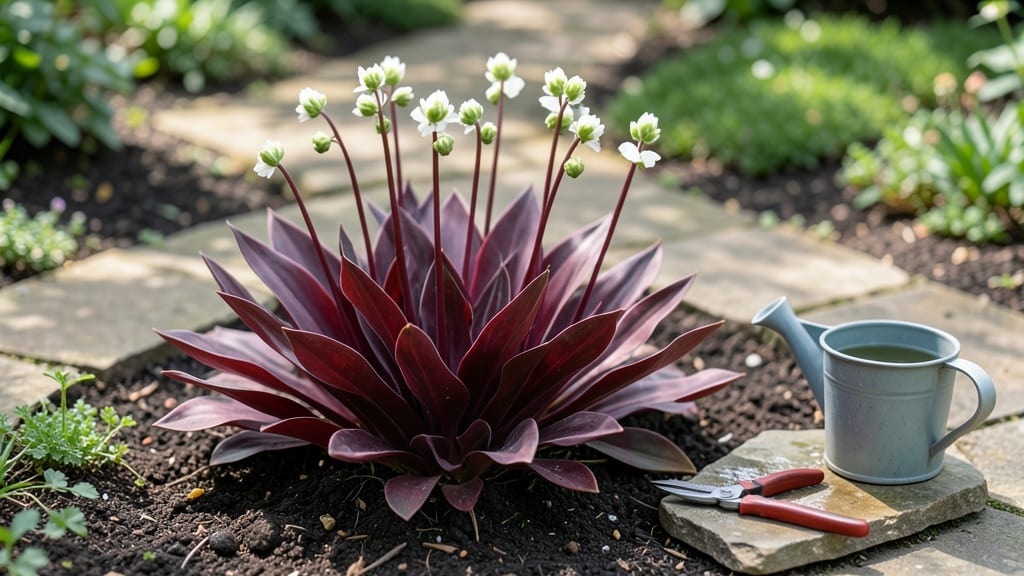
The tiny euphorbia with small white flowers turns any garden into a dreamy meadow—no deadheading required. 🌿 I’ve grown these striking plants for years, and their effortless charm makes them perfect for busy gardeners. The key lies in understanding their unique needs, from well-draining soil to minimal fuss care.
These plants thrive in partial shade to full sun, tolerating everything from rocky slopes to containers. They’re drought-resistant once established, so watering is simple: just keep the soil slightly moist in spring and let it dry between waterings in summer.
The small white flowers appear in late winter or early spring, lasting for weeks without extra attention.
You’ll love how they pair with spring bulbs or Mediterranean herbs, adding height and texture. Prune only to shape in late spring, and you’ll enjoy blooms year after year. The secret? Less is more—these plants reward patience with stunning, low-maintenance beauty.
Whether you’re filling a sunny border or adding winter interest, euphorbias deliver drama with almost no effort. Let’s get your garden blooming effortlessly!
📚 In This Guide
- What you need
- Instructions
- Tips and common mistakes
- Wrapping up and next steps
What you need
- ● Euphorbia plant: Choose a variety like Euphorbia cyparissias (cypress spurge) or Euphorbia characias (mediterranean spurge) for small white blooms. Buy a 6-inch potted plant or seeds for DIY growing.
- ● Well-draining soil: 10–15 lbs of a mix like cactus/succulent soil (or regular potting soil amended with 20% perlite or coarse sand). Euphorbia hates soggy roots!
- ● Containers (if potted): 1–2 terracotta or fabric pots (6–8 inches deep) with drainage holes. Terracotta helps wick away excess moisture.
- ● Drainage layer: ½ inch of small gravel or pumice per pot to prevent root rot.
- ● Gloves: 1 pair of thick gardening gloves—Euphorbia sap is irritating! 🚨
- ● Trowel or small shovel: For transplanting or amending soil.
- ● Watering can with a narrow spout: To avoid disturbing soil around delicate stems.
- ● Sunlight access: Full sun (6+ hours/day) for outdoor plants; a south-facing window or grow light for indoor setups.
- ○ Fertilizer (optional): Balanced liquid fertilizer (10-10-10) or slow-release granules for occasional feeding (spring/summer only).
- ○ Pruning shears (optional): For shaping or removing leggy stems in late winter.
- ● 🌡️ Temperature: Ideal range is 60–80°F (15–27°C). Avoid frost—Euphorbia is not cold-hardy!
- ● ✨ Watering hack: Let soil dry completely between waterings—overwatering is the #1 killer!
- ● 🎯 Pest prevention: Keep an eye out for aphids or mealybugs; spray with neem oil if needed.
How to cultivate Euphorbia with delicate white blooms
Here’s the straightforward approach I’ve used to keep euphorbias flowering reliably—no fuss, no deadheading, just steady beauty.
🌱 Step 1: Select the Right Variety and Planting Site
Choose a sun-loving euphorbia like Euphorbia cyparissias or Euphorbia characias, both known for their airy white blooms. These thrive in full sun (at least 6 hours daily) and well-draining soil—critical for avoiding root rot. I always plant mine in slightly elevated beds or containers with drainage holes to prevent soggy roots.
If your soil is heavy clay, amend it with sand or grit before planting. The goal is a loose, almost gritty texture—think of how cacti grow. Euphorbias hate wet feet, so if your garden stays damp, opt for containers instead. A southeast-facing spot works well in cooler climates, as it gets morning sun without scorching heat.
☀️ Step 2: Plant at the Right Time and Depth
Spring is ideal for planting, but euphorbias tolerate fall too—just give them 6-8 weeks to establish roots before winter. Dig a hole twice as wide as the root ball but only as deep as the container it came in. Pressing soil too firmly around roots can suffocate them, so I gently pat the soil down instead.
Space plants 12-18 inches apart for smaller varieties like Euphorbia cyparissias or 2-3 feet apart for larger types like Euphorbia characias. This prevents overcrowding, which leads to leggy stems and fewer blooms. Water deeply right after planting to settle the soil, but avoid soaking—euphorbias prefer dry conditions once established.
💧 Step 3: Water Sparingly and Fertilize Lightly
Water only when the top 2 inches of soil feel dry—this usually means once every 10-14 days in summer, less in winter. Overwatering is the fastest way to kill euphorbias, so I check soil moisture with my finger before watering. If the soil is still damp, wait. If it’s bone-dry, water deeply until it runs out the drainage holes.
Fertilize once in early spring with a low-nitrogen, balanced fertilizer (like 5-10-5). Too much nitrogen encourages leafy growth at the expense of flowers. I skip fertilizing in fall and winter—euphorbias bloom best when they’re slightly stressed, not pampered. A light mulch of gravel or coarse sand around the base helps retain heat and improve drainage.
✂️ Step 4: Prune Strategically for Bushier Growth
Euphorbias don’t need deadheading, but they do benefit from a light prune after flowering to encourage next year’s blooms. Use clean, sharp shears and cut back one-third of the current season’s growth in late summer. This removes spent stems and signals the plant to focus on root and bud development for next spring.
Wear gloves—euphorbia sap is irritating and can cause skin rashes. If you’re pruning in dry weather, do it in the early morning or evening to avoid stressing the plant. Avoid heavy pruning in fall, as new growth won’t harden off before winter. A well-pruned euphorbia will reward you with denser foliage and more flowers the following year.
⏰ Step 5: Protect in Winter and Watch for Pests
Most euphorbias are hardy to USDA Zone 4, but young plants or tender varieties need winter protection. I mound 2-3 inches of mulch (like straw or bark chips) around the base after the first frost. This insulates roots without suffocating them. In containers, move pots to a sheltered spot or wrap them in burlap to shield from cold winds.
Watch for aphids or spider mites, which love euphorbias’ sap. If you spot sticky residue on leaves or fine webbing, spray with neem oil or blast off pests with a strong stream of water. Euphorbias are tough, but they’ll bloom best when pests aren’t sapping their energy. A quick inspection every 2 weeks in summer keeps problems small.
Tips & tricks for perfect Euphorbia blooms
These simple yet game-changing strategies will help your euphorbias thrive with minimal effort.
Soil Texture Matters: The gritty soil mix I mentioned isn't just about drainage—it mimics the natural rocky terrain these plants love. For containers, use a blend of 60% potting soil and 40% coarse sand or perlite. This prevents compaction and keeps roots oxygenated. In garden beds, incorporate 2-3 inches of gritty sand into the top 12 inches of soil before planting. The goal is soil that feels almost dry to the touch even after watering.
Lighting Strategy: While euphorbias love full sun, I've found that morning sun with afternoon shade works better in hot climates (Zones 7-9). This prevents leaf scorch while still providing the 6 hours of sunlight they need. If growing indoors, place near a south-facing window or use a grow light for 12-14 hours daily. The key is bright, indirect light—think of how they grow in Mediterranean rock gardens where midday sun can be intense.
Pruning Precision: That one-third prune after flowering isn't arbitrary—it's based on the plant's natural growth cycle. Cut just above a leaf node where new growth emerges, and always use clean shears. I sterilize my pruners with rubbing alcohol between cuts to prevent sap-borne diseases. For larger varieties like Euphorbia characias, you can shape more aggressively, but never remove more than one-third at once. This balance encourages bushier growth without shocking the plant.
Winter Protection: The 2-3 inches of mulch I recommend is crucial, but timing matters too. Apply it after the first hard frost when soil temperatures drop below 40°F. For container plants, move them to an unheated garage or under an eave where temps stay above 20°F. I've seen euphorbias survive -10°F with proper protection, but young plants or tender varieties need extra care. The mulch should feel like a cozy blanket—not suffocating, but insulating.
Pro Tips for Euphorbia Small White Flowers
- These simple yet game-changing strategies will help your euphorbias thrive with minimal effort.
- Soil Texture Matters: The gritty soil mix I mentioned isn't just about drainage—it mimics the natural rocky terrain these plants love.
- Lighting Strategy: While euphorbias love full sun, I've found that morning sun with afternoon shade works better in hot climates (Zones 7-9).
Frequently asked questions
Got questions about growing Euphorbia with its charming small white flowers? You’re not alone! Here are some of the most common queries—and their answers—to help you cultivate these striking plants with confidence.
Why aren’t my Euphorbia’s white flowers blooming?
Euphorbias often bloom without deadheading, but if yours are skipping flowers, check light exposure first—most varieties thrive in bright, indirect sunlight. Overwatering or nutrient deficiencies (like low phosphorus) can also delay blooms. Try repotting with well-draining soil and a balanced fertilizer in early spring.
How long does it take for Euphorbia to flower?
Timing varies by species, but many Euphorbia varieties—like Euphorbia cyparissias—produce white blooms within 6–12 months of planting. Dwarf types (e.g., Euphorbia amygdaloides) may flower even faster, often in late winter or early spring. Patience is key!
Can I grow Euphorbia indoors with small white flowers?
Compact varieties like Euphorbia pulcherrima (Poinsettia’s relative) or Euphorbia characias adapt well indoors near south-facing windows. Use pots with drainage holes and avoid soggy soil. Just know: indoor plants may bloom less prolifically than outdoor ones due to lower light.
Is Euphorbia toxic to pets or kids?
Yes—all parts of Euphorbia contain a milky sap that’s toxic if ingested. Keep plants out of reach of pets and children. Symptoms of exposure include drooling, vomiting, or skin irritation. Wear gloves when handling, and wash hands afterward. Opt for pet-safe alternatives like Helleborus (Lenten Rose) if needed.
What’s the best alternative for white Euphorbia if I want low-maintenance blooms?
Try these zero-deadheading white-flowering stars:
- Galanthus nivalis (Snowdrops): Early spring blooms, deer-resistant.
- Leucojum vernum (Spring Snowflake): Fragrant, shade-tolerant.
- Cyclamen hederifolium (Neapolitan Cyclamen): Delicate white flowers in fall/winter.
Wrapping up and next steps
Growing Euphorbia with small white flowers is a rewarding journey that brings year-round beauty with minimal effort—no deadheading required! 🌸 With the right light, soil, and care, these striking plants thrive indoors or outdoors, adding elegance to any space.
Whether you’re a seasoned gardener or a beginner, their resilience and striking foliage make them a must-have.
Ready to transform your garden or home? Start with one plant and experiment with varieties—you’ll be amazed at how easy (and stunning) they are to grow! 🌱