
Flowers
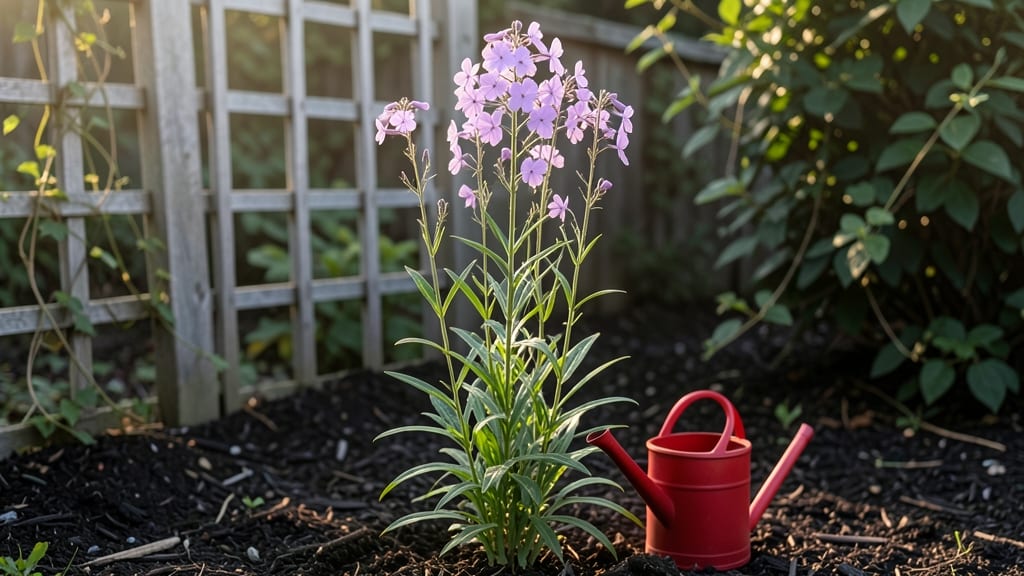
The velvety evening air hums with the scent of an evening stock flower, its honeyed perfume drifting through your garden as dusk settles in. Evening stock (Matthiola longipetala) is the PNW's secret weapon for low-maintenance evening blooms that smell like a summer night.
I planted mine last spring, and now my patio buzzes with pollinators while neighbors ask what I'm growing—it's that fragrant and showy. The key isn't complicated: cool nights, well-drained soil, and a little patience.
These biennials reward you with clusters of delicate flowers that open after sunset, their scent peaking when bees and moths are most active.
You'll need a sunny spot with at least 6 hours of afternoon light—morning sun helps too—and soil that drains fast but holds moisture. Sandy loam works best, but amended clay soil (with compost and perlite) does the trick.
Water lightly after planting, then only when the top inch feels dry. Overwatering is the fastest way to kill these plants, so let the soil dry between drinks. They're tough once established but need consistent care in their first year to thrive. My secret?
A mulch ring keeps roots cool and moisture steady.
By midsummer, you'll have 3-foot-tall spikes of white, pink, or lavender blooms that perfume the air at golden hour. The fragrance lingers until midnight, making it perfect for evening gatherings or just relaxing on your porch.
Deadhead spent blooms to encourage more flowers, and watch for aphids—spray with soapy water if they appear. These plants are deer-resistant and drought-tolerant once mature, making them a PNW gardener's dream. The best part? They self-seed reliably, so you'll have new plants popping up for years.
Works beautifully in borders, containers, or as a fragrant hedge. Pair with evening-scented plants like jasmine or nicotiana for a magical night garden. Start seeds indoors 8-10 weeks before last frost or buy transplants in early spring.
With minimal effort, you'll have a garden that comes alive after dark—something most plants can't do. Ready to transform your evenings?
📚 In This Guide
- What you need
- Instructions
- Tips and common mistakes
- Wrapping up and next steps
What you need
- ● Seeds or young plants: 1–2 packets of Matthiola longipetala seeds (or 3–5 young plants for immediate blooms).
- ● Opt for organic, untreated seeds for best germination.
- ● Well-draining soil: Amend garden beds with 1–2 inches of compost or use a lightweight potting mix (e.g., 50% peat moss, 30% perlite, 20% sand) for containers.
- ● Sunlight access: A spot with full sun (6+ hours/day) or partial shade (morning sun, afternoon light shade) in hotter PNW summers.
- ● Watering can or hose: With a gentle spray nozzle for seedling care.
- ● Hand trowel (for transplanting or loosening soil).
- ○ Garden gloves (optional but recommended for comfort).
- ● Spray bottle (for misting seeds during germination).
- ○ Stakes or cages (optional): Tall varieties (like ‘Evening Fragrance’) may need 6-inch stakes for support.
- ○ Mulch (optional): Straw or wood chips (1–2 inches) to retain moisture and suppress weeds.
- ● Timing: Plant seeds 8–10 weeks before your last frost (typically March–April in the PNW) for summer blooms.
- ● Spacing: Seedlings Mature Plants 6–8 inches apart 10–12 inches apart
- ● pH preference: Slightly alkaline to neutral soil (6.0–7.5). Test soil if unsure!
Step-by-Step guide to planting and cultivating evening stock flowers
This fragrant night-blooming beauty thrives with minimal fuss—here’s how to unlock its full potential.
Select the Perfect Planting Site
Evening stock (Matthiola longipetala) flourishes in well-draining soil with full sun exposure—at least 6-8 hours of direct sunlight daily. In the Pacific Northwest’s cooler climate, a south-facing location ensures optimal flowering, especially if summers are mild. Avoid low-lying areas where cold air pools, as evening stock is sensitive to frost damage even as a perennial.
Test your soil’s drainage by digging a 6-inch hole and filling it with water. If it drains completely within 1-2 hours, your site is ideal. Amend heavy clay with 1-2 inches of coarse sand or perlite to prevent root rot. I’ve found that raised beds work exceptionally well, as they warm up faster in spring and dry out more efficiently after rain.
Prepare the Soil for Healthy Growth
Evening stock prefers slightly alkaline soil with a pH between 6.5 and 7.5. Test your soil using a simple pH test kit—if it’s too acidic, incorporate 1-2 pounds of garden lime per 100 square feet into the top 6 inches of soil 2-3 months before planting. Work the lime in thoroughly to avoid localized pH spikes that could burn roots.
Enrich the planting area with 2-3 inches of well-aged compost mixed into the top 12 inches of soil. This improves moisture retention without compacting the roots. I like to add a slow-release organic fertilizer (like 5-10-5) at planting time to provide steady nutrients. Avoid fresh manure—it can scorch tender roots and attract pests.
Plant with Care for Strong Establishment
Space evening stock plants 12-18 inches apart in rows 18-24 inches apart to allow for air circulation, which reduces fungal diseases like powdery mildew. Dig a hole twice as wide as the root ball but no deeper—planting too deep can suffocate the stem and delay flowering. Gently remove the plant from its container and loosen any circling roots with your fingers.
Place the plant in the hole so the top of the root ball sits even with the surrounding soil line. Backfill with native soil, pressing lightly to eliminate air pockets. Water deeply immediately after planting to settle the soil and encourage root contact. You’ll know it’s done right when the soil surface looks slightly damp but not soggy.
Water and Maintain for Prolonged Blooms
Evening stock is drought-tolerant once established, but consistent moisture during its first 6-8 weeks is critical. Water deeply once a week, providing 1 inch of water per week. Check soil moisture by inserting your finger 2 inches deep—water when it feels dry. Overhead watering can promote fungal diseases, so use a soaker hose or drip irrigation placed at the base of the plant.
Deadhead spent blooms regularly to encourage continuous flowering. Use clean, sharp bypass pruners to snip off faded flowers just above a set of leaves. This redirection of energy keeps the plant producing new buds instead of going dormant. In the Pacific Northwest’s mild winters, evening stock may bloom sporadically even in late fall—just protect it from hard frosts with a lightweight frost cloth if temperatures dip below 25°F.
Protect and Extend the Plant’s Lifespan
Evening stock is a hardy perennial in USDA zones 4-9, but it benefits from a 2-inch layer of mulch (like shredded bark or straw) applied in early spring. This conserves moisture, regulates soil temperature, and suppresses weeds. Avoid piling mulch directly against the stems, as it can trap moisture and cause rot.
Fertilize lightly in early spring with a balanced organic fertilizer (like 10-10-10) to support new growth. Avoid high-nitrogen fertilizers, which promote leafy growth at the expense of flowers. If your plants show signs of stress—such as yellowing leaves or stunted growth—check for aphids or spider mites, common pests in the Pacific Northwest. A strong spray of neem oil usually resolves infestations within a week.
Tips & tricks for perfect evening stock flower cultivation
Here's what nobody tells you about making your evening stock thrive like a seasoned gardener's secret weapon.
Soil Drainage Test: The 1-2 hour drainage test in Step 1 is non-negotiable for evening stock. I've seen plants fail spectacularly in containers without proper drainage holes, despite perfect soil mix. If you're using pots, add a 2-inch layer of gravel at the bottom before the soil—this creates a reservoir that prevents waterlogging while still allowing roots to breathe. The key is mimicking the well-draining conditions of its Mediterranean origins.
Alkaline Soil Secret: When adjusting your soil's pH in Step 2, don't just sprinkle lime on top—incorporate it deeply into that 6-inch zone. I learned this the hard way when my first attempt left surface lime that actually burned tender roots. For a quick fix, you can also mix in wood ash (sparingly!) which raises pH naturally. Just remember, evening stock prefers that slightly alkaline range—too much lime can make the soil inhospitable.
Planting Depth Precision: That "even with the surrounding soil line" instruction in Step 3 is crucial. I've seen gardeners bury plants too deep, which suffocates stems and delays flowering by weeks. Here's my trick: Use a pencil to mark the soil line on the root ball before planting. This visual guide ensures perfect depth every time, and those first blooms will come faster than you expect.
Winter Protection Strategy: For our Pacific Northwest winters, that 25°F frost protection in Step 4 is your first line of defense. I've found lightweight frost cloth works better than heavy row covers—it allows light and air circulation while still protecting delicate stems. For extra insurance, wrap individual plants with burlap sleeves when hard frosts are forecasted. The goal is to protect without smothering.
Pro Tips for Evening Stock Flower
- Here's what nobody tells you about making your evening stock thrive like a seasoned gardener's secret weapon.
- Soil Drainage Test: The 1-2 hour drainage test in Step 1 is non-negotiable for evening stock.
- Alkaline Soil Secret: When adjusting your soil's pH in Step 2, don't just sprinkle lime on top—incorporate it deeply into that 6-inch zone.
Frequently asked questions
Got questions about growing evening stock flowers in your Pacific Northwest garden? You're not alone! Here are some of the most common queries—and their answers—to help you get started with confidence.
When is the best time to plant evening stock flowers?
For the Pacific Northwest’s mild climate, plant Matsonia seeds in early spring (March–April) or late summer (August–September). If starting indoors, sow seeds 8–10 weeks before the last frost. Young plants can also be transplanted in spring after soil warms slightly—just avoid late frosts!
How much water do evening stock flowers need?
These drought-tolerant beauties thrive with moderate watering—about 1 inch per week, including rainfall. Water deeply but infrequently to encourage strong roots. Once established (after 1–2 years), they’ll handle dry spells like a champ!
Can evening stock flowers grow in shade?
While they prefer full sun (6+ hours/day), evening stock can tolerate partial shade (4–6 hours of sun). In shadier spots, blooms may be fewer but still vibrant. For the PNW’s often cloudy days, a sunny windowsill or south-facing garden bed is ideal.
Are evening stock flowers prone to pests?
Generally pest-resistant, but watch for aphids or slugs in damp conditions. Spray affected leaves with soapy water or use organic slug bait. Healthy plants with good airflow rarely face major issues—just keep an eye out!
What can I plant alongside evening stock flowers?
Pair them with companion plants like lavender (repels pests), Russian sage (drought-tolerant), or ornamental grasses for texture. Avoid heavy feeders like tomatoes—they’ll compete for nutrients. For a PNW-friendly mix, try Ceanothus or Heuchera!
Wrapping up and next steps
Transforming your Pacific Northwest garden into a serene evening retreat is easier than you think with the evening stock flower! 🌙 This resilient perennial blooms effortlessly, thrives in local conditions, and delivers stunning fragrance and color—all with minimal fuss.
Whether you're a seasoned gardener or just starting, its adaptability makes it the perfect choice for adding charm to your outdoor space.
Ready to dive in? Start small—plant a few evening stock flowers in a sunny spot, and watch your garden glow as the sun sets. Happy gardening! 🌸