
Landscaping
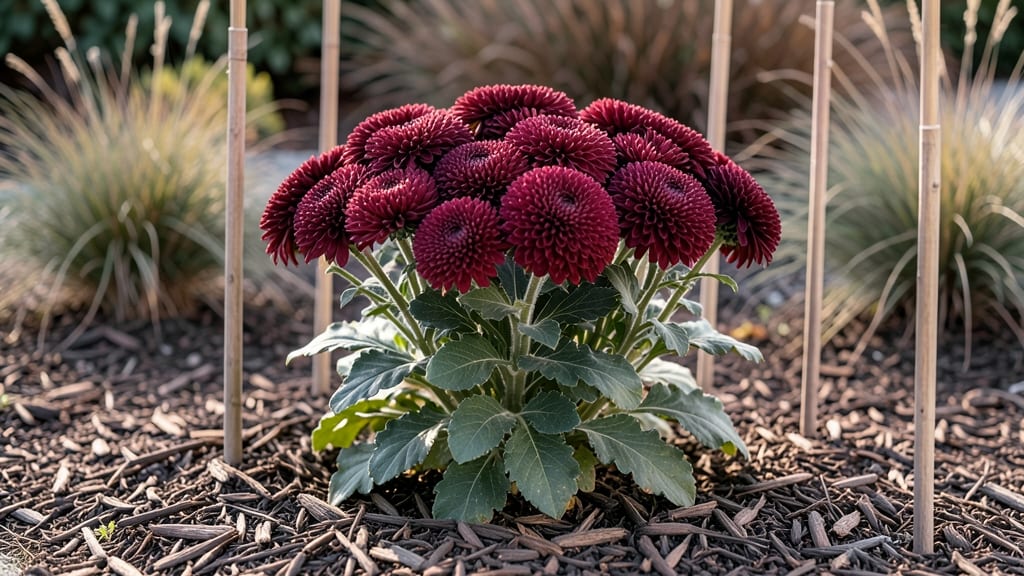
Fall flower bed design transforms your yard into a season-long masterpiece—where every leaf and bloom tells a story of color and texture.
I still remember the first time I saw my late-summer garden explode with deep oranges, fiery reds, and soft purples, all while my neighbors' beds had already gone dormant.
The secret isn’t just picking pretty plants; it’s about layering heights so sunlight reaches everything and creating focal points that draw the eye like a magnet.
Start with a backbone of ornamental grasses—they add movement and structure—then layer in chrysanthemums for bold blooms and asters for delicate texture. Add foliage plants like heuchera or sedum for contrast, and don’t forget mulch to keep roots cozy through chilly nights.
This isn’t just a fall display; it’s a foolproof transition into winter, where dried stems and seed heads become next year’s art.
What you’ll end up with is a garden that stays vibrant long after other beds have faded. Imagine walking past in November and still seeing pops of color against the crisp air—no sad brown patches in sight.
The best part? These same principles work for cottage gardens, modern minimalist beds, or wildflower meadows. Let’s make your fall garden the envy of the neighborhood.
Here’s the game-changer: height variation isn’t just about looks—it’s about survival. Taller plants shield smaller ones from early frosts, and the right color palette makes even a small bed feel dramatic.
We’ll cover how to mix textures, choose the right mulch, and keep your design cohesive from September through December. Ready to get started?
📚 In This Guide
- What you need
- Instructions
- Tips and common mistakes
- Wrapping up and next steps
What you need
- ● Soil: 2–3 cubic yards of high-quality, well-draining garden soil or a mix of topsoil and compost (aim for a 60/40 ratio if amending).
- ● Mulch: 2–3 bags of organic mulch (e.g., shredded bark or straw) to retain moisture and suppress weeds.
- ● Plants: A mix of perennials, annuals, and ornamental grasses suited for fall (e.g., mums, asters, sedum, heuchera, and switchgrass). Plan for 3–5 plants per square foot for a lush look.
- ● Fertilizer: Slow-release granular fertilizer (10-10-10 or 5-10-5) or organic options like composted manure.
- ● Watering supplies: Garden hose with a spray nozzle or a drip irrigation system for consistent moisture.
- ● Garden shovel or spade (for digging and amending soil).
- ● Hand trowel (for precision planting and spacing).
- ● Pruners or shears (for trimming plants and shaping edges).
- ● Rake (to level soil and remove debris).
- ● Measuring tape (to mark out your flower bed layout).
- ● Gloves (to protect your hands from thorns and dirt).
- ● Edging tools (metal or plastic) to define the bed’s borders neatly.
- ● Decorative stones or pavers for borders or pathways.
- ● Lighting (solar-powered or low-voltage landscape lights) to highlight your bed after dark.
- ● Plant supports (stakes or cages) for taller perennials like canna lilies or Russian sage.
- ● Plant markers (labels or stakes) to track varieties and care needs.
How to create a stunning fall flower bed with height and season-long interest
Here's how to build a layered design that thrives through autumn's cooler days.
Plan Your Height Layers for Visual Impact
Start by sketching three distinct layers: tall backdrops (24-36 inches), mid-height accents (12-24 inches), and low ground covers (3-12 inches). This creates depth and draws the eye through the season. I like to use mums (30 inches), sedum (18 inches), and heuchera (6 inches) as my core trio—they all handle fall's temperature swings beautifully.
Arrange taller plants at the back of the bed, gradually stepping down heights toward the front. This isn't just about looks—it also prevents smaller plants from getting shaded out by their taller neighbors. Place your sketch where you'll see it often; you'll adjust it as you go, and that's normal.
Choose Plants That Thrive in Fall Conditions
Select varieties that handle 50-60°F nights and cooler days without browning. My go-to fall performers include autumn joy sedum (drought-tolerant), black mondo grass (stays green until frost), and Russian sage (silvery foliage that lasts). These plants won't just survive—they'll shine when many others fade.
Pay attention to bloom times too. Start with early bloomers like asters (late summer) and layer in chrysanthemums (fall) so color never fades. Group plants with similar water needs together—this makes maintenance easier once everything's planted.
Prepare the Soil for Fall Planting Success
Before you plant, loosen the soil to 12 inches deep with a garden fork. This helps roots establish before winter sets in. Mix in 2-3 inches of compost to feed plants through the cooler months. I swear by this step—it's the difference between plants that struggle and ones that thrive.
For containers, use well-draining potting mix and add a slow-release fertilizer. The goal is soil that holds moisture but doesn't stay soggy. Test your soil's drainage by filling a container, watering it, then checking if water drains within 30 minutes. If not, amend with perlite or sand.
Plant With Strategic Spacing for Airflow
Space plants according to their mature size—12-18 inches apart for most perennials. Tight spacing leads to crowded roots and disease. Dig holes twice as wide as the root ball but no deeper. This encourages roots to spread outward rather than sitting in a deep hole.
Water each plant deeply after planting to settle the soil. A good rule is to water until 6 inches of soil feels moist. Mulch with 2-3 inches of shredded bark to retain moisture and protect roots from temperature swings. Keep mulch 2 inches away from stems to prevent rot.
Maintain Through Fall for Next Season's Success
Water in the morning to reduce evaporation and fungal risks. Most fall plants need 1 inch of water weekly, but check soil moisture—if the top 2 inches feel dry, it's time to water. Deadhead spent blooms regularly to encourage new growth and keep the bed looking fresh.
Watch for pests like aphids or spider mites, which love stressed plants. A neem oil spray applied every 2 weeks keeps them at bay without harming your flowers. As temperatures drop below 40°F, reduce watering but keep soil moist—plants still need hydration even in cooler weather.
Tips & tricks for perfect fall flower bed design
Here's what nobody tells you about creating a fall garden that stays vibrant all season long.
Layering Made Easy: When sketching your three height layers, use colored pencils or markers to differentiate each zone—this visual distinction helps you see how the heights will interact in real space. I like to tape my sketch to a window where I'll view the garden to check proportions against the actual space. This simple step prevents that "too crowded" look that's so common with layered designs.
Plant Selection Strategy: For the 12-24 inch mid-height layer, consider adding ornamental grasses like fountain grass or little bluestem—they provide texture and movement that flowers alone can't match. These grasses also handle fall's temperature swings beautifully, just like the recommended sedum and Russian sage. The key is to mix foliage plants with bloomers to maintain visual interest as flowers fade.
Soil Prep Shortcut: If you're working with heavy clay soil, mix in 1 part perlite or coarse sand to every 3 parts compost when amending. This improves drainage without sacrificing moisture retention. I've seen clay soil gardens transform completely after this simple amendment—roots establish much faster and plants handle fall rains better.
Watering Wisdom: The 1 inch weekly watering guideline assumes average fall rainfall. If you're in a particularly dry area, increase to 1.5 inches weekly during the first few weeks after planting to help roots establish. I check soil moisture by pushing a finger 2 inches down—if it's dry, that's your watering cue. Morning watering is especially important in fall to prevent fungal issues as nights get cooler.
Pro Tips for Fall Flower Bed Design
- Here's what nobody tells you about creating a fall garden that stays vibrant all season long.
- Layering Made Easy: When sketching your three height layers, use colored pencils or markers to differentiate each zone—this visual distinction helps you see how the heights will interact in real space.
- Plant Selection Strategy: For the 12-24 inch mid-height layer, consider adding ornamental grasses like fountain grass or little bluestem—they provide texture and movement that flowers alone can't match.
Frequently asked questions
Got questions about creating a stunning fall flower bed? You’re not alone! Here are answers to the most common queries to help you design with confidence.
What’s the best time to plant a fall flower bed for maximum impact?
Plant your fall flower bed 6–8 weeks before your first frost date (typically late summer to early fall). This gives roots time to establish while still benefiting from warm soil. For cooler climates, aim for late August; in warmer zones, September or October works best. Check your local frost dates to fine-tune timing!
Which flowers bloom the longest in fall?
For season-long color, mix late-blooming perennials (like asters, sedum, or Russian sage) with annuals (such as mums, pansies, or ornamental kale). Bulbs like daffodils and tulips also add early-spring pops. Pro tip: Layer heights—tall grasses (e.g., switchgrass) at the back, mid-height flowers (e.g., black-eyed Susans), and low ground covers (e.g., creeping thyme) up front for drama!
How often should I water a new fall flower bed?
Water deeply 2–3 times per week for the first 2–3 weeks after planting to encourage root growth. Once established, reduce to 1–2 times weekly (or when soil feels dry 2 inches down). Morning watering is ideal—it minimizes evaporation and fungal risks. Mulch (2–3 inches) helps retain moisture and regulate soil temp.
What’s the easiest way to prevent pests in a fall flower bed?
Start with healthy, disease-resistant plants (e.g., ‘Autumn Joy’ sedum or ‘October Skies’ asters). Neem oil or insecticidal soap tackle aphids/Japanese beetles, while beneficial nematodes combat grubs. Plant companion flowers like marigolds or lavender—they repel pests naturally! Avoid overwatering, which attracts slugs.
Can I use containers for a fall flower bed, or is in-ground better?
Containers work great for small spaces or renters—just use well-draining soil and larger pots (12+ inches deep) for perennials. Opt for lightweight materials like fabric grow bags or fiberglass to avoid heavy lifting. For in-ground beds, amend soil with compost to improve drainage and fertility. Both options can achieve stunning fall color—it’s all about the plant selection!
What do I do if my fall flowers fade early?
Early fading often signals poor drainage, overcrowding, or nutrient depletion. Check soil moisture (soggy soil = root rot), thin out overgrown plants, and top-dress with compost or a balanced fertilizer (10-10-10). Deadhead spent blooms to encourage new growth, and consider season extenders like row covers for late-season protection.
Wrapping up and next steps
Designing a stunning fall flower bed is all about embracing the season’s natural beauty with thoughtful layering and color. By mixing tall grasses, mid-height blooms, and low-growing foliage, you’ll create a dynamic display that thrives from early autumn through winter.
Don’t be afraid to experiment—seasonal blooms like mums, asters, and ornamental kale bring warmth and texture while requiring minimal effort.
Ready to transform your outdoor space? Start small: sketch a simple layout, gather your plants, and dive in! Even a single bed can make a big impact, so trust your instincts and enjoy the process. Happy gardening! 🌿🍂