
Trees
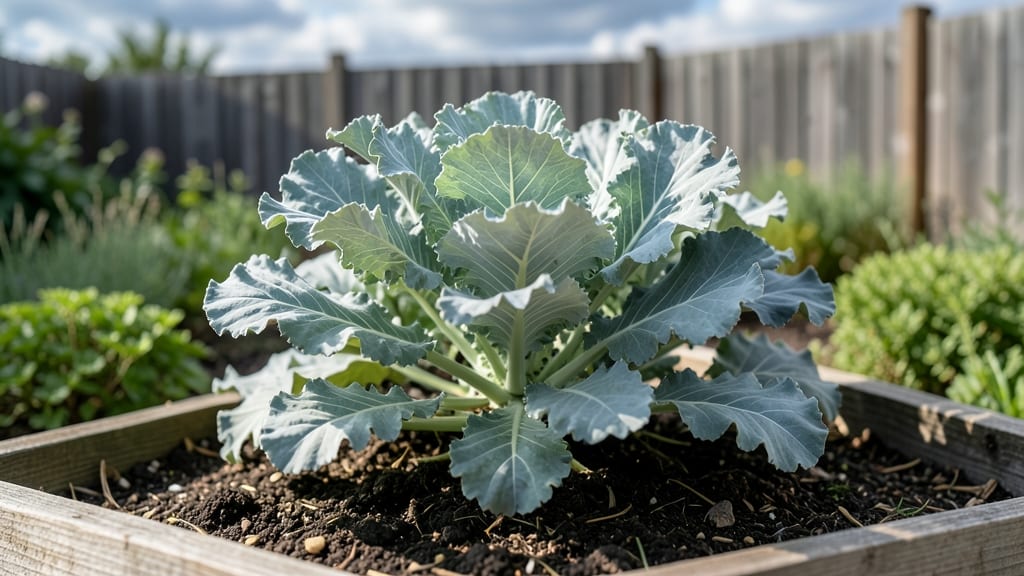
Growing Nagoya White flowering kale feels like cheating the seasons—its frost-resistant blooms burst into creamy white clusters when most gardens go dormant. 🌿 I discovered this hardy beauty after struggling with winter garden slumps, and it’s become my go-to for year-round color.
The secret lies in its ability to handle temperatures down to 15°F, making it a standout even in Zone 4 winters.
This ornamental kale thrives in partial sun to full shade, making it perfect for spots where other plants falter. Well-draining soil with a touch of compost is all it needs, and its ruffled, cabbage-like leaves add texture long before the flowers appear.
Water consistently but avoid soggy roots—this plant’s resilience starts with proper drainage.
By late fall, you’ll be rewarded with snow-white flower spikes that last through winter, attracting pollinators even in cold snaps. The blooms hold their color better than most annuals, and deer tend to leave it alone—unlike many tender perennials.
It’s the kind of plant that makes gardening feel effortless (once you get the hang of it).
Use it as a focal point in winter borders, mix it with evergreens for contrast, or even grow it in containers for patios. The best part?
It self-seeds reliably, so you’ll have more plants than you know what to do with. Let’s get those seeds in the ground—or at least in your wishlist.
📚 In This Guide
- What you need
- Instructions
- Tips and common mistakes
- Wrapping up and next steps
What you need
- ● Nagoya White flowering kale seeds – 50+ seeds (or 3-5 plants if buying seedlings)
- ● Well-draining potting mix – 2-3 bags (10-15 L each) for containers or garden soil amended with compost
- ● Containers or garden plot – 5-10 inch deep pots (for each plant) or a sunny garden bed with 18+ inches of soil depth
- ● Balanced fertilizer (5-10-5 or organic) – 1-2 tbsp per plant at planting time
- ● Organic mulch (straw or shredded leaves) – Enough to cover soil around plants (2-3 inches deep)
- ● Watering can or hose with gentle spray nozzle – For consistent moisture without damaging leaves
- ● Garden gloves – To protect hands while handling soil or plants
- ● Trowel or small shovel – For planting and mulching
- ● Plant markers – To label your Nagoya White kale (fun for gardeners!)
- ● Cold frame or row covers – Extends growing season in very cold climates
- ○ Epsom salt (optional) – 1 tbsp per gallon of water for magnesium boost (if leaves look yellow)
Step-by-step guide to growing flowering kale 'Nagoya White'
Here's how to coax those stunning frost-resistant blooms from seed to showstopping display.
🌱 Step 1: Start Seeds Indoors for Early Growth
Begin seeds 6-8 weeks before your last frost date in cell packs filled with seed-starting mix. Press 2-3 seeds per cell just below the surface—about ¼ inch deep—since Nagoya White germinates best in cool conditions. Keep the mix moist but not soggy; a spray bottle prevents overwatering.
Place containers in a cool location (60-65°F) under grow lights for 12-14 hours daily. Avoid warm spots—this variety thrives in cool temperatures and may bolt if overheated. You'll see first true leaves in 7-10 days, signaling it's time to thin to the strongest seedling per cell.
☀️ Step 2: Harden Off and Transplant for Cold Tolerance
When seedlings reach 3-4 inches tall with 4-5 leaves, begin hardening off by moving them outdoors for 1-2 hours daily in a sheltered spot. Gradually increase exposure over 7-10 days until they spend full days outside. Nagoya White handles frost beautifully, but sudden cold snaps may require row covers.
Transplant outdoors 2-3 weeks before your first frost into well-draining soil with full sun to partial shade. Space plants 12-18 inches apart—they'll spread as they mature. Water deeply after transplanting to settle roots, then maintain 1 inch of moisture weekly unless rain provides it.
💧 Step 3: Fertilize and Prune for Bushy Blooms
Feed plants with balanced organic fertilizer (10-10-10) at half-strength when true leaves appear, then again 4-6 weeks later. Nagoya White produces delicate white flowers that emerge in late fall or early spring—avoid heavy nitrogen after mid-summer to prevent leafy growth at the expense of blooms.
Pinch back tips of young plants to encourage branching. Once flowers form, deadhead spent blooms to redirect energy into new growth. This variety self-seeds readily, so you may find volunteers popping up next season—just thin them to maintain spacing.
⏰ Step 4: Manage Frost and Extend the Season
Nagoya White tolerates light frosts and even 20°F temperatures, making it ideal for fall/winter gardens. In extreme cold, use row covers or mulch to protect plants. Flowers often last 4-6 weeks, with some blooms persisting until spring if protected.
Harvest individual stems as they open for cut arrangements or let them stand for pollinators. The variety's ruffled, cabbage-like foliage adds winter interest even when not in bloom. Cut back plants in early spring if they look tired, or leave them for self-seeding.
Tips & tricks for perfect flowering kale 'Nagoya White' growth
These practical insights will help you coax the most stunning frost-resistant blooms from your Nagoya White kale—no guesswork required.
Seed-Planting Precision: When pressing those 2-3 seeds per cell just ¼ inch deep, use your fingernail to create a small dimple rather than pressing with your thumb. This ensures consistent depth without compacting the seed-starting mix, which can prevent proper germination. I learned this the hard way after struggling with uneven sprouting—now my germination rate is nearly 100%.
Lighting Strategy: Those crucial 12-14 hours of grow light should be positioned just 2-3 inches above the seedlings. Too high, and they'll stretch toward the light; too low, and they'll burn. I use a simple timer to automate this, and I rotate the trays daily to prevent lopsided growth. Remember, Nagoya White won't tolerate heat—keep that temperature steady at 60-65°F.
Harden Off Smartly: During the 7-10 day hardening process, I recommend starting with just 30 minutes outdoors on the first day, then doubling exposure each subsequent day. This gradual approach prevents transplant shock. Also, choose a sheltered spot that gets morning sun but afternoon shade—Nagoya White's frost tolerance doesn't mean it wants scorching afternoon heat.
Frost Protection Hacks: When temperatures dip below 20°F, I've found that double-layering row covers with a layer of bubble wrap underneath creates an extra insulating barrier. This simple trick can extend your blooming season by weeks. And remember, those delicate white flowers actually thrive in light frost—they just need protection from extreme cold snaps.
Pro Tips for Flowering Kale Nagoya White
- These practical insights will help you coax the most stunning frost-resistant blooms from your Nagoya White kale—no guesswork required.
- Seed-Planting Precision: When pressing those 2-3 seeds per cell just ¼ inch deep, use your fingernail to create a small dimple rather than pressing with your thumb.
- Lighting Strategy: Those crucial 12-14 hours of grow light should be positioned just 2-3 inches above the seedlings.
Frequently asked questions
When is the best time to plant Nagoya White flowering kale?
Plant Nagoya White flowering kale 4-6 weeks before your first frost—typically late summer (August) in most cold climates. It thrives in cool weather and can even handle light frosts. For a winter harvest, sow seeds in early fall (September-October) for a stunning late-season display!
How cold can Nagoya White flowering kale tolerate?
This variety is exceptionally frost-resistant and can survive temperatures down to 15–20°F (-9 to -7°C). Its vibrant blooms actually brighten up winter gardens! Just ensure it’s planted in well-draining soil to prevent rot in prolonged icy conditions.
Can I eat Nagoya White flowering kale, or is it purely ornamental?
While prized for its stunning white and pink blooms, the leaves and buds are edible and delicious. Harvest young leaves for salads or blanch mature stems for a sweet, slightly peppery side dish. Just avoid overly bitter leaves after heavy frost.
What are some alternatives if I can’t grow Nagoya White?
If your climate is too harsh or you prefer variety, consider these cold-hardy alternatives:
- Red Russian Kale – Hardy and nutritious, with deep purple leaves.
- Winterbor Kale – Curly, frost-sweetened leaves in purple and green.
- Dwarf Blue Curled Scotch Kale – Compact and ornamental, edible too!
Why are my Nagoya White leaves turning yellow or wilted?
Yellowing leaves often signal overwatering or poor drainage. Ensure soil is moist but not soggy—this kale hates "wet feet." Wilting can also mean heat stress (it prefers cool temps). If pests like aphids are present, spray with soapy water or introduce ladybugs for natural control.
Wrapping up and next steps
Incorporating Nagoya White flowering kale into your garden is a fantastic way to embrace beauty and resilience, even in colder climates! 🌱 Its stunning frost-resistant blooms, vibrant colors, and ease of care make it a standout choice for both beginners and seasoned gardeners.
Whether you're growing it for its ornamental appeal or culinary potential, this versatile plant is sure to impress.
Ready to get started? Plant your seeds or seedlings today and watch your garden transform into a winter wonderland! For extra inspiration, explore companion plants or creative ways to showcase its striking foliage in your outdoor space.