
Flowers
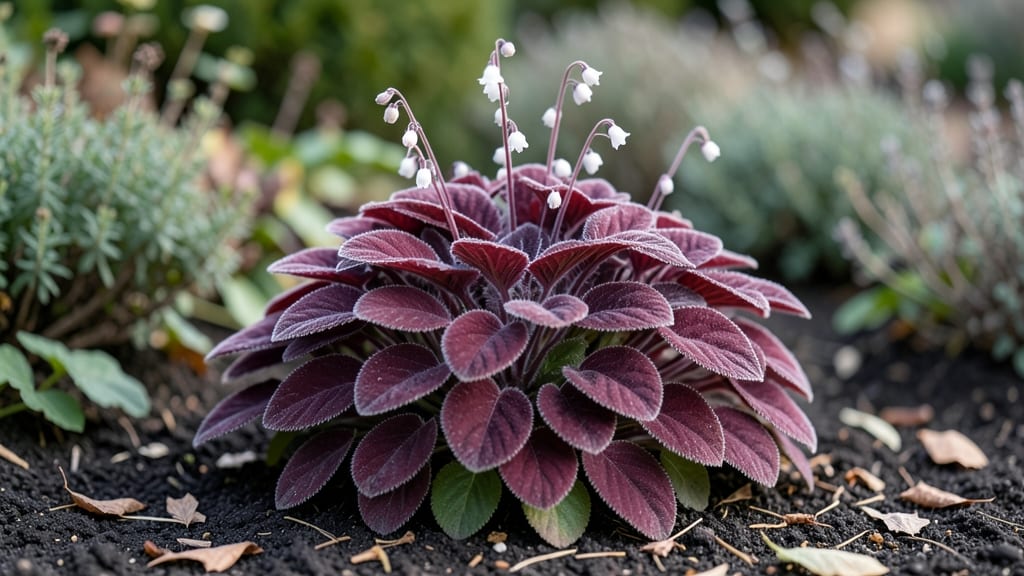
Clay soil can actually be the secret weapon for flowers that thrive with minimal fuss—no fluffy compost piles or expensive soil mixes required. 🌿 I’ve grown vibrant blooms in heavy clay for years, and the right plants turn that stubborn ground into a lush, low-maintenance garden.
The key? Choosing flowers that love moisture retention and compacted roots, like coneflowers, black-eyed Susans, or daylilies.
These tough beauties don’t need perfect drainage—they prefer clay’s natural moisture. You’ll still want to loosen the top 6 inches of soil before planting, but no heavy amending is necessary. In fact, some flowers, like asters or bee balm, thrive in clay because it holds nutrients longer than sandy soil.
The trade-off? A little extra mulch to prevent crusting after rain.
By summer, your garden will burst with color—deep purples, fiery oranges, and creamy whites—that stays vibrant even through droughts. The best part? Less weeding, fewer soil-borne diseases, and plants that bounce back from winter like nothing happened.
No more struggling with amendments—just pick the right flowers and let the clay work for you.
Works for full sun or partial shade, urban yards or rural plots. Once you see how easy this can be, you’ll wonder why you ever fought with clay soil. Let’s get those blooms growing!
📚 In This Guide
- What you need
- Instructions
- Tips and common mistakes
- Wrapping up and next steps
What you need
- ● Flowers for clay soil: Choose from dahlias, coneflowers, black-eyed Susans, daylilies, or hostas (all tolerate clay well!). Aim for 3–5 plants per 10 sq. ft. for a lush look.
- ● Compost or organic matter: 2–3 inches of well-aged compost, leaf mold, or peat moss to loosen clay. Avoid fresh manure—it can burn plants!
- ○ Garden soil (if needed): 1–2 bags of topsoil (optional, for heavy clay patches).
- ● Mulch: 2–3 inches of straw, wood chips, or pine bark to retain moisture and prevent compaction.
- ● Garden fork or tiller: A heavy-duty fork (for breaking up clay without turning it into mud) or a manual tiller (rent if needed).
- ● Garden gloves: 1 pair (clay sticks to hands—trust us!).
- ○ Pruners or shears: For trimming dead foliage (optional but helpful).
- ● Watering can or hose: With a gentle spray nozzle to avoid eroding soil.
- ○ pH testing kit: 1 kit (optional but useful—ideal pH for most flowers is 6.0–7.0).
- ● Sunlight assessment: Know your garden’s sunlight exposure (full sun, partial shade, etc.). Most clay-tolerant flowers need at least 4–6 hours of sun/day.
- ● Drainage check: Dig a 6-inch hole, fill it with water, and wait. If water drains in 4+ hours, your clay is very dense—amend it extra!
- ● Planting schedule: Best times are early spring or fall (avoid summer heat stress).
Step-by-Step guide for planting flowers in heavy clay soil
Here's how to transform tough clay into a thriving garden without digging.
🌱 Step 1: Test and Amend the Soil Surface
Start by assessing your clay soil's drainage. Take a handful and squeeze it—if it holds shape tightly and cracks when dry, you're dealing with heavy clay. Instead of tilling (which destroys soil structure), focus on surface amendments. Spread a 2-inch layer of compost over the planting area and lightly scratch it into the top 4 inches of soil with a broadfork or garden fork.
Real talk: Don't dig deeper than 6 inches—this preserves the soil's natural structure while improving what matters most for roots. Water the amended area thoroughly until moisture reaches 6 inches deep. You'll know it's right when water pools slightly but drains within an hour rather than forming puddles.
☀️ Step 2: Choose the Right Clay-Tolerant Flowers
Select plants known for thriving in clay: black-eyed Susans, coneflowers, bee balm, daylilies, and asters all handle heavy soil beautifully. I always pick varieties with deep root systems—they naturally break up compacted layers over time. Avoid delicate annuals like impatiens or petunias unless you're planting in raised beds with amended soil.
For best results, space plants 18-24 inches apart to give roots room to establish. The key is choosing plants that match your site's natural conditions rather than forcing them into unsuitable soil. You'll see stronger growth and fewer wilting problems from the start.
💧 Step 3: Plant with Proper Mulching Technique
After planting, apply a 3-inch layer of straw mulch around each plant, keeping it 2 inches away from stems to prevent rot. The mulch will protect roots from temperature swings and gradually break down, improving soil structure over time. Water deeply right after planting—1 gallon per plant—until soil is moist 6 inches down.
Here's the thing—don't skip the mulch. Clay soil loses moisture quickly when dry and stays soggy when wet. Mulch creates that perfect middle ground. Check moisture weekly by sticking your finger 2 inches deep—water when it feels dry but not powdery. You'll notice fewer wilting episodes and more consistent blooms.
✂️ Step 4: Maintain Through Seasonal Adjustments
In late fall, top-dress plants with another 1-inch layer of compost and lightly scratch it in. This feeds roots without disturbing the soil structure you've worked to establish. Remove spent blooms regularly to encourage more flowers, but never cut back more than one-third of the foliage at once—healthy leaves power those vibrant blooms.
Watch for clay-specific issues like yellowing leaves in summer—this often signals compacted roots. If you see this, gently loosen soil around the base with a hand fork and add a handful of perlite to improve aeration. Most clay-loving plants will bounce back within weeks once roots get better airflow.
Tips & tricks for perfect clay-soil gardens
Common pitfalls—and how to sidestep every one when working with heavy clay.
Soil Test First: That squeeze test in Step 1 is your best friend. If your clay holds shape like a brick, you're dealing with the worst-case scenario. The 2-inch compost layer should be your first move—it's not just about nutrients, but creating tiny air pockets that roots desperately need. I've seen gardens transform completely after just one season of this surface treatment. For extra insurance, mix in a handful of coarse sand or perlite with your compost to break up compaction.
Plant Selection Strategy: Don't just pick any flowers—focus on those with deep taproots like black-eyed Susans or coneflowers from Step 2. These plants actually help break up compacted soil over time. I always check the plant tags for "clay-tolerant" labels before buying. Pro tip: Start with just 3-4 varieties to test what thrives best in your specific clay type before expanding your garden.
Mulch Like a Pro: The 3-inch straw mulch in Step 3 is non-negotiable, but here's the secret: refresh it every spring. Old mulch breaks down into a mat that can suffocate roots. I use a mix of straw and wood chips for better moisture retention. Keep that 2-inch clearance from stems—it prevents rot while still protecting roots from temperature swings. In hot climates, consider a shade cloth over newly planted areas until roots establish.
Watering Wisdom: That 1-gallon-per-plant rule in Step 3 is perfect, but timing matters too. Water in the morning so plants can dry slightly during the day—clay stays soggy for too long if you water at night. I set a timer to check soil moisture weekly by sticking my finger 2 inches deep. If it feels like a damp sponge, hold off on watering. This prevents the most common clay-soil problem: root rot from overwatering.
Pro Tips for Flowers For Clay Soil
- Common pitfalls—and how to sidestep every one when working with heavy clay.
- Soil Test First: That squeeze test in Step 1 is your best friend.
- Plant Selection Strategy: Don't just pick any flowers—focus on those with deep taproots like black-eyed Susans or coneflowers from Step 2.
Frequently asked questions
Got questions about growing flowers in clay soil? You’re not alone—this heavy, dense soil can be tricky, but the right plants and techniques make it totally doable! Below, we’ve rounded up the most common questions (and answers) to help you cultivate a stunning garden with ease.
What are the easiest flowers to grow in clay soil?
Clay soil thrives with low-maintenance, hardy perennials like coneflowers, black-eyed Susans, and daylilies. Annuals such as marigolds, cosmos, and snapdragons also adapt well. These plants tolerate poor drainage and require minimal soil amendments—just a little compost mixed in at planting time!
How long does it take for clay soil to improve?
Improving clay soil is a gradual process! With regular compost or organic matter additions (every 6–12 months), you’ll see noticeable drainage improvements in 1–2 years. For quicker results, consider raised beds or mixing in gypsum or sand (but avoid overdoing it—clay needs structure!). Patience pays off!
Why do my flowers wilt in clay soil even after watering?
Wilting in clay soil often means root suffocation or poor oxygen flow. Overwatering or compacted soil can trap moisture, starving roots. Try these fixes:
- Test drainage: Dig a 12-inch hole, fill it with water, and time how long it takes to drain. If it’s >6 hours, amend the soil.
- Add organic matter: Mix in compost or leaf mold to loosen the soil.
- Space plants wider to prevent overcrowding.
Can I grow vegetables in clay soil alongside flowers?
Root vegetables like carrots and beets struggle in clay, but kale, Swiss chard, and peas thrive. For veggies, raise beds or containers with a 50/50 mix of clay soil and compost. Pair them with deep-rooted flowers like hollyhocks to naturally aerate the soil over time.
What’s a quick fix if I don’t want to amend the soil long-term?
If soil amendments feel like too much work, container gardening is your best bet! Use well-draining potting mix in pots, window boxes, or raised beds. Top picks for clay-adapted flowers in containers:
- Petunias (bright, low-maintenance)
- Geraniums (drought-tolerant)
- Lantana (heat-loving and resilient)
Wrapping up and next steps
Growing flowers in clay soil doesn’t have to be a challenge—it’s all about choosing the right plants and making a few simple adjustments! With the right techniques and resilient blooms like black-eyed Susans, daylilies, or coneflowers, your garden can thrive even in heavy, compacted soil.
Remember, amendments like compost and mulch work wonders over time, so don’t rush the process.
Ready to transform your space? Start small—pick one or two flowers from this list, prep your soil with care, and watch your garden bloom with confidence! 🌸 For extra inspiration, explore seasonal planting guides or join local gardening forums to share your progress.