
Flowers
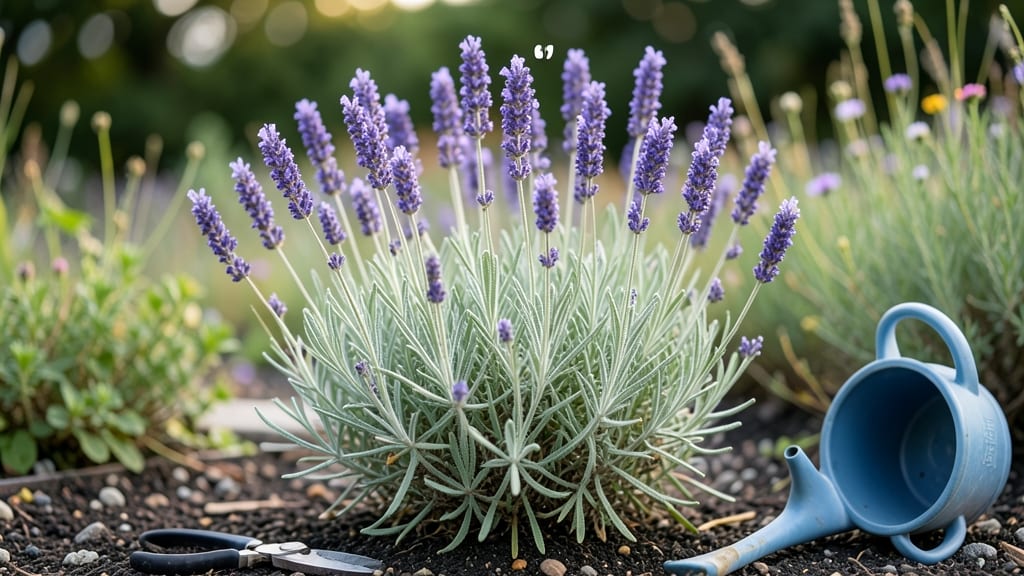
Fragrant perennial flowers transform your garden into a living perfume factory. 🌿 The Pacific Northwest’s damp climate might make you think fragrance is out of reach—but these long-blooming stars thrive here, drawing pollinators while filling your yard with sweet, herbal, or citrusy scents that linger long after the blooms fade.
Think lavender’s lavender, roses that smell like a bridal bouquet, or peonies heavy with honeyed perfume—all returning year after year. The key is pairing sun-loving varieties like Russian sage with shade-tolerant daphnes, creating a layered fragrance experience that changes with the seasons.
My front border now smells like a mix of bakery and meadow, and the bees never stop buzzing.
You’ll end up with a garden that’s not just pretty but alive—where every stroll past the catmint or phlox makes you pause to breathe it in.
The best part? These perennials multiply over time, so your fragrance investment only gets richer. Let’s design a border that smells as good as it looks.
Works for sunny meadows, shady woodland edges, or even containers on your patio. The Pacific Northwest’s best fragrance combos are waiting—here’s how to mix them like a pro.
📚 In This Guide
- What you need
- Instructions
- Tips and common mistakes
- Wrapping up and next steps
What you need
- ● Fragrant perennial flowers: Choose from Pacific Northwest natives and adaptable varieties like: 1–3 Philadelphus lewisii (Mock Orange) – 3–6 ft tall
- ● 3–5 Syringa meyeri (Dwarf Lilac) – 6–8 ft tall
- ● 5–10 Diervilla lonicera (Oregon Sunshine) – 3–4 ft tall
- ● 1–2 Lavandula angustifolia (English Lavender) – 1–2 ft tall
- ● 3–5 Heuchera spp. (Coral Bells) – 1–2 ft tall (for foliage fragrance)
- ● 1–2 Sambucus nigra (Elderberry) – 8–12 ft tall (for berries + scent)
- ● Well-draining soil: 5–10 bags (1.5–2 cu. ft. each) of compost or peat moss (mix 1 part compost to 2 parts native soil).
- ● Organic fertilizer: 1–2 lbs of balanced 10-10-10 or slow-release rose/flower fertilizer.
- ● Mulch: 10–15 sq. ft. of cedar chips or pine bark (2–3 inches deep).
- ● Drip irrigation or soaker hose: 50–100 ft. (adjust for garden size).
- ● Garden tools: 1 trowel
- ● 1 pruning shears
- ● 1 garden fork (for amending soil)
- ● 1 wheelbarrow (for hauling materials)
- ● Safety gear: 1 pair of gloves (waterproof)
- ● 1 pair of knee pads
- ○ Optional upgrades: Pollinator-friendly add-ons: 1–2 bee baths or small water feature
- ● Visual appeal: 3–5 decorative rocks or stepping stones
- ● Fragrance boosters: 1–2 Rosmarinus officinalis (Rosemary) or Thymus serpyllum (Creeping Thyme)
How to create a Pacific Northwest pollinator haven with fragrant perennials
Here’s how to design a fragrant, long-blooming perennial garden that thrives in PNW conditions.
🌱 Step 1: Select the Right Fragrant Perennials for Your Site
Start with native and adapted species that thrive in the Pacific Northwest’s mild, moist climate. My top picks include lavender (Lavandula angustifolia), Russian sage (Perovskia atriplicifolia), catmint (Nepeta spp.), and beebalm (Monarda spp.)—all of which attract pollinators while filling the air with scent. These perennials handle the region’s mild winters and high humidity without fuss.
Check your garden’s sun exposure—most fragrant perennials need at least 6 hours of sunlight daily. If your site is shadier, opt for heuchera (coral bells) or astilbe, which still offer fragrance and pollinator appeal. I always group plants by sunlight needs to avoid stressing them later.
☀️ Step 2: Prepare the Soil for Fragrant Growth
Fragrant perennials thrive in well-draining, slightly acidic soil (pH 6.0–7.0). Before planting, amend your soil with 2–3 inches of compost and a handful of slow-release organic fertilizer per plant. The PNW’s naturally rich soil often needs little extra, but sandy or clay-heavy spots benefit from perlite or coarse sand to improve drainage.
Dig a hole twice as wide as the root ball but only as deep. This encourages roots to spread horizontally, which helps plants establish faster in the damp PNW climate. Gently loosen the roots if they’re circling before placing the plant in the hole.
💧 Step 3: Plant and Water for Immediate Establishment
Place each perennial in its hole, ensuring the top of the root ball sits flush with the soil surface—burying too deep can suffocate stems. Backfill with native soil, pressing lightly to remove air pockets. Water deeply right after planting to settle the roots, using 1–2 gallons per plant. This helps prevent transplant shock, especially in the PNW’s cooler, wetter springs.
Mulch with 2–3 inches of shredded bark or wood chips to retain moisture and suppress weeds. Keep mulch 2 inches away from stems to prevent rot. Water every 2–3 days until new growth appears—this usually takes 3–4 weeks in PNW conditions.
🌿 Step 4: Maintain for Long-Blooming Fragrance
Deadhead spent blooms regularly to encourage continuous flowering. For lavender and Russian sage, I trim back one-third of the plant in early spring to promote bushier growth. Avoid cutting into old wood, as these perennials bloom on new growth. Fertilize lightly in early spring with a balanced organic fertilizer (10-10-10) to support fragrance and vigor.
Watch for powdery mildew in humid PNW summers—space plants properly and water at the base (not overhead) to prevent fungal issues. Most fragrant perennials are drought-tolerant once established, but a deep watering once a week keeps them thriving without overdoing it.
✂️ Step 5: Divide and Refresh Every 3–4 Years
Perennials like lavender and catmint benefit from division every 3–4 years to rejuvenate growth. In early spring or fall, dig up clumps, separate into 3–4 inch sections, and replant. This prevents overcrowding and ensures stronger fragrance and blooms. Discard the oldest, woody centers—they’ll produce fewer flowers.
Rotate plants occasionally to prevent soil depletion and keep the garden dynamic. For example, swap out spent beebalm with newly divided lavender to maintain peak fragrance and pollinator appeal. The PNW’s mild climate lets you extend this process into late fall or early spring for minimal stress.
Tips & tricks for perfect fragrant perennial gardens
Creating a fragrant perennial garden that thrives in the Pacific Northwest takes a few strategic moves—here's how to ensure your pollinator haven flourishes.
Location Strategy: The 6 hours of sunlight mentioned in Step 1 is non-negotiable for most fragrant perennials, but here's the thing: morning sun with afternoon shade works best for lavender and Russian sage. I've found that positioning these plants on the east side of structures or trees prevents afternoon heat stress while still giving them that critical sunlight exposure. For shade-tolerant options like heuchera, place them where they'll get dappled light throughout the day—this mimics their natural forest understory conditions.
Soil Science: While the instructions call for slightly acidic soil (pH 6.0-7.0), I've learned that PNW native plants actually prefer a pH closer to 6.5-7.0. Test your soil before amending—many garden centers offer inexpensive test kits. If your soil is too acidic, work in crushed limestone at a rate of about 1 pound per 100 square feet. The 2-3 inches of compost is perfect, but for heavy clay soils, mix in 1 part perlite to 3 parts soil to create that ideal air-to-moisture balance that fragrant perennials crave.
Planting Precision: When digging that hole twice as wide as the root ball in Step 2, here's what I do differently: I create a "moisture well" by adding a handful of water to the bottom before placing the plant. This gives roots an immediate drink while they establish. For container-grown plants, gently tease apart the roots at the bottom if they're circling—this encourages outward growth that's crucial for those first 3-4 weeks of establishment mentioned in Step 3. The 1-2 gallons of water per plant is spot-on, but I always water again after 24 hours to ensure proper root contact with the soil.
Fragrance Preservation: The regular deadheading in Step 4 is essential, but here's the secret: use clean, sharp pruners and make cuts just above a set of leaves or bud. This encourages new growth and maintains that sweet fragrance. For lavender specifically, I always wait until flowers are completely spent before cutting—this gives pollinators their last chance to visit. The early spring trimming of one-third is perfect, but I extend this to late summer for Russian sage to promote that second flush of fragrant blooms that PNW summers often bring.
Pro Tips for Fragrant Perennial Flowers
- Creating a fragrant perennial garden that thrives in the Pacific Northwest takes a few strategic moves—here's how to ensure your pollinator haven flourishes.
- Location Strategy: The 6 hours of sunlight mentioned in Step 1 is non-negotiable for most fragrant perennials, but here's the thing: morning sun with afternoon shade works best for lavender and Russian sage.
- Soil Science: While the instructions call for slightly acidic soil (pH 6.0-7.0), I've learned that PNW native plants actually prefer a pH closer to 6.5-7.0.
Frequently asked questions
Got questions about fragrant perennials?
You’re not alone! Here are answers to the most common ones—so you can dive in with confidence and keep your garden smelling like a dream.
Which fragrant perennials thrive best in the Pacific Northwest’s rainy climate?
The PNW’s mild, damp conditions favor hardy blooms like Lavandula (lavender), Phlox paniculata (garden phlox), Helleborus niger (Christmas rose), and Diervilla lonicera (bush honeysuckle). Opt for varieties with disease-resistant foliage and good drainage to avoid rot. Pro tip: Mulch heavily in winter to protect roots from soggy soil.
When is the best time to plant fragrant perennials for year-round blooms?
Plant in early spring (March–April) or early fall (September–October) for established roots before summer heat or winter frost. For longer blooming seasons, choose varieties with staggered bloom times (e.g., Agastache in summer + Heuchera in spring). Troubleshoot: Avoid planting in late fall—tender roots may heave in freeze-thaw cycles.
Do fragrant perennials attract bees and butterflies—or just pests like aphids?
Most fragrant perennials are pollinator magnets! Lavender, bee balm (Monarda), and Sedum draw bees, while Buddleia (butterfly bush) lures winged visitors. To minimize pests, plant alliums or garlic chives nearby—their scent deters aphids. Bonus: Deadhead spent blooms to encourage more flowers and fewer pests.
Can I grow fragrant perennials in containers, or do they need garden beds?
Yes! Compact varieties like Lavender ‘Munstead’, Dianthus ‘Firewitch’, or Salvia nemorosa thrive in 12–18" pots with well-draining soil. Use terracotta containers (they wick moisture) and add gravel at the bottom to prevent root rot. Container hack: Place pots near windows or patios to maximize scent when brushed or rained on.
What’s the easiest way to revive a fragrant perennial that’s stopped blooming?
Check these first:
- Sunlight: Most fragrant perennials need 6+ hours of sun—move to a sunnier spot if blooms fade.
- Soil: Amend heavy clay with compost or sand for better drainage.
- Fertilizer: Feed with low-nitrogen, high-phosphorus fertilizer (like 5-10-5) in early spring.
- Pruning: Cut back dead stems in late winter to stimulate new growth.
Wrapping up and next steps
Transforming your Pacific Northwest garden into a fragrant, pollinator-friendly paradise is easier—and more rewarding—than you think! 🌸 By choosing long-blooming perennials like lavender, bee balm, or Russian sage, you’ll create a haven that thrives year after year with minimal effort.
These beauties not only fill the air with intoxicating scents but also support local ecosystems while adding timeless charm to your outdoor space.
Ready to take the next step? Start small—pick one or two fragrant perennials that excite you, sketch a simple layout, and dive in! Whether you’re a seasoned gardener or a curious beginner, every bloom is a celebration of nature’s magic. Happy planting! 🌿